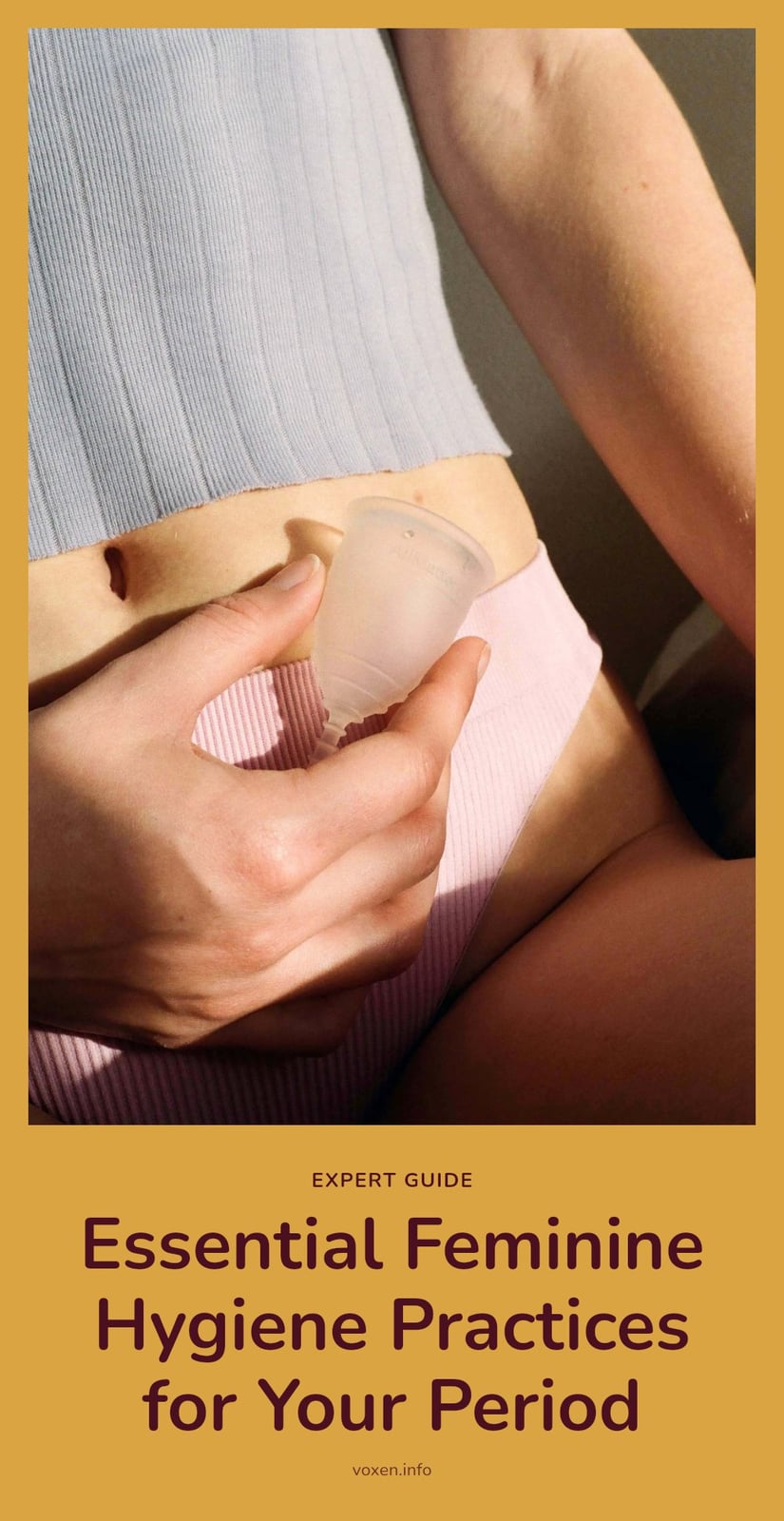
When you hear the term “feminine hygiene,” it’s easy to think you need a cabinet full of special washes and wipes. But the truth is much simpler. Your vagina is a self-cleaning organ, and good care during your period is about gentle habits, not fancy products. This article covers the practical, everyday steps you can take to stay fresh, comfortable, and healthy while menstruating.
Key Takeaways
- Wash your vulva daily with warm water only, avoiding scented products.
- Change pads and tampons every 4 to 8 hours; menstrual cups can be worn up to 12 hours.
- Wear breathable cotton underwear to reduce moisture and prevent infections.
- Always wipe from front to back after using the toilet to prevent bacterial transfer.
- Consult a healthcare professional for persistent itching, burning, or unusual discharge.
What is ‘Feminine Hygiene’ and Why Does it Matter?
The term “feminine hygiene” is often used to sell special washes and wipes, but true feminine hygiene is much simpler. It means maintaining overall body hygiene and understanding your body’s natural processes. The vagina is a self-cleaning organ and does not need internal washes. External care, especially during menstruation, involves gentle washing with warm water and changing your menstrual product frequently to prevent odor and irritation.
1. Clean Your Vulva Gently with Water
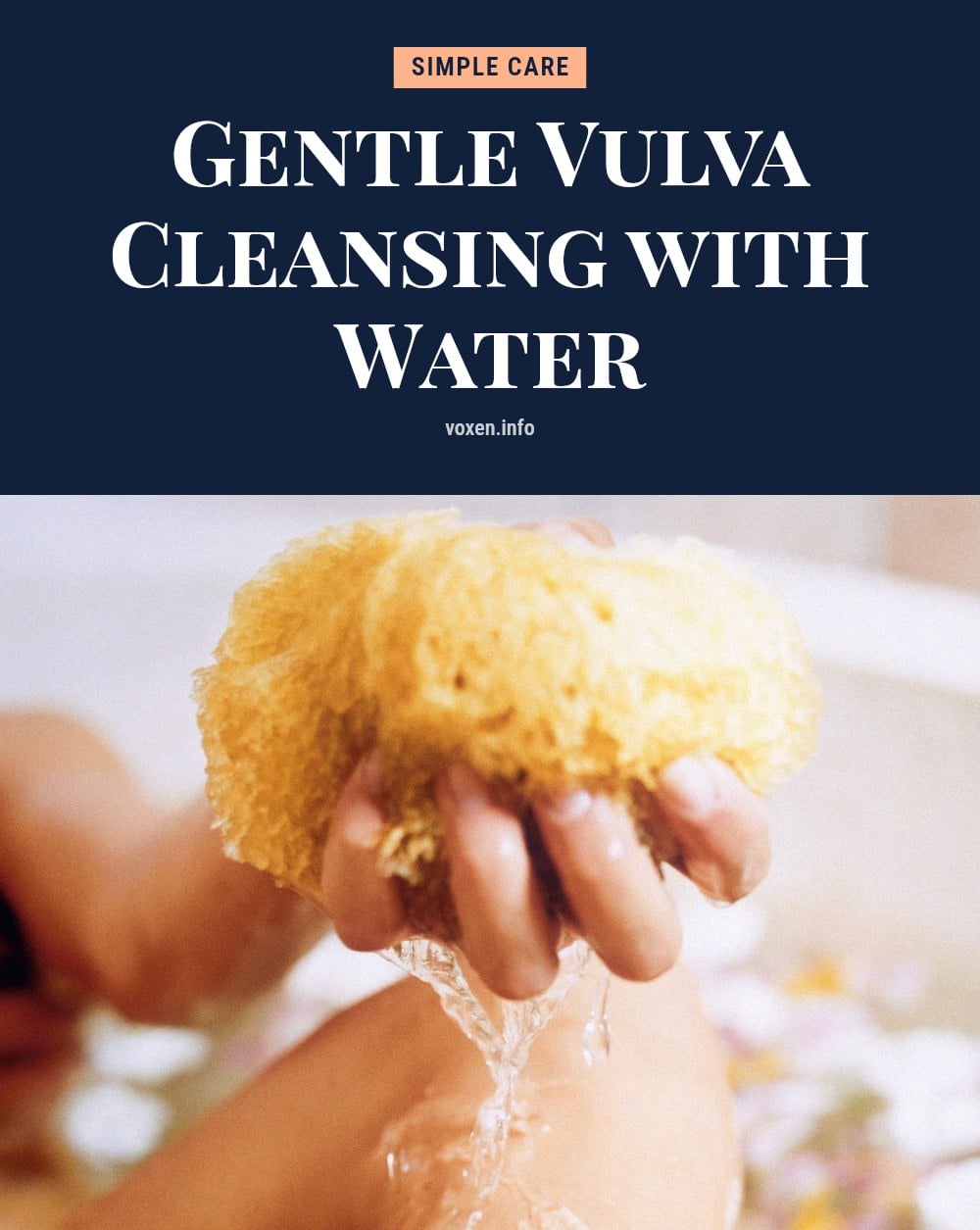
Your vulva (the external genital area) only needs warm water for daily cleansing. Avoid using scented soaps, body washes, or douches, as these can disrupt your natural pH balance and lead to irritation or infections.
My tip: If you feel you need soap, choose a mild, unscented variety and use it only on the external skin, never internally.
2. Change Menstrual Products Frequently
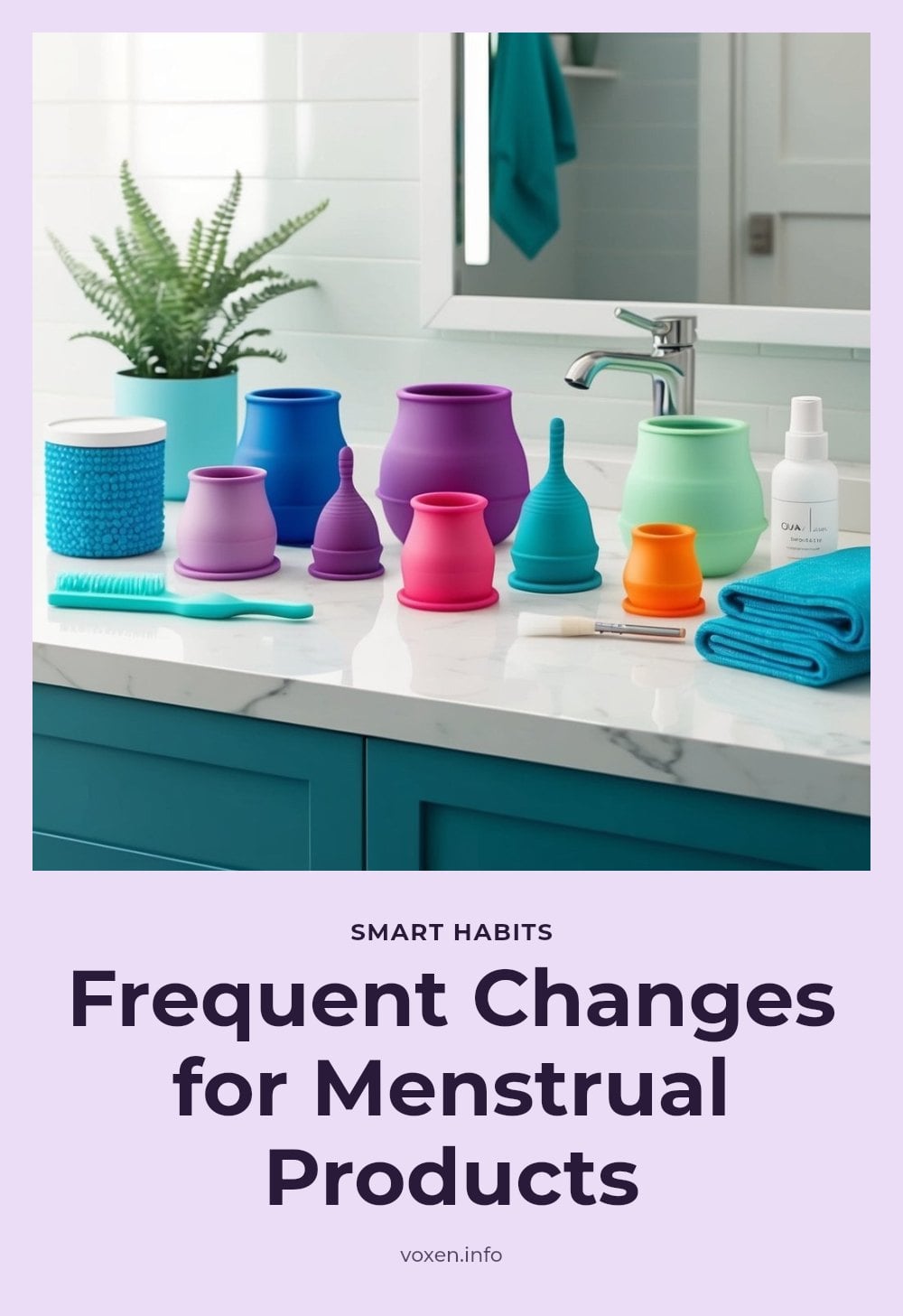
Pads and tampons should be changed every 4-8 hours, depending on your flow, to prevent odor, irritation, and reduce the risk of bacterial growth. Menstrual cups can be worn for up to 12 hours, but always follow the manufacturer’s instructions for emptying and cleaning. Leaving tampons in for too long can lead to Toxic Shock Syndrome (TSS), a rare but serious bacterial infection.
3. Choose Breathable Cotton Underwear
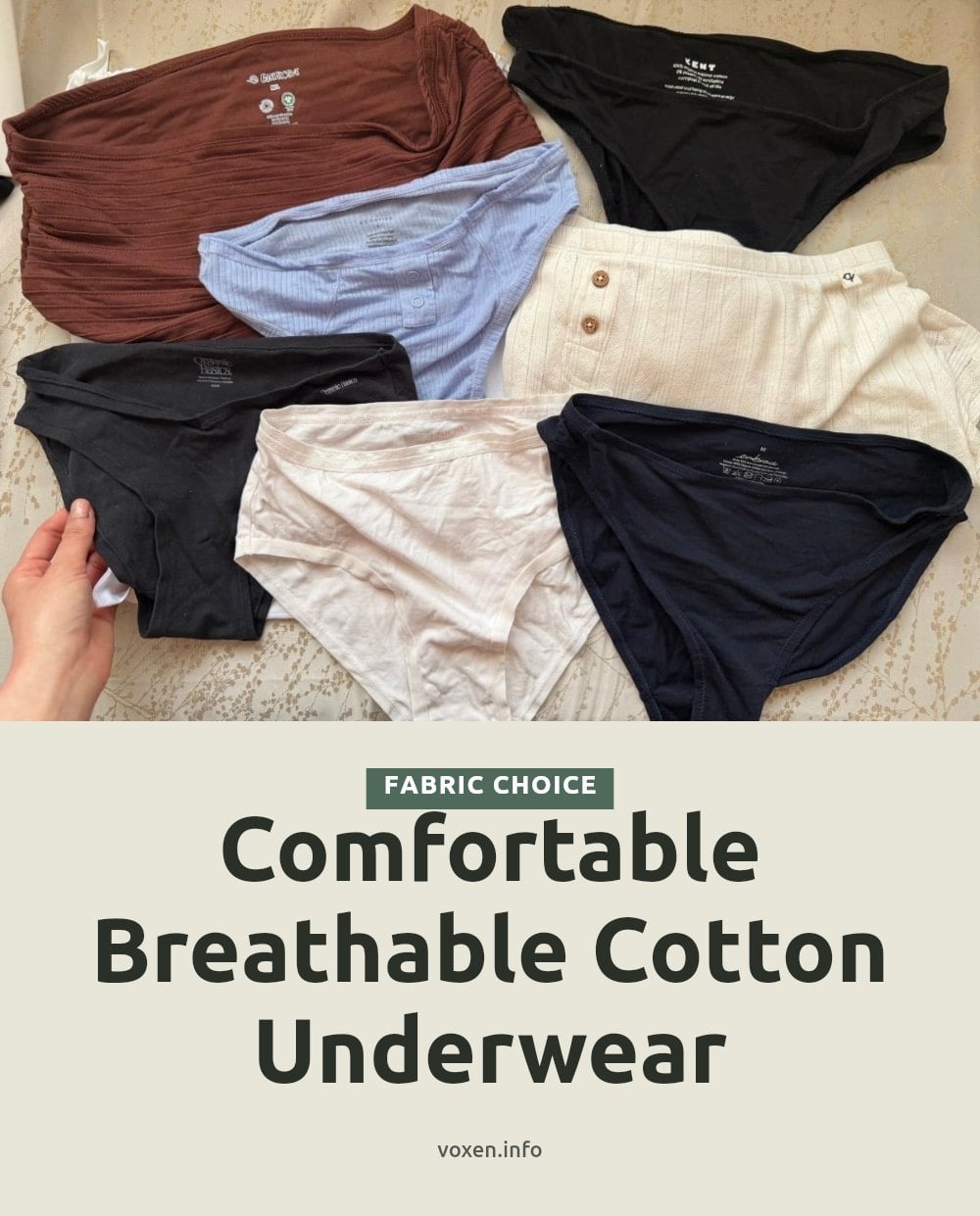
Cotton underwear is your best friend for vaginal health because it allows air circulation and absorbs moisture, helping to prevent yeast infections. Avoid wearing tight-fitting clothing or synthetic underwear (like nylon or spandex) for prolonged periods, especially during your period, as they can trap heat and moisture.
My tip: Consider period underwear as an eco-friendly and comfortable option, but still ensure they are breathable.
4. Wipe Front to Back After Toilet Use
Always wipe from front to back after using the toilet. This simple habit prevents bacteria from your anus from reaching your vagina or urethra, which can cause urinary tract infections (UTIs) or vaginal infections.
- Use plain toilet paper only.
- Avoid scented or medicated wipes, as they can irritate the sensitive skin of your vulva.
5. Shower After Sweating or Exercise
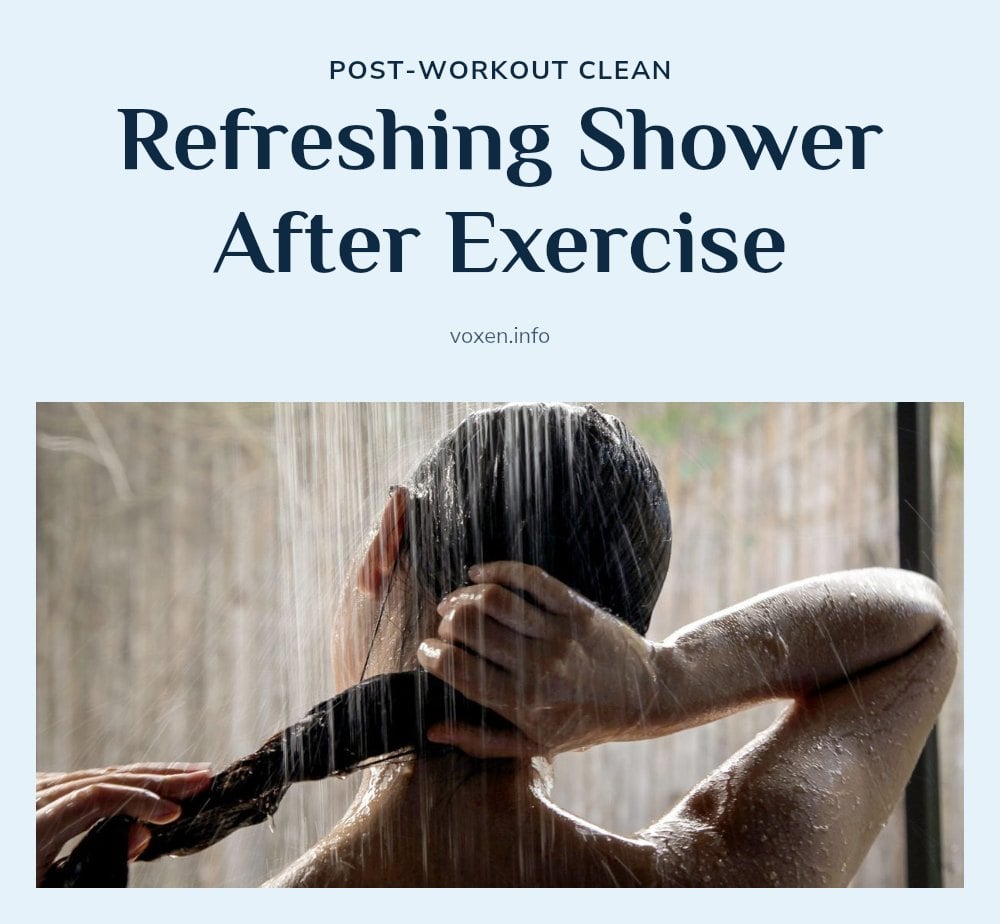
After a workout or any heavy sweating, shower as soon as you can. Sweat and moisture create a breeding ground for bacteria and yeast, especially in your intimate areas, which can lead to irritation or infections.
A quick rinse with warm water is usually all you need to clean your vulva after sweating. No need for special washes.
6. Avoid Douching and Scented Products
The vagina is a self-cleaning organ with a natural acidic pH (3.8-4.5) and beneficial bacteria (lactobacilli) that keep it healthy. Douching washes away these protective bacteria, disrupting the pH balance and increasing your risk of infections like bacterial vaginosis (BV), yeast infections, and even pelvic inflammatory disease (PID).
Scented products like washes, sprays, and wipes are unnecessary and can cause irritation or allergic reactions. Skip them entirely.
7. Understand Normal Vaginal Discharge
Normal vaginal discharge varies throughout your menstrual cycle, from clear to milky white, and its consistency changes. It is a sign of a healthy, self-cleaning vagina and usually has a mild, natural odor, not a strong or foul one.
Do not confuse normal discharge with a sign of poor hygiene. It is your body doing its job.
8. Stay Hydrated and Eat Well
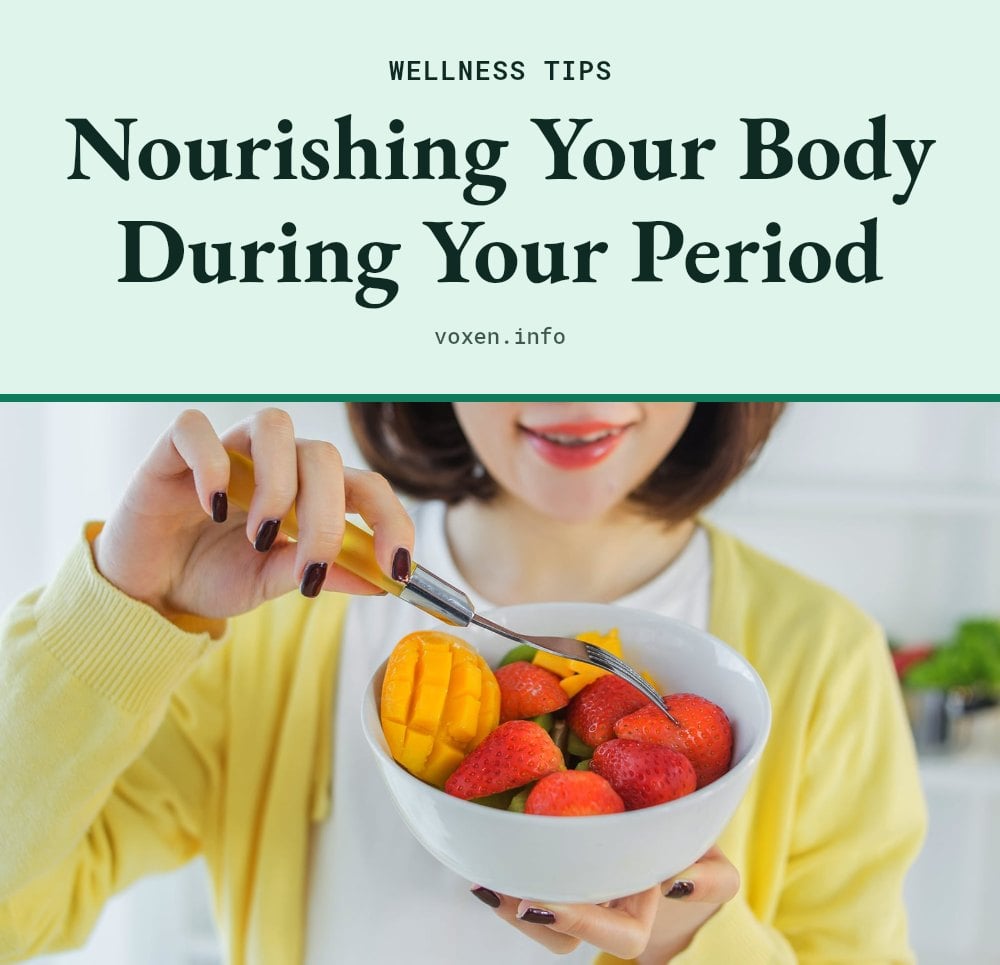
Staying hydrated and eating a balanced diet supports your vaginal health. Drinking enough water helps your body flush out toxins, which can reduce the risk of irritation. A diet rich in probiotics, like yogurt or kefir, may help maintain a healthy balance of lactobacilli in your vagina.
- Drink water: Aim for consistent hydration throughout the day to support your body’s natural cleansing processes.
- Eat probiotic foods: Yogurt, kefir, sauerkraut, and kimchi can promote a healthy vaginal microbiome.
9. Manage Stress for Vaginal Health
High stress levels can weaken your immune system, which may make you more susceptible to infections like yeast infections. Managing stress is an important part of overall wellness, including vaginal health. Exercise, meditation, or simply taking time for hobbies can help lower your stress.
Tip: Listen to your body and prioritize self-care, especially during your period when you might feel more vulnerable. Even a few minutes of deep breathing or a short walk can make a difference.
10. Be Aware of Product Sensitivities
Some people have allergies or sensitivities to materials in menstrual products like pads, tampons, or cups, or even to laundry detergents. If you notice irritation, itching, or discomfort after using a new product, discontinue use and try an alternative. For example, switch from scented to unscented pads or try a different brand of tampons.
Good to know: It’s about finding what works best for your unique body and being gentle with yourself. Your comfort matters.
11. Keep Pubic Hair Trimmed, Not Removed
If you choose to remove pubic hair, trimming is often gentler than shaving or waxing. Shaving and waxing can cause ingrown hairs, razor burn, or micro-tears in the skin, which increase the risk of infection. Keeping the area trimmed rather than fully removed can help prevent irritation while still allowing for personal preference.
When to See a Healthcare Professional
See a healthcare professional if you have persistent itching, burning, or pain in your intimate area. Also seek medical advice for unusual vaginal discharge that is green, gray, foamy, or cottage-cheese like. A strong, foul, or fishy odor is not normal. Bleeding between periods or after sex, as well as any new bumps, sores, or rashes around your vulva, should be evaluated. If you suspect an infection or an STI, do not self-diagnose. A doctor can provide proper testing and treatment.
Frequently Asked Questions
Should I use special feminine washes?
No, you do not need special feminine washes. The vagina is self-cleaning, and scented washes can actually disrupt its natural pH and cause irritation. If you feel you need soap for the external vulva area, choose a mild, unscented one, but warm water alone is usually sufficient.
How often should I change my pad or tampon?
You should change pads and tampons every 4 to 8 hours, depending on your flow. Menstrual cups can be worn for up to 12 hours, but always follow the manufacturer’s instructions for emptying and cleaning. Changing products regularly helps prevent odor and reduces the risk of bacterial growth.
Can stress affect my vaginal health?
Yes, high stress levels can weaken your immune system, which may make you more susceptible to infections like yeast infections. Managing stress through exercise, meditation, or hobbies is an important part of overall wellness, including vaginal health.
What is normal vaginal discharge?
Normal vaginal discharge varies throughout your menstrual cycle. It can be clear to milky white and change in consistency. It usually has a mild, natural odor, not a strong or foul one. Discharge is a sign of a healthy, self-cleaning vagina. If the discharge becomes green, gray, foamy, or cottage-cheese like, see a healthcare professional.
Is douching ever recommended?
No, douching is not recommended. It can disrupt the natural acidic pH balance of the vagina and wash away beneficial bacteria, increasing your risk of infections like bacterial vaginosis, yeast infections, and even pelvic inflammatory disease. The vagina cleans itself and does not need internal washing.
What kind of underwear is best for vaginal health?
Cotton underwear is best for vaginal health because it allows air circulation and absorbs moisture, helping to prevent yeast infections. Avoid wearing tight-fitting clothing or synthetic fabrics like nylon and spandex for long periods, especially during your period, as they can trap heat and moisture.
Final Thoughts
The best approach to feminine hygiene during your period is to keep things simple and gentle. Stick with warm water for external cleansing, change your menstrual products on schedule, and choose breathable cotton underwear. If you ever notice persistent itching, a strong odor, or unusual discharge, don’t hesitate to see a healthcare professional. Trust your body’s natural balance and give it the basic care it needs.
This article is for general informational purposes only and does not constitute medical advice. If you have persistent symptoms such as itching, burning, unusual discharge, or pain, please consult a healthcare professional or dermatologist for personalized care.

