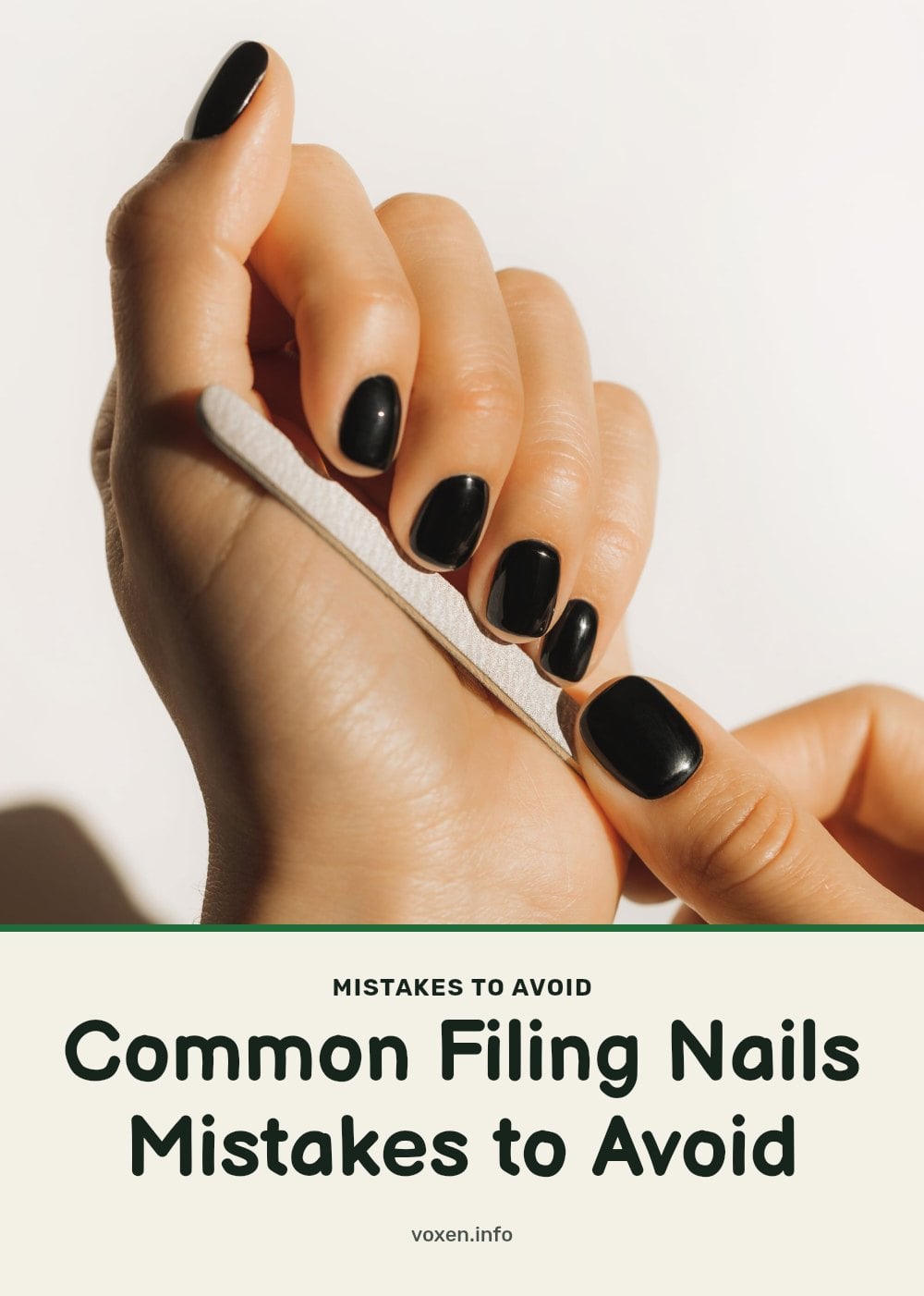
If you’ve ever filed your nails only to end up with splits and peeling, you’re not alone. The way you file makes a big difference in keeping your nails strong and healthy. This article covers the most common filing mistakes and how to avoid them, so you can get smooth, damage-free nails at home.
Key Takeaways
- Use a fine-grit file (240 grit or higher) on natural nails to prevent tearing.
- Always file in one direction, from the outer edge toward the center of the nail.
- File nails only when they are completely dry, at least 30 minutes after water contact.
- Avoid filing the sides too deeply to keep the nail structure strong.
- Stick to a weekly or bi-weekly filing routine for consistent nail strength.
Why Your Nails Split and Peel After Filing
If your nails split or peel after filing, the culprit is usually your technique. Sawing the file back and forth creates microscopic tears in the nail plate, which then lead to fraying and peeling. Using a coarse metal file is too harsh for natural nails and causes similar damage. Filing nails while they are wet makes them softer and more prone to tearing, and over-filing the sides weakens the nail structure at stress points.
Essential Tools for Healthy Nail Filing
To file nails without causing damage, start with the right tools.
- Fine-grit nail file: Choose 240 grit or higher for natural nails to prevent tearing.
- Cushioned or glass file: These are much gentler than harsh metal files.
- Nail buffer: Use it gently and only occasionally to smooth the surface without thinning the nail.
- Nail brush: Clean your file regularly to keep it effective and hygienic.
How to File Your Nails Correctly to Prevent Damage
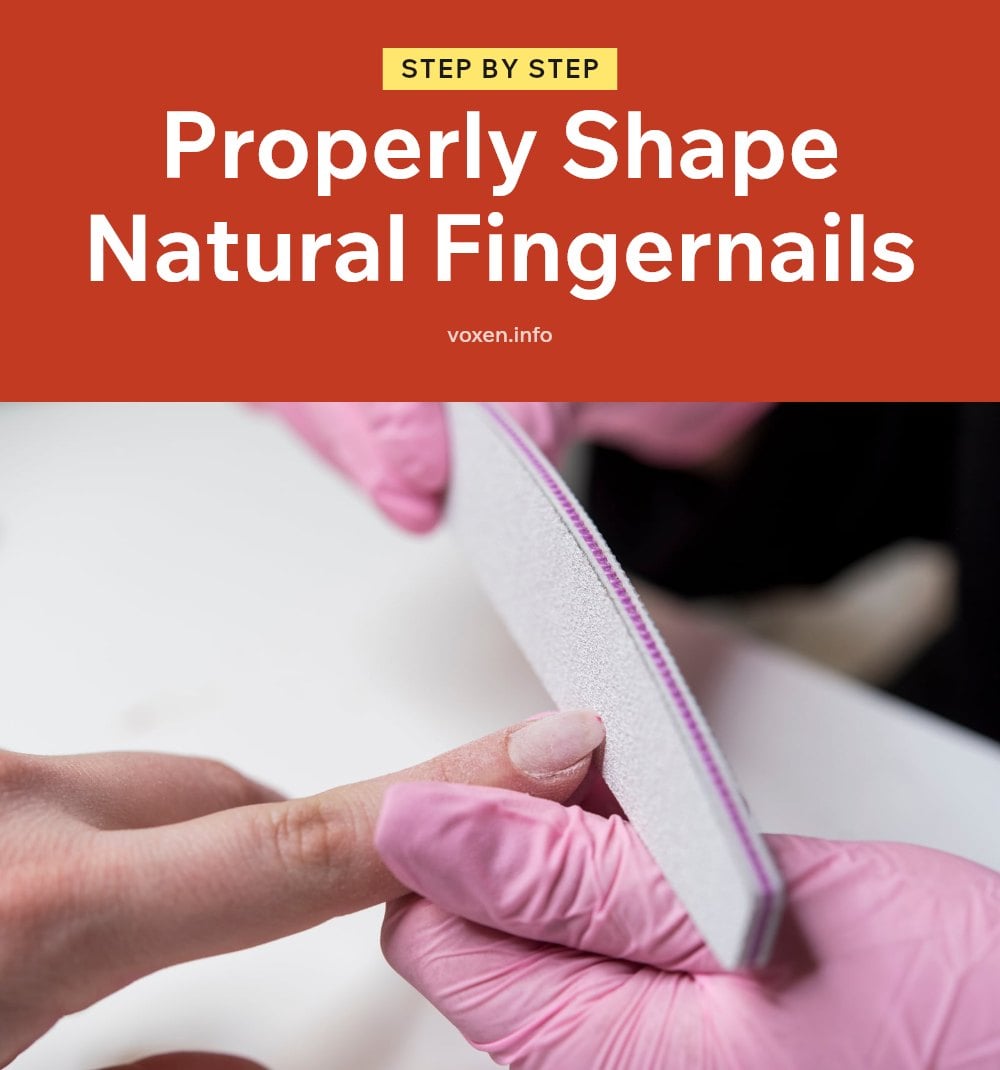
- Start with dry nails: Filing wet nails is a common mistake. Wet nails are softer and more likely to tear or peel. Make sure your nails have been dry for at least 30 minutes after any contact with water.
- Hold the file flat: Position the file parallel to the nail plate, not at an angle. Filing at an angle can thin the nail tip or create uneven edges that snag.
- File in one direction: Move the file from the outer edge of the nail toward the center in a single, smooth stroke. This seals the nail layers and prevents the fraying that happens with a back-and-forth sawing motion.
- Choose a supportive shape: For stronger nails, go with a squoval or round shape. These shapes have fewer sharp corners that catch on things and break. Pointed or almond shapes put more stress on the nail tip and sides.
- Stop when you reach the desired shape: Over-filing weakens the nail plate. Check the length and symmetry after a few strokes. If you need to remove more length, file a little at a time rather than aggressively shortening the nail all at once.
Common Nail Filing Mistakes to Avoid
Avoid these common mistakes to keep your nails healthy.
- Sawing Back and Forth: This creates microscopic tears. Always file in one direction from side to center.
- Using a Coarse File: Files below 240 grit are too harsh for natural nails and cause fraying. Stick to 240 grit or higher.
- Filing Wet Nails: Wet nails are softer and tear easily. Always file when nails are completely dry.
- Over-filing the Sides: This weakens the nail structure and leads to breakage at stress points.
- Ignoring Nail Shape and Strength: Choose squoval or round shapes for better strength, especially if your nails break easily.
- Using Dirty Files: Clean your file regularly to maintain its effectiveness and prevent bacteria buildup.
Pro Tips for Stronger, Healthier Nails

Regular Maintenance: File your nails about once a week or every two weeks to keep them at a consistent length and strength. Letting them grow too long before filing increases the risk of breakage.
Gentle Buffing: If you use a buffer, go lightly and only once every few weeks. Over-buffing thins the nail plate and makes it weaker.
Consider Glass Files: My tip: glass files are incredibly gentle on natural nails and can be easily sanitized. They also seal the edge better than other types, which helps prevent splitting.
Don’t Overdo Length: The strongest length for natural nails is usually just past your fingertip. Very long nails put extra stress on the nail plate and are more likely to snap.
When to Consult a Professional About Your Nails
If your nails keep splitting, peeling, or showing discoloration even after you switch to proper filing techniques, it’s time to see a dermatologist. Persistent issues can signal an underlying health problem.
Also consult a professional if you notice signs of infection around the nail bed, such as redness, swelling, or pain. These symptoms need medical attention and won’t resolve with filing alone.
Filing Frequency and Nail Care Timeline
Frequency: File your nails as needed, typically once a week or every two weeks, to maintain your desired length and shape. Regular, gentle sessions are better than waiting and filing aggressively.
Maintenance: Consistent care helps keep nails strong and prevents sudden breaks. A quick weekly touch-up is all it takes.
Cost: The essential tools are very affordable. A quality fine-grit or glass nail file costs just a few dollars, making proper nail care at home easy on your budget.
Frequently Asked Questions
What is the best nail shape for strength?
Square or squoval shapes are generally the strongest and least prone to breakage. Pointed or almond shapes put more stress on the sides, which can lead to splitting. Choose a shape that matches your nail strength and daily activities.
Why do my nails keep splitting even after filing?
If splitting persists despite proper technique, it could be due to an underlying health issue, like a vitamin deficiency or thyroid problem. It may also mean you are still filing too aggressively or using a file that is too coarse. Consult a dermatologist if the problem continues.
Can I use a nail file on wet nails?
No, you should always file nails when they are completely dry. Wet nails are softer and more likely to tear, which can lead to peeling and splits. Wait at least 30 minutes after washing or bathing before filing.
What is the best way to file nails to prevent splitting?
The best way is to file in one direction from the side to the center, using a fine-grit file (240 grit or higher). Hold the file flat against the nail and use gentle pressure. Avoid sawing back and forth, which causes microscopic tears.
Final Thoughts
My tip: make filing a gentle, regular habit rather than a rushed task. If you stick with a fine-grit file, dry nails, and one-direction strokes, you should see less splitting within a few weeks. Consistent care is the key to keeping your nails healthy and break-free.
This information is for general informational purposes only and does not constitute medical or professional advice. If you have persistent nail splitting, peeling, or other concerns, please consult a dermatologist or healthcare professional for personalized guidance.

