If your hair feels rough, looks dull, or breaks easily, you are dealing with damage to the outer cuticle layer. The good news is that with a consistent weekly plan focused on gentle cleansing, deep conditioning, and protective styling, you can restore softness, shine, and strength over time. This article covers the causes of damage, a step-by-step weekly routine, and the smart habits that make a real difference.

Key Takeaways
- Use a sulfate-free shampoo to avoid stripping natural oils from damaged hair.
- Apply a deep conditioning mask once a week to replenish moisture and smooth the cuticle.
- Limit protein treatments to every 2-4 weeks to prevent stiffness and breakage.
- Always use a heat protectant spray before any heat styling to reduce thermal damage.
- Trim split ends regularly to stop them from traveling further up the hair shaft.
How to Fix Damaged Hair and Restore Its Health
Damaged hair can be significantly improved with three focused steps: gentle cleansing, deep conditioning, and protective styling. A consistent weekly routine replenishes moisture, strengthens strands, and prevents further damage. Start with a sulfate-free shampoo to avoid stripping natural oils, then follow with a rich conditioner or weekly mask. Limit heat styling and always use a heat protectant when you do. While true repair means improving appearance and feel, consistent care promotes healthier growth over time. Expect visible changes in texture and shine within 4-8 weeks of sticking to your plan.
Why Your Hair Gets Damaged: Understanding the Causes
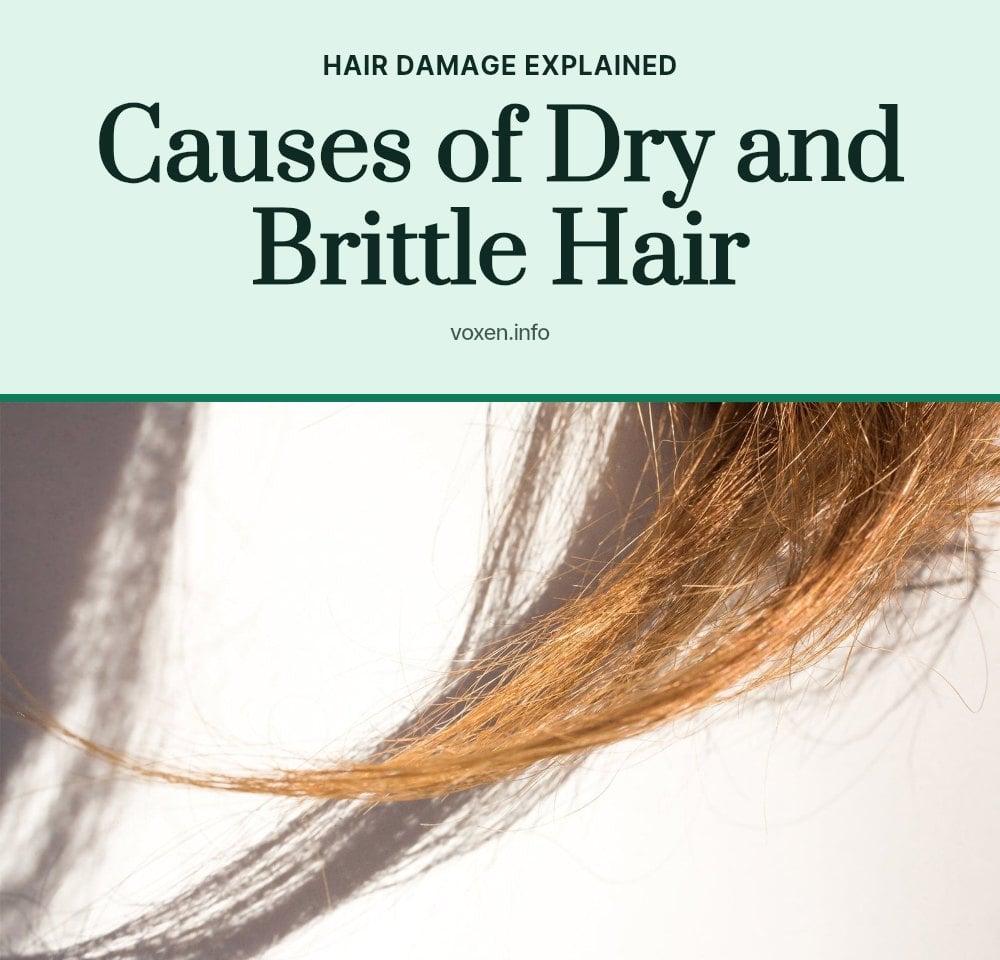
Why Your Hair Gets Damaged: Understanding the Causes
Hair damage starts when the outer cuticle layer lifts or breaks. This exposes the inner cortex, which leads to moisture loss and protein degradation. Hair is primarily made of keratin, a protein, and damage depletes these protein bonds over time.
Common culprits include excessive heat styling with flat irons, curling irons, and blow dryers. Chemical treatments like coloring, perms, and relaxers also break down the hair structure. UV radiation from the sun, harsh brushing, and environmental pollution add further stress.
How do you know if your hair is damaged? Look for signs like frizz, split ends, breakage, dullness, dryness, and a rough texture. These all point to a compromised hair structure that needs gentler care and targeted treatments to restore softness and strength.
Your Essential Toolkit for Damaged Hair Recovery
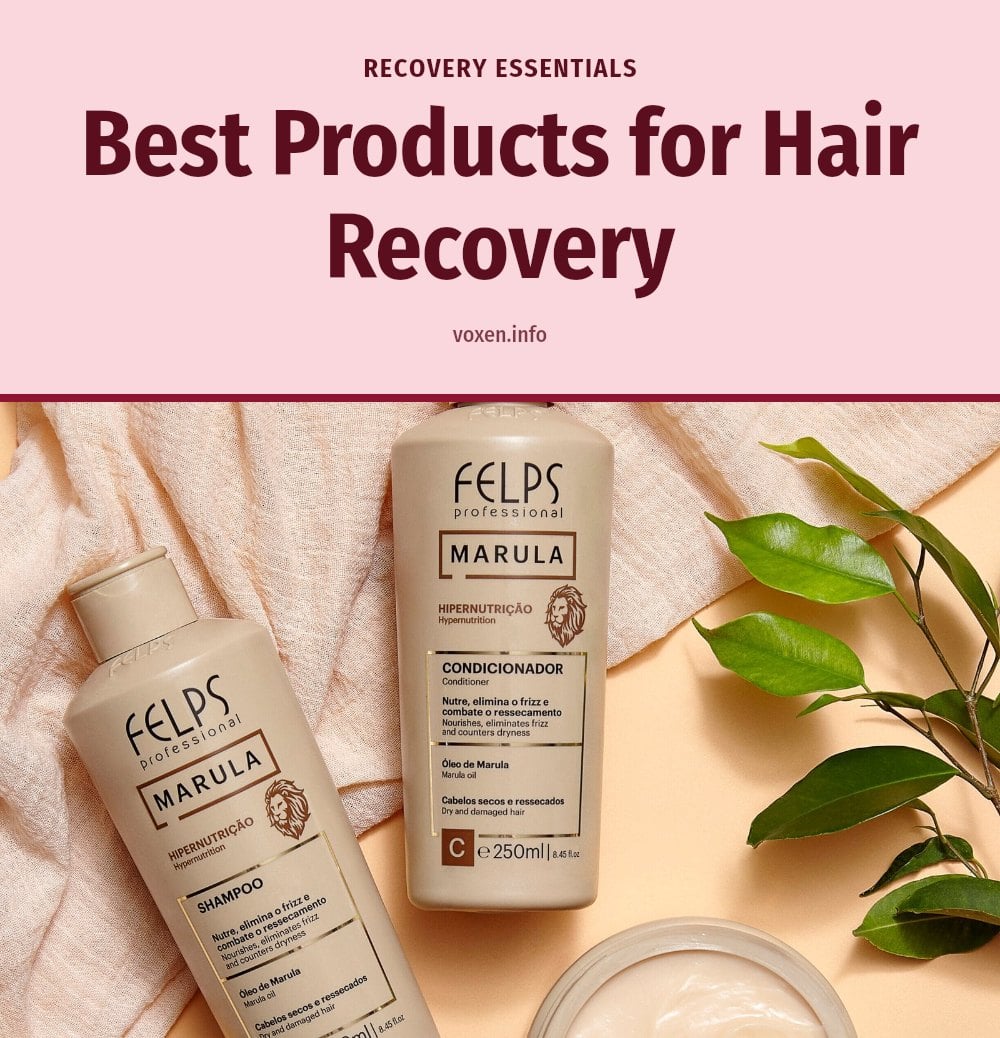
Your Essential Toolkit for Damaged Hair Recovery
- Sulfate-free shampoo: Cleanses without stripping natural oils.
- Deep conditioner: Replenishes moisture and smooths the cuticle.
- Leave-in conditioner or hair oil: Provides ongoing hydration and protection.
- Heat protectant spray: Creates a barrier against thermal damage.
- Wide-tooth comb: For gentle detangling of wet hair.
- Microfiber towel or old cotton t-shirt: Reduces friction during drying.
- Silk or satin pillowcase: Minimizes breakage while sleeping.
- Hair mask (moisturizing or protein-based): Targeted treatments for specific needs.
Your Weekly Hair Repair Plan for Softer, Stronger Hair
This weekly plan is built around gentle, consistent care. Adjust the frequency of washing and treatments based on your hair’s specific needs and porosity. Consistency over 4-8 weeks is what delivers visible results, not a single intensive session.
| Day | Action | Why It Helps |
|---|---|---|
| Monday | Gentle wash with sulfate-free shampoo and deep conditioner | Removes buildup without stripping oils; replenishes moisture |
| Tuesday | Apply leave-in conditioner to damp hair; air dry or low heat | Ongoing hydration; reduces thermal stress |
| Wednesday | Use a moisturizing hair mask (leave on 10-15 minutes) | Intensive moisture boost for the cuticle |
| Thursday | Light mist of water and a few drops of hair oil on ends | Seals moisture and adds softness without greasiness |
| Friday | Protein treatment (if hair feels stretchy or weak) | Temporarily fills gaps in the cuticle for strength |
| Saturday | Protective style (loose braid or bun); no heat | Prevents mechanical damage and gives hair a rest |
| Sunday | Co-wash or skip wash; apply a light leave-in spray | Maintains moisture balance; avoids over-washing |
If your hair feels stiff after a protein treatment, skip it for 2-3 weeks and focus on moisturizing masks instead. For low-porosity hair, apply treatments to damp, warm hair and rinse with cool water to help absorption. For high-porosity hair, a leave-in conditioner with humectants can lock in extra hydration. Stick with this routine for 4-8 weeks to see softer, stronger hair.
Smart Habits to Protect and Nourish Damaged Hair
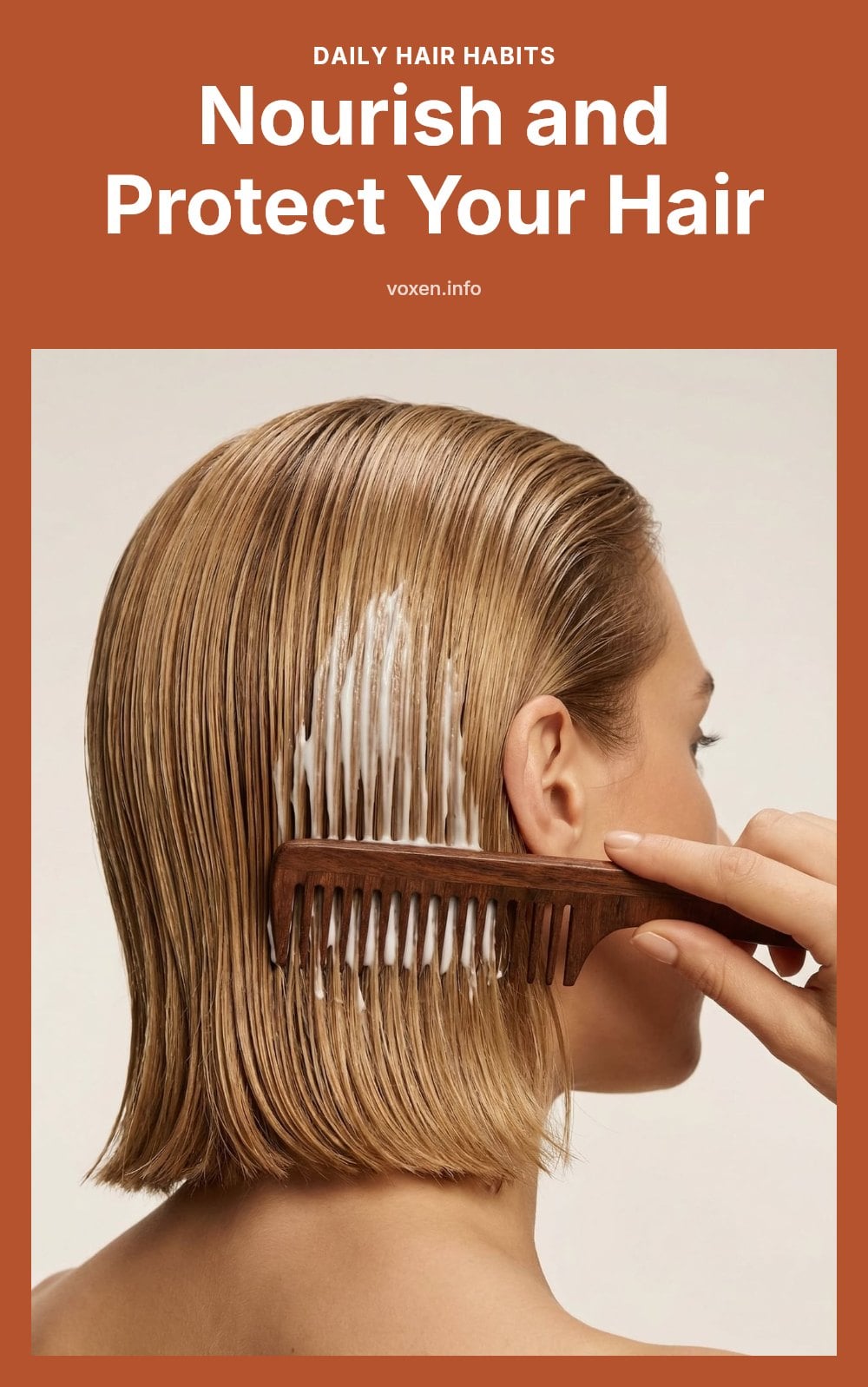
Cool Water Rinse: After conditioning, rinse your hair with cool water for a few seconds. This helps seal the cuticle, which locks in moisture and adds shine.
Gentle Detangling: Always use a wide-tooth comb on wet hair. Start at the ends and work your way up to avoid snapping fragile strands.
Sun Protection: UV rays weaken the hair structure. Wear a hat or apply a UV-protective spray before spending time outdoors.
Regular Trims: Split ends can travel up the hair shaft and cause more breakage. Get a trim every 6-8 weeks to keep them in check.
Silk Pillowcase: Cotton pillowcases create friction that leads to breakage. Sleeping on a silk or satin version reduces friction and helps your hair stay smooth overnight.
Common Mistakes That Worsen Damaged Hair
Believing split ends can be repaired: No product can fuse split ends back together. The only effective solution is a trim to remove them and prevent further splitting.
Over-using protein treatments: Protein can temporarily strengthen hair, but too much makes it stiff and brittle. Stick to a protein mask every 2-4 weeks and watch for signs of stiffness.
Skipping heat protectant: Heat styling without a protectant leaves the cuticle exposed to temperatures that cause moisture loss and breakage. Always spray on a heat protectant before using any hot tool.
Aggressive towel drying: Rubbing wet hair with a towel creates friction that lifts the cuticle and causes breakage. Instead, gently squeeze out excess water with a microfiber towel or an old cotton t-shirt.
Washing too frequently with harsh shampoos: Sulfates strip natural oils, leaving damaged hair even drier and more vulnerable. Use a sulfate-free shampoo and wash only when your hair truly needs it.
When to Seek Professional Help for Hair Damage
If you notice severe hair loss or persistent scalp irritation, see a dermatologist. These symptoms can indicate an underlying condition that needs medical attention.
For significant chemical damage or breakage that doesn’t improve with consistent home care, a professional stylist can offer specialized treatments like bond-repair services or tailored advice.
Caution: Before applying any new chemical treatment or dye at home, always do a patch test on a small area of skin to check for allergic reactions.
Frequently Asked Questions
Can damaged hair ever be fully repaired?
No, once the hair fiber is damaged, it cannot be fully restored to its original state. However, with consistent care like deep conditioning, protein treatments, and trims, you can significantly improve its appearance, strength, and feel.
How often should I use a protein treatment?
If your hair feels overly stretchy or weak, a protein treatment every 2-4 weeks can help temporarily strengthen strands. Overusing protein can make hair stiff and brittle, so stick to that frequency and watch for signs of stiffness.
Is air drying always better for damaged hair?
Air drying is generally gentler than heat styling, but it is not always better for everyone. If your hair takes hours to dry, it can stay wet too long and weaken the strands. In that case, using the lowest heat setting on a blow dryer with a heat protectant is a safer option.
What’s the best way to detangle wet, damaged hair?
Use a wide-tooth comb and start detangling from the ends, working your way up to the roots. Never brush wet hair aggressively, as it is more fragile when wet and prone to breakage.
Do split ends really travel up the hair shaft?
Yes, split ends can travel further up the hair shaft, causing more breakage and damage over time. The only way to stop them is to get a trim to remove the split end entirely.
Final Thoughts
Stick with this gentle routine for at least 4-8 weeks to see noticeable improvement in texture and appearance. Realistically, damaged hair cannot be fully repaired, but consistent care will make it look and feel healthier. My tip: be patient and protective, and your strands will reward you with more softness and shine.
This information is for general informational purposes only and does not constitute medical or professional advice. If you experience severe hair loss, persistent scalp irritation, or significant damage that does not improve with home care, consult a dermatologist or a licensed stylist for personalized guidance.

