If you’ve ever made flaxseed gel only to end up with white flakes in your hair or a slimy mess in the bowl, you’re not alone. These common issues usually come down to a few simple missteps in how you cook, strain, or apply the gel. This article walks you through the most likely causes and shows you exactly how to fix them, so you can get that smooth, flake-free hold your curls deserve.
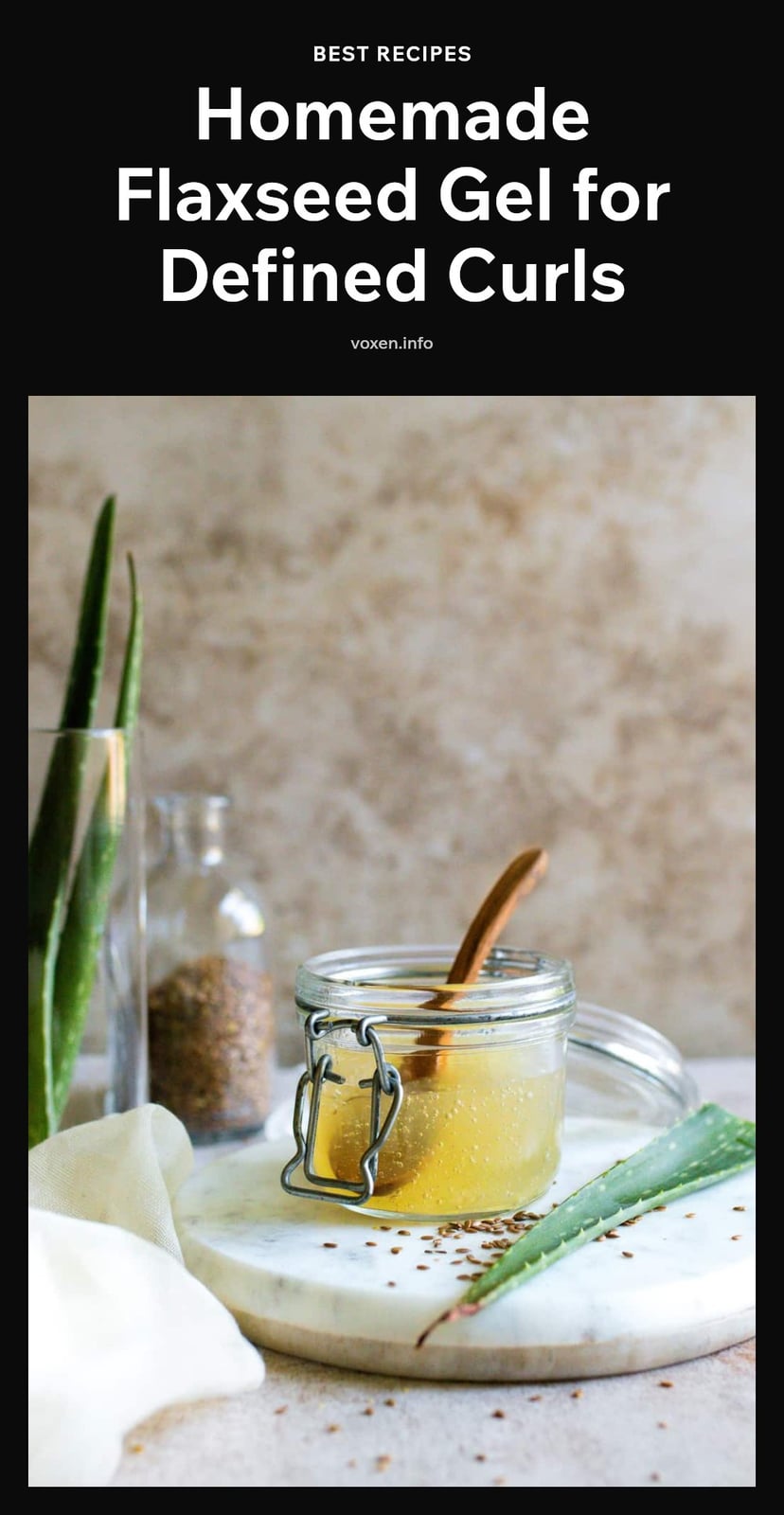
Key Takeaways
- Strain the gel while it’s still warm using a fine-mesh sieve, cheesecloth, or nylon stocking.
- Use a ratio of 1 part flaxseeds to 4-8 parts water for the right consistency.
- Simmer for 5-10 minutes until the liquid coats the back of a spoon, then stop.
- Apply gel to clean, damp hair in small sections to avoid buildup and flakes.
- Store in an airtight container in the refrigerator and use within 1-2 weeks.
Why Your Flaxseed Gel Might Be Flaky or Slimy
White flakes usually mean the gel wasn’t strained well, you used too much, or your hair wasn’t clean and damp. Slimy or overly thick gel points to cooking time or the water-to-seed ratio. The good news: adjusting how you prepare, apply, and store the gel fixes all of these issues.
Understanding the Causes of Flaxseed Gel Problems
Why Flakes and Sliminess Happen
Flaxseed gel’s texture comes from mucilage, a gel-forming fiber that’s sensitive to heat and water. Overcooking breaks it down into a thick, gummy mess that’s hard to strain and leaves residue. Undercooking gives you a thin, watery gel that won’t hold curls and spoils faster.
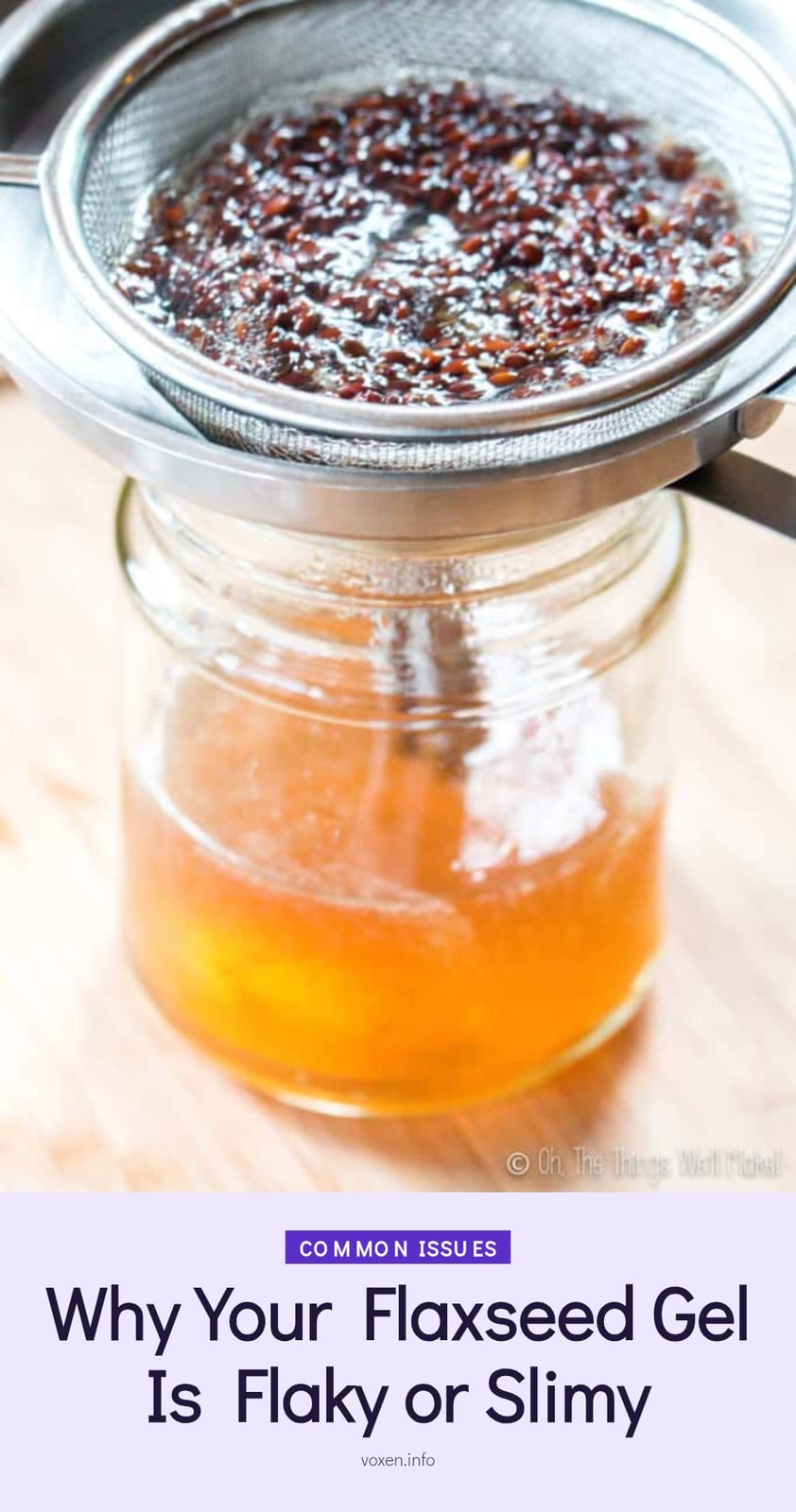
Improper straining is the top cause of white flakes. Tiny seed particles slip through a regular sieve and end up in your hair. Even with perfect straining, applying too much gel or layering it over product buildup creates flakes as it dries.
Sliminess can come from undercooking or too much water, which leaves the gel watery and slippery. Overcooking, on the other hand, creates a thick, gummy texture, not sliminess. Adjust the simmer time and water ratio to get a smooth, non-slimy gel.
Essential Tools and Ingredients for Perfect Flaxseed Gel
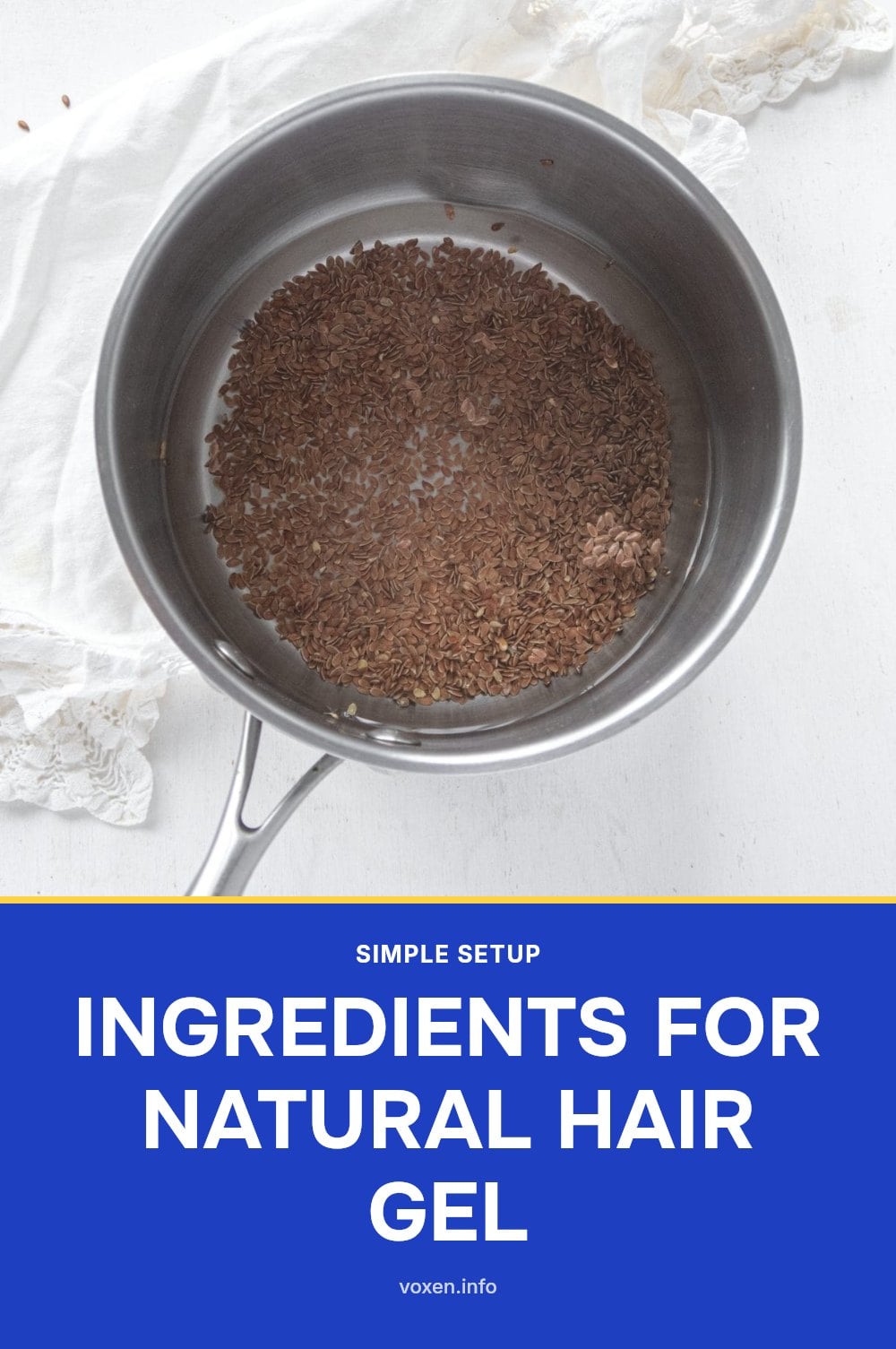
You don’t need fancy equipment, but each tool matters for a smooth gel.
- Whole flaxseeds: The core ingredient, packed with mucilage.
- Water: Extracts the gel when simmered with seeds.
- Saucepan: For even stovetop cooking.
- Fine-mesh sieve, cheesecloth, or nylon stocking: Crucial for catching every seed particle.
- Airtight container: Keeps gel fresh in the fridge.
- Spoon or whisk: For stirring and testing consistency.
Step-by-Step: Making and Applying Flaxseed Gel for Best Results
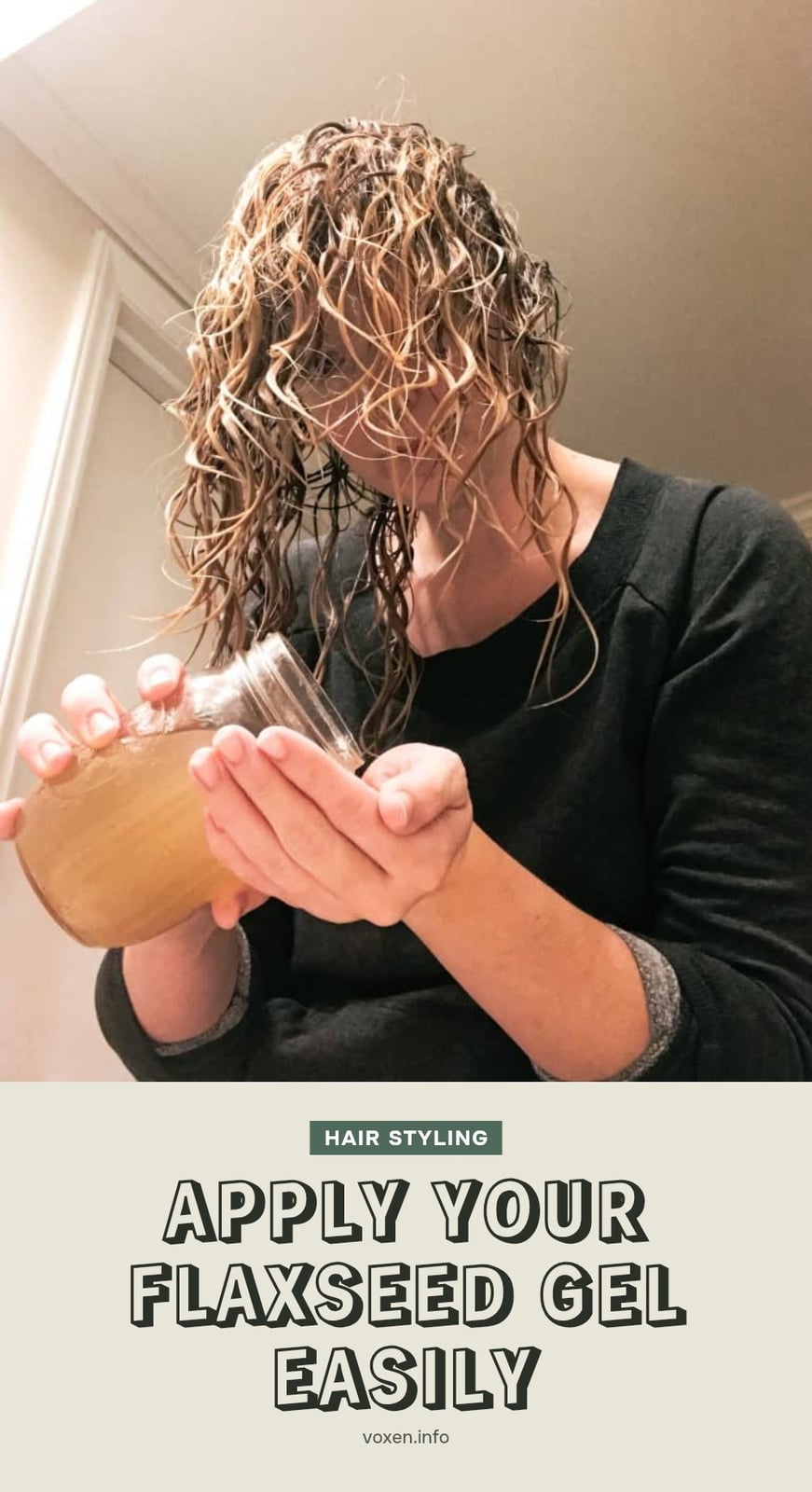
Making and applying flaxseed gel correctly takes about 15 minutes. Here’s how to get a smooth, flake-free result.
- Combine seeds and water: Put 1/4 cup whole flaxseeds and 2 cups water in a saucepan.
- Simmer and stir: Cook for 5-10 minutes, stirring occasionally, until the liquid coats the back of a spoon.
- Strain while warm: Immediately pour through a fine-mesh sieve or nylon stocking. Warm gel strains easily; cooled gel turns thick and clogs the mesh.
- Cool completely: Let the gel reach room temperature before transferring to an airtight container. Hot gel can create condensation and spoil faster.
- Apply to damp hair: Section your hair and use a small amount on clean, damp strands. Start with a pea-sized dab per section.
- Distribute and style: Run your fingers through to spread evenly, then scrunch or twist curls as usual.
Solving Common Flaxseed Gel Problems
| Problem | Cause | Fix |
|---|---|---|
| Too thin | Undercooked or too much water | Simmer a few more minutes next time until it coats a spoon. |
| Too thick or gummy | Overcooked | Reduce simmer time or whisk in a tiny bit of water. |
| White flakes | Poor straining, too much gel, or unclean dry hair | Strain better, use less, and apply to clean damp hair. |
| Slimy texture | Too much water or undercooked | Use a proper ratio and simmer until it coats a spoon. |
Common Mistakes to Avoid When Using Flaxseed Gel
Not straining properly: Always use a fine-mesh sieve, cheesecloth, or nylon stocking while the gel is warm. Seed particles left in cause flakes.
Using too much product: Start with a pea-sized amount and add more only if needed. Too much leads to buildup and flaking.
Applying to dry hair: Always apply to clean, damp hair for better absorption and to prevent residue. Dry hair won’t absorb the gel evenly.
Overcooking the gel: This makes it too thick and difficult to work with. Aim for a consistency that coats a spoon, then stop.
Ignoring spoilage signs: Discard gel immediately if it smells off or shows mold. Spoiled gel can irritate your scalp.
Tips for Preventing Future Flaxseed Gel Issues
Get consistent results every time with these proactive steps.
- Use the right ratio: Stick to 1 part flaxseeds to 4-8 parts water for the perfect thickness.
- Watch the consistency: Simmer until the liquid coats the back of a spoon, then stop.
- Strain while warm: Do this immediately after cooking for the smoothest gel with no seed particles.
- Store properly: Keep in an airtight container in the refrigerator for up to 1-2 weeks.
- Extend shelf life: Add a few drops of vitamin E oil as a natural preservative.
- Patch test first: Apply a small amount to your skin before full use, especially if you have sensitivities.
Frequently Asked Questions
Can I use ground flaxseeds for gel?
You can, but it’s trickier. Ground flaxseeds release mucilage much faster and can create a very thick, slimy gel that’s hard to strain. If you try it, use less seed and a finer strainer, like a nut milk bag, to catch the tiny particles that can cause flakes.
How do I make my flaxseed gel last longer?
Store it in an airtight container in the refrigerator, and it should stay good for 1-2 weeks. To extend that a little, you can add a few drops of vitamin E oil or an essential oil like rosemary or tea tree, which act as natural preservatives. Discard the gel if it smells off or shows mold.
What if my gel is too crunchy?
Crunchiness usually means you used too much gel or applied it to hair that was too dry. Try using a smaller amount on damp hair and distributing it evenly. You can also add a few drops of a light carrier oil, like jojoba or argan, to the gel before applying to soften the hold.
Can flaxseed gel cause hair loss?
There’s no evidence that flaxseed gel itself causes hair loss. However, if you leave it on too long or don’t wash it out properly, buildup can clog follicles and potentially contribute to shedding. Also, if you have a scalp sensitivity, the gel could cause irritation that leads to temporary hair loss. Always do a patch test first.
Final Thoughts
For the most reliable results, stick with a 1:4 to 1:8 seed-to-water ratio and always strain while the gel is warm. Expect your batch to last about 1-2 weeks in the fridge, so make small amounts to keep it fresh. Once you get the cooking and straining down, you’ll have a smooth, natural gel that works without the flakes.
This article is for informational purposes only and is not a substitute for professional medical or hair care advice. If you have a persistent scalp issue, allergic reaction, or unusual hair loss, please consult a dermatologist or healthcare provider.

