Summer means sandal season, and that puts your feet on display. But healthy, sandal-ready feet are about more than just looks. Dry heels, calluses, and sunburn can sneak up fast. This article covers a complete foot care routine for summer, from daily cleansing and moisturizing to exfoliation and sun protection, so you can keep your feet comfortable and healthy all season long.
My tip: start with the basics and stay consistent. A few minutes a day can make a big difference.
Key Takeaways
- Moisturize your feet daily, focusing on heels and soles, to prevent cracking.
- Exfoliate once or twice a week with a scrub, pumice stone, or foot file.
- Trim toenails straight across to avoid ingrown nails.
- Apply sunscreen to the tops of your feet when wearing sandals.
- Choose well-fitting, breathable sandals to reduce friction and moisture.
Your Essential Summer Foot Care Routine
Summer foot care is your ticket to healthy, comfortable feet that look great in sandals. It centers on a few simple habits: daily cleansing, regular moisturizing, weekly exfoliation, and protection from both the sun and friction. Staying proactive with these steps helps you sidestep common issues like dryness, calluses, and cracked heels, so your feet are truly sandal-ready all season long.
1. Daily Cleansing and Drying

Start every day by washing your feet with mild soap and warm water, giving extra attention to the spaces between your toes where sweat and bacteria hide. After rinsing, dry your feet thoroughly, especially between those toes, to cut down on moisture that can lead to fungal growth and odor. This quick routine is your first and most effective defense against many common foot problems.
2. Moisturize Daily for Softness

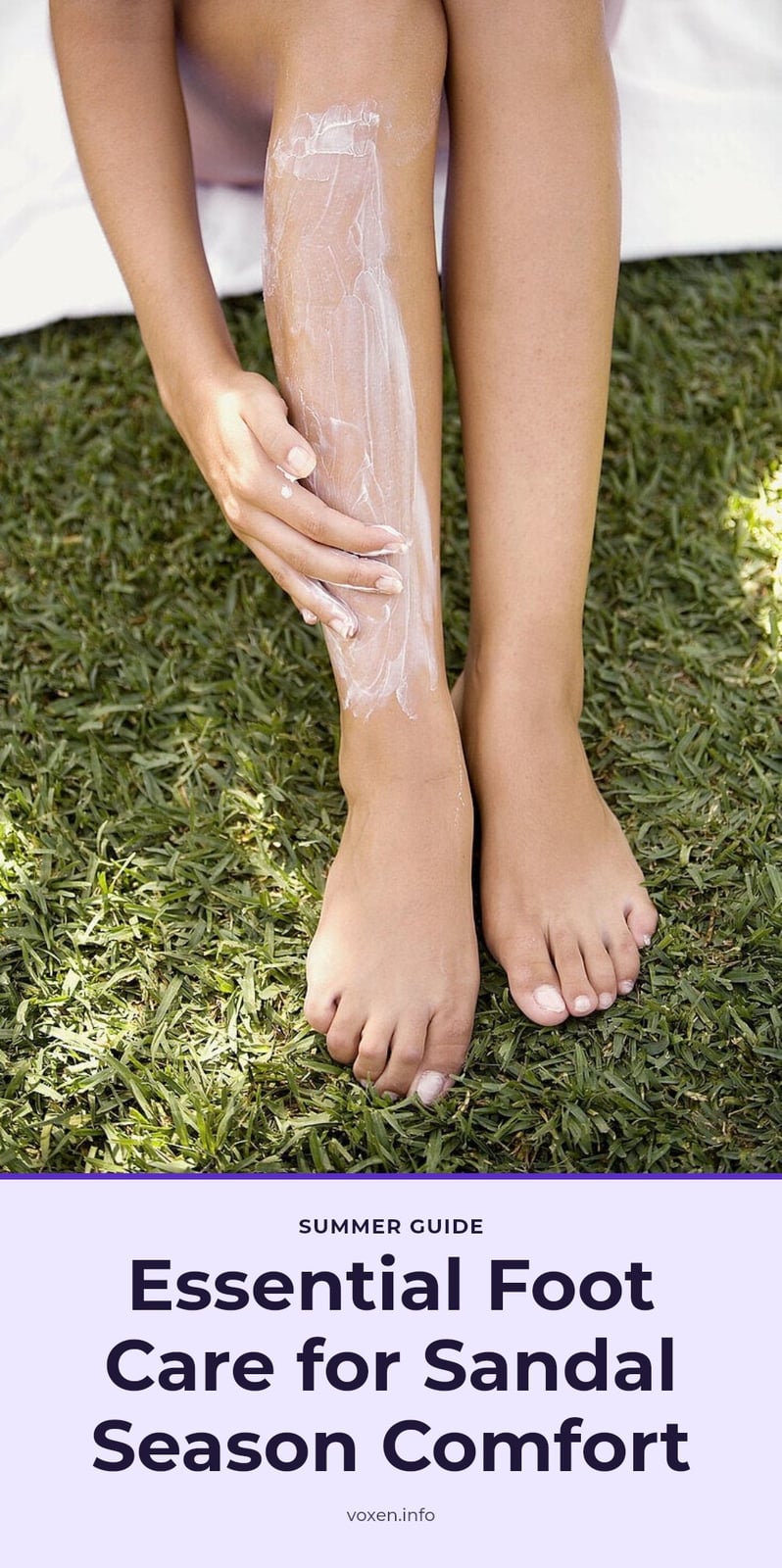
Apply a rich foot cream every day, ideally right after your shower while your skin is still slightly damp. Focus the product on your heels and soles, where the skin is thickest and most prone to dryness and cracking. Look for moisturizers containing urea or lactic acid. These ingredients help maintain elasticity and actively prevent cracks from forming.
3. Exfoliate Regularly

Exfoliate your feet once or twice a week to slough off dead skin cells and keep hard skin and calluses from building up. You can use a foot scrub or exfoliating cream, or gently work a pumice stone or foot file over damp skin. Consistent exfoliation leaves your feet smooth and helps moisturizers penetrate more effectively.
4. Trim Nails Correctly
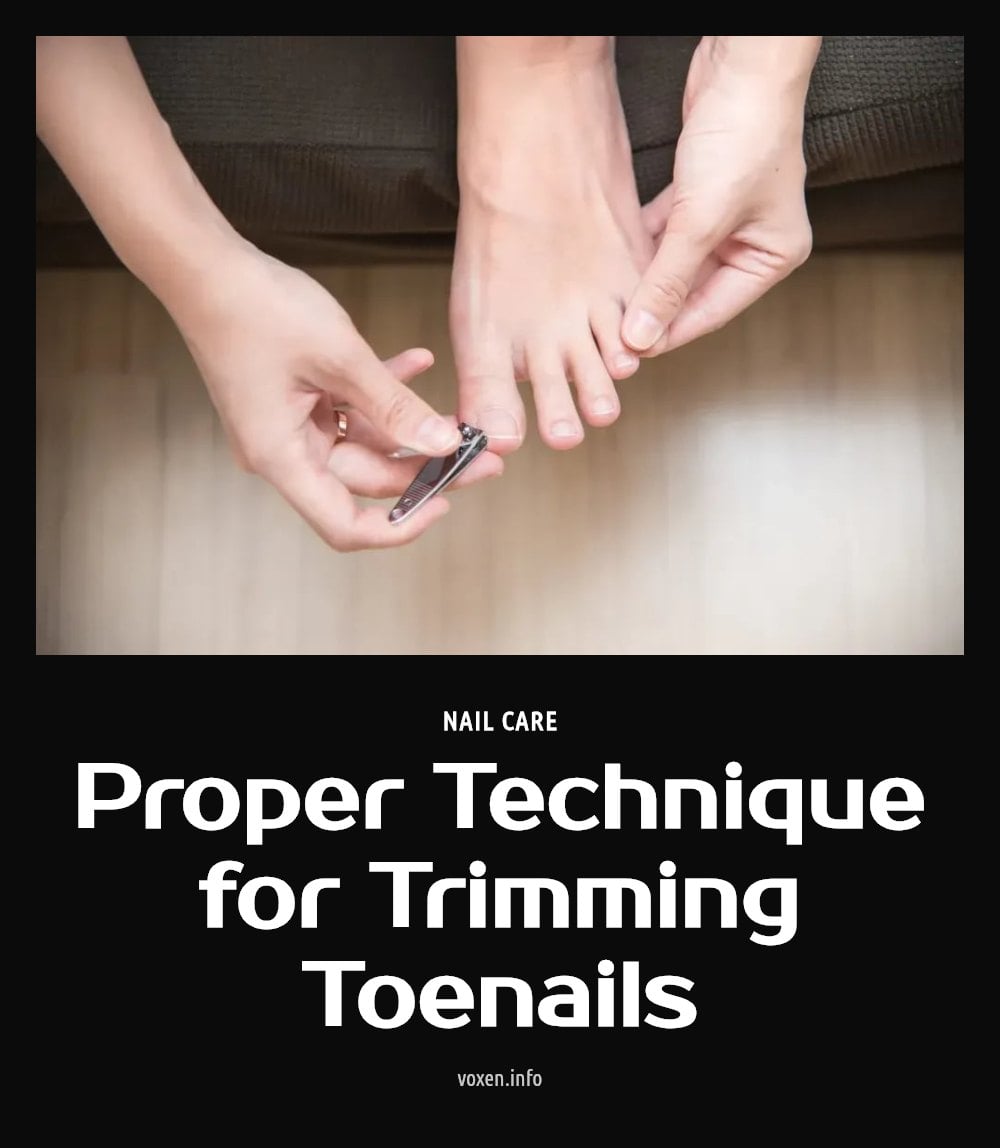
Trim your toenails straight across with clean, sharp toenail clippers. Cutting straight across keeps the corners flat so the nail grows forward instead of curving into the skin. Avoid cutting them too short or rounding the corners, both mistakes encourage ingrown toenails by letting the skin push up against the nail edge. A nail file can smooth any rough edges afterward.
5. Protect from the Sun
Apply sunscreen to the tops of your feet whenever you wear sandals or open-toed shoes. The skin there gets just as much sun exposure as your face and chest, yet it is often skipped. Sunburn on feet is painful and heals slowly, and repeated damage can lead to premature aging and skin issues. A broad-spectrum SPF 30 or higher works well.
6. Choose Breathable Footwear
Choose sandals that fit well and provide real support, not just a flat sole. Breathable footwear reduces the moisture that feeds fungal infections, so look for materials like leather or canvas that let air circulate. Avoid any strap or edge that rubs, blisters, or pinches, friction from ill-fitting sandals is a direct cause of corns and painful calluses.
7. Soak for Relaxation and Softness
Soak your feet in warm water with Epsom salts every so often to soften the skin and relax tired muscles. A 10- to 15-minute soak also reduces mild swelling and preps your feet for exfoliation or a gentle scrub. My tip: do this at the end of the day so your feet can rest and absorb the moisture before you moisturize.
8. Hydrate from Within
Drinking enough water throughout the day supports the health of your skin everywhere, including on your feet. Internal hydration helps maintain skin elasticity, which can prevent dryness and cracking from the inside out. Aim for your usual daily water intake, and your feet will stay more supple and less prone to rough patches.
9. Inspect Your Feet Regularly
Make it a habit to inspect your feet regularly for cuts, blisters, redness, swelling, or any changes in skin or nails. Early detection of problems can prevent them from becoming more serious. This is especially important if you have diabetes or poor circulation, as minor issues can escalate quickly. Check your feet once a day, ideally after your shower.
10. Gentle Cuticle Care
Instead of cutting your cuticles, gently push them back after showering when they are soft and pliable. Aggressive cutting can damage the nail bed and lead to infection. A gentle approach keeps your nail area neat and healthy without the risk of injury.
11. Air Out Your Feet
Allow your feet to air out after wearing closed shoes or even after prolonged sandal use. This helps prevent moisture buildup, which can lead to odor and fungal growth. A simple way to do this is to go barefoot at home for a short while each day, giving your feet a break from enclosed environments.
When to Seek Professional Help
If you have diabetes, nerve damage, or poor circulation, consult a doctor or podiatrist before starting any foot care routine. Minor issues like a small blister or dry crack can become serious without professional oversight. Seek medical help for persistent pain, deep cracks that don’t heal, ingrown toenails, or any signs of infection such as redness, swelling, or discharge.
Caution: Stop using any product that causes irritation, redness, or an allergic reaction. If symptoms persist, see a professional. Never try to remove deep calluses or corns yourself with sharp objects like razors or scissors. This can cause injury, bleeding, or infection that requires medical treatment.
Frequently Asked Questions
Can I use regular body lotion on my feet?
You can, but a dedicated foot cream is usually more effective. The skin on your feet is thicker and prone to dryness, so foot creams often contain ingredients like urea or lactic acid that provide deeper moisturizing and help soften hard skin. Body lotion may not be rich enough for your heels and soles.
What causes cracked heels in summer?
Cracked heels in summer are often caused by dryness and the increased pressure from walking barefoot or wearing open-backed sandals. The thick skin on your heels loses moisture, and the repeated impact can cause it to split. Daily moisturizing and avoiding prolonged barefoot walking can help prevent this.
Is it bad to wear sandals all the time?
Wearing sandals all the time can be problematic if they lack support or cause friction. Flat sandals with no arch support can lead to foot pain, and straps that rub can cause blisters. Choose sandals with good support and a comfortable fit, and give your feet a break by alternating with supportive shoes when needed.
How can I prevent foot odor in sandals?
Foot odor in sandals is often due to sweat and bacteria. Wash your feet daily with mild soap, dry thoroughly between your toes, and allow your feet to air out when you’re home. Choose sandals made from breathable materials like leather or canvas, and avoid wearing the same pair every day so they can dry completely.
How do I get rid of cracked heels for summer?
To treat cracked heels, start with daily moisturizing using a rich foot cream, especially after bathing. Exfoliate once or twice a week with a pumice stone or foot file on damp skin to remove dead skin. For deep cracks, consider a foot soak with Epsom salts to soften the skin before exfoliating. If cracks are deep, painful, or show signs of infection, see a podiatrist.
Final Thoughts
For healthy, sandal-ready feet, stick with a simple routine: wash daily, moisturize every day, exfoliate weekly, and always protect your feet from the sun. Don’t forget to inspect your feet regularly for any changes. With consistent care, you can avoid most common foot problems and keep your feet feeling good. Start today, and your feet will thank you.
This article is for general informational purposes only and does not constitute medical advice. Foot care routines may not be suitable for everyone, especially those with diabetes, nerve damage, or circulation issues. Always consult a doctor or podiatrist for persistent pain, deep cracks, or signs of infection.

