After a long day on your feet, nothing beats the simple relief of a warm foot soak. Whether your feet feel tired, achy, or just need some pampering, an Epsom salt soak can help relax muscles, reduce minor swelling, and soften rough skin. In this article, I’ll share the classic recipe, easy variations, and tips to get the most out of your soak.
Key Takeaways
- Use 1/2 to 1 cup of Epsom salt per gallon of warm water (98-104°F).
- Soak for 20 to 30 minutes, 2 to 3 times per week as needed.
- Always dilute essential oils in a carrier oil before adding to the water.
- Pat feet dry completely after soaking, then apply moisturizer.
- Consult a doctor if you have diabetes, poor circulation, or open wounds.
Why an Epsom Salt Foot Soak Works Wonders for Tired Feet
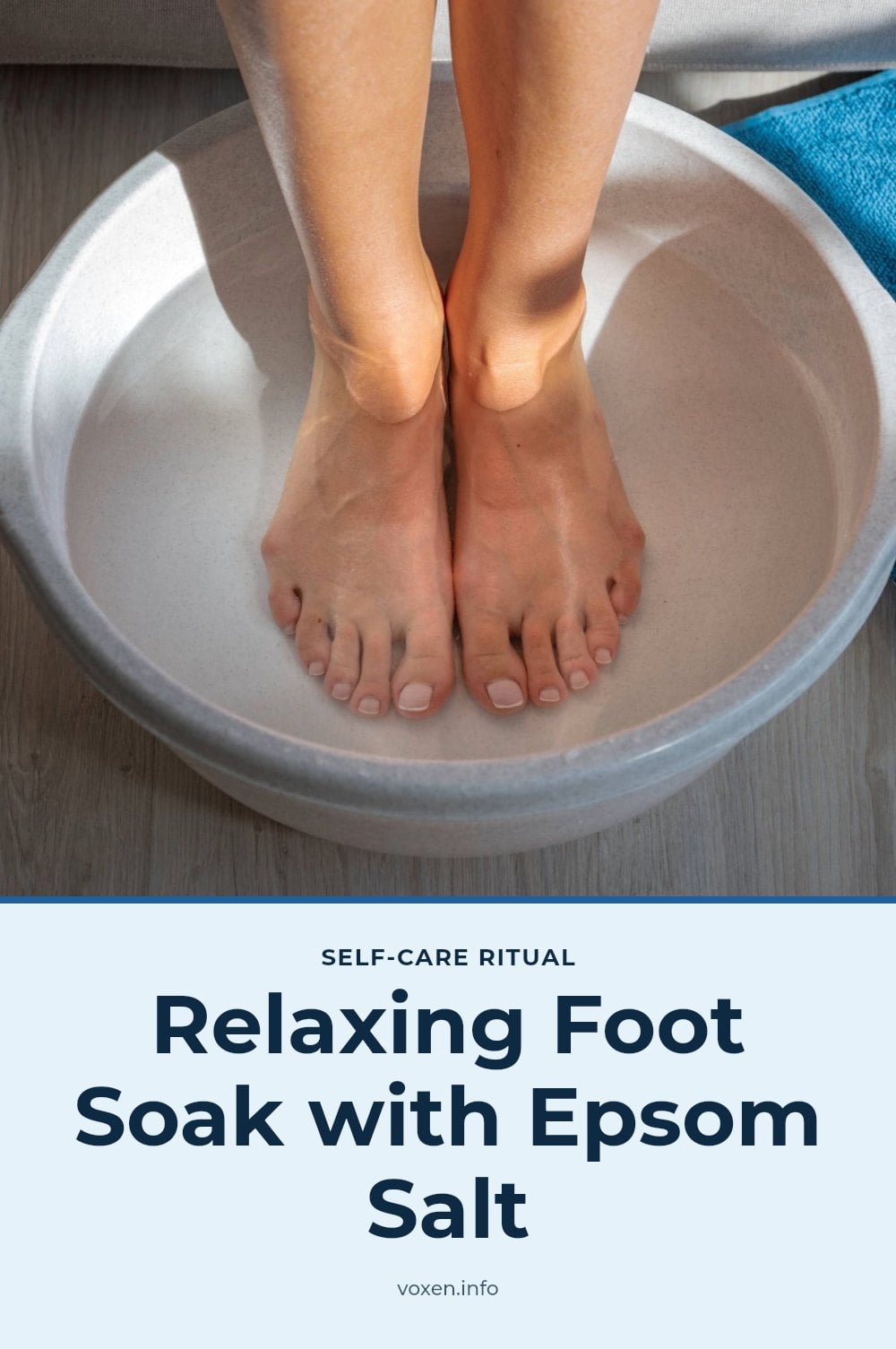
An Epsom salt foot soak is one of the simplest ways to soothe tired, achy feet after a long day. The warm water combined with Epsom salt (magnesium sulfate) helps relax muscles, reduce minor swelling, and soften rough skin. Scientific evidence on how much magnesium actually absorbs through the skin is limited, but many people find real relief and comfort from this easy self-care ritual. It’s accessible, affordable, and genuinely relaxing.
Classic Epsom Salt Foot Soak Recipe
Here’s the basic formula I always come back to:
- Epsom salt: 1/2 to 1 cup per gallon of warm water.
- Water temperature: Comfortably warm, between 98-104°F (37-40°C). Test with your wrist before stepping in.
- Carrier oil (if using essential oils): Mix a few drops of essential oil into 1 tablespoon of jojoba or almond oil first, then add to the water. This protects your skin from irritation.
Stir until the salt is fully dissolved, then soak.
How to Give Your Feet the Perfect Soaking Treatment

- Choose your basin: Pick a clean basin or foot spa large enough for both feet to rest comfortably without crowding.
- Fill with warm water: Run warm water and check the temperature carefully. It should feel comfortably warm, not hot. If you have reduced sensation in your feet, use a thermometer to stay between 98-104°F (37-40°C).
- Add and dissolve Epsom salt: Pour in 1/2 to 1 cup of Epsom salt per gallon of water. Stir thoroughly until every grain is dissolved, undissolved salt can irritate your skin.
- Soak and relax: Gently place your feet into the water and settle in for 20-30 minutes. Set a timer so you don’t overdo it; longer soaks can dry out your skin.
- Dry and moisturize: Remove your feet and pat them completely dry, especially between the toes. Follow immediately with a rich moisturizer or foot cream to lock in hydration.
Best Tips for an Even Better Foot Soak Experience

- Set the mood: Dim the lights, put on calming music, or light a candle. A relaxing environment makes the soak feel like a mini spa session.
- Add a carrier oil: Always dilute essential oils in a carrier oil like jojoba or almond oil before adding them to the water. This prevents skin sensitivity and adds extra moisture.
- Post-soak pampering: After patting your feet dry, gently file calluses or trim toenails while the skin is still soft. Then apply a rich foot cream or lotion to seal in moisture.
- Stay hydrated: Keep a glass of water nearby to sip on during your soak, especially if you plan to sit for the full 30 minutes.
Wonderful Variations for Your Foot Soak

Once you have the classic soak down, it’s fun to customize it for different needs. Here are my favorite variations:
Essential Oil Boost
Add a few drops of lavender oil for relaxation, peppermint for an invigorating tingle, or tea tree oil for its purported antifungal properties. Always mix essential oils with a carrier oil first to protect your skin.
Odor-Fighting and Softening
Baking soda is a great addition if you want to neutralize foot odors and soften skin further. Just stir in 2 to 3 tablespoons along with your Epsom salt.
Apple Cider Vinegar for Added Benefits
Some people add apple cider vinegar to their foot soak for its purported antifungal and deodorizing effects. Use about 1/2 cup per gallon of water.
Herbal Infusion
For a natural aromatic boost, steep fresh herbs like rosemary or mint in hot water for 10 minutes, then strain the liquid into your soak basin. The scent is incredibly refreshing.
Common Foot Soak Mistakes to Avoid
Even a simple foot soak can go wrong if you overlook a few details. Avoid these common mistakes:
- Water too hot: Always test the temperature with your wrist. Scalding water can dry out skin or cause burns. Aim for comfortably warm, 98-104°F.
- Undissolved salt: Stir the Epsom salt until it’s fully dissolved. Undissolved crystals can irritate your skin.
- Forgetting to moisturize: After patting your feet dry, apply a rich moisturizer right away. This locks in hydration and prevents the dryness that soaking can cause.
- Too much essential oil: A few drops are plenty. Excessive amounts can lead to skin sensitivity or irritation.
- Soaking with open wounds: Never soak feet if you have cuts, sores, or severe infections. It increases the risk of infection.
- Ignoring underlying issues: Foot soaks are for minor discomfort. If pain or swelling persists or worsens, see a doctor.
How Often and How Long to Enjoy Your Foot Soak
Getting the timing right makes a big difference in how effective and enjoyable your soak is.
- Duration: Soak for 20 to 30 minutes. This gives the ingredients time to work without over-softening your skin.
- Frequency: You can do a foot soak 2 to 3 times per week, or whenever your feet feel especially tired or achy.
- Cost: A basic Epsom salt soak is very affordable. Adding essential oils or using a foot spa will raise the cost a little, but it’s still a low-cost self-care treat.
When to Consult a Healthcare Professional
Foot soaks are generally safe, but there are times when you should skip them or check with a professional first.
- Diabetes, poor circulation, or nerve damage: Always consult your doctor before using foot soaks, especially with hot water or certain ingredients.
- Open wounds or severe infections: Avoid soaks entirely and seek medical advice.
- Persistent pain or swelling: If your foot discomfort doesn’t improve or gets worse, it’s time to see a doctor.
- Skin irritation or allergic reactions: Stop the soak immediately and consult a professional if you experience any adverse reactions.
Frequently Asked Questions
How often can I do an Epsom salt foot soak?
You can safely do an Epsom salt foot soak 2 to 3 times per week, or as often as you need relief from tired or achy feet. Soaking more frequently is generally fine as long as you moisturize afterward and don’t exceed 30 minutes per session.
Can I use an Epsom salt foot soak if I have a fungal infection?
An Epsom salt foot soak may help soothe discomfort, but it is not a treatment for fungal infections. If you suspect a fungal infection, it’s best to see a healthcare professional for proper diagnosis and treatment. Avoid soaking if you have open blisters or raw skin.
What is the best temperature for a foot soak?
The best water temperature for a foot soak is comfortably warm, between 98-104°F (37-40°C). Test the water with your wrist before stepping in to make sure it’s not too hot. Water that is too hot can dry out your skin or cause burns.
Can I add essential oils to my foot soak if I’m pregnant?
Some essential oils are not recommended during pregnancy. If you are pregnant or breastfeeding, consult your healthcare provider before adding any essential oils to your foot soak. When in doubt, stick to a plain Epsom salt soak, which is generally considered safe.
Does Epsom salt really absorb through the skin?
The scientific evidence for significant absorption of magnesium from Epsom salt through the skin is limited and debated. Many people still find foot soaks relaxing and helpful for muscle soreness and softening skin, regardless of how much magnesium is absorbed.
Final Thoughts
My tip: keep a dedicated basin and a bag of Epsom salt on hand so you can treat yourself whenever your feet need it. Stick to the recommended 20-30 minute soak and follow up with moisturizer for the best results. A simple foot soak can become a relaxing ritual that leaves your feet feeling refreshed and cared for.
This article is for general informational purposes only and does not constitute medical advice. Foot soaks are not a substitute for professional medical care. If you have a persistent foot condition, diabetes, poor circulation, or any concerns, consult a healthcare professional before starting a new wellness routine.

