If your hair turns into a puffball the moment you step outside on a humid day, you know the struggle. The real culprit is dehydration: when your hair lacks moisture, its cuticle lifts and drinks up humidity from the air, making each strand swell and go rough. This article walks you through the science behind frizz, the products that actually help, and a simple styling routine to keep your waves smooth and defined.

Key Takeaways
- Frizz happens when a raised cuticle absorbs moisture from humid air, swelling the hair shaft.
- Start with soaking-wet hair and apply leave-in conditioner before any other product.
- Use a lightweight gel or mousse on damp hair to hold your style without crunch.
- Swap your terry towel for a cotton t-shirt to blot, not rub, wet hair.
- Deep condition once a week and always use a heat protectant before styling.
Why Does My Hair Get Frizzy in Humidity?
Frizzy hair in humidity is usually a sign of dehydration. When your hair lacks moisture, its outer layer, the cuticle, lifts and absorbs water from the air. This makes the hair shaft swell, turning it rough and unruly, especially if you have naturally wavy or curly hair. Effective solutions focus on hydrating your hair, sealing the cuticle, and protecting it from environmental moisture.
The Science Behind Frizzy Hair
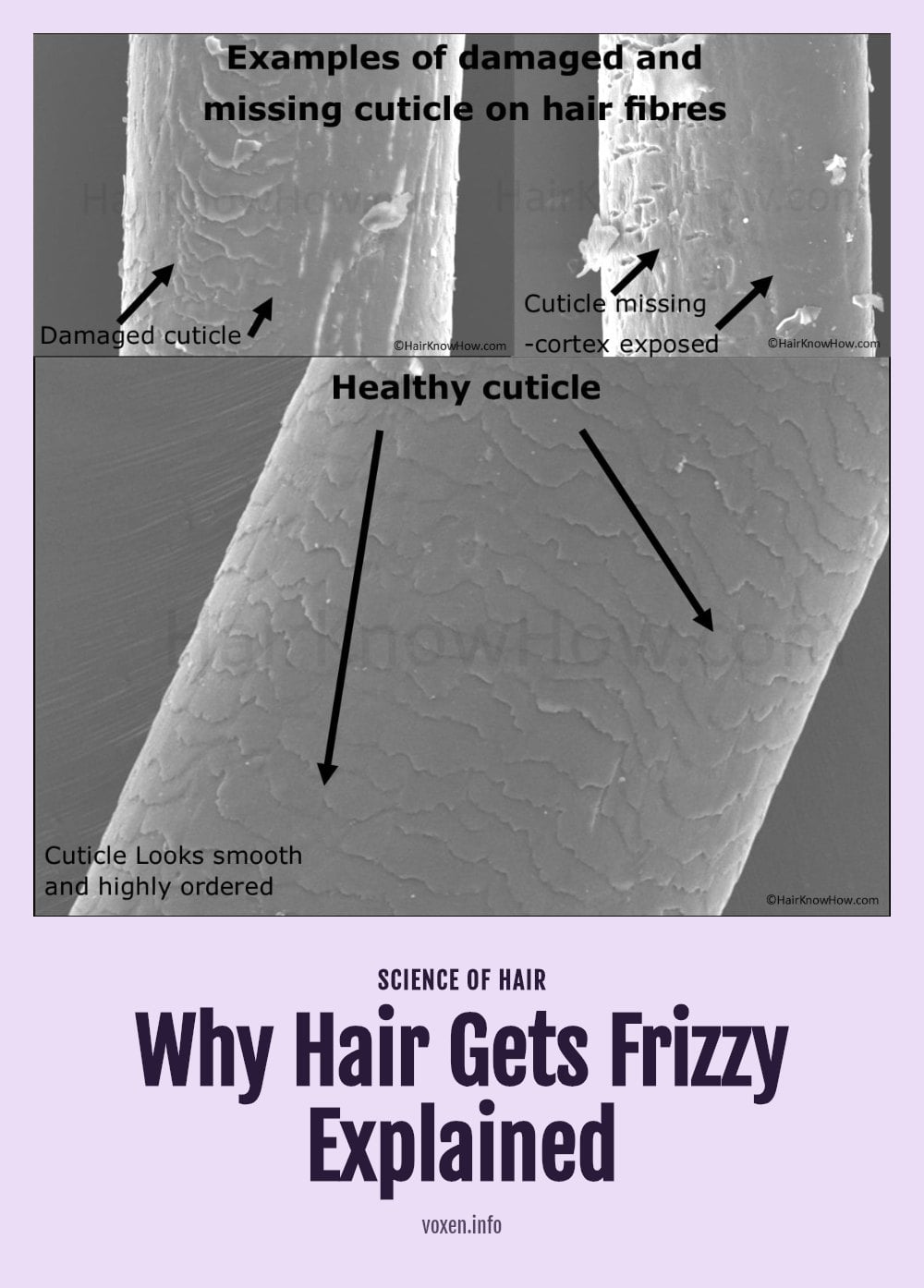
Frizz starts at the cuticle, the hair’s protective outer layer. When the cuticle is raised, moisture from the air enters and swells the hair shaft, causing it to puff up.
Why some hair frizzes more
- Dry or damaged hair: Its cuticle is already lifted, so humidity penetrates more easily.
- Curly or wavy hair: The natural curve of the follicle and the cuticle’s structure make these types drier and more prone to frizz.
- High humidity: Your hair tries to absorb moisture from the air, triggering the swelling effect.
Everyday habits that worsen frizz
- Sulfate shampoos: They strip natural oils, leaving hair dry and the cuticle exposed.
- Heat styling without protectant: High heat damages the cuticle, making hair more vulnerable to humidity.
Your Frizz-Fighting Hair Arsenal
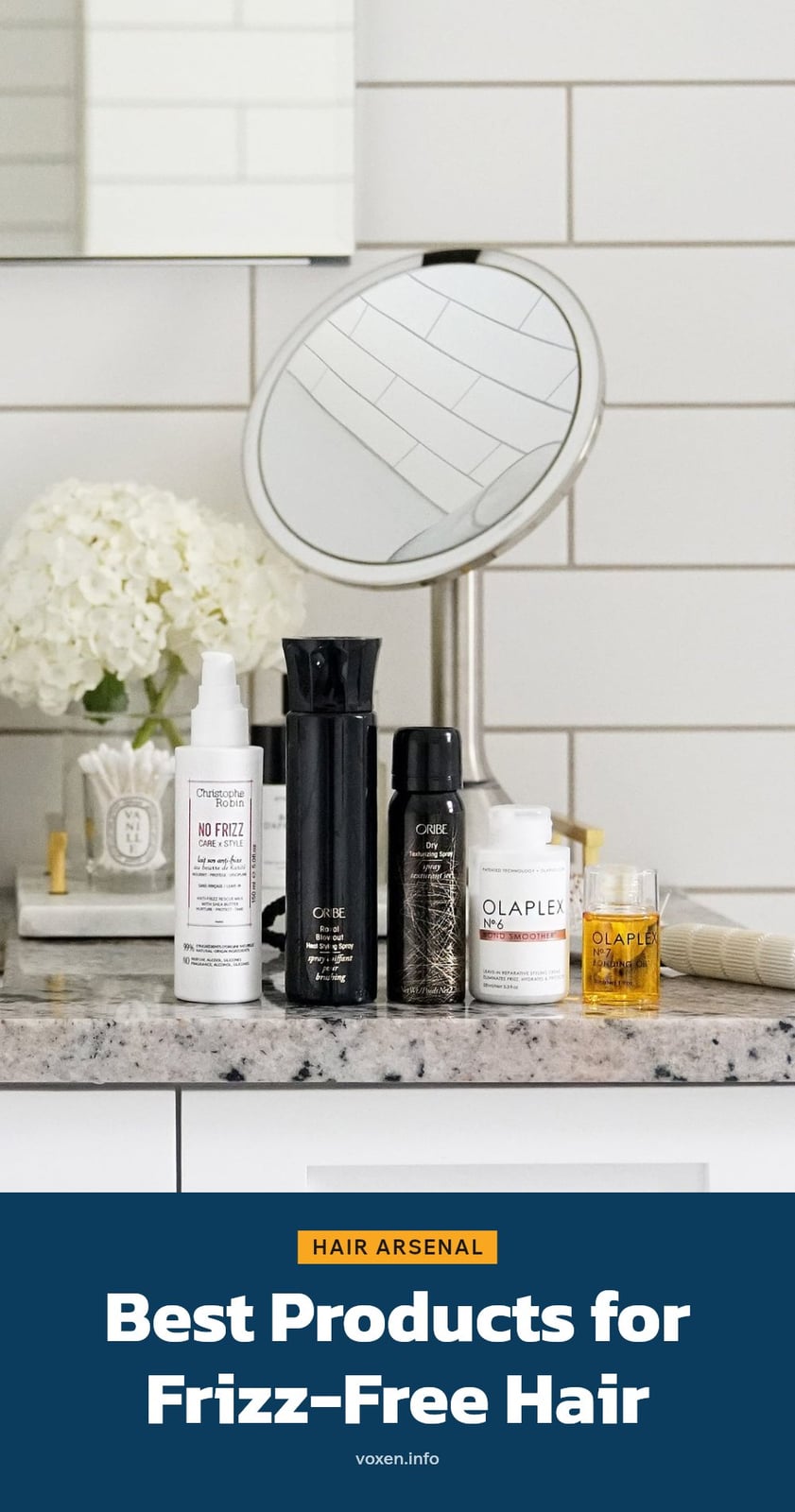
To fight frizz, you need products that hydrate, seal, and protect. Here are the essentials:
- Sulfate-free shampoo: Cleanses without stripping natural oils.
- Hydrating conditioner: Replenishes moisture and smooths the cuticle.
- Leave-in conditioner: Adds an extra layer of moisture and protection.
- Curl cream: Enhances waves or curls without weighing them down.
- Lightweight gel or mousse: Provides hold and definition without stiffness.
- Heat protectant spray: Shields hair from damage when heat styling.
- Microfiber towel or cotton t-shirt: Gently absorbs water without roughing the cuticle.
- Hair dryer with diffuser: Allows for gentle, frizz-free drying.
- Silk or satin pillowcase: Reduces friction on hair while you sleep.
Step-by-Step: Taming Frizzy Hair with a Styling Routine
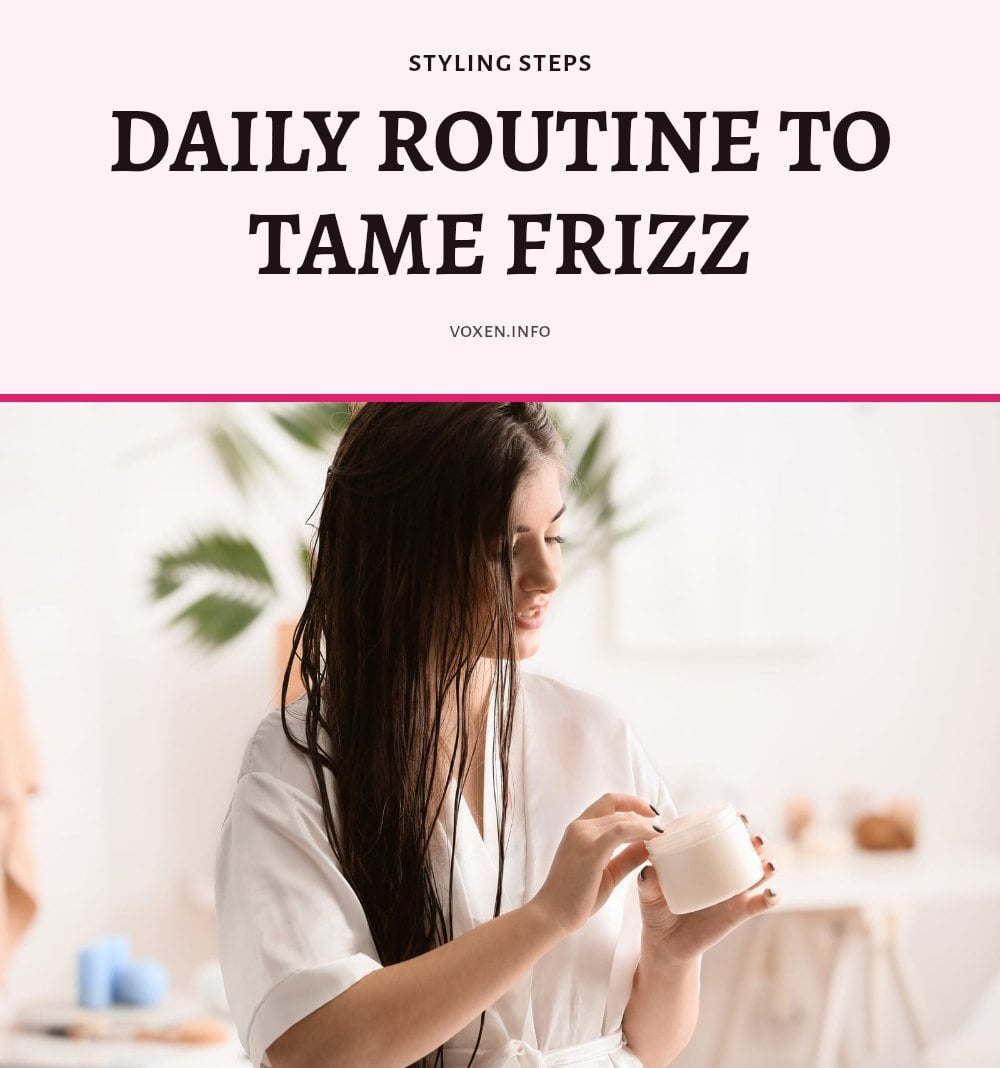
This routine works best on soaking-wet hair. Follow these steps for defined, frizz-free waves.
- Wet your hair completely: Squeeze a section of hair. You should hear a squishing sound. If it squeaks, it’s not wet enough.
- Apply leave-in conditioner: Squish it into your hair to ensure deep absorption. This is crucial for dry, coarse, or damaged hair.
- Add curl cream: Use a small amount and distribute it evenly. Too much weighs waves down; too little leaves them undefined.
- Re-wet if needed: If your hair starts to dry during styling, mist it with a spray bottle. Products absorb best on wet hair, preventing a greasy feel.
- Brush through: Use a brush to evenly distribute all products from roots to ends.
- Scrunch gently: Cup sections of hair and scrunch upward, holding each scrunch for a few seconds. For bangs, scrunch lightly to keep them face-framing.
- Define individual waves: Take a section, brush it through, then twirl the end of the brush to create a barrel curl. Scrunch and hold.
- Apply gel or mousse: Spritz a lightweight formula all over your hair, then gently scrunch to set the style without crunch.
- Remove excess water: Use a cotton t-shirt towel to gently absorb water without roughing the cuticle.
- Diffuse on low: Set your hairdryer to the lowest heat and air settings. Gently cup sections with the diffuser, moving as little as possible to avoid frizz.
My tip: A t-shirt towel or diffuser gives you faster, smoother results when used on low heat and air settings.
Prefer to watch? Hang walks through the whole method in this 4-minute video.
Common Frizz-Causing Mistakes to Avoid
Styling on dry hair: Products won’t absorb properly, leaving a greasy feel and undefined results. Always start with thoroughly wet hair until you hear a squishing sound.
Skipping leave-in conditioner: This step provides crucial moisture, especially for dry, coarse, or damaged hair. Without it, frizz creeps in.
Using too much or too little curl cream: Too much weighs down waves; too little leaves them undefined. Find the right balance for your hair.
Aggressive scrunching: Harsh movements create friction and frizz. Be gentle when scrunching to define your waves.
Air-drying for too long: Letting hair air dry for hours can lead to frizz because the hair stays wet too long, allowing humidity to affect it. Use a cotton t-shirt towel or diffuser to speed up the process.
Diffusing on high heat or with too much movement: This disrupts your curl pattern and causes frizz. Use low settings and minimal movement.
Brushing dry hair: Brushing dry hair disrupts the cuticle, causing frizz and can be painful, especially for curly or wavy hair.
Long-Term Strategies for Frizz Prevention
Choose sulfate-free products: Sulfate-containing shampoos strip natural oils, leading to dryness and increased frizz. Opt for gentle, hydrating formulas.
Deep condition weekly: Use a deep conditioning mask once a week to improve hair’s moisture levels and reduce frizz.
Protect from heat: Always apply a heat protectant before any heat styling to shield the hair cuticle from damage.
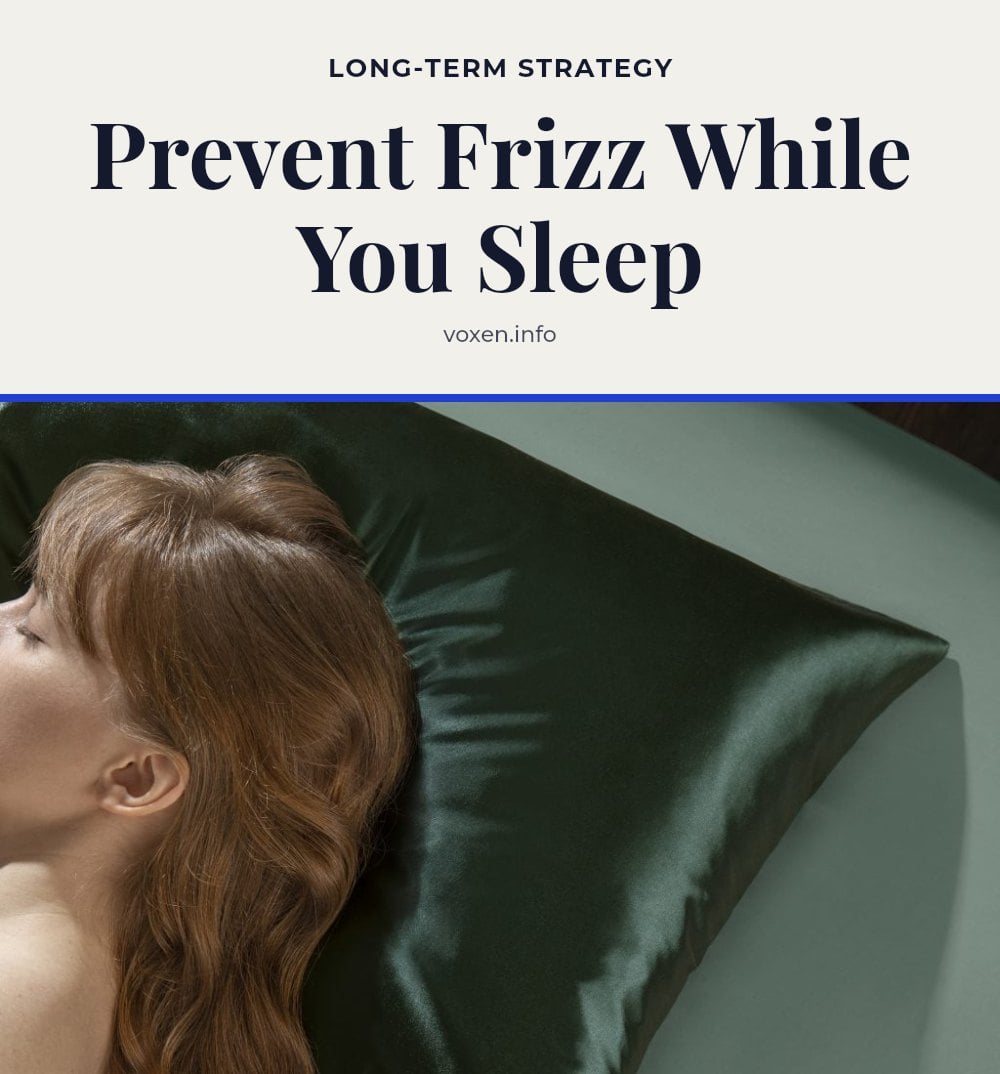
Sleep on silk or satin: A silk or satin pillowcase reduces friction on your hair while you sleep, minimizing frizz and breakage.
Rinse with cool water: Finishing your shower with a cool water rinse helps seal the hair cuticle, locking in moisture and reducing frizz.
Avoid harsh alcohol-based hairsprays: These can dry out your hair, making it more prone to frizz. Choose moisturizing or flexible-hold options instead.
When to Consult a Professional for Frizzy Hair
If your frizz remains unmanageable or worsens despite a consistent routine, it’s time to see a professional. Seek help if frizz comes with significant hair breakage, excessive shedding, or noticeable hair loss. Also consult a dermatologist if you experience scalp irritation, redness, or discomfort. A health condition may be contributing to your hair’s texture.
Frequently Asked Questions
Why does my hair get frizzy even after using anti-frizz products?
Anti-frizz products work best when applied to wet hair so they can absorb properly. If you put them on dry or damp hair, they may sit on the surface and not seal the cuticle. Also, humectant ingredients like glycerin can pull humidity into the hair if not sealed with an oil or silicone-based product.
Can changing my shampoo help with frizzy hair?
Yes, switching to a sulfate-free shampoo can make a big difference. Sulfates strip natural oils from your hair, leaving it dry and more prone to frizz. A gentle, hydrating shampoo helps maintain moisture and keeps the cuticle smoother.
Is air-drying always better for frizzy hair?
Not necessarily. Air-drying for hours can actually increase frizz because the hair stays wet too long, allowing humidity to affect it. Using a diffuser on low heat and low air settings dries hair faster and helps set your waves without the puffiness.
How often should I deep condition my hair for frizz control?
Once a week is enough for most people. A deep conditioning mask replenishes moisture and strengthens the hair, which helps keep the cuticle flat. If your hair is very dry or damaged, you could do it twice a week, but avoid over‑conditioning fine hair.
Do silk pillowcases really make a difference for frizz?
Yes, sleeping on a silk or satin pillowcase reduces friction while you move in your sleep. Unlike cotton, which can rough up the cuticle, silk lets hair glide smoothly, so you wake up with less frizz and fewer tangles.
Final Thoughts
Stick with this routine for a few weeks to see real improvement. The key is consistency: always start with wet hair, use a leave-in conditioner, and seal with a lightweight gel or mousse. Your waves will stay defined and frizz-free, even when the humidity rises. That’s the kind of hair day worth repeating.

