You wash your hair, and within hours the roots look slick again. That greasy feeling at the scalp is frustrating, but it usually comes down to how your sebaceous glands produce sebum and what your current routine does about it. This article breaks down the causes behind oily roots and walks you through a wash routine that can actually keep your hair cleaner for longer.
Key Takeaways
- Choose a professional shampoo that cleans thoroughly and keeps hair fresh for at least three days.
- Apply shampoo directly to your scalp as a liquid, not pre-lathered in your hands.
- Always condition only from the mid-lengths to ends, never on the roots.
- Clean your hair brushes at least once a week to avoid transferring oil back to clean hair.
- Space out washes gradually to let your scalp rebalance its sebum production over a few weeks.
Why Your Hair Gets Greasy So Quickly
Greasy hair at the roots happens when your sebaceous glands produce more sebum than needed. Sebum is a natural oil that moisturizes your scalp and hair, but overactive glands create that slick look you want to avoid. Genetics often set your baseline oiliness, but other factors like hormonal shifts, washing too often, the products you use, and even stress can make it worse. The good news is that understanding these triggers lets you adjust your routine, especially how you wash and where you apply products, to keep greasiness under control.
The Science Behind Oily Roots
What Causes Oily Roots
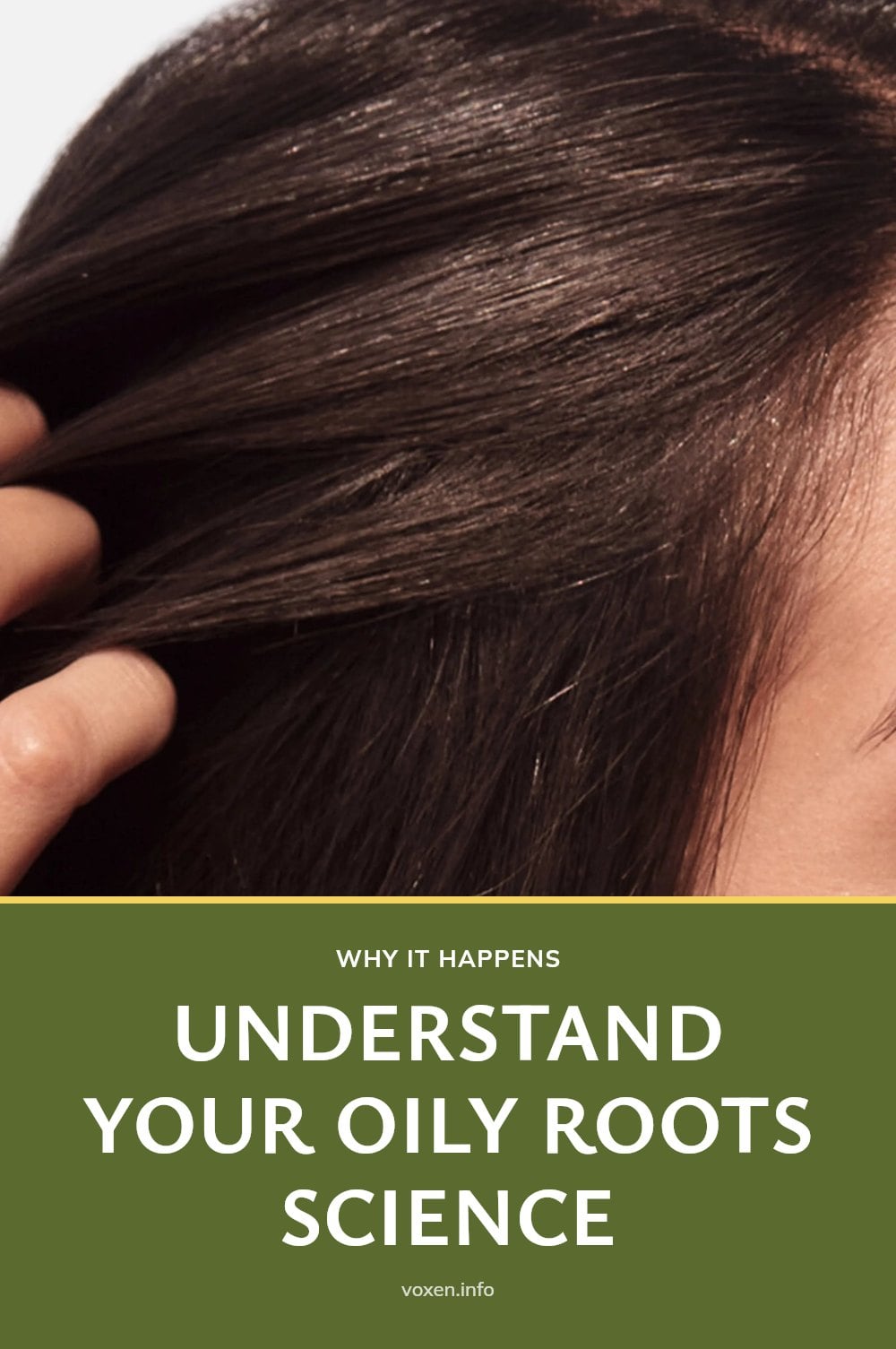
Your scalp has sebaceous glands that produce sebum to moisturize and protect your hair. When those glands are overactive, you get excess sebum and greasy roots. I’ve learned that several factors drive this:
- Hormonal changes Puberty, pregnancy, and menstruation can ramp up sebum production.
- Genetics Your family history largely determines how oily your scalp naturally is.
- Frequent washing Stripping natural oils too often can make your scalp produce even more to compensate.
- Heavy conditioners Using rich formulas or applying conditioner to your roots adds extra oil where you don’t want it.
- Over-brushing Brushing too much spreads sebum from your scalp down your hair shaft.
- Stress It can sometimes trigger increased sebum output.
- Hot water Washing with very hot water may stimulate your sebaceous glands and boost oiliness.
Go-To Wash Routine for Cleaner Hair
- Find your shampoo soulmate: Choose a professional shampoo that cleans thoroughly without leaving residue. It should keep your hair clean for at least three days.
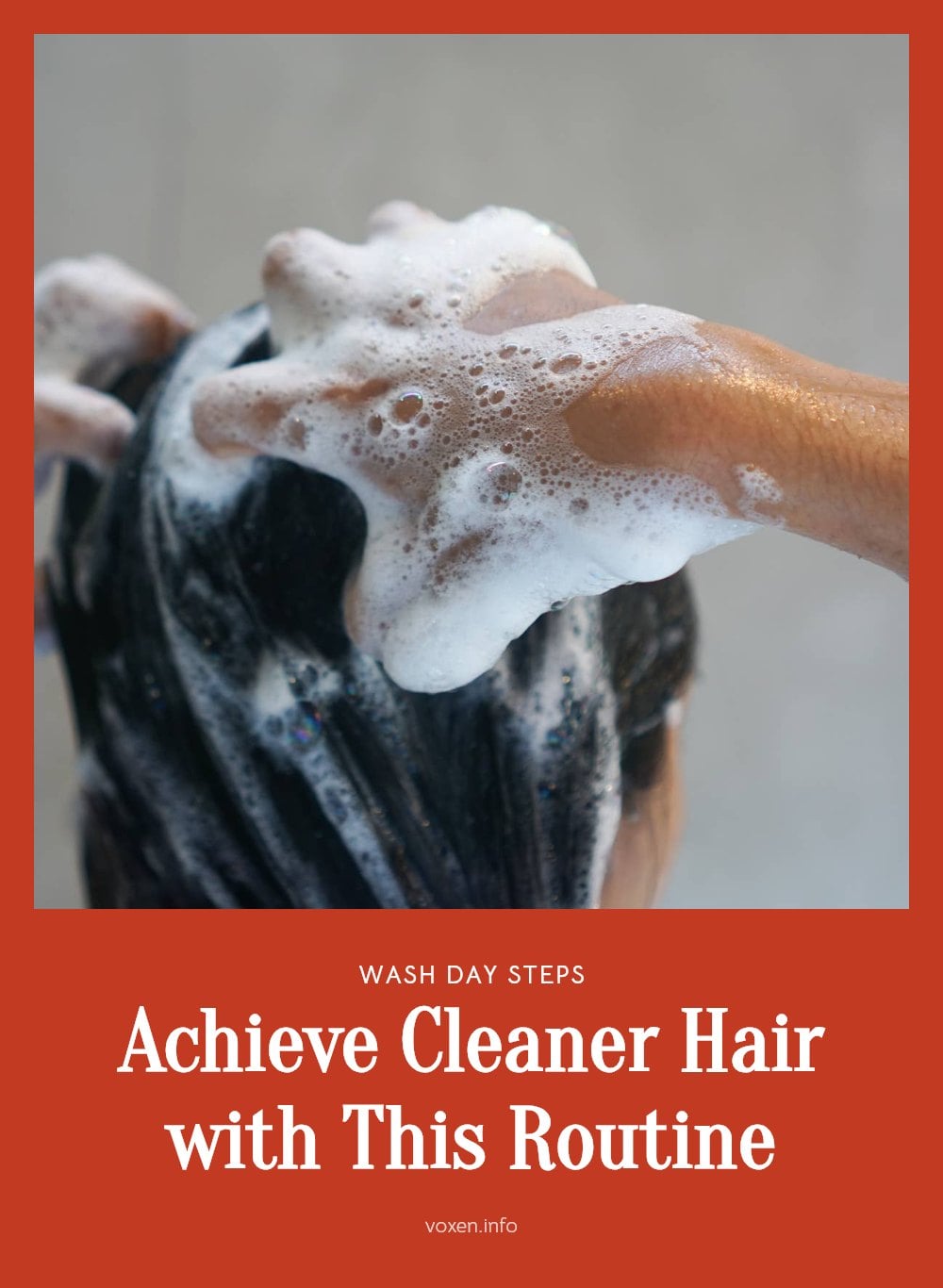
- Apply shampoo directly to your scalp: Keep the shampoo as a liquid, don’t lather it in your hands first. Start at the back of your head, part your hair, and push the shampoo onto your scalp. Repeat for the top, sides, and nape of your neck.
- Scrub your scalp firmly: Use your fingertips to press the shampoo into your scalp. Focus on cleaning the scalp itself, not just the hair strands. Scrubbing well also stimulates blood flow.
- Do a second wash: Use half the amount of shampoo you used the first time. Add small amounts until you get a good lather. That lather means your hair is truly clean.
- Wash only when dirty: Don’t stick to a fixed schedule. After switching to a professional shampoo, your hair may feel dry at first because it’s no longer coated with old product residue. Adjust your washing frequency to when your hair is actually oily.
- Apply leave-in conditioner on wet hair: Use 8 sprays for fine hair, 12 for medium, and 16 for coarse hair. Brush it through with a wet brush. Think of your hair as a bucket with holes, conditioner alone adds moisture, but leave-in conditioner creates a barrier to lock that moisture in.
- Seal the ends with hair oil: Apply a small amount of oil to your ends to polish and seal them.
Prefer to watch? Blowout Professor walks through the whole method in this 14-minute video. The how-to part starts at 1:50.
Essential Tools for Managing Oily Hair
Having the right products and tools makes managing oily hair much easier. Here is what you need:
- Professional shampoo for oily hair: It cleans thoroughly without leaving residue that can make hair greasy faster.
- Lightweight conditioner: Apply only to your mid-lengths and ends to avoid weighing down your roots.
- Leave-in conditioner: It locks moisture into the hair shaft after washing, preventing dryness without adding oil at the scalp.
- Hair oil: A small amount on your ends seals and adds shine.
- Hair brush: Clean it regularly so it doesn’t transfer oil and product buildup back to clean hair.
- Dry shampoo: Use it between washes to absorb excess oil at the roots and extend the time between shampoos.
Common Greasy Hair Mistakes to Avoid
Myth: Conditioner alone solves dryness. Conditioner adds moisture, but without a barrier that moisture escapes. Leave-in conditioner on wet hair locks it in.
Mistake: Relying on scalp scrubs or spiky massagers as your main solution. They can help, but proper shampooing is what controls oil. Skip fancy shampoos with extra ingredients. They leave residue and make hair oily faster. A good shampoo is simple and cleans effectively.
Error: Emulsifying shampoo in your hands before applying. This stops it from directly contacting and dissolving oil on your scalp. Apply it as a liquid directly to your scalp. Also avoid casually swirling shampoo on top of your hair. You need to thoroughly scrub your scalp, not just the strands.
Tip: On the second wash, use less shampoo. Adding too much can dry out your hair. Keep adding small amounts until a good lather forms. After upgrading to a professional shampoo, don’t stick to a daily wash schedule. Wash only when your hair is actually dirty.
Top Tips for Keeping Greasiness at Bay
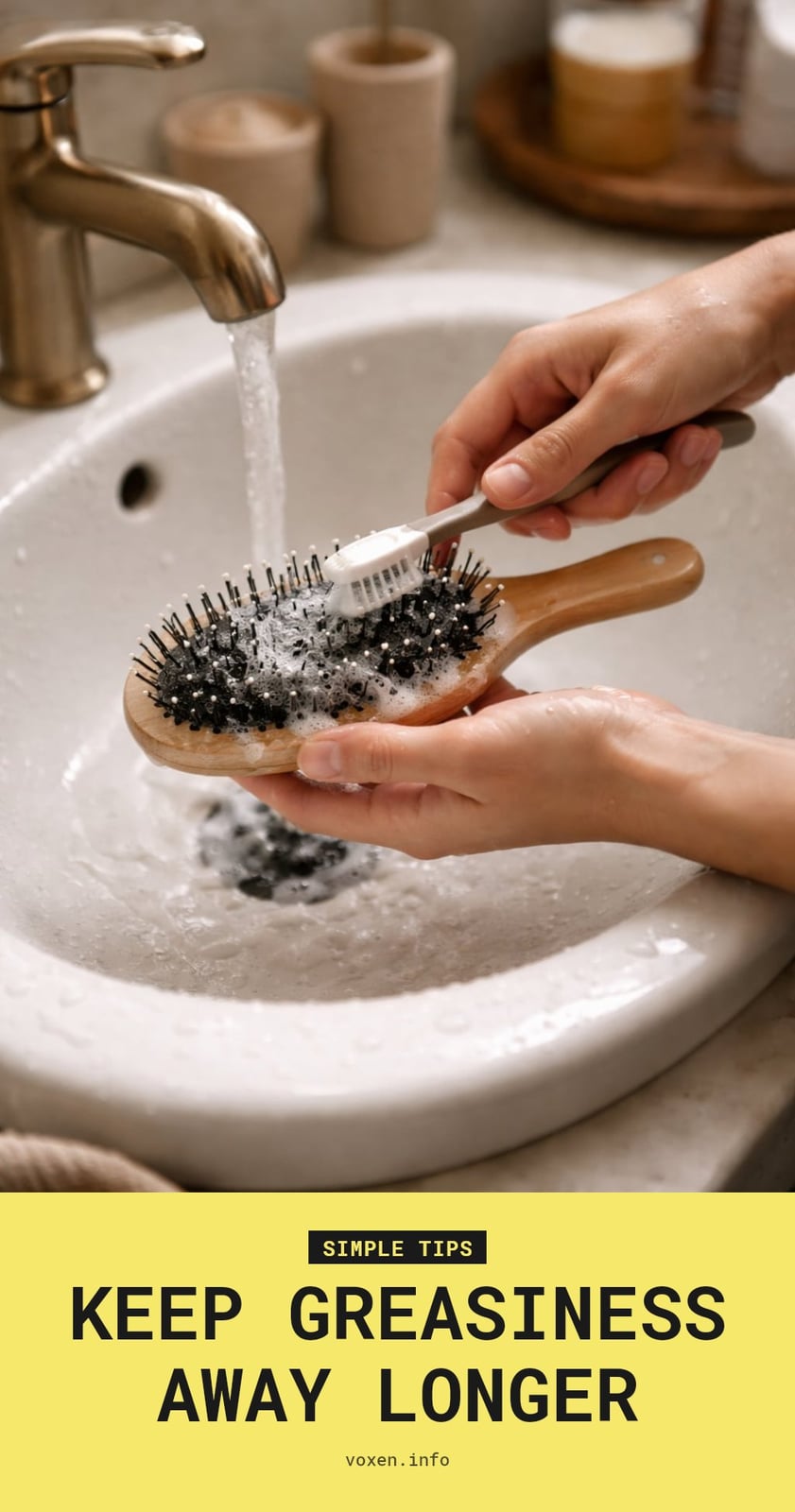
Clean your hair brushes at least once a week. Dirty brushes transfer oil and product buildup back to clean hair. Avoid touching your hair excessively throughout the day, your hands carry oils and dirt that make hair greasier faster.
Space out your washes gradually. Your scalp needs time to rebalance sebum production, and slowly extending the time between washes can help train it. Use dry shampoo strategically between washes. Apply it to your roots to absorb excess oil and refresh your hair, buying you another day before you need to wash.
Rinse thoroughly. Any leftover shampoo or conditioner residue weighs hair down and makes it look greasy. Take an extra minute to make sure all product is completely gone.
When to Consult a Dermatologist
If excessive scalp oiliness comes with persistent itching, redness, or flaking, it could be a medical condition like seborrheic dermatitis. Also watch for unusual hair loss along with oiliness. A dermatologist can diagnose the underlying cause and recommend specialized treatments or products. Don’t ignore these signs, professional help can make a real difference.
Frequently Asked Questions
How often should I wash my hair if it’s oily?
Only wash your hair when it is actually dirty and oily, not on a fixed schedule. As you switch to a professional shampoo that cleans thoroughly, you can gradually space out washes. This gives your scalp time to rebalance sebum production, and many people find they can go two to three days between washes.
Can diet affect greasy hair?
Some people believe that diet influences sebum production, but scientific evidence is limited. While a balanced diet is always a good idea for overall health, there is no proven direct link between specific foods and greasy hair. Focus on your wash routine and product choices first for the most reliable results.
What ingredients should I look for in shampoo for oily hair?
Look for a professional shampoo that cleans thoroughly without leaving residue. Avoid shampoos with heavy oils, silicones, or fancy extra ingredients that can weigh hair down and make it oily faster. A simple, effective cleanser that targets the scalp is what you need. Clarifying shampoos used once a week or every other week can also help remove buildup.
Why does my hair get greasy so fast after washing?
If your hair gets greasy quickly after washing, you may be using a shampoo that leaves residue or not scrubbing your scalp thoroughly enough. Applying conditioner to the roots, washing with hot water, or over-brushing can also spread oil faster. Switching to a professional shampoo and focusing the lather on your scalp usually makes a noticeable difference.
Final Thoughts
Start by finding a professional shampoo that truly cleans without leaving residue, and apply it directly to your scalp rather than lathering it first. Stick with the two-wash method and condition only your mid-lengths and ends. Expect it to take a few weeks for your scalp to adjust, but once it does, you should be able to go longer between washes without that greasy feeling coming back.
This article is for general informational purposes only and does not constitute medical or professional advice. If you experience persistent itching, redness, flaking, or hair loss along with scalp oiliness, consult a dermatologist or healthcare professional for a proper diagnosis and treatment plan.

