You’ve taken the plunge and gone short, and now you’re ready for length. I get it. The in-between stages can feel like forever, but with the right approach, you can keep your hair healthy and your spirits high. This article covers the essential strategies for growing out a short cut, from scalp care and gentle styling to smart trims and patience.
Key Takeaways
- Get regular ‘dusting’ trims every 8-12 weeks to remove split ends without sacrificing length.
- Handle wet hair gently with a wide-tooth comb to prevent breakage.
- Minimize heat styling and always use a heat protectant spray when you do.
- Incorporate weekly deep conditioning treatments to improve hair strength and elasticity.
- Eat a balanced diet rich in protein, B vitamins, iron, and zinc to support growth from within.
The Secret to Growing Out a Short Cut Gracefully
Growing out a short cut takes patience, strategic care, and smart styling. The secret is to focus on keeping your hair healthy so breakage doesn’t make it look like it’s growing slower. And don’t skip trims: regular shaping removes split ends and keeps your style looking intentional, which actually supports growth in the long run.
1. Get Regular ‘Dusting’ Trims
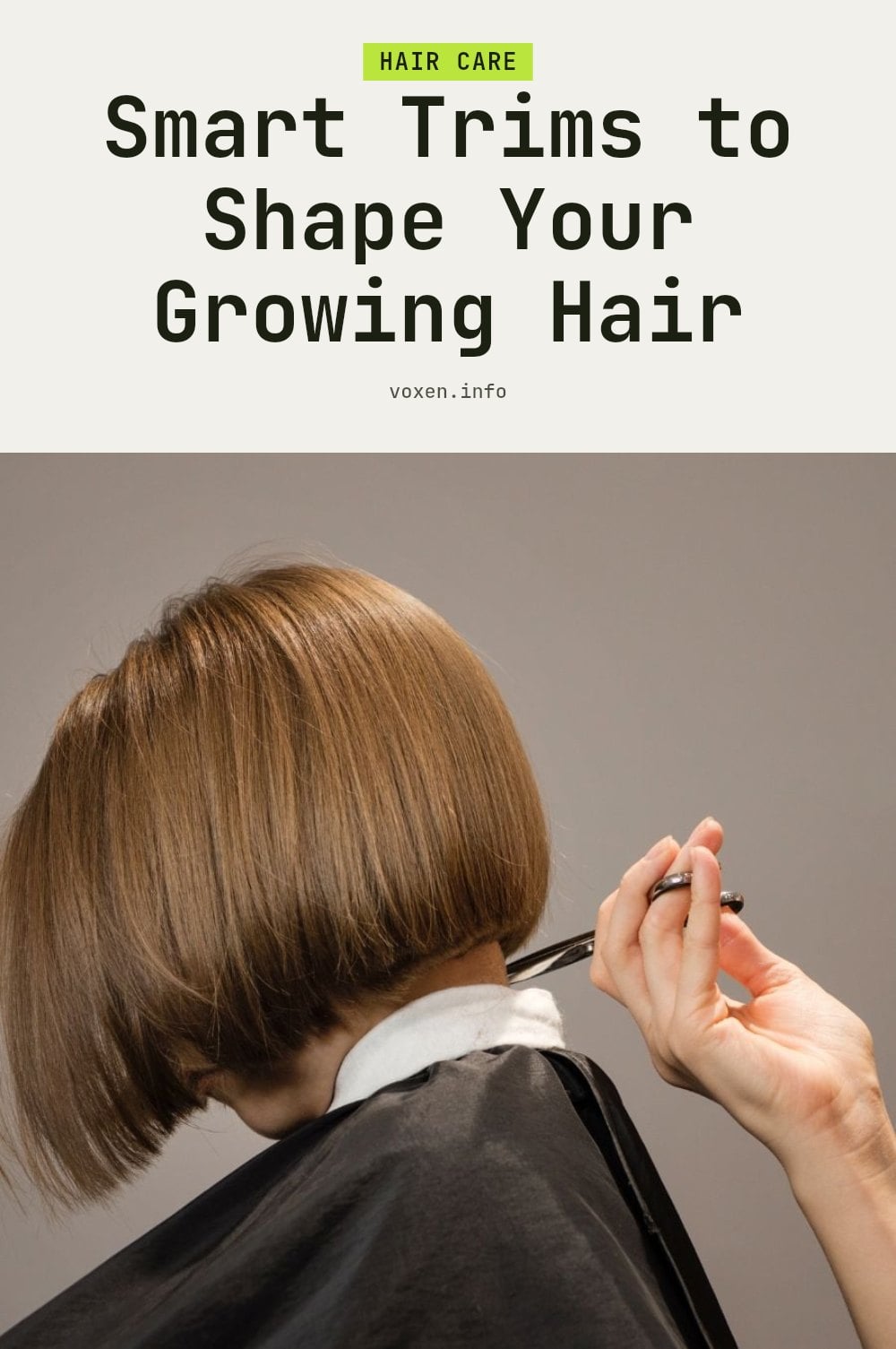
My tip: don’t fear the scissors. Regular ‘dusting’ trims every 8-12 weeks are crucial for removing split ends before they travel up the hair shaft. Split ends cause more damage and breakage, making your hair look shorter and less healthy. These small trims don’t take away significant length, but they keep your strands strong and prevent further damage as your hair grows.
- Ask for just the ends, removing only the split or frayed parts.
- Schedule trims based on your hair’s condition, not the calendar alone.
- Use sharp scissors to avoid fraying the ends.
2. Nourish Your Scalp for Health
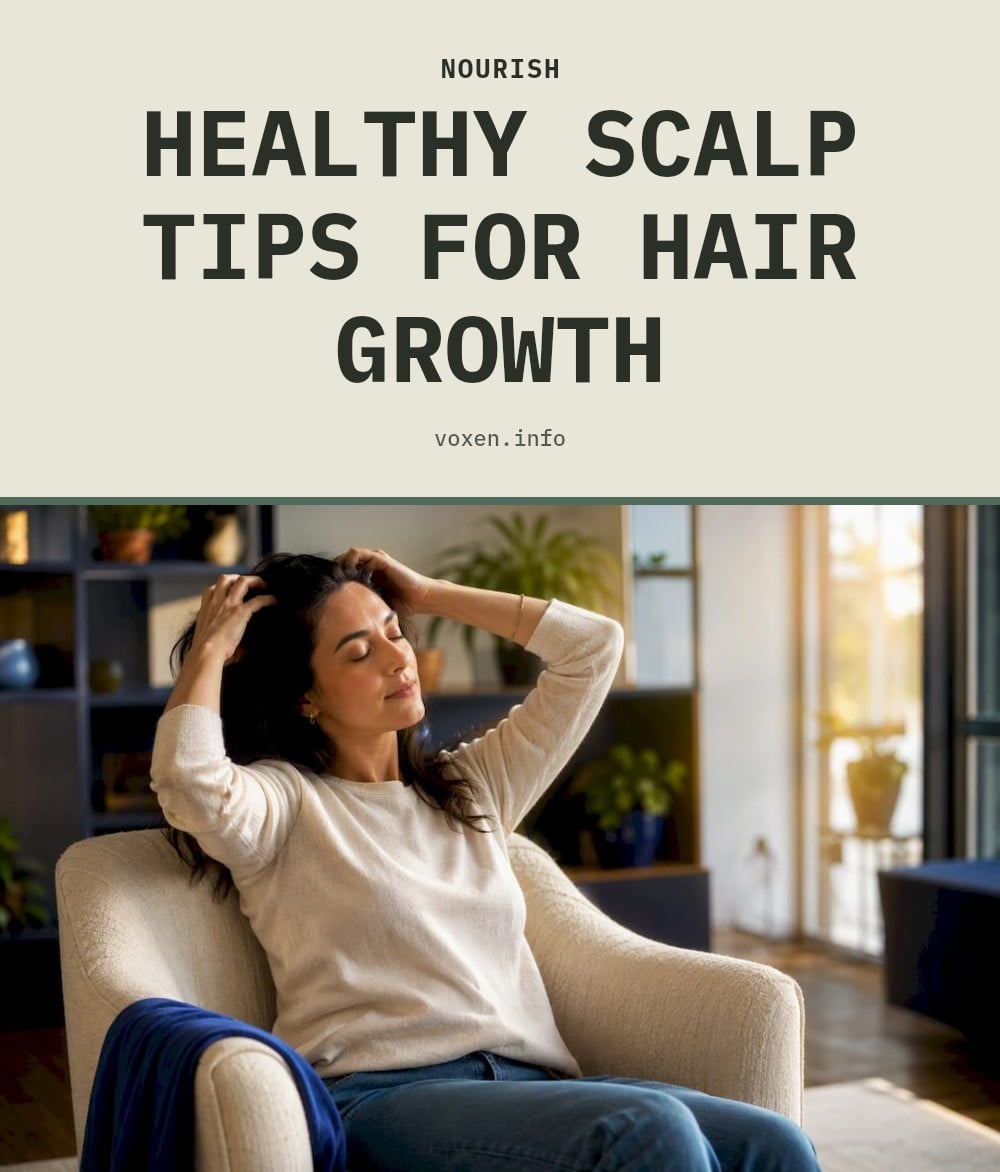
A healthy scalp is the foundation for hair growth, since that’s where your follicles live. Incorporate regular scalp massages to stimulate blood flow, which delivers essential nutrients to the follicles. Use a gentle scalp massage brush during shampooing, or apply a scalp serum to keep the area moisturized and balanced. Even a few minutes a day can make a difference.
3. Handle Wet Hair Gently
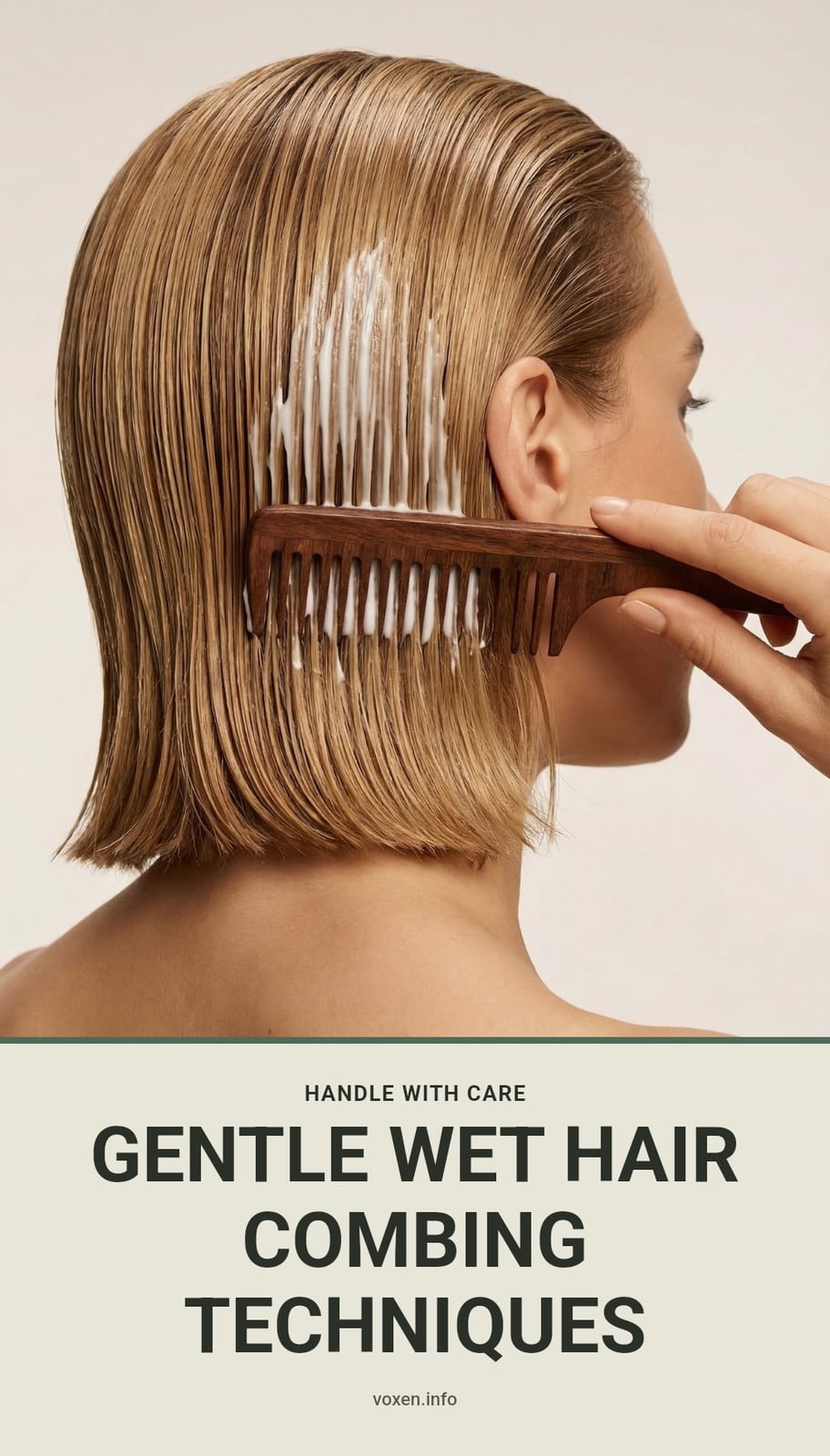
Wet hair is at its most vulnerable, so handle it with care. Use a wide-tooth comb or your fingers to detangle, starting from the ends and working your way up. Avoid aggressive brushing or towel-drying by rubbing, which causes friction and breakage that halts your growth progress. Instead, gently squeeze out excess water with a soft towel or let it air dry.
4. Minimize Heat Styling
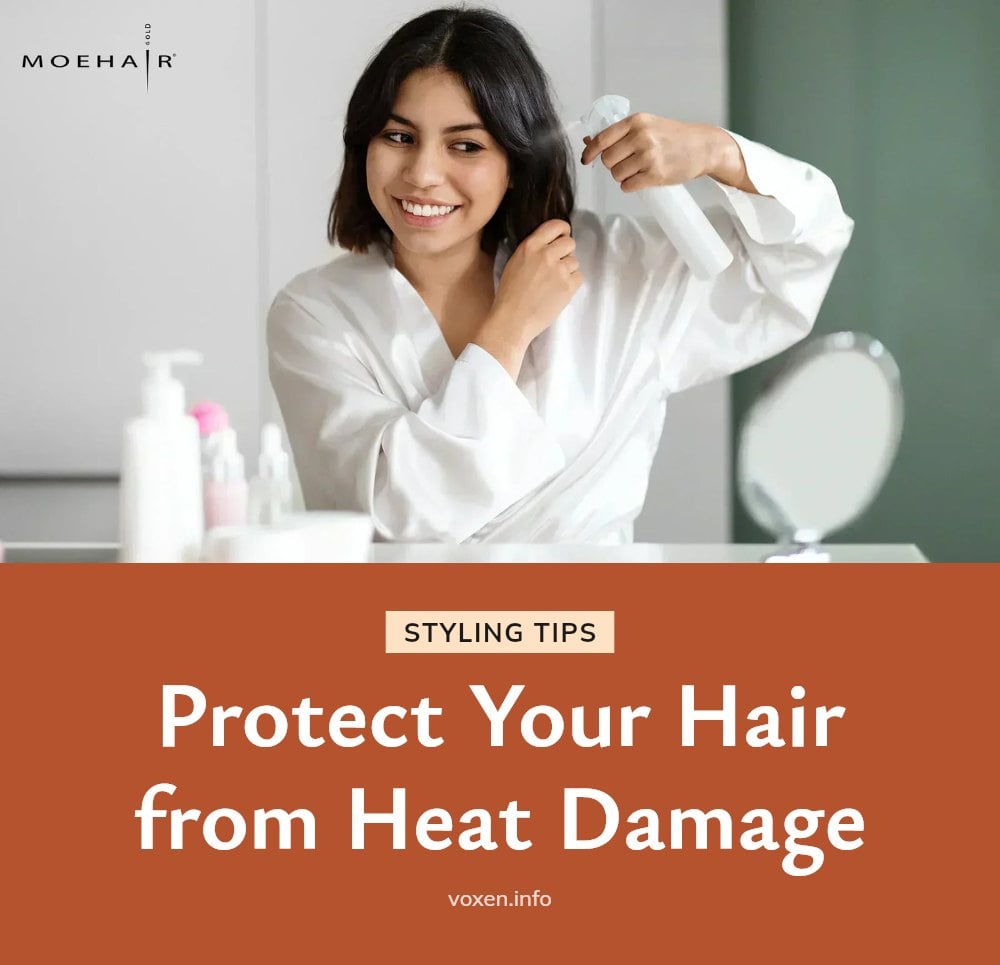
Excessive heat styling is a major culprit for hair damage and breakage, directly counteracting your growth efforts. When you do use heat tools, always apply a high-quality heat protectant spray first.
My tip: try to air dry your hair more often, or opt for heatless styling methods like braids or rollers to give your hair a break. Your strands will thank you.
5. Deep Condition Weekly
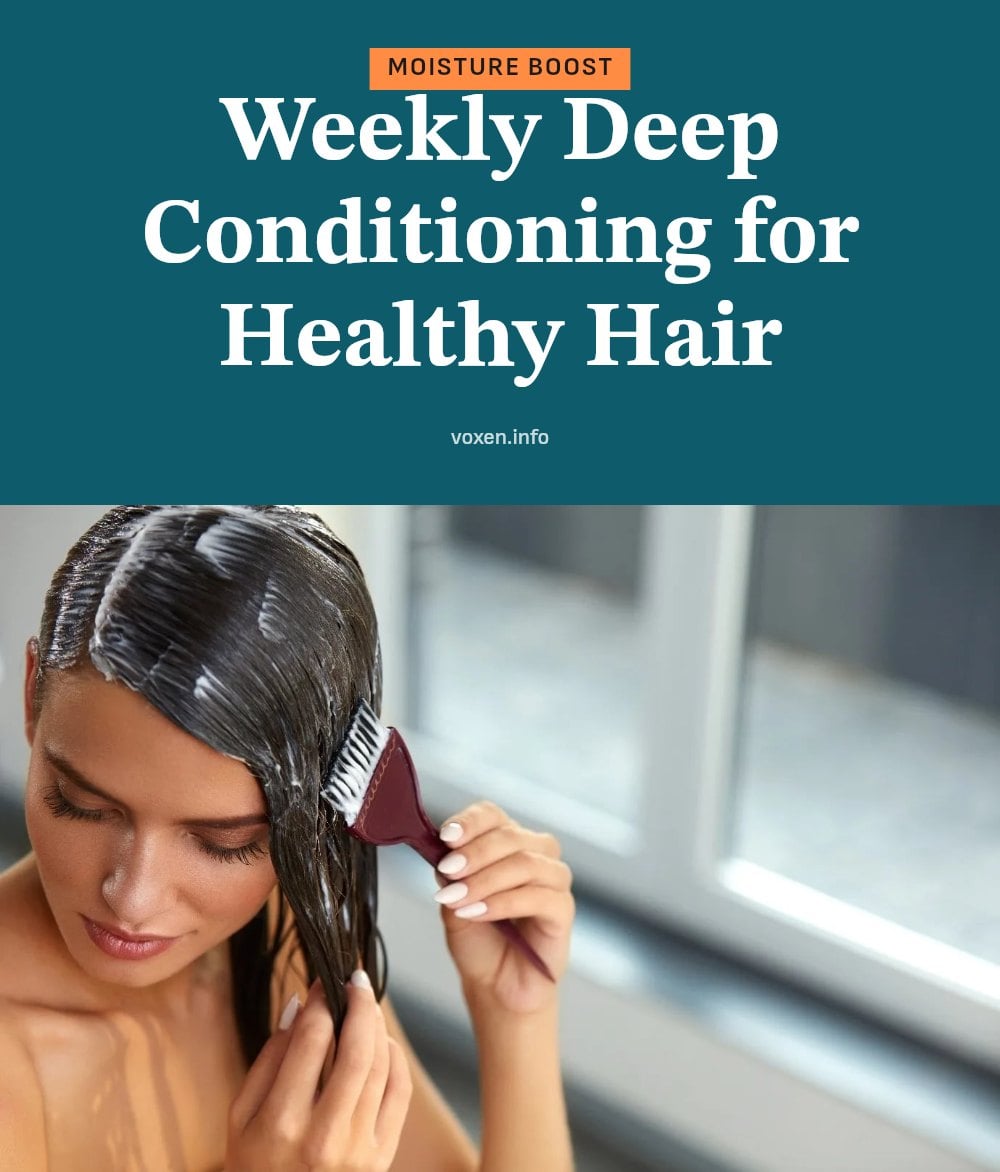
Regular deep conditioning treatments or hair masks are essential for improving hair strength and elasticity. This extra nourishment helps to reduce breakage, keeping your growing strands healthy and resilient.
My tip: Choose a mask that targets your specific hair type, fine hair benefits from lightweight formulas, while thick or curly hair needs richer creams. Apply it weekly after shampooing, focusing on the mid-lengths and ends, and leave it on for 5-10 minutes before rinsing. This routine manages dryness and damage effectively.
6. Eat a Hair-Healthy Diet
What you eat directly impacts your hair’s health and growth from within. A balanced diet rich in protein, vitamins (especially B vitamins, C, D, E), and minerals like iron and zinc supports optimal hair growth.
Think lean meats, eggs, leafy greens, nuts, and fruits to provide the building blocks your hair needs. Hydration matters too, so drink plenty of water.
- B vitamins: found in eggs, lean meats, and leafy greens, help your body produce energy for hair follicle activity.
- Vitamin C: from citrus fruits and peppers, aids collagen production, which strengthens hair strands.
- Vitamin D: from fatty fish or sunlight, may help create new hair follicles.
- Vitamin E: in nuts and seeds, acts as an antioxidant that protects hair cells from damage.
7. Experiment with Styling

The ‘awkward’ in-between stages are inevitable, but they don’t have to be frustrating. Experiment with headbands, scarves, and hair clips to style different lengths gracefully.
Embrace accessories to distract from uneven lengths and create polished looks, making the transition much more enjoyable. Try a silk scarf wrapped as a headband or a statement clip to pin back shorter layers.
8. Try Protective Hairstyles
Protective hairstyles like braids, low ponytails, or buns minimize manipulation and exposure to environmental stressors. This reduces breakage and allows your hair to grow undisturbed.
My tip: Just be sure not to pull them too tight. Excessive tension can lead to damage and even hair loss, so keep styles loose and comfortable.
9. Manage Your Stress Levels
Stress can significantly impact your hair growth cycle, potentially leading to increased shedding. While easier said than done, finding healthy ways to manage stress through exercise, meditation, or hobbies can indirectly support healthier hair growth.
Remember, your body’s overall well-being is reflected in your hair. Even small daily stress-relief practices add up.
10. Use Gentle Hair Products
Opt for shampoos and conditioners that are gentle, sulfate-free, and designed for your hair type. Harsh chemicals can strip natural oils and damage hair, leading to breakage.
Look for ingredients that nourish and strengthen, avoiding anything that makes your hair feel dry or brittle. Your hair will thank you with less breakage as it grows.
11. Be Patient and Consistent
Hair grows approximately 0.5 inches (1.25 cm) per month on average, so significant length changes take time. Consistency in your hair care routine is key; results won’t happen overnight.
Celebrate small victories and remember that healthy growth is a marathon, not a sprint. Stick with your routine and you’ll see progress.
Common Mistakes to Avoid When Growing Out Hair
Believing no cuts means faster growth: Skipping trims entirely leads to split ends that travel up the shaft, causing breakage and making hair look shorter and unhealthy. Regular dusting trims are crucial for maintaining length as it grows.
Ignoring scalp health: Focusing only on the strands while neglecting your scalp is a missed opportunity. A healthy scalp is vital since that’s where hair growth originates, so keep it nourished and stimulated.
Excessive heat and harsh chemicals: Overusing heat tools without protection or harsh chemical treatments causes damage and breakage, undoing all your growth efforts. Always use a heat protectant and choose gentle products.
Expecting instant results: Hair grows slowly, about 0.5 inches per month. Comparing your progress to others or expecting drastic changes quickly leads to frustration. Patience and consistency are key.
Frequently Asked Questions
How long does it take to grow out a pixie cut?
Growing out a pixie cut to a chin-length bob typically takes about 6 to 12 months, depending on your desired length and individual hair growth rate. Since hair grows roughly 0.5 inches per month, you can expect around 3-6 inches of growth in that time. The awkward phases will vary, but strategic styling can help.
Can stress really affect hair growth?
Yes, stress can impact the hair growth cycle, potentially increasing shedding. When you’re under chronic stress, your body may shift more hairs into the resting phase, leading to noticeable thinning. Managing stress through exercise, meditation, or hobbies can help support healthier hair growth overall.
Is it better to air dry or blow dry when growing hair out?
Air drying is generally gentler on your hair because it avoids heat damage, which can cause breakage. However, if you must blow dry, use a low heat setting and always apply a heat protectant spray first. The key is to minimize heat exposure to keep your growing strands strong.
What are the best hairstyles for the ‘awkward’ stage?
Headbands, scarves, and hair clips are your best friends during the awkward stage. You can also try protective styles like braids or low ponytails to keep hair neat and reduce manipulation. The goal is to embrace accessories that distract from uneven lengths and create polished looks.
Should I use specific shampoos for hair growth?
No shampoo can make your hair grow faster, but using gentle, sulfate-free formulas can help maintain a healthy scalp and prevent breakage. Look for shampoos that nourish without stripping natural oils. Focus on scalp health and overall hair care rather than expecting a shampoo to speed up growth.
Final Thoughts
My tip: stick with the trims and protective styles, even when it feels like nothing’s happening. Hair grows about half an inch a month, so expect noticeable length in several months, not weeks. The key is consistency, so keep your routine simple, nourish your scalp, and trust the process. Your patience will pay off.
This article provides general information and tips for hair care and growth. It is not a substitute for professional medical advice. If you experience sudden or excessive hair loss or have concerns about your scalp or hair health, consult a doctor or a dermatologist.

