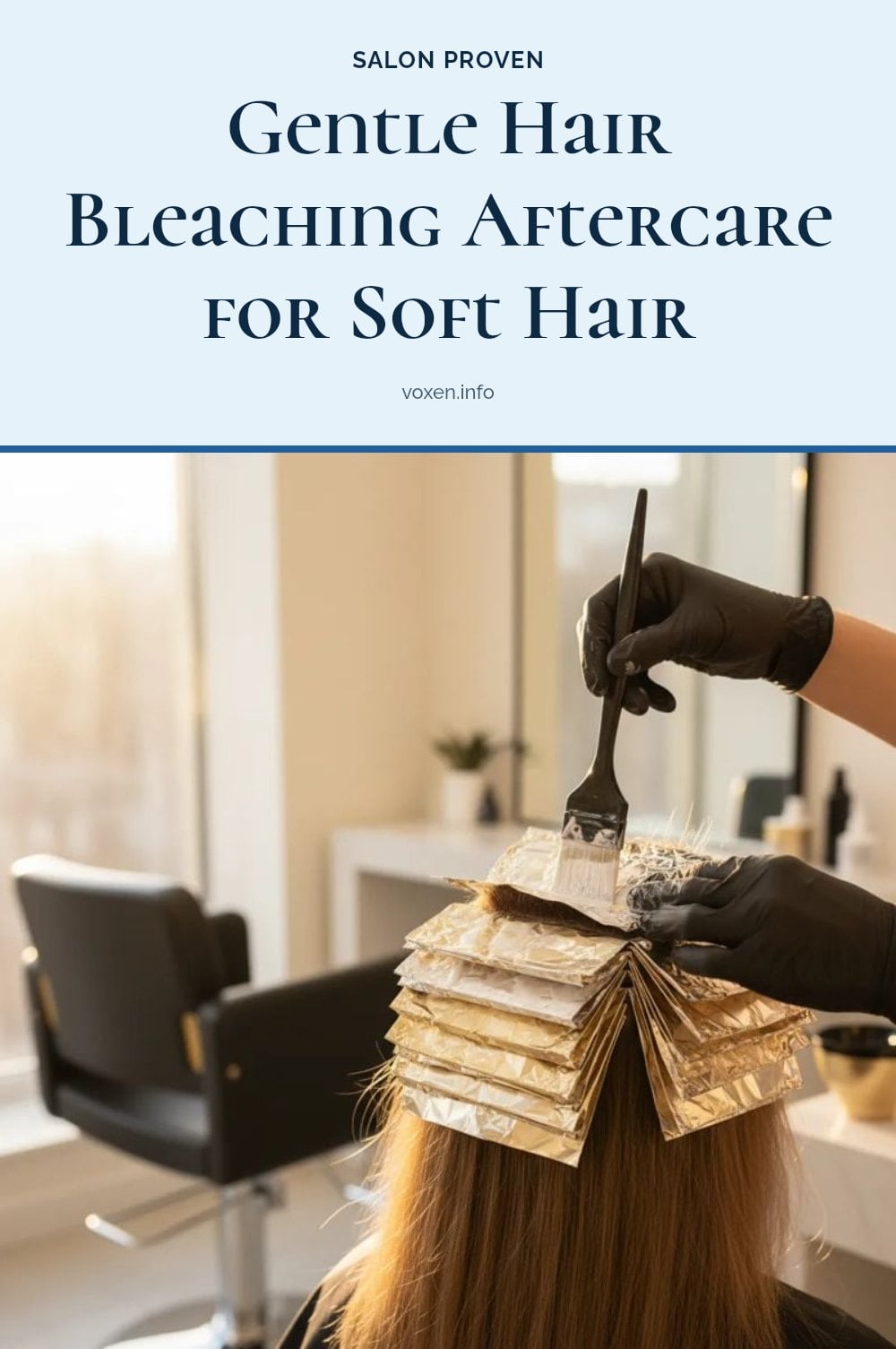
Bleached hair needs more care than your natural locks, but keeping it soft and healthy is totally doable with the right routine. The chemical process leaves strands porous and prone to breakage, so moisture and gentle handling become your new best friends. This article covers the essential aftercare steps, from choosing the right products to avoiding common mistakes, so you can enjoy your lightened hair without sacrificing its health.
Key Takeaways
- Give your hair a 4 to 6 week break from heat styling or further bleaching to let it recover.
- Use a sulfate-free shampoo and deep condition at least once or twice a week.
- Apply argan oil to nourish hair from the inside out, avoiding oils with larger molecules like coconut oil.
- Let hair air dry 90 to 95 percent before using any hot tools to reduce heat damage.
- Trim about a quarter of an inch every 8 weeks to remove split ends and retain length.
How to Keep Bleached Hair Soft and Healthy
Keeping bleached hair soft and healthy starts with a consistent routine focused on moisture and repair. Right after bleaching, prioritize deep conditioning and gentle care to restore the hair’s protein structure and seal the cuticle. Regular use of specialized products like argan oil, reparative creams, and purple toners, combined with protective styling and regular trims, maintains softness and vibrant color.
Why Bleached Hair Needs Special Care
Why Bleached Hair Needs Special Care
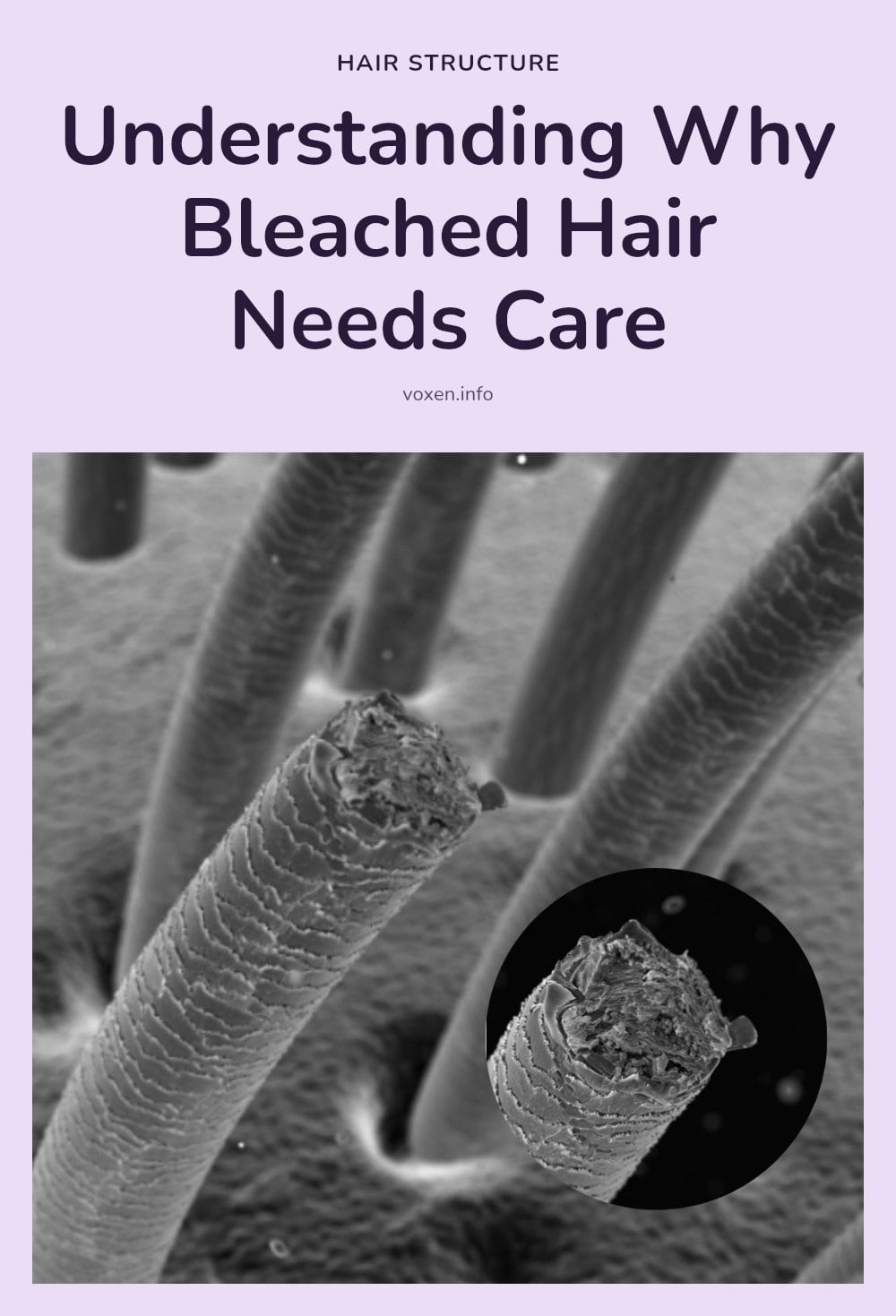
Bleaching is a chemical process that opens the hair cuticle and dissolves melanin, which weakens the hair’s protein structure. This makes hair more porous, meaning it absorbs and loses moisture more easily than unbleached hair. Without proper care, bleached hair becomes prone to dryness, breakage, and dullness.
Because the cuticle stays lifted, moisture escapes quickly and external irritants get in. The hair’s natural elasticity decreases, so it snaps rather than stretches. A targeted aftercare routine is not optional; it is essential to compensate for the structural changes bleaching causes.
Essential Products for Bleached Hair Aftercare
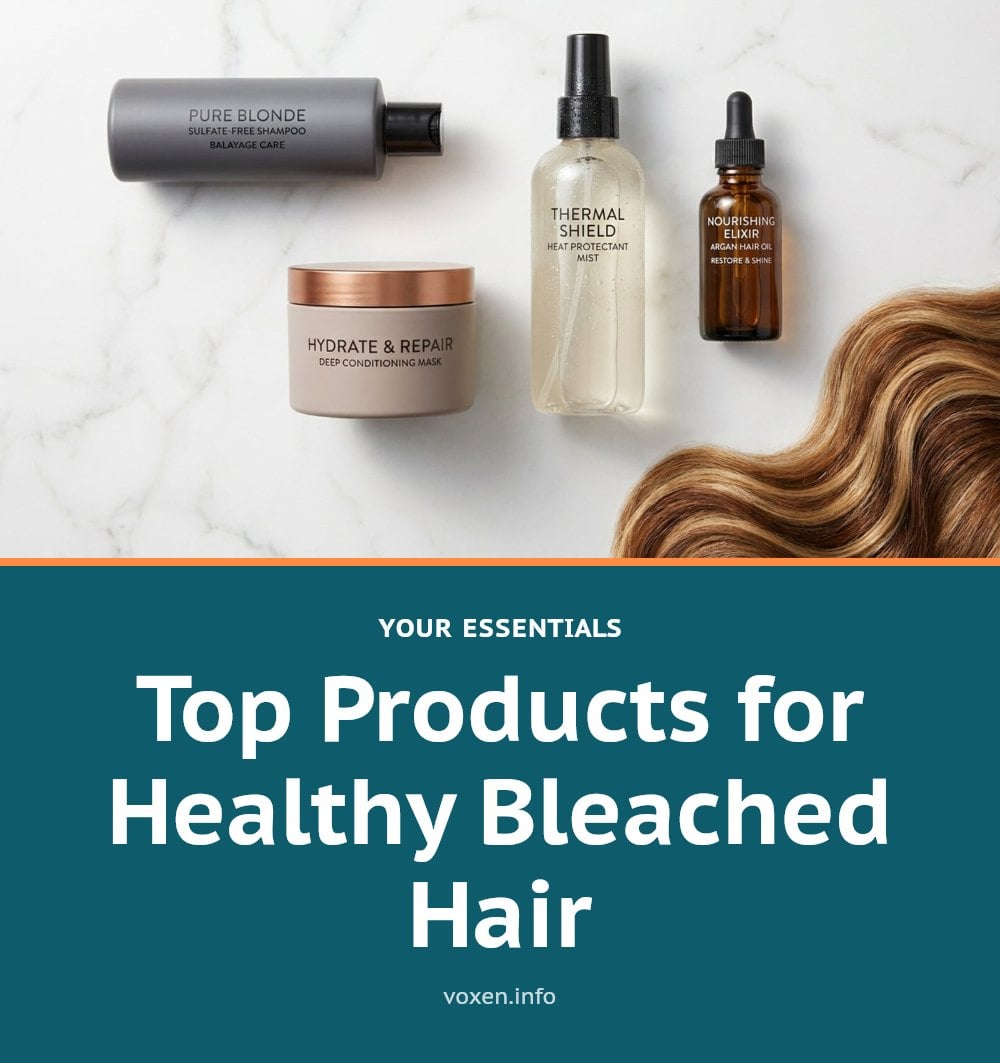
Stock your bathroom with these essentials to keep bleached hair in top condition:
- Sulfate-free shampoo: Prevents stripping natural oils and color.
- Color-safe conditioner: Maintains moisture and vibrancy.
- Deep conditioning mask: Provides intense hydration once or twice a week.
- Leave-in conditioner: Offers continuous moisture and protection.
- High-quality hair oil (like argan oil): Penetrates deeply to heal from within.
- Reparative cream (like Olaplex No. 6): Rebuilds hair structure after washing.
- Heat protectant spray: Shields hair from styling damage.
- Purple toning shampoo/conditioner: Neutralizes yellow or brassy tones.
- Wide-tooth comb: Detangles wet hair gently.
- Microfiber towel: Reduces friction and breakage when drying.
Your Step-by-Step Guide to Healing Bleached Hair
- Take a break from the cause of damage: Stop heat styling, coloring, or bleaching for at least 4 to 6 weeks. This gives your hair time to recover and regain strength before you add more stress.
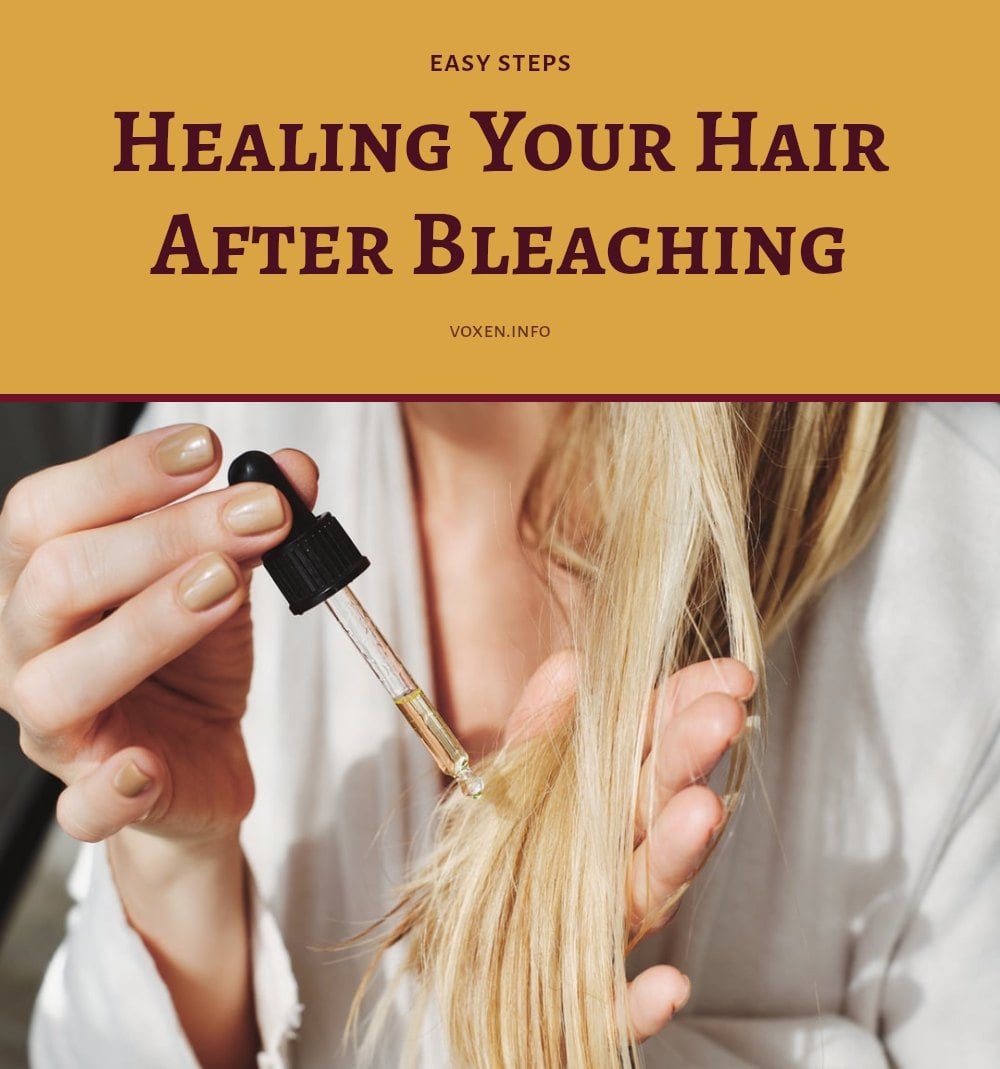
- Nourish with argan oil: Apply a high-quality argan oil to damp or dry hair. Its small molecules penetrate deep into the hair shaft, healing from the inside out. Look for argan oil from brands like Unite or Redken.
- Apply a reparative cream after washing: Within 30 seconds of stepping out of the shower, work a reparative cream like Olaplex No. 6 or Unite’s restorative cream into towel-dried hair. This rebuilds the hair’s structure while it is still most receptive.
- Air-dry 90% to 95% before heat styling: Let your hair air-dry almost completely before using any hot tools. Hair is most vulnerable when wet, and starting with damp hair requires more heat and causes more damage.
- Get regular trims: Trim about a quarter of an inch every two months (8 weeks). This removes damaged ends before they break further up the shaft, helping you retain healthy length.
Prefer to watch? ellebangs walks through the whole method in this 9-minute video. The how-to part starts at 2:04.
Common Mistakes to Avoid with Bleached Hair
If your bleached hair is already dry and over-fatigued, continuing to bleach or color it will only worsen the damage and prevent you from reaching your desired color. Give your hair a break instead.
Mistake: Using coconut oil for deep repair. Its larger molecules only provide a temporary surface shine and don’t penetrate or heal the hair. Choose argan oil instead, which has small molecules that work from the inside out.
Going straight from a wet, towel-dried state to blow-drying or heat styling is damaging. Hair is most vulnerable when wet and requires more heat to dry. Let it air dry 90% to 95% first.
Avoiding haircuts when trying to grow bleached hair is counterproductive. Damaged ends break off, preventing you from seeing actual length retention. Trim about a quarter of an inch every two months.
Best Tips for Maintaining Bleached Hair

My tip: Invest in products that work for you while you sleep and continue to benefit your hair even after washing. These products heal from the inside out.
My tip: Use sulfate-free and color-safe shampoos and conditioners to prevent stripping natural oils and color.
Tip: Incorporate a leave-in conditioner or hair oil into your daily routine for continuous moisture and protection.
Good to know: Protect your hair from sun exposure with hats or UV-protective sprays, as sun can further dry out and fade bleached hair.
Pro move: Rinse hair with cool water after conditioning to help close the cuticle and seal in moisture.
Quick tip: Sleep on a silk or satin pillowcase to reduce friction and prevent breakage.
When to Consult a Professional Stylist
If your hair feels gummy or stretchy when wet, it is severely damaged and needs intensive protein and moisture treatments, often best guided by a professional. Excessive breakage or hair falling out in clumps also indicates severe damage; consult a professional stylist immediately.
Avoid further chemical treatments like perms or relaxers on freshly bleached hair without professional advice. Always perform a strand test before applying new products, especially toners, to ensure desired results and prevent adverse reactions, or have a stylist do it.
Frequently Asked Questions
How often should I wash bleached hair?
Aim to wash your hair no more than two to three times a week. Overwashing strips natural oils that bleached hair desperately needs, leading to dryness and breakage. On non-wash days, use a dry shampoo if needed.
Can I color my hair again after bleaching?
It is best to wait at least 4 to 6 weeks before applying any additional color or chemical treatments. This gives your hair time to regain strength and reduces the risk of over-processing, which can cause severe damage or breakage.
What products should I avoid on bleached hair?
Avoid shampoos and conditioners that contain sulfates, as they strip natural oils and color. Also skip products with high alcohol content, which can dry out already porous hair. Stick to formulas labeled sulfate-free and color-safe.
How can I prevent brassy tones in blonde hair?
Use a purple toning shampoo or conditioner once every few washes to neutralize yellow or brassy tones. Leave it on for a few minutes before rinsing, but do not overuse it, as it can make hair look dull or ashy.
Is coconut oil good for bleached hair?
Coconut oil has larger molecules that sit on the surface of the hair, providing temporary shine rather than deep repair. For bleached hair, argan oil is a better choice because its smaller molecules penetrate the hair shaft and heal from the inside out.
Final Thoughts
Stick to a routine that prioritizes moisture and gentle care. Use reparative creams and argan oil consistently, and give your hair a break from additional chemical treatments for at least a month. With regular trims and protective habits, you can keep bleached hair soft and healthy long term.

