You might be doing everything you think is right for your hair, yet it still feels dry, brittle, or just doesn’t look as healthy as you’d like. The truth is, many common daily habits can actually be working against you without you even noticing. This article walks you through the most frequent hair care mistakes and gives you simple, practical fixes to get your hair back on track.
Key Takeaways
- Wash your hair every 2-3 days with lukewarm water, focusing shampoo on the scalp.
- Apply conditioner only to the mid-lengths and ends, never directly on the scalp.
- Gently blot wet hair with a microfiber towel and detangle with a wide-tooth comb.
- Always use a heat protectant spray before any heat styling tools.
- Get a trim every 6-8 weeks to prevent split ends from traveling up the hair shaft.
The Most Common Hair Care Mistakes You’re Probably Making
Many of us damage our hair without realizing it through daily habits like washing too often, rubbing it dry with a towel, or applying products the wrong way. Over-washing strips natural oils, aggressive drying causes breakage, and conditioner on the scalp weighs hair down. The fix starts with knowing your hair type and adjusting your routine around these pitfalls. Once you do, you will see stronger, shinier, and more vibrant hair that actually looks healthy.
Why Your Hair Isn’t as Healthy as It Could Be
Why Your Hair Isn’t as Healthy as It Could Be
Washing your hair every day strips away the natural sebum that protects and moisturizes each strand. Your scalp then tries to compensate by producing even more oil, which can leave hair greasy at the roots and dry at the ends. Hot water makes matters worse by lifting the cuticle, allowing moisture to escape and color to fade faster.
Brushing wet hair with a regular brush is one of the fastest ways to cause breakage. Hair is at its most fragile when wet, and aggressive brushing stretches and snaps the strands. Without a heat protectant, prolonged exposure to high heat from styling tools can break down the protein bonds inside the hair, leading to split ends and irreversible damage over time.
Neglecting your scalp is another hidden cause of lackluster hair. Buildup from dead skin cells, excess oil, and product residue clogs follicles and can slow growth or trigger dandruff. A clean, balanced scalp is the foundation for strong, healthy hair.
Mistakes You’re Making and How to Fix Them
Washing too frequently or with hot water: Use lukewarm water and wash every 2-3 days. Applying conditioner to roots: Focus conditioner on mid-lengths and ends. Roughly towel-drying or brushing wet hair: Blot gently with a microfiber towel and detangle with a wide-tooth comb. Overusing heat tools without protection: Always use heat protectant and keep the temperature below 300°F for fine hair or 350°F for thicker hair. Neglecting regular trims: Get trims every 6-8 weeks to remove split ends. Using dirty brushes or damaging hair ties: Clean brushes weekly and use silk or satin ties.
Your Essential Hair Care Toolkit
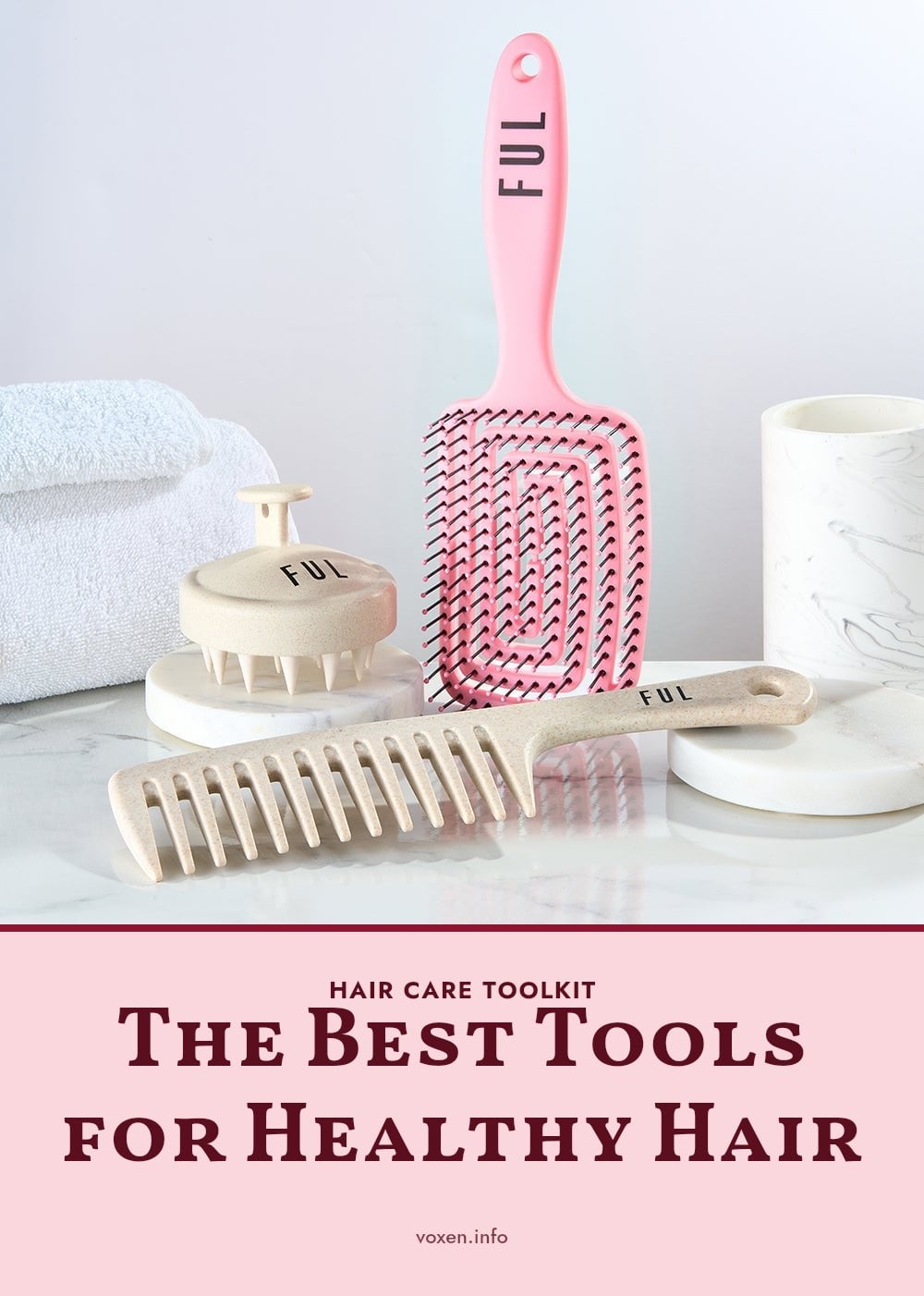
Start with a shampoo and conditioner formulated for your specific hair type, whether that’s curly, color-treated, or fine. A leave-in conditioner adds extra moisture and shields strands from daily stressors.
Before any heat styling, spray on a heat protectant to prevent damage. For wet hair, use a wide-tooth comb to detangle gently, starting at the ends and working up.
Swap your regular towel for a microfiber one to cut down friction and breakage. A silk or satin pillowcase minimizes frizz while you sleep. And don’t forget a brush cleaner, use it weekly to remove buildup and oils that transfer back to your hair.
Pro Tips for Healthier, Shinier Hair
Shampoo should be concentrated on your scalp, not the ends. The scalp produces oil and collects dirt, so scrubbing just the lengths leaves buildup behind. Rinse your conditioner with cooler water for the last 30 seconds. The temperature drop helps seal the cuticle, which reflects light and adds shine.
My tip: Add a weekly scalp massage or treatment to stimulate blood flow. Better circulation can support healthier hair growth. Sun exposure is another hidden culprit. UV rays weaken the hair shaft, so wear a hat or use a UV-protective spray on sunny days. Also pay attention to how tightly you tie your hair. Constant tension from tight ponytails or buns can cause breakage along the hairline.
What to Expect: Timeline for Hair Health Improvement
You can expect to see initial changes in texture and shine within a few weeks of consistent care. More significant improvements, like reduced breakage and visible growth, take several months as new, healthier hair grows in. Sticking with trims every 6 to 8 weeks prevents split ends from traveling up the shaft and keeps your ends looking fresh.
Costs vary widely. Drugstore shampoos and conditioners are budget-friendly, while salon brands cost more. Tools like a microfiber towel or silk pillowcase are a one-time investment that pays off over time.
When to Consult a Professional About Your Hair
If you notice significant or sudden hair loss, make an appointment with a dermatologist. Persistent scalp issues like severe dandruff, chronic dryness, or excessive oiliness also need a professional opinion. For chemical treatments, color changes, or major haircuts, always go to a qualified hairstylist.
Caution: Stop using any product that consistently causes scalp irritation, redness, or itching. If the reaction doesn’t resolve, see a doctor to rule out an allergy or underlying condition.
Frequently Asked Questions
How often should I wash my hair?
It depends on your hair type and lifestyle, but for most people, washing every 2-3 days is a good starting point. If your scalp is very oily or you exercise heavily, you may need to wash more often. If your hair is dry or curly, you can stretch it to once a week or even longer.
Can changing my pillowcase really help my hair?
Yes, it can. Cotton pillowcases create friction that leads to frizz, tangles, and breakage, especially for curly or delicate hair. Switching to a silk or satin pillowcase reduces that friction, helping your hair stay smoother and less damaged while you sleep.
What’s the best way to detangle wet hair?
Use a wide-tooth comb and start at the very ends, working your way up in small sections. Never use a traditional brush on wet hair, because it’s at its most fragile state and prone to snapping. A detangling spray or leave-in conditioner can also help glide the comb through.
How do I know if I’m using too much product?
If your hair feels heavy, greasy, or looks dull shortly after styling, you’re likely overdoing it. Buildup from too much product can also make your hair feel sticky or look flat. Try using half the amount you normally would and see if your hair feels lighter and more bouncy.
When should I use a leave-in conditioner?
Use a leave-in conditioner after every wash, especially if your hair is dry, curly, color-treated, or prone to tangles. It adds extra moisture and acts as a protective layer against heat and environmental stressors. Apply it to damp, towel-dried hair before any other styling products.
Final Thoughts
Start with just one or two changes, like switching to a cool rinse after conditioning or swapping your cotton pillowcase for a silk or satin one. You can expect to notice a difference in shine and texture within a few weeks, with more significant improvements over several months as healthier hair grows in. Small, consistent adjustments make all the difference.

