If you have straight hair, you might have noticed that not all straight hair behaves the same way. Some strands feel silky and fall flat quickly, while others are strong and resistant to styling. The difference often comes down to your specific hair type: fine, medium, or coarse. This article breaks down the straight hair type chart, explains how to identify your strand thickness, and shares care tips tailored to each type.
Key Takeaways
- Straight hair is classified by strand thickness: fine, medium, or coarse.
- Fine straight hair needs lightweight, volumizing products to avoid being weighed down.
- Coarse straight hair requires regular deep conditioning to combat dryness and frizz.
- Use the thread test to determine your strand thickness at home.
- Re-evaluate your hair care routine every few months, as needs can change with age or environment.
Understanding Your Straight Hair Type
Straight hair (Type 1) is classified by strand thickness: fine, medium, or coarse. This distinction matters because each thickness responds differently to products and styling. Choosing the wrong formula can weigh fine hair down or fail to control coarse hair. Knowing your type helps you build a routine that targets volume, smoothness, or moisture without guesswork.
The Difference Between Fine, Medium, and Coarse Straight Hair
The Difference Between Fine, Medium, and Coarse Straight Hair
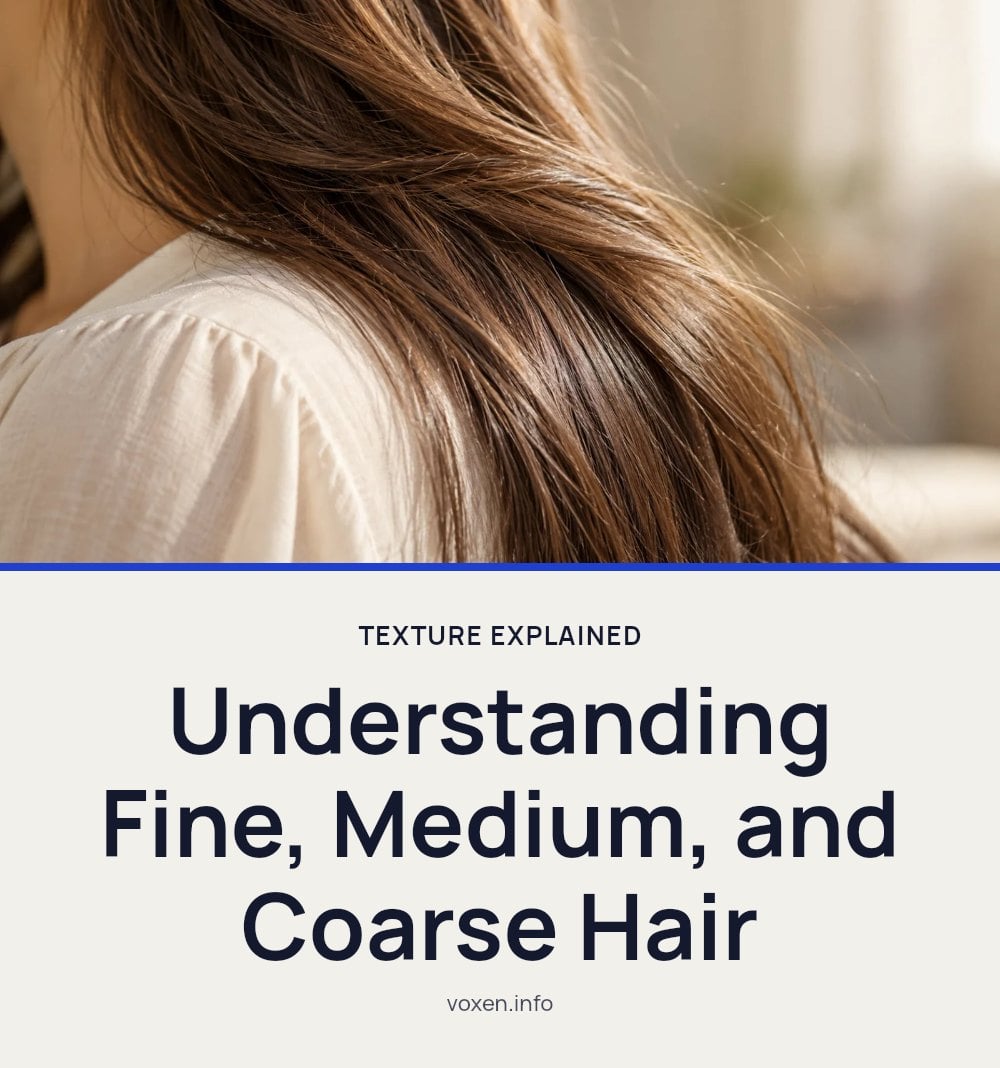
Fine straight hair has the smallest diameter of the three types. It feels silky and soft to the touch but is easily weighed down by heavy creams or oils. Medium straight hair sits in the middle. Its balanced diameter gives it good strength and flexibility, making it the most adaptable type. Coarse straight hair has the largest diameter. It feels strong and often rough, and it resists styling and product penetration. Products that work on fine hair may not even reach the inner layers of coarse strands.
How to Determine Your Straight Hair Type
How to Determine Your Straight Hair Type
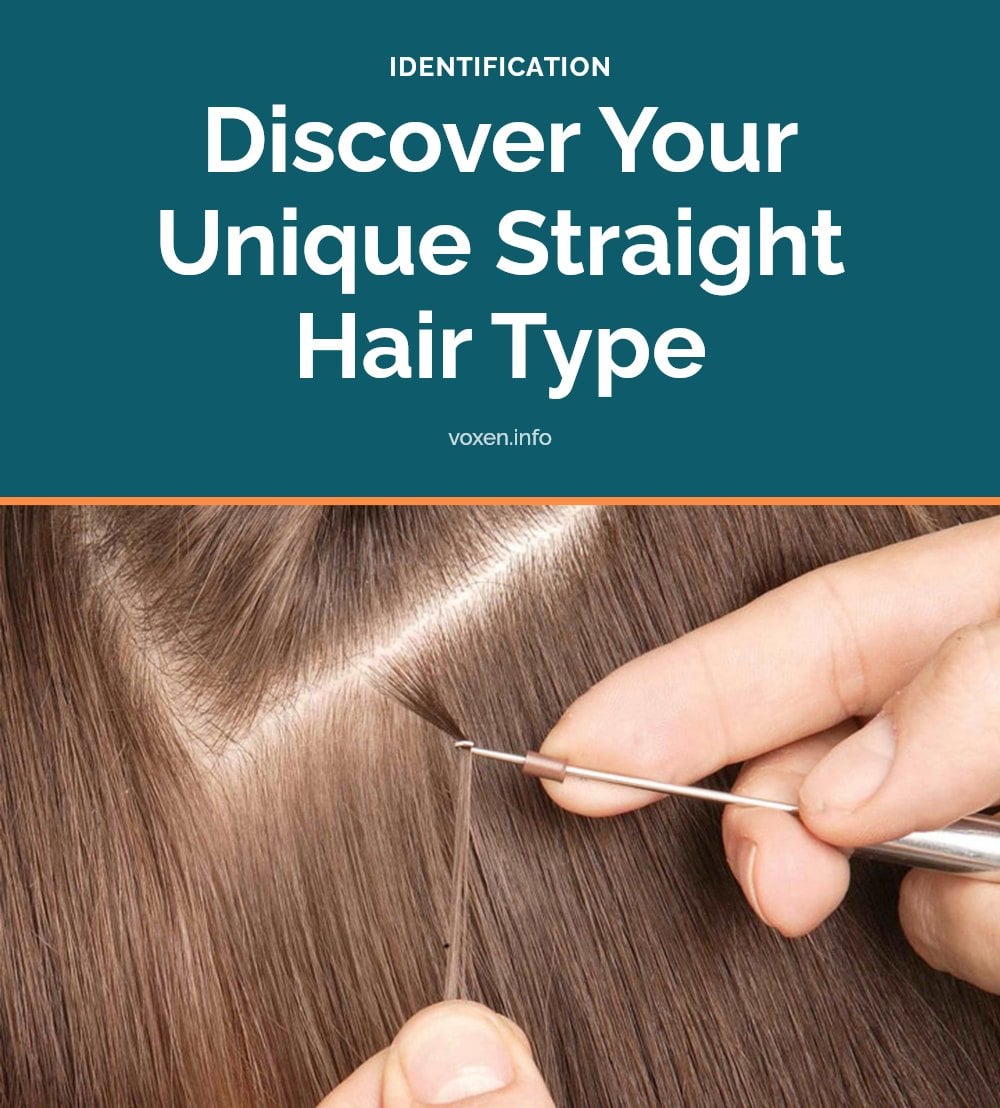
The quickest way to gauge your strand thickness is the thread test. Pluck a single clean strand of hair and lay it next to a piece of standard sewing thread. If your hair is thinner than the thread, it is fine. If it looks about the same width, it is medium. If it is noticeably thicker, it is coarse.
Tip: Pay attention to how your hair behaves. Fine hair tends to get greasy by the end of the day. Medium hair holds styles well without much effort. Coarse hair often feels dry or frizzy and takes longer to absorb products. Use these clues alongside the thread test for a more reliable read.
Straight Hair Type Chart: Characteristics and Care
| Hair Type | Characteristics | Care Tips |
|---|---|---|
| Fine | Prone to oiliness, lacks volume, easily weighed down | Use lightweight, volumizing products; avoid heavy oils |
| Medium | Balanced strength and flexibility, easy to manage | Generally versatile; experiment to find what works best |
| Coarse | Prone to frizz and dryness, resists product penetration | Prioritize deep conditioning and humectants for moisture |
Fine hair needs lightweight formulas to avoid flattening. Medium hair adapts well to most routines. Coarse hair requires intensive moisture to combat frizz and dryness. Always use a heat protectant when styling any straight hair type.
Common Hair Typing Mistakes to Avoid
One of the biggest mistakes I see is confusing hair density with strand thickness. Density refers to how many hairs you have per square inch of scalp, while thickness is the diameter of each individual strand. You can have high density but fine strands, or low density with coarse strands.
Another common error is using products formulated for curly or coily hair on straight hair. Those products are heavier and can leave straight hair greasy and limp, stripping away any natural volume. Assuming all straight hair needs the same routine is also a trap: fine, medium, and coarse straight hair have completely different needs.
Tip: Don’t overlook porosity. How well your hair absorbs and retains moisture directly affects which products will work for you. A quick strand test in water can give you a clue about your porosity level.
Best Tips for Caring for Your Straight Hair Type
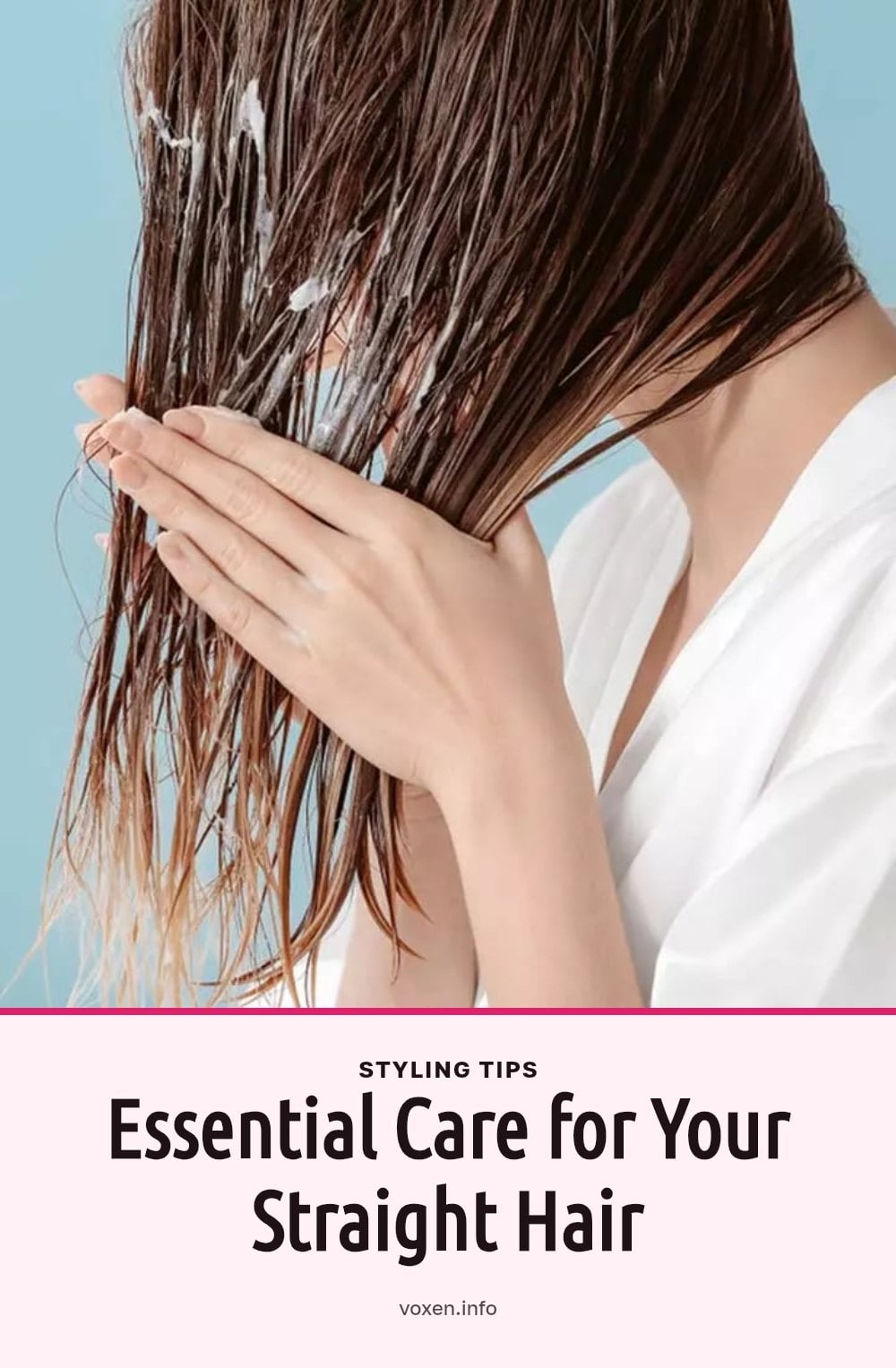
For fine straight hair, stick with lightweight, volumizing shampoos and conditioners. Avoid heavy oils or butters that will flatten your hair. A volumizing mousse at the roots works wonders.
Medium straight hair is the most versatile, so experiment with different products to find your perfect match. You can usually handle a wider range of formulas without issues.
For coarse straight hair, deep conditioning is non-negotiable. Look for masks with humectants like glycerin or honey to combat dryness and frizz. My tip: always apply a heat protectant spray before using any hot tools, no matter your hair type.
Detangle gently with a wide-tooth comb, especially when your hair is wet, to prevent breakage. Start from the ends and work your way up.
When to Re-Evaluate Your Hair Type and Routine
Your hair type is generally stable, but its needs can shift due to age, hormonal changes, diet, or even your environment. If you notice your hair suddenly feels oilier, drier, or harder to style, it might be time to reassess.
I recommend re-evaluating your routine every few months. Pay attention to how your hair responds to products. If something stops working, adjust. Listening to your hair is the best way to keep it healthy.
Frequently Asked Questions
Can hair type change over time?
Yes, hair type can shift due to age, hormonal changes, diet, and environmental factors. If you notice your hair suddenly feels oilier, drier, or harder to manage, it may be time to reassess your strand thickness and adjust your products accordingly.
Is hair density the same as hair type?
No, they are different. Hair density refers to how many strands you have per square inch of scalp, while hair type here means the thickness of each individual strand. You can have high density with fine strands or low density with coarse strands, so don’t confuse the two.
How does porosity affect straight hair care?
Porosity determines how well your hair absorbs and retains moisture. Low porosity hair repels water and products, while high porosity hair soaks them up quickly but loses moisture fast. Testing porosity by placing a strand in water can help you choose the right leave-in or deep conditioner for your straight hair.
What is the Andre Walker Hair Typing System?
The Andre Walker system categorizes hair by curl pattern: Type 1 is straight, Type 2 is wavy, Type 3 is curly, and Type 4 is coily. Within Type 1, straight hair is further classified by strand thickness as fine, medium, or coarse. It’s a popular starting point for understanding your hair.
Why is it important to know my straight hair type?
Knowing whether your straight hair is fine, medium, or coarse helps you choose products and techniques that work with your hair, not against it. Using the wrong formula can leave fine hair flat or fail to control coarse hair, so identifying your type saves time and frustration.
Final Thoughts
My tip is to start with the thread test to identify your straight hair type, then pick one new product tailored to that thickness. Expect to see a difference in how your hair responds within a few washes. Once you match your routine to your strand thickness, styling becomes simpler and your hair looks its best every day.

