You’ve tried every shampoo and conditioner promising perfect hair, but the results just aren’t there. The truth is, healthy hair starts from the inside out, with what you eat and how you treat your strands daily. This article covers the key foods and habits that can make a real difference in your hair’s strength, shine, and growth.
Key Takeaways
- Eat enough protein, biotin, iron, and omega-3s to support strong hair from within.
- Use a wide-tooth comb on wet hair and always apply a heat protectant before styling.
- Schedule a trim every 6 to 8 weeks to prevent split ends from traveling up the shaft.
- Manage stress levels to avoid disrupting your hair growth cycle and causing shedding.
- Consult a doctor or dermatologist for sudden or significant hair loss, not just a new product.
Beyond the Bottle: What Truly Makes Hair Healthy?
Healthy hair starts from within. It’s not about the most expensive shampoo or conditioner on the shelf. Your hair’s condition is a direct reflection of your overall well-being, including your diet, how you treat your strands, and your stress levels. Think of it as a holistic approach: what you eat, how you handle your hair, and how you live all contribute to its strength, shine, and vitality. Nourish your body with a balanced diet, adopt gentle care routines, and manage lifestyle factors for real, lasting results.
1. Prioritize Protein Power
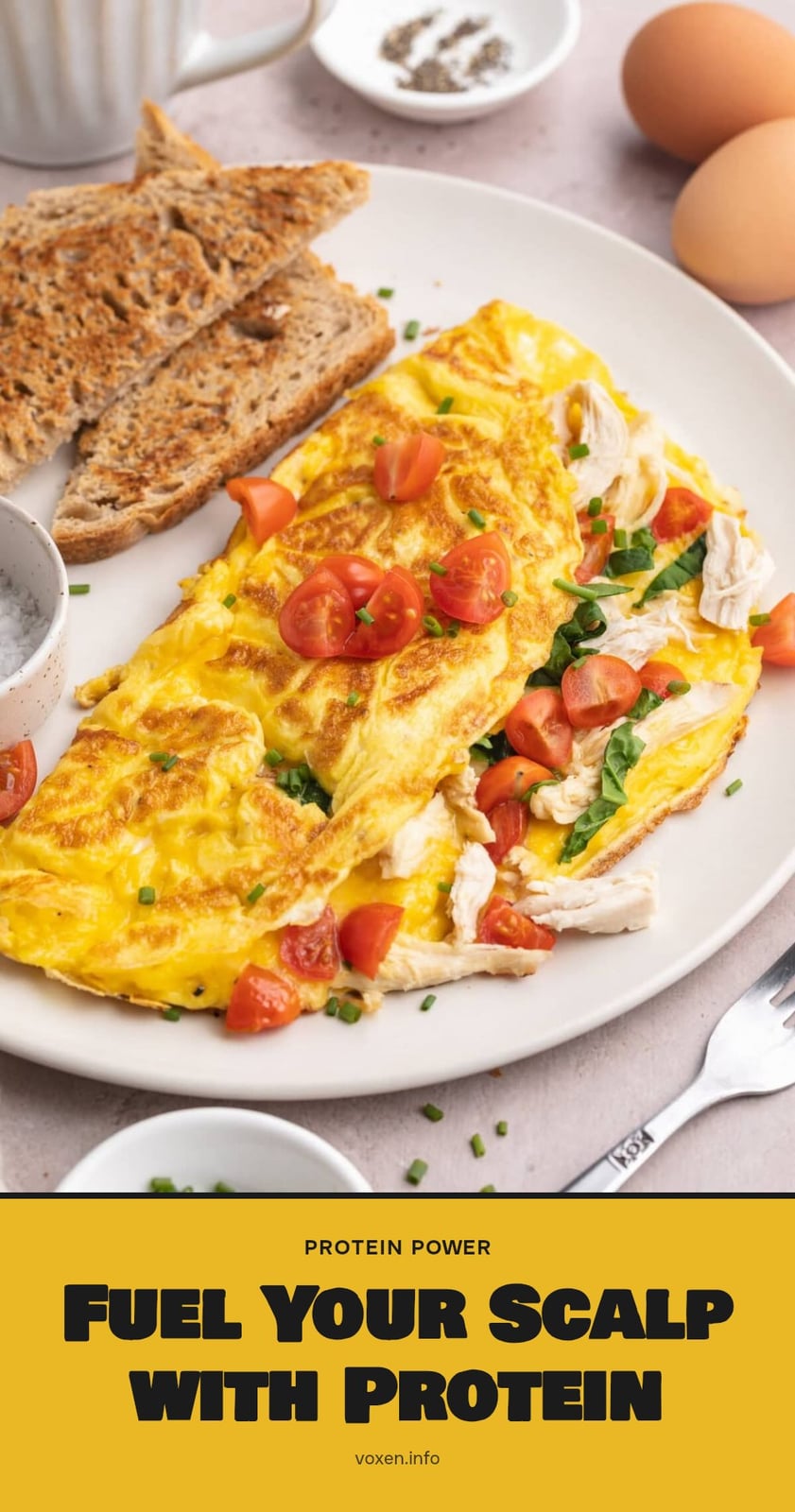
Your hair is primarily made of a protein called keratin, so getting enough protein in your diet is non-negotiable for strong growth. Think of protein as the building blocks for each strand. Without enough, your hair can become weak, brittle, and more prone to breakage.
My tip: Include a source of lean protein at every meal. Think eggs at breakfast, grilled chicken or fish at lunch, and legumes or nuts as snacks. This gives your hair the foundation it needs to grow strong.
2. Boost Biotin and B Vitamins
Biotin, also known as Vitamin B7, is often called a hair hero because it supports the production of keratin, the protein your hair is made of. While you can find biotin in supplements, getting it from food is easy and effective. Natural sources include nuts, sweet potatoes, and avocados.
Other B vitamins also play a supporting role, helping your body metabolize nutrients and produce energy for your hair follicles. A diet rich in whole grains, leafy greens, and eggs covers your B-vitamin bases nicely.
3. Ensure Enough Iron
Iron is essential because it helps red blood cells carry oxygen to your hair follicles. When follicles don’t get enough oxygen, hair growth can slow down, and a deficiency may even lead to hair loss.
My tip: Load up on iron-rich foods like spinach, red meat, lentils, and fortified cereals. Pair them with a source of Vitamin C, such as a squeeze of lemon or a side of bell peppers, to boost absorption significantly.
4. Embrace Omega-3 Fatty Acids
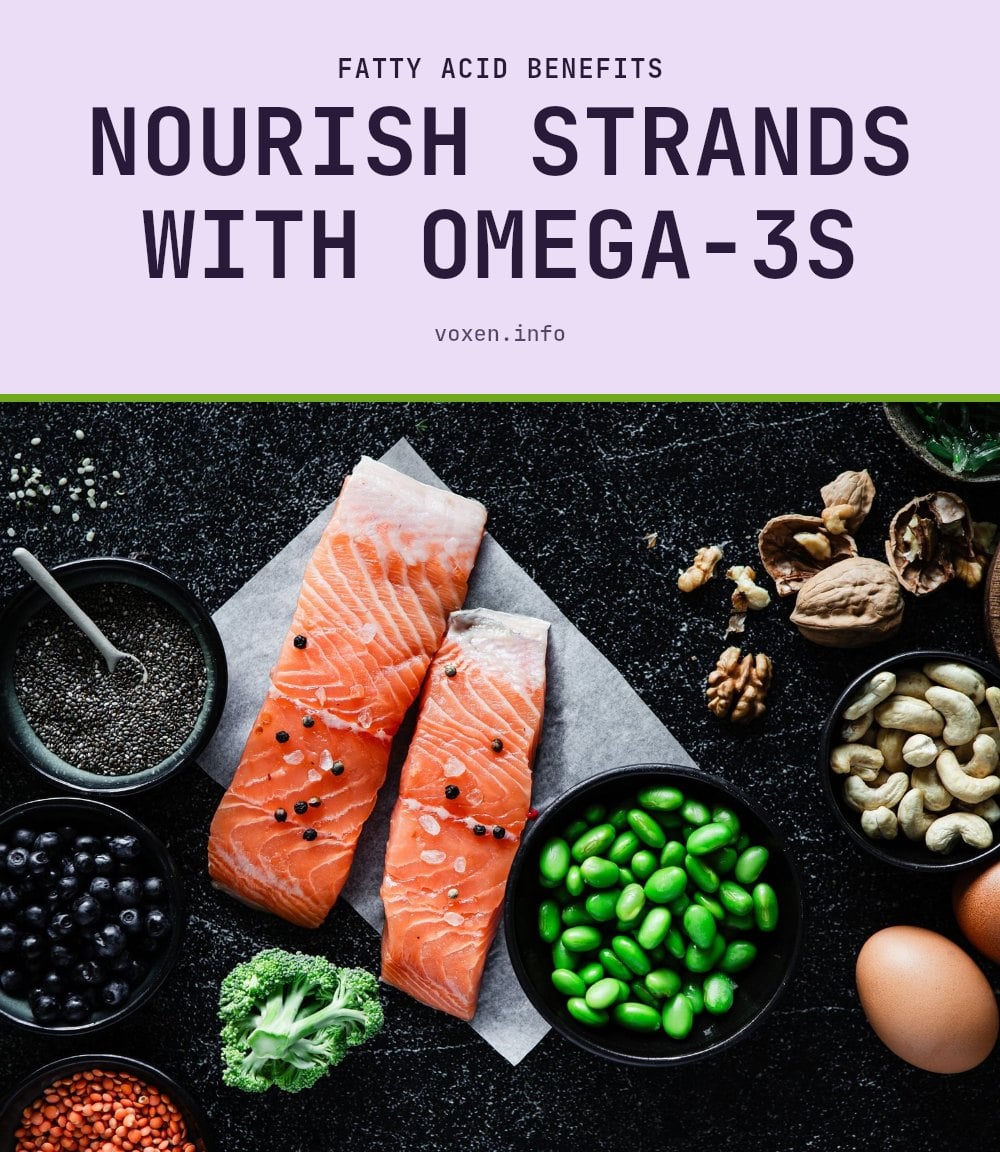
Omega-3 fatty acids are a powerhouse for scalp health and hair hydration. They help reduce inflammation around hair follicles, which can support a healthier growing environment. You’ll find these healthy fats in fatty fish like salmon, as well as in flax seeds, chia seeds, and walnuts. Adding a few servings of these to your weekly meals can give your scalp the moisture it needs for natural luster.
5. Get Your Vitamin C
Vitamin C is a must for collagen production, a protein that gives hair its structure and strength. It also boosts your body’s ability to absorb iron, making it a key partner for hair health. Tip: Reach for citrus fruits, bell peppers, strawberries, and broccoli to get your daily dose. These foods are easy to add to salads, smoothies, or snacks.
6. Don’t Forget Zinc
Zinc plays a direct role in hair tissue growth and repair, helping keep strands strong. A deficiency in this mineral can actually lead to hair loss, so it’s worth paying attention to your intake. Good sources include oysters, pumpkin seeds, beef, and lentils. Including a few of these in your diet can help support your hair’s natural growth cycle.
7. Hydrate From Within

Drinking enough water is fundamental for your overall health, and your hair follicles rely on it too. Well-hydrated follicles are better able to support healthy hair growth from the root. Good to know: Aim for at least 8 glasses of water a day to keep everything, including your hair, functioning optimally. It’s a simple habit that makes a real difference over time.
8. Be Gentle with Wet Hair
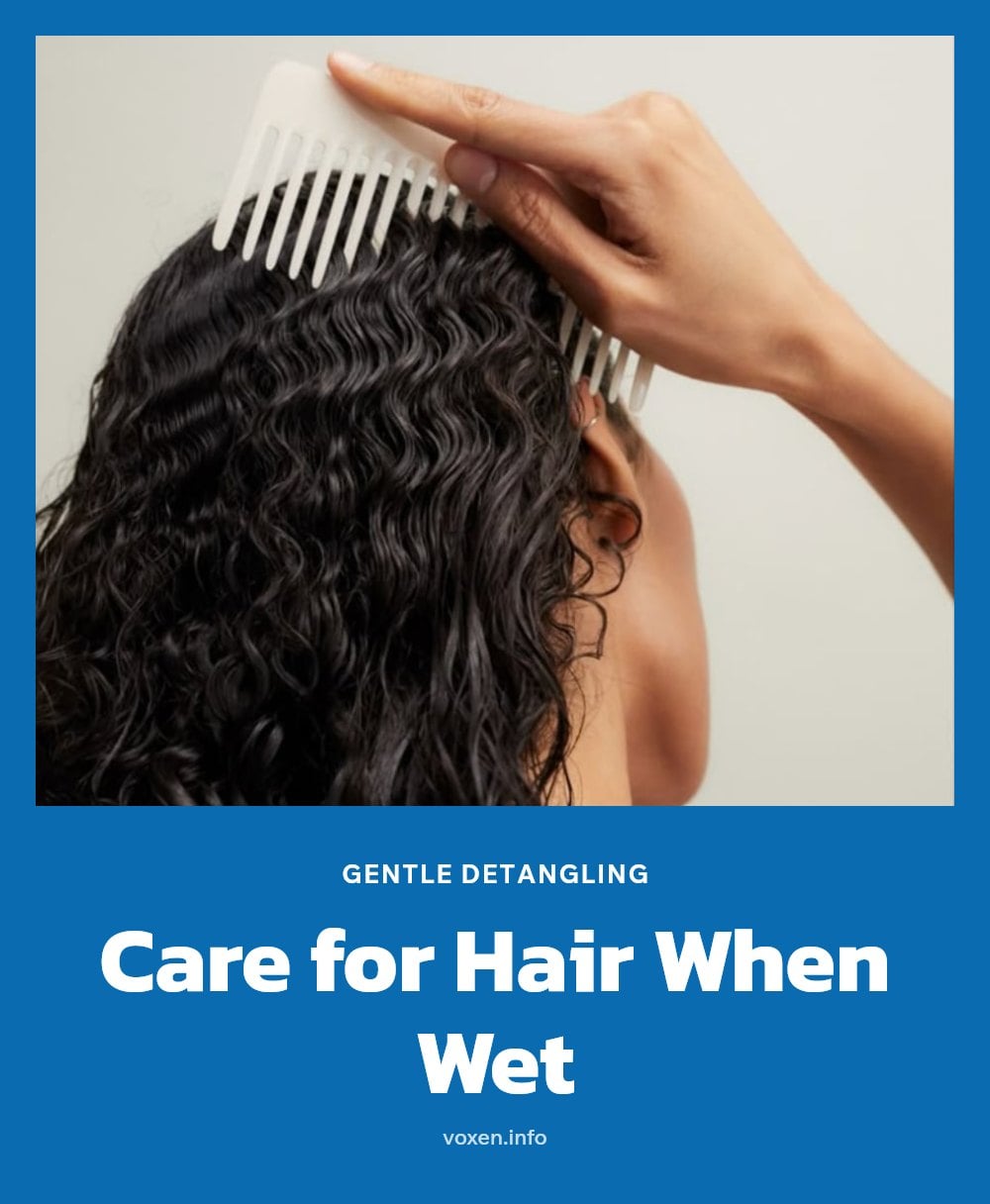
Wet hair is at its most vulnerable state, and aggressive brushing is a fast track to breakage. I’ve seen it ruin great hair days more times than I can count.
Pro move: Always use a wide-tooth comb to detangle wet hair. Start from the ends and gently work your way up to the roots. This technique minimizes stress on each strand and prevents unnecessary snapping.
9. Limit Heat Styling
Excessive heat from flat irons, curling irons, and blow dryers can damage the hair cuticle, leading to dryness, frizz, and breakage over time. Less heat is always better for your hair.
When you do use heat, always apply a heat protectant spray first. It creates a barrier that minimizes damage and keeps your strands healthier in the long run.
10. Regular Trims Are Key
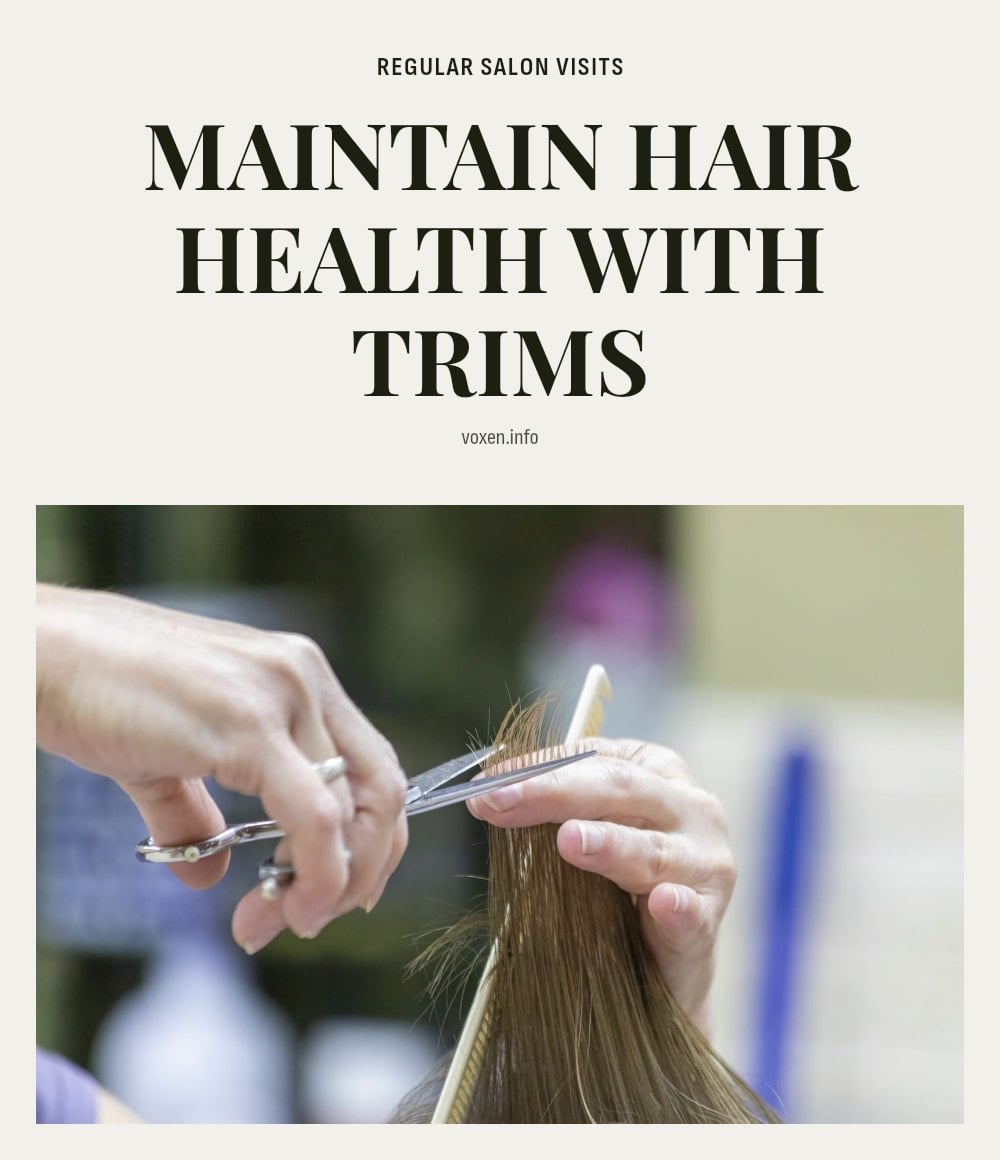
It may seem counterintuitive if you’re trying to grow your hair, but regular trims are essential for preventing split ends from traveling up the hair shaft. Split ends make hair look unhealthy and can lead to further damage.
Quick tip: Schedule a trim every 6 to 8 weeks to keep your ends fresh and your hair looking its healthiest. This simple habit helps maintain length and overall hair quality.
11. Manage Your Stress
Stress can significantly impact your hair growth cycle, potentially leading to increased shedding. When your body is under chronic stress, it diverts resources away from non-essential functions like hair growth.
Find healthy ways to manage stress, whether through exercise, meditation, hobbies, or spending time in nature. Your hair and your mind will thank you for it.
When to Seek Professional Help for Hair Concerns
Sudden or significant hair loss warrants a visit to a doctor or dermatologist. It can signal an underlying health condition that needs attention, so don’t assume it’s always normal shedding.
Before adding any hair supplement to your routine, talk to a healthcare provider first. This matters especially if you have existing health conditions or are pregnant, since supplements can interact with medications or affect your body differently.
Persistent scalp issues like severe itching, redness, or flaking also deserve a professional evaluation. These symptoms may point to a treatable condition, and a dermatologist can give you a proper diagnosis.
Caution: If you’re considering chemical treatments or dyes, always do a patch test 48 hours beforehand. This helps you catch allergic reactions or irritation before they affect your whole scalp.
Frequently Asked Questions
How long does it take to see results from healthy hair habits?
Because hair grows slowly, improvements from dietary and lifestyle changes can take several weeks to months to become noticeable. Consistency with your new habits is key, so don’t expect overnight changes.
Can stress really cause hair loss?
Yes, stress can impact your hair growth cycle and may lead to increased shedding. Chronic stress diverts resources away from non-essential functions like hair growth, so managing stress through exercise or hobbies is important for your hair’s health.
Is it bad to wash your hair every day?
Washing your hair every day can strip it of natural oils, leading to dryness and potential breakage for many people. How often you should wash depends on your hair type and scalp, but many find that every other day or less works best.
Do hair supplements actually work for healthy hair?
Some supplements may help if you have a specific deficiency, but they are not a magic solution. It’s best to get nutrients from food first, and always talk to a healthcare provider before starting any new supplement regimen.
What are the best foods for hair growth?
Foods rich in protein, biotin, iron, and omega-3s are excellent for hair growth. Think eggs, lean meats, fatty fish like salmon, nuts, seeds, spinach, and citrus fruits to support strong, healthy strands.
Final Thoughts
Start by adding one or two protein-rich foods or omega-3 sources to your meals this week, and swap your brush for a wide-tooth comb on wet hair. Realistic improvements, like less breakage and more shine, can take several weeks to months to become noticeable because hair grows slowly. Stick with these habits, and your hair will thank you.
This article is for general informational purposes only and does not constitute medical or professional advice. Always consult a doctor, dermatologist, or qualified healthcare provider for any persistent or serious hair concerns, before starting new supplements, or if you experience sudden hair loss.

