If you’ve noticed indentations on the sides of your hips and wondered if something is wrong, you’re not alone. Hip dips are a normal part of your anatomy, not a flaw or a sign of poor health. This article covers what hip dips are, why they appear, and what exercises can and cannot do to change their look.
Key Takeaways
- Hip dips are natural indentations caused by bone structure, not by weight or fitness level.
- No exercise or diet can completely eliminate hip dips because they are rooted in your skeleton.
- Strength training targeting the gluteus medius and minimus can make hip dips less noticeable over time.
- Consistent workouts for several weeks to months are needed to see subtle changes in the hip contour.
- Embrace your natural shape; hip dips are a normal variation and not something to fix.
What Exactly Are Hip Dips?
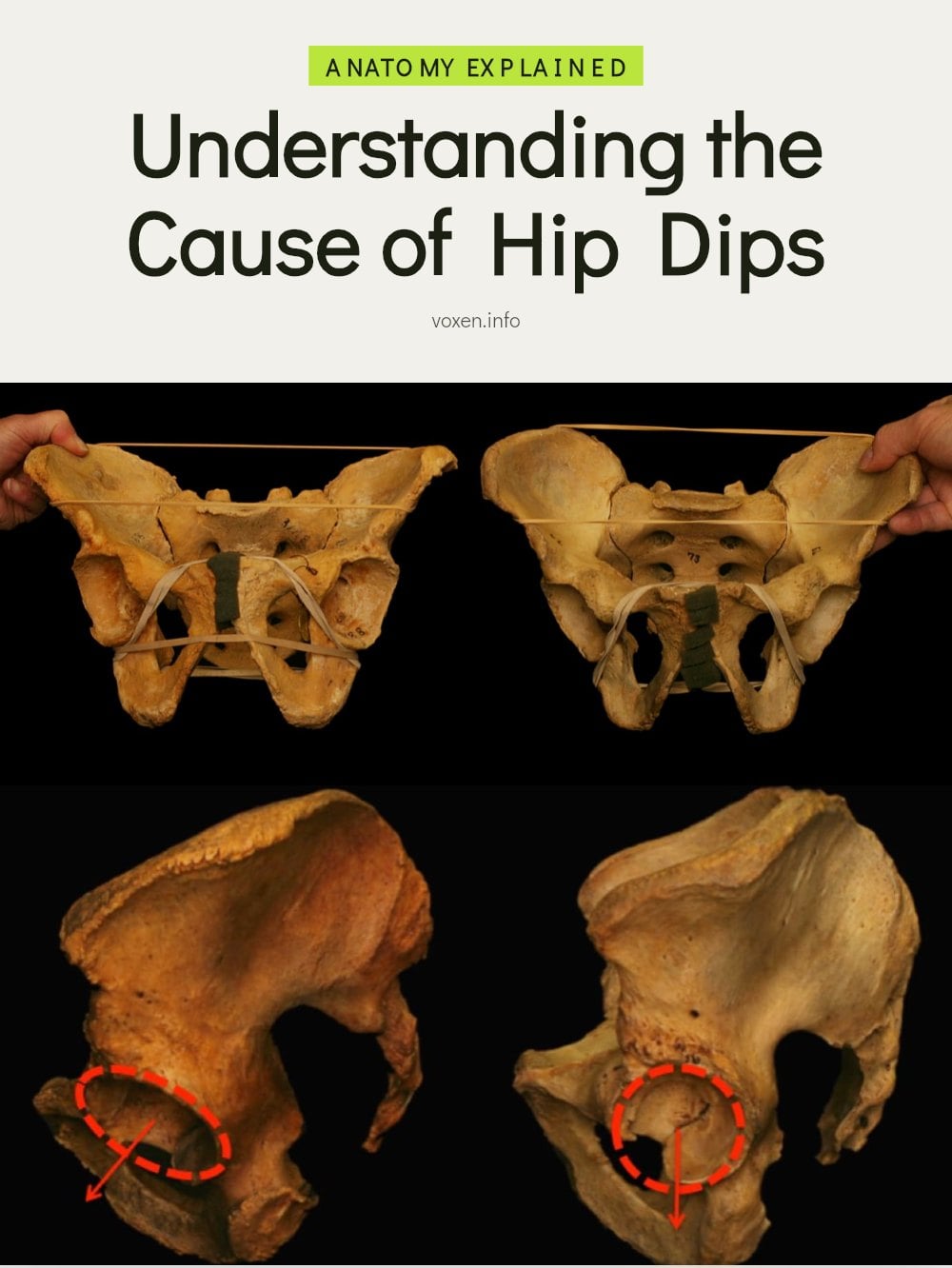
Hip dips, medically known as trochanteric depressions, are the natural indentations on the sides of your hips where the pelvis meets the thigh bone. They are a completely normal anatomical feature, not a flaw and not a sign of poor health. Their prominence comes down to your bone structure, muscle mass, and fat distribution. You can’t eliminate them through exercise, but building surrounding muscle can make them less noticeable.
Why Do Some People Have Hip Dips?
What Determines Their Appearance?
Your skeletal structure is the primary factor. The width of your hips and the angle of your femur dictate where that indentation sits, and that shape is largely determined by genetics.
Fat distribution and muscle mass in your gluteal and thigh areas also play a role. More muscle or fat in those regions can soften the contour, while very low body fat might make the dips more defined. Higher body fat can make them less noticeable.
- Bone structure: Hip width and femur angle set the baseline.
- Genetics: They decide whether you have prominent dips.
- Body composition: Muscle and fat distribution influence visibility.
Debunking Common Hip Dip Myths
Myth: Hip dips mean you’re unhealthy or overweight. Reality: They are a normal anatomical variation seen across all body types and fitness levels.
Myth: Targeted fat loss can eliminate hip dips. Reality: You cannot spot-reduce fat to change your bone structure. No exercise or diet will erase the indentation where your femur meets your pelvis.
Myth: Extreme diets or unproven remedies can fix them. Reality: There is no fix for a normal body feature. Hip dips are not a condition that needs curing.
Tools to Support Your Hip-Sculpting Workouts

You don’t need a gym full of gear to work on the muscles around your hips. A few simple tools will do.
- Resistance bands: Add challenge to glute and thigh exercises like lateral walks and squats.
- Dumbbells: Increase intensity and build muscle in compound moves.
- Ankle weights: Boost leg raises and abduction exercises.
- Exercise mat: Keep floor work comfortable and stable.
Exercises That Can Help Make Hip Dips Less Noticeable
Exercises That Can Help Make Hip Dips Less Noticeable
To create a smoother contour around the hips, focus on building the gluteus medius, gluteus minimus, and tensor fasciae latae. These muscles sit above and beside the hip dip indentation, and strengthening them can make the area appear fuller.
- Compound movements: Squats and lunges build overall leg and glute strength. They engage multiple muscles at once, including the glutes and outer thighs. Tip: Keep your knees aligned with your toes during lunges to protect the joints.
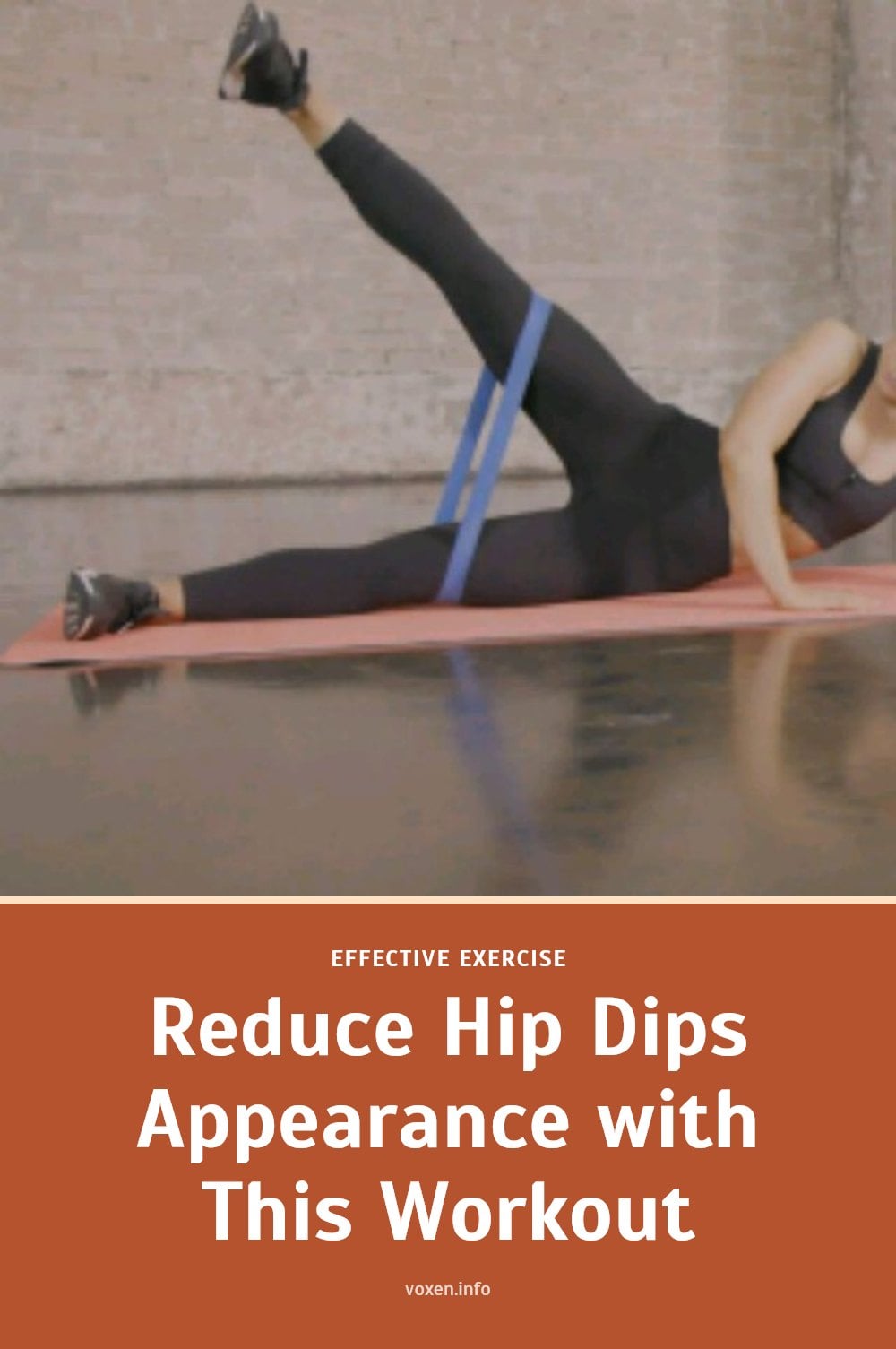
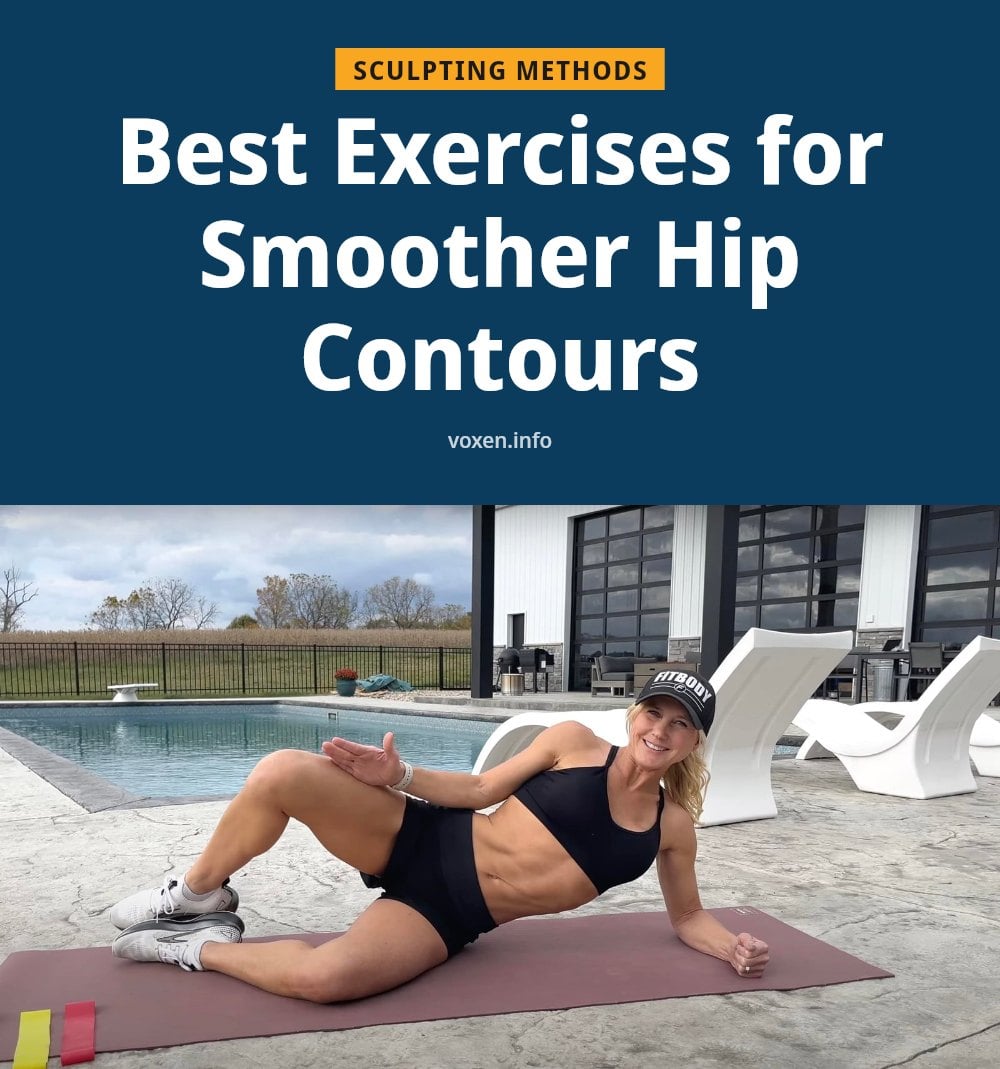
- Isolation exercises: Side leg raises and clam shells directly target the gluteus medius. Lie on your side with legs stacked, lift the top leg without rotating the hip, then lower slowly. Caution: Avoid swinging the leg; use controlled movement to keep tension on the muscle.
- Glute bridges: Lie on your back with knees bent and feet flat. Press through your heels to lift your hips toward the ceiling. Squeeze your glutes at the top for 2 seconds. This activates the entire glute group and supports the hip area.
- Form first: Always maintain a neutral spine and engage your core during each exercise. Poor form reduces effectiveness and increases injury risk.
Common Mistakes to Avoid When Addressing Hip Dips
Common Mistakes to Avoid When Addressing Hip Dips
- Believing exercises will completely ‘fill in’ hip dips: Bone structure is the primary factor, so no amount of muscle will erase the indentation. Focus on building surrounding muscle for a smoother look, not elimination.
- Focusing solely on cardio: Cardio supports heart health but does not build the glute and thigh muscles that can alter the dip’s appearance. Strength training is essential.
- Neglecting proper form: Incorrect alignment during exercises like squats or side leg raises can strain the hips and lower back. Always check your posture before adding weight.
- Overtraining one muscle group: A balanced routine that works all glute muscles and the thighs prevents imbalances and reduces injury risk.
Tips for a Holistic Approach to Your Body and Workouts
Tips for a Holistic Approach to Your Body and Workouts
- Embrace body positivity: Your natural body shape is beautiful and unique. I have learned that acceptance is key to enjoying fitness without frustration.
- Maintain a balanced diet: Support overall health and muscle growth with nutrient-dense foods like lean protein, whole grains, and vegetables.
- Consult a fitness professional: A trainer can design a routine tailored to your body and correct your form, saving time and preventing injury.
- Consistency is key: Visible changes in muscle definition take time and regular effort. Stick with your routine for several weeks before expecting results.
How Long Until You See Results?
With consistent strength training 3-4 times per week, you may notice subtle changes in muscle definition around the hips after several weeks to a few months. The appearance of hip dips can become less prominent as surrounding muscle builds, but complete filling is not achievable due to bone structure. Equipment like resistance bands and a mat keeps costs low, while a gym membership adds a moderate expense.
Frequently Asked Questions
Do hip dips get worse with age?
Hip dips themselves do not worsen with age, but changes in muscle mass and fat distribution that happen over time can make them appear more or less prominent. Maintaining strength training as you get older can help preserve muscle around the hips and keep the contour smoother.
Is it normal for only one hip to have a noticeable dip?
Yes, it is normal for hip dips to be more pronounced on one side than the other. Small asymmetries in bone structure and muscle development are common and usually not a cause for concern. If you notice a sudden change or pain, it is worth checking with a healthcare professional.
Can I completely get rid of hip dips?
No, you cannot completely get rid of hip dips because they are determined by your bone structure, specifically where your pelvis meets your thigh bone. Exercise and diet can build surrounding muscle and change fat distribution, which may make the indentations less noticeable, but they will not erase them.
Are hip dips a sign of being unhealthy?
No, hip dips are not a sign of being unhealthy or unfit. They are a normal anatomical variation seen in people of all body types and fitness levels. Their presence is mainly due to genetics and bone structure, not your health or weight.
How long does it take to see results from exercises for hip dips?
With consistent strength training 3 to 4 times per week, you may notice subtle changes in muscle definition around the hips after several weeks to a few months. The results are gradual and depend on your genetics, workout intensity, and nutrition.
Final Thoughts
My tip: Focus on building strength in your glutes and outer thighs with exercises like squats, lunges, and side leg raises, and give it time. With consistent effort, you may see subtle smoothing of the hip contour, but remember that your bone structure won’t change. The real win is feeling strong and confident in the body you have.
This article is for general informational purposes only and does not constitute medical or fitness advice. Always consult a qualified healthcare professional or certified trainer before starting a new exercise program, especially if you have pre-existing conditions or concerns about your body.

