Dealing with a yellow, thick, or brittle toenail is frustrating, and you want to know what you can do at home. While home remedies may help manage symptoms and slow fungal growth, they aren’t a guaranteed fix, and results vary from person to person. This article covers ten common home remedies for toenail fungus, along with important safety steps and when it’s time to see a doctor.

Key Takeaways
- Always get a proper diagnosis from a doctor before starting any home treatment.
- Tea tree oil must be diluted with a carrier oil to avoid skin irritation.
- Vinegar soaks use a 1:2 ratio of vinegar to warm water for 15-20 minutes daily.
- Snakeroot extract is applied every other day for the first month, then twice weekly.
- Keep feet clean and dry, and disinfect nail tools with rubbing alcohol after each use.
Tackling Toenail Fungus at Home: What You Need to Know
Toenail fungus, or onychomycosis, can turn nails yellow, thick, and brittle. Home remedies may help manage symptoms and slow fungal growth, but results vary from person to person. A doctor should always confirm the diagnosis first, especially if you have diabetes or a weakened immune system.
1. Tea Tree Oil Application

Tea tree oil has natural antifungal properties, but it must be diluted with a carrier oil like coconut or olive oil before use. Mix a few drops of tea tree oil with a teaspoon of carrier oil, then apply to the affected nail with a cotton swab twice daily.
My tip: Do a patch test on a small area of skin first to check for irritation before applying it to your nail.
2. Vinegar Foot Soak

Soak your feet daily in a mix of one part vinegar (white or apple cider) and two parts warm water. The acidic environment may help inhibit fungal growth. Keep your feet submerged for 15-20 minutes.
Caution: Dry your feet and nails completely after soaking. Moisture left behind can actually encourage fungus to grow.
3. VapoRub Topical Treatment
VapoRub contains camphor and eucalyptus oil, ingredients sometimes used for their potential antifungal effects. Apply a small amount of this over-the-counter ointment to the affected nail and the skin around it once or twice a day. Gently rub it in so the ointment covers the entire nail surface.
4. Snakeroot Extract Application
Snakeroot extract comes from a plant in the sunflower family and has shown some promise in studies for treating toenail fungus. Apply the extract directly to the affected nail every other day for the first month. For the second month, reduce application to twice a week. During the third month, apply it once a week. Follow the product instructions carefully, as concentrations vary.
5. Baking Soda Paste or Soak

Baking soda can be used in two ways. For a paste, mix a small amount with water and apply it to the nail for 10-15 minutes before rinsing off. For a foot soak, add half a cup of baking soda to warm water and soak for 15-20 minutes. The idea is that baking soda absorbs moisture and creates an alkaline environment that may inhibit fungal growth.
6. Garlic Topical Remedy
Crushed garlic is believed by some to have antifungal properties. Chop fresh garlic cloves and mix them with a small amount of olive oil to form a paste. Apply the paste to the affected nail, cover with a bandage, and leave it on for about 30 minutes daily. Rinse afterward and dry thoroughly.
7. Olive Leaf Extract
Olive leaf extract is sometimes used topically or taken orally for its purported antifungal and immune-boosting properties. For topical use, apply a small amount of liquid extract directly to the nail once or twice daily. If you are considering oral supplements, consult your doctor first to confirm it is safe for you.
8. Ozonated Oils
Ozonated oils are olive or sunflower oils that have been treated with ozone gas, giving them antimicrobial properties. Apply a small amount of ozonated oil directly to the affected toenail once or twice daily. For better absorption, make sure the nail is clean and completely dry before each application.
9. Regular Nail Trimming
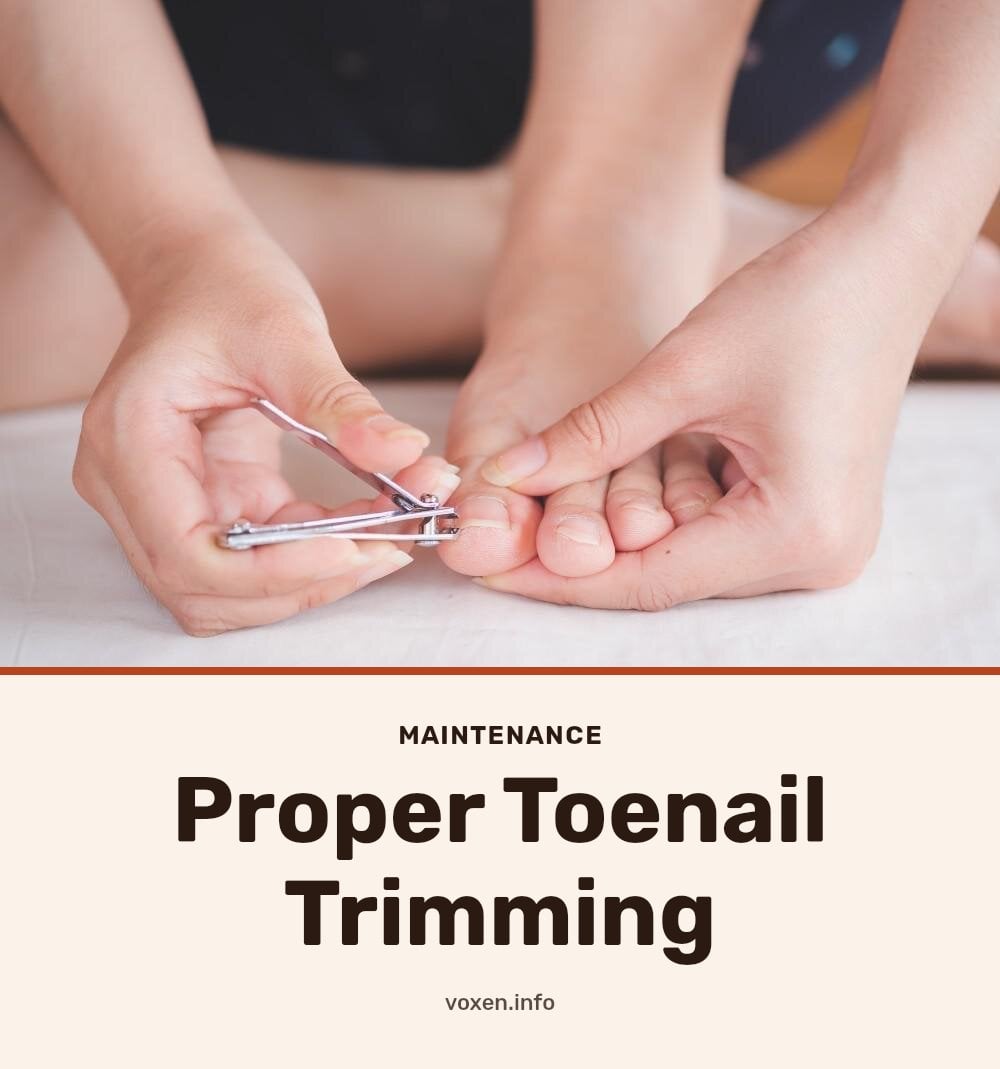
Trimming affected nails short and straight across reduces pressure on the nail bed and helps topical treatments penetrate deeper. Carefully file down any thickened areas to smooth the surface. My tip: Disinfect your nail clippers and files with rubbing alcohol before and after each use to prevent spreading the fungus to other nails.
10. Keep Feet Clean and Dry
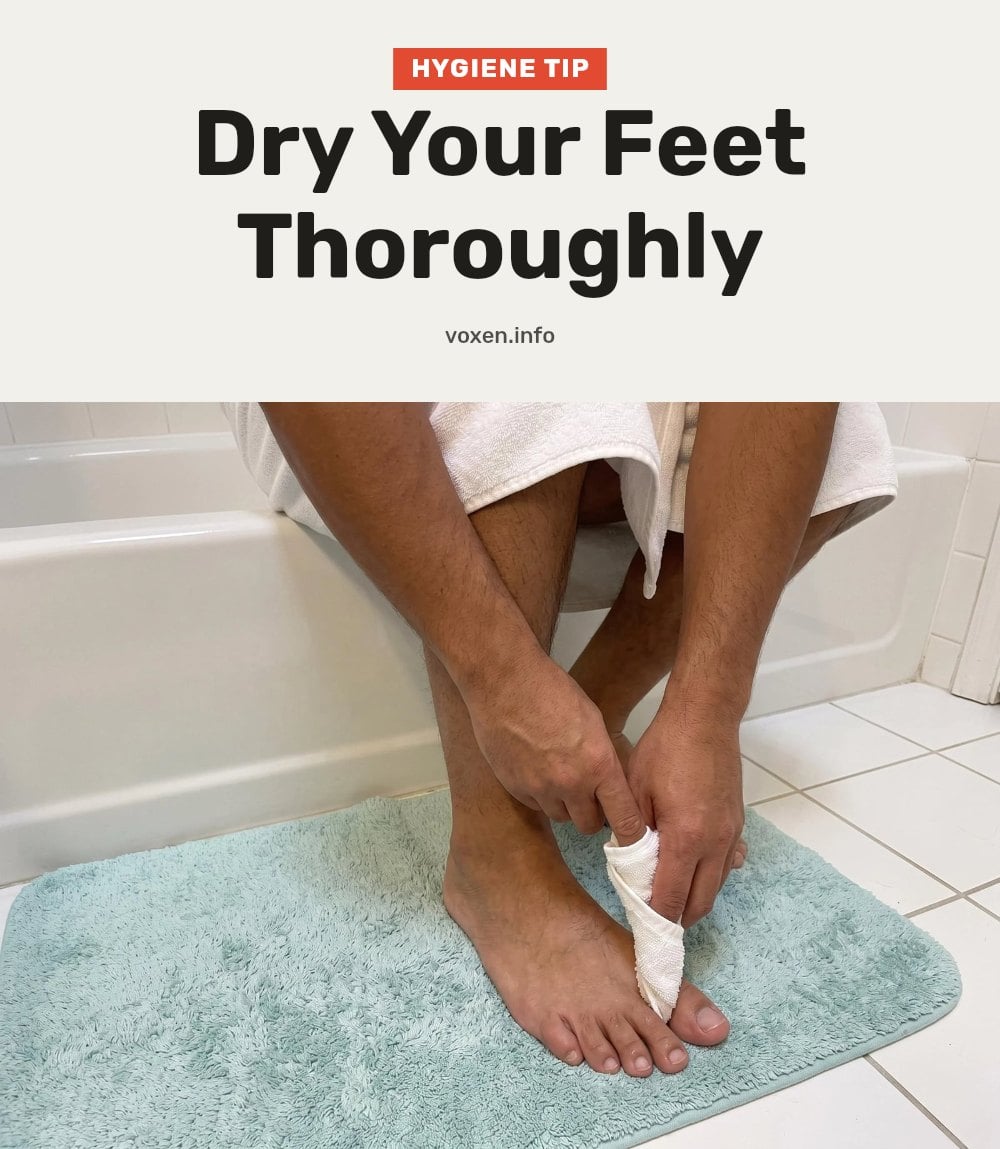
Keeping feet clean and dry is the most important step for both preventing and managing fungal infections. Wash your feet daily with soap and water, making sure to clean between the toes. Dry your feet thoroughly after showering or swimming, and put on clean, breathable socks made of cotton or wool to wick away moisture.
When to Consult a Professional
If you have diabetes, poor circulation, or a compromised immune system, consult a doctor before starting any home remedy. See a professional if symptoms worsen or you notice increased pain, redness, swelling, or pus around the nail. If home remedies show no improvement after several months, a doctor can offer stronger treatment options.
Frequently Asked Questions
How long does it take for home remedies to work on toenail fungus?
Home remedies typically take several months to a year to show noticeable improvement. This is because the infected nail must grow out completely and be replaced by new, clear nail. Patience and consistency are key, and you should not expect overnight results.
Can toenail fungus go away on its own?
Toenail fungus rarely goes away on its own without treatment. It tends to persist and can even spread to other nails or skin if left untreated. That’s why it’s important to start a treatment plan, whether at home or with a doctor’s help, as soon as possible.
Is toenail fungus contagious?
Yes, toenail fungus is contagious. It can spread from person to person through direct contact or by sharing contaminated surfaces like floors, towels, or nail clippers. That’s why you should avoid walking barefoot in public places and never share nail tools or shoes with others.
What are the first signs of toenail fungus?
The first signs often include a white, yellow, or brown spot under the tip of the nail. The nail may also start to thicken, become brittle, or develop crumbly edges. If you notice any of these changes, it’s a good idea to see a doctor for a proper diagnosis.
Can I paint my nails if I have toenail fungus?
It’s generally not recommended to paint over an infected nail. Nail polish can trap moisture against the nail, creating a favorable environment for fungus to grow. If you do choose to paint, give the nail plenty of time to breathe between applications and keep the nail clean and dry.
Final Thoughts
My recommendation is to start with keeping your feet clean and dry, and trim your nails regularly, as these steps support any treatment you try. Realistically, you should expect to stick with a home remedy for several months to a year before you see new, clear nail growth. If you don’t see improvement after a few months or symptoms worsen, it’s time to call your doctor.
This article is for informational purposes only and does not constitute medical advice. Toenail fungus can be stubborn and may require professional treatment. Always consult a doctor or dermatologist for an accurate diagnosis and before starting any new remedy, especially if you have diabetes, poor circulation, or a weakened immune system.

