Have you ever felt like happiness is something that only happens on vacations or special occasions? I think many of us fall into that trap, waiting for big events to feel content. The truth is, happiness is built from small, everyday moments and intentional habits. This article covers simple, practical mood boosters you can start using right now, no major life changes required.
These strategies focus on gratitude, connection, movement, and mindfulness, all backed by research. My tip: pick just one or two to try first, and see how they shift your daily outlook.

Key Takeaways
- Practice gratitude daily by writing down 3-5 things you are thankful for.
- Get 7-9 hours of sleep each night to support emotional regulation.
- Take short walks outdoors, even 10-15 minutes, to reduce stress.
- Connect with a friend or family member daily through a quick text or call.
- Engage in a small act of kindness to boost your own happiness.
Cultivating Happiness Through Small, Intentional Actions
Happiness isn’t a constant state but a collection of moments and a mindset you can cultivate. Focusing on small, consistent actions like gratitude, connection, and self-care can significantly boost your daily mood and foster a sense of contentment. These practices make happiness more attainable even on ordinary days.
Simple Tools to Support Your Happiness Journey

You don’t need expensive equipment to support your happiness journey. Here are the simple tools that can help:
- Journal or notebook and pen: For gratitude and reflection.
- Comfortable walking shoes: For outdoor activity and time in nature.
- Optional meditation app: For mindfulness practices.
- Hobby supplies: For engaging in enjoyable activities you love.
Daily Practices to Boost Your Mood and Well-being
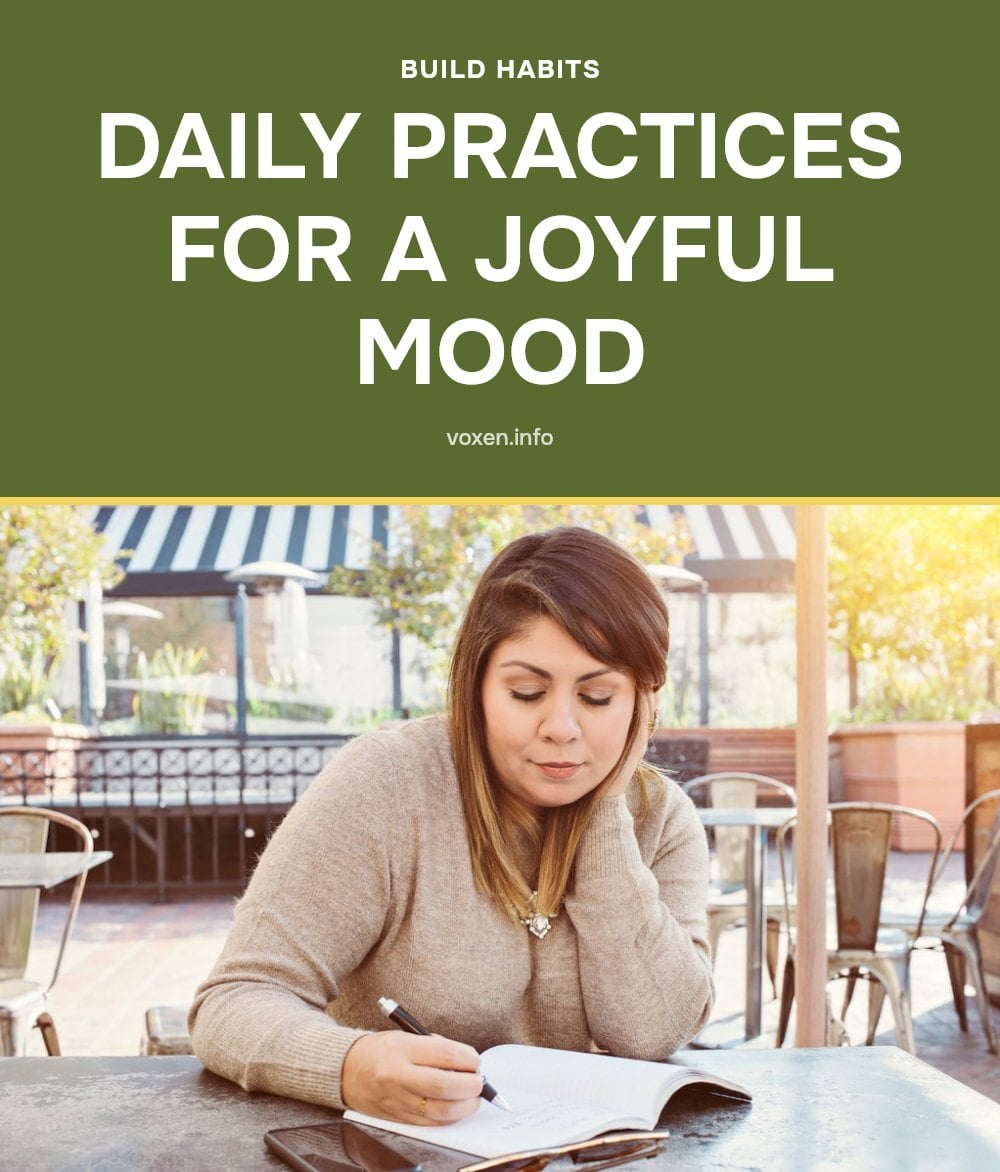
These daily practices are simple to start and can make a real difference when you do them consistently. You don’t need to do all of them at once; pick one or two that feel right for you, such as the hobby time below, and build from there.
- Start a gratitude journal: Each day, write down 3 to 5 things you are thankful for. This shifts your focus from what is missing to what is already good in your life. Many people find that this simple habit reduces depressive symptoms over time.
- Take a short walk outdoors: Aim for 10 to 15 minutes outside. The combination of gentle movement and time in nature lowers stress and improves mood. Even a quick loop around your block counts.
- Connect with someone daily: Send a quick text, make a brief call, or have a face-to-face chat with a friend or family member. Strong social bonds are one of the strongest predictors of happiness. A few minutes of connection can lift your whole day.
- Practice mindful breathing when overwhelmed: When you feel stress rising, pause and take a few slow, deep breaths. Focus on the sensation of air moving in and out. This simple act can reduce rumination and bring you back to the present moment.
- Prioritize 7 to 9 hours of sleep each night: Adequate sleep is essential for emotional regulation. Without it, your mood and patience suffer. Set a consistent bedtime and wind-down routine to protect this time.
- Do a small act of kindness: Hold a door, offer a genuine compliment, or help a neighbor with a small task. Helping others triggers a release of endorphins known as the helper’s high. It also strengthens your sense of connection.
- Dedicate 20 minutes to a hobby you enjoy: Whether it is reading, gardening, knitting, or playing an instrument, this time gives you a sense of accomplishment and purpose. It is a break from daily demands and a chance to recharge. This is one of the practices you can pick to start with.
Common Missteps on the Path to More Happiness
Many people unknowingly make these missteps on the path to happiness:
- Believing happiness is a permanent state: It’s a fluctuating emotion, and other feelings are valid. Accepting this reduces pressure.
- Waiting for big life events: Find joy in small, everyday moments instead of postponing contentment for a future milestone.
- Overlooking physical health: Sleep, nutrition, and exercise are foundational for emotional well-being. Don’t neglect them.
- Trying to force happiness: Cultivate practices that support happiness rather than demanding it immediately.
- Ignoring negative emotions: Acknowledge and process difficult feelings instead of suppressing them. They are part of being human.
Additional Strategies for a Happier Mindset
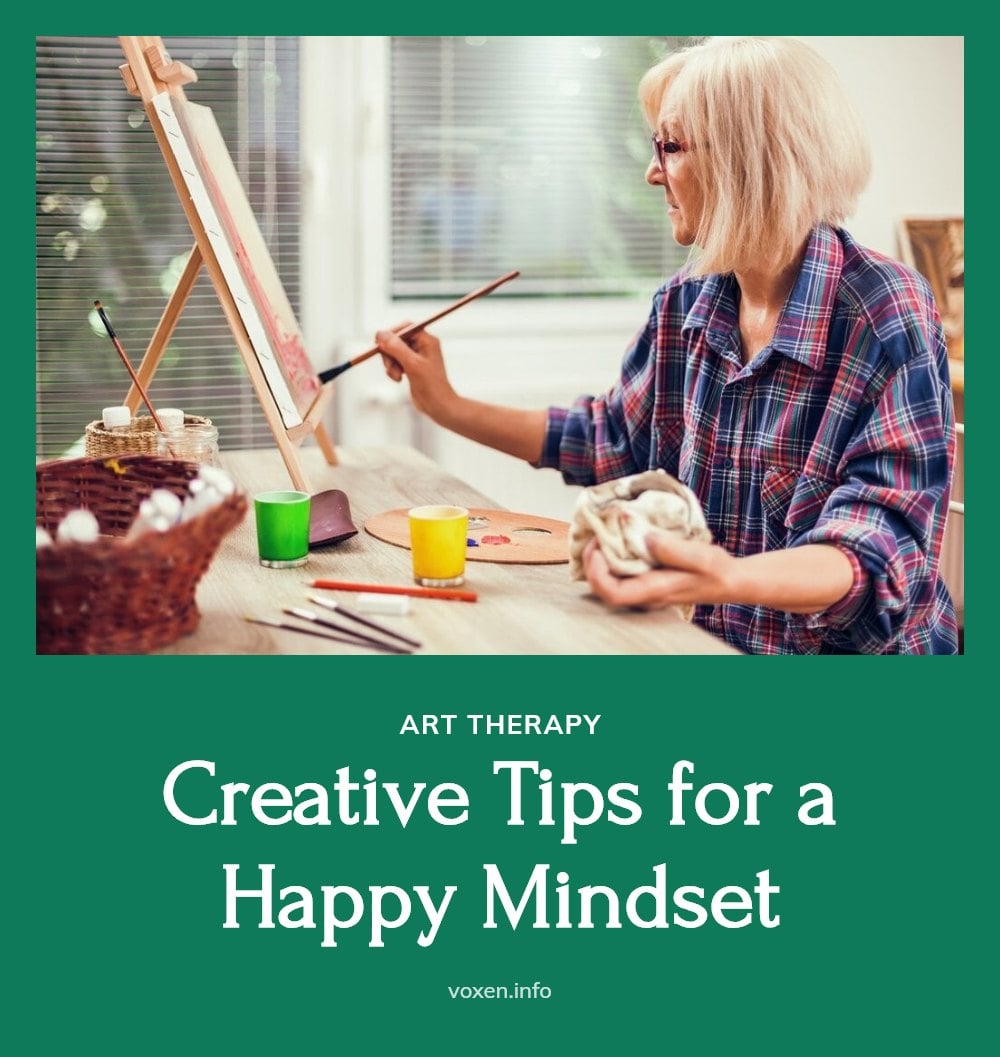
Small shifts in your daily habits can support a happier mindset. Limit negative media exposure: Be mindful of how news and social media consumption impacts your mood, and set boundaries like a 15-minute daily limit. Set achievable goals: Break larger aspirations into small, manageable steps and celebrate each completed task to build momentum. Fuel your body wisely: A balanced diet rich in whole foods supports brain health and mood stability, so include vegetables, fruits, and lean proteins. Learn something new: Engaging in new skills or hobbies can provide a sense of purpose and accomplishment, even if you start with just 20 minutes a week.
What to Expect: Timeline and Investment for Happiness Practices
You can expect noticeable improvements in your daily mood within a few weeks to a few months of consistent practice. The benefits grow with continued effort as these habits become part of your routine. The cost is minimal, primarily your time and effort, with optional inexpensive tools like a journal or hobby supplies. No expensive equipment or subscriptions are required to get started.
When to Seek Professional Support for Your Mental Health
If persistent sadness, hopelessness, or loss of interest in activities lasts for more than two weeks, consult a mental health professional immediately. Seek help if you experience thoughts of self-harm or significant changes in sleep or appetite. Lifestyle changes like those in this article are supportive but not a substitute for professional medical or psychological treatment for clinical depression or anxiety disorders. Your well-being matters, and professional support can make a real difference.
Frequently Asked Questions
Is happiness a choice?
Happiness is not a simple choice you can make once, but you can choose to practice habits that support it. Cultivating gratitude, staying active, and connecting with others are choices that can increase your overall sense of well-being. It is more about building a mindset and routine than flipping a switch.
How long does it take to feel happier?
Many people notice improvements in their daily mood within a few weeks to a few months of consistent practice. The timeline varies based on your starting point and how regularly you engage in mood-boosting activities. Benefits grow with continued effort as these habits become part of your routine.
Can I be happy all the time?
No, and that is a common misconception. Happiness is a fluctuating emotion, not a permanent state. It is healthy to experience a full range of feelings, including sadness, frustration, and anger. Accepting this can reduce pressure and help you find contentment in ordinary moments.
What if I don’t feel like doing these things?
It is normal to lack motivation, especially when you are feeling low. Start with the smallest possible action, like taking three deep breaths or sending one kind text. Even a tiny step can build momentum. If you consistently lack interest or energy for more than two weeks, consider talking to a mental health professional.
Does money make you happy?
Money can reduce stress by covering basic needs and providing security, but beyond a certain point, it has a limited effect on daily happiness. Strong relationships, meaningful activities, and good physical health are much stronger predictors of lasting contentment. Focusing on those areas often brings more joy than chasing wealth.
Final Thoughts
Start with one small practice, like a gratitude journal or a 10-minute walk, and do it consistently for a few weeks. You can expect to notice gradual improvements in your daily mood within a few weeks to a few months. Remember, happiness is not a permanent state, so give yourself grace on harder days. The key is showing up for yourself, one small step at a time.
This article is for general informational purposes only and is not a substitute for professional medical or psychological advice. If you experience persistent sadness, hopelessness, or thoughts of self-harm, please consult a qualified mental health professional. Lifestyle changes can support well-being but are not a treatment for clinical conditions.

