You’ve probably heard that hyaluronic acid is a hydration hero, but if your skin still feels tight or dry after using it, you’re not alone. The problem usually isn’t the ingredient itself. It’s how you’re applying it. This article covers the most common mistakes people make with hyaluronic acid and exactly how to fix them so your skin actually gets, and stays, hydrated.

Key Takeaways
- Apply hyaluronic acid to damp skin, not dry skin, to prevent it from pulling moisture from deeper layers.
- Always follow with an occlusive moisturizer to seal in the hydration and prevent evaporation.
- In low-humidity environments, consider using a humidifier or avoid HA as your sole hydrating product.
- Look for serums with varying molecular weights to hydrate at multiple skin depths.
- Use HA once or twice daily consistently; you’ll often see initial improvement within days.
Why Your Hyaluronic Acid Might Be Drying Out Your Skin
You might notice your skin feeling tighter, not plumper, after using hyaluronic acid. That happens when the product is applied to dry skin, used without an occlusive moisturizer, or in a low-humidity environment. HA is a humectant that pulls moisture from its surroundings. If there is no external water source, it draws water from the deeper layers of your skin instead. The fix is simple: apply HA to damp skin and immediately seal it in with a rich moisturizer to prevent that moisture from escaping.
Understanding How Hyaluronic Acid Works (and Fails)
How Hyaluronic Acid Attracts Water
Hyaluronic acid (HA) is a humectant that can bind up to 1,000 times its weight in water. It naturally occurs in your skin, but levels drop as you age. When you apply it topically, it pulls moisture from the air or from deeper skin layers to the surface.
When It Backfires
If you put HA on completely dry skin, it has no external water to grab, so it pulls moisture from your skin’s deeper layers, causing dehydration. In low humidity, HA can act as a reverse humectant, drawing water from your skin and letting it evaporate into the dry air.
Why Molecular Weight Matters
- Higher molecular weight HA: Forms a film on the skin’s surface, providing surface hydration.
- Lower molecular weight HA: Can penetrate deeper layers, offering hydration from within.
Products with a mix of molecular weights give you hydration at multiple levels.
Essential Tools for Effective Hyaluronic Acid Use
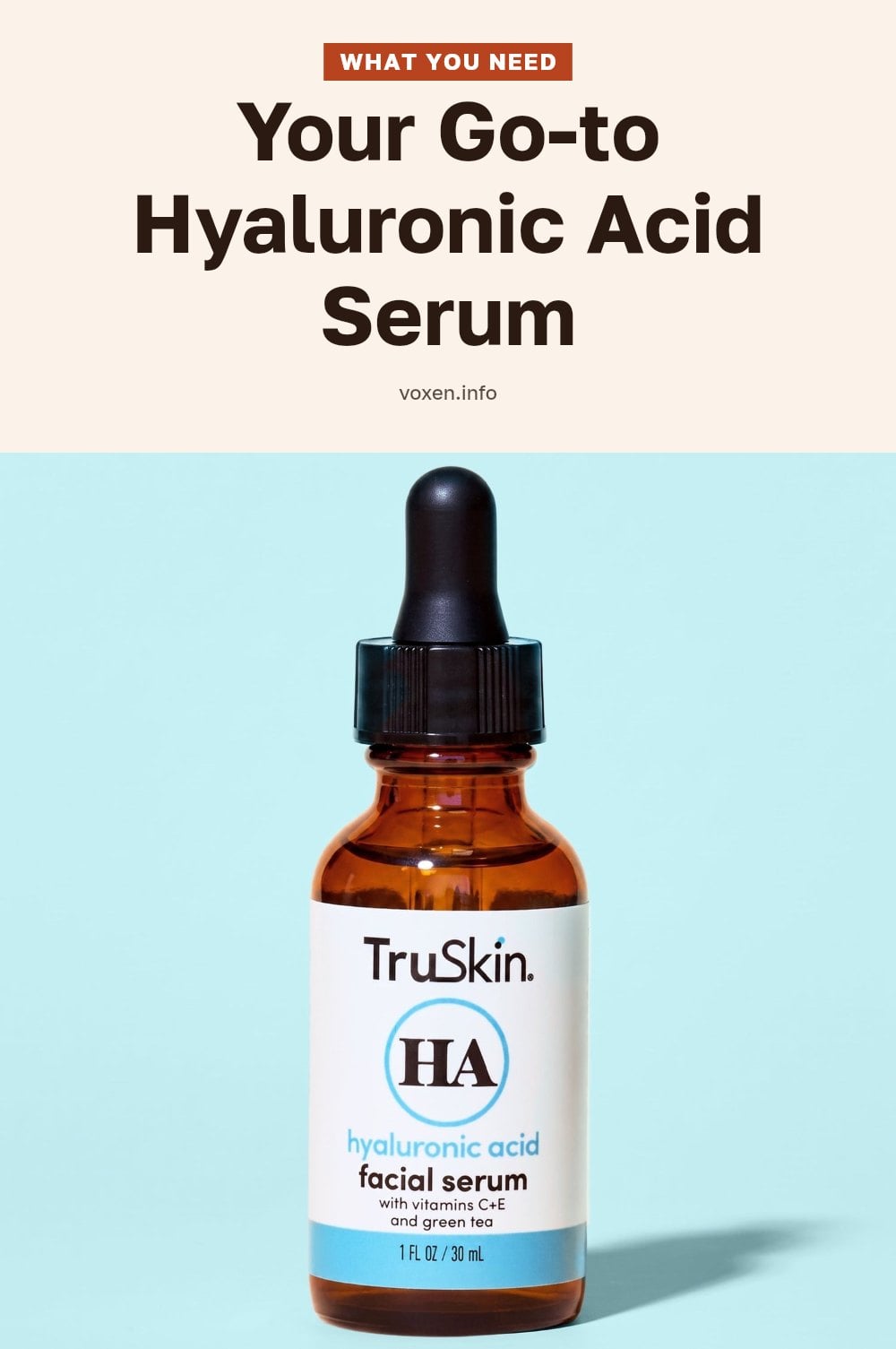
To get HA right, you need the right companions.
- Hyaluronic acid serum: Look for one with varied molecular weights for hydration at different skin depths.
- Gentle facial cleanser: Prepares your skin without stripping its natural moisture barrier.
- Rich moisturizer or occlusive balm: Locks in the hydration HA brings to the surface.
- Humidifier: Optional but a game-saver in dry indoor air, providing ambient moisture for HA to draw from.
Step-by-Step: Applying Hyaluronic Acid for Maximum Hydration

- Cleanse your face: Use a gentle cleanser to remove dirt and oil without stripping your skin. Pat dry lightly, leaving your skin damp.
- Apply HA serum to damp skin: Immediately after cleansing, while your face is still slightly wet, dispense a few drops of HA serum and press it gently into your skin. This gives the HA water to bind to right away.
- Seal with a moisturizer: While the HA is still slightly damp on your skin, apply a rich occlusive moisturizer. This locks the hydration in and prevents moisture loss.
- Consider a humidifier: In dry indoor environments, running a humidifier adds moisture to the air, giving HA an external source to draw from and reducing the risk of reverse humectant action.
Common Hyaluronic Acid Mistakes That Lead to Dry Skin
Applying HA to completely dry skin: This is the most common mistake. Without water on the surface, HA pulls moisture from the deeper layers of your skin, causing dehydration.
Skipping the occlusive moisturizer: HA attracts water, but without a cream or balm to seal it in, that moisture evaporates into the air. You lose the hydration you just gained.
Using HA as your only hydrating product in dry climates: In low humidity, HA can act as a reverse humectant, pulling water from your skin and releasing it into the dry air. You need an external moisture source, like a humidifier or a damp environment.
Believing more HA is always better: Over-application can overwhelm the skin barrier, leading to irritation and dryness. Stick to the amount recommended on the product label, typically a few drops, and avoid excessive application.
Expert Tips for Optimal Hyaluronic Acid Performance
Choose products with varying molecular weights: Lower molecular weight HA penetrates deeper, while higher weight forms a surface film. Together they hydrate at multiple skin depths.
Use HA with caution in low humidity: In dry air, HA can pull moisture from your skin instead of the environment. Apply to very damp skin or use a humidifier to provide an external water source.
Consider layering HA with other hydrating ingredients: Niacinamide or glycerin can enhance overall skin hydration and support the skin barrier.
Listen to your skin: If you feel any irritation or dryness, adjust your usage frequency or switch to a lower concentration product.
What to Expect: Timeline and Cost of Hyaluronic Acid Products
Timeline for results: You often notice initial hydration improvements within days. More significant changes in skin texture and plumpness appear over weeks of consistent use.
Frequency of use: HA can be used once or twice daily, depending on your skin’s needs and the product instructions.
Cost tiers: HA serums range from budget-friendly options (around $10-$25) to mid-range ($25-$60) and high-end formulations (over $60). Higher prices often reflect ingredient concentration and additional actives.
When to Consult a Dermatologist About Your Skin Hydration
Persistent dryness, redness, or irritation: If you experience these despite proper HA use, a dermatologist can identify the cause and adjust your routine.
Worsening skin condition or new issues: If your skin gets worse or new problems appear after incorporating HA, stop use and consult a professional.
Underlying skin conditions: If you have eczema or rosacea and are unsure how HA fits into your routine, a dermatologist can provide personalized advice.
Allergic reaction: If you suspect an allergic reaction to any skincare product, seek medical advice promptly.
Frequently Asked Questions
Can I use hyaluronic acid every day?
Yes, you can use hyaluronic acid once or twice daily, depending on your skin’s needs and the product’s instructions. Just make sure you’re applying it to damp skin and following with a moisturizer. Overusing it without proper layering may overwhelm your skin barrier, so stick to the recommended frequency.
Does hyaluronic acid work for all skin types?
Hyaluronic acid is generally safe for all skin types, including oily and sensitive skin. However, if you have very sensitive skin, you might experience mild irritation. If that happens, stop use and check with a dermatologist. It’s still a good option for most people when used correctly.
What is the best time to apply hyaluronic acid?
The best time is right after cleansing, while your face is still damp. This gives the hyaluronic acid an immediate source of water to bind to. You can use it in both your morning and evening routines, as long as you seal it in with a moisturizer afterward.
How should I apply hyaluronic acid serum?
Start with a clean, damp face. Dispense a few drops of the serum onto your fingertips and gently pat or press it into your skin. Don’t rub vigorously. Then, immediately follow with a moisturizer or occlusive balm to lock in the hydration. Avoid applying it to completely dry skin.
Final Thoughts
If you want hyaluronic acid to work, the key is pairing it with the right routine. Apply it to damp skin, then lock everything in with a rich moisturizer. Don’t expect it to fix dryness on its own, especially if you’re in a dry climate. With consistent use, you’ll likely notice softer, plumper skin within a few days and more lasting improvements over a few weeks.
This article provides general information about skincare ingredients and routines. It is not a substitute for professional medical advice. If you have persistent dryness, irritation, or a serious skin condition, consult a dermatologist or healthcare provider.

