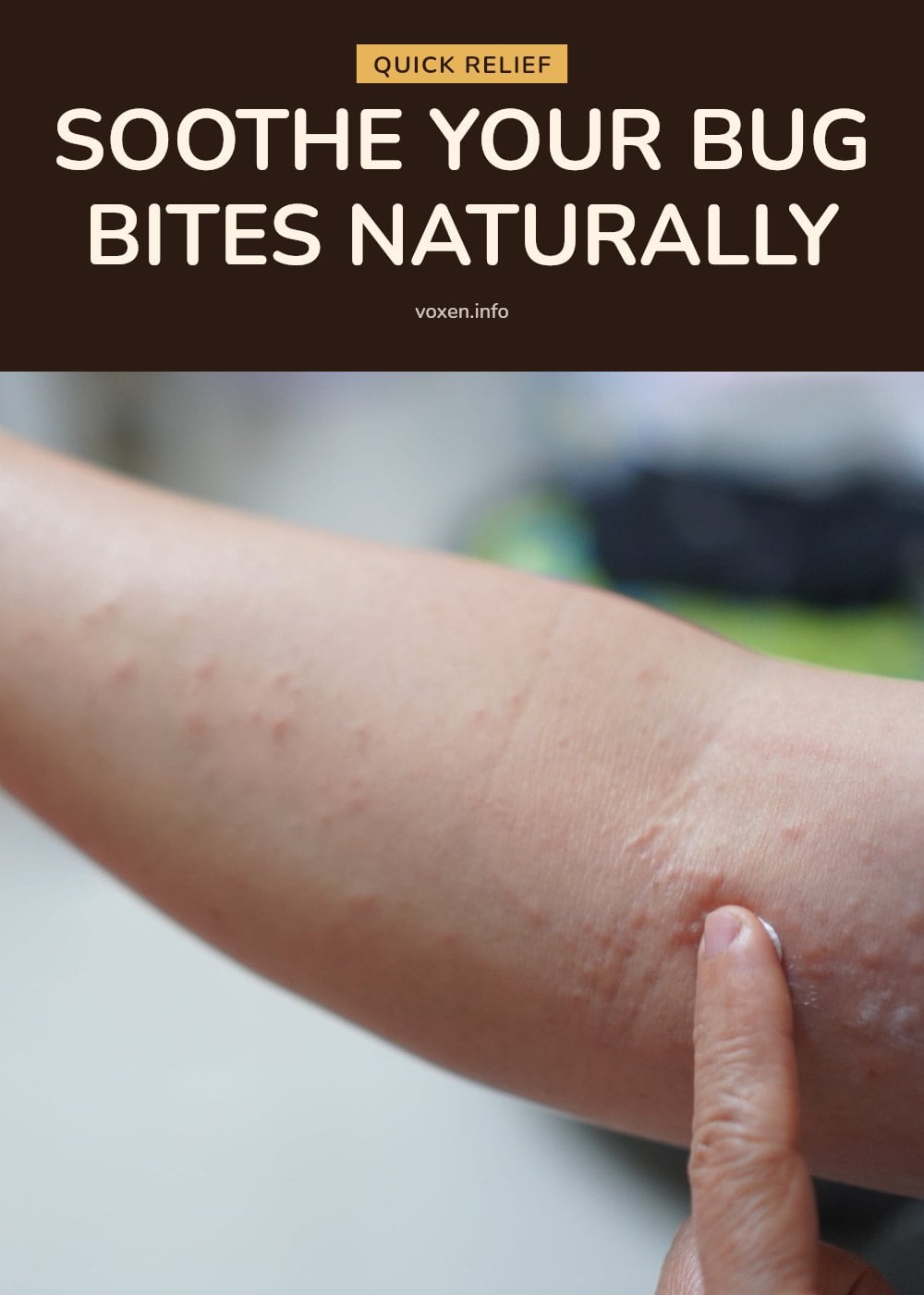
That sudden itch, the red bump that appears out of nowhere. We’ve all been there. Figuring out what bit you can be tricky, but a few clues about the bite’s location and pattern can help you identify the culprit. This article covers how to spot common bug bites and the best at-home remedies for fast itch relief.
Key Takeaways
- Identify bites by their pattern and location: clusters on ankles often mean fleas, while a line or zigzag on exposed skin points to bed bugs.
- Clean the bite with soap and water first, then apply a cold compress to reduce swelling and itching.
- Use over-the-counter hydrocortisone cream, calamine lotion, or an oral antihistamine for relief.
- Seek medical attention for severe allergic reactions, signs of infection, or a bullseye rash after a tick bite.
- Most common bug bites heal within a few days to a week with proper care.
Quick Guide to Identifying Common Bug Bites
Bug bites can look a lot alike, red, itchy, swollen, but a few clues help you tell them apart. Where the bite is on your body and how the marks are arranged often point to the culprit. Most bites are harmless and heal on their own, but some can transmit diseases or cause severe reactions, so knowing what you’re dealing with matters.
Spot the Culprit: Common Bug Bite Identifiers
| Bug Type | Appearance | Common Location |
|---|---|---|
| Mosquito | Itchy, red, swollen bumps | Any exposed skin |
| Flea | Small red bumps in clusters or lines | Ankles and legs |
| Bed bug | Red, itchy welts in a line or zigzag | Exposed skin during sleep |
| Spider | Single red bump, sometimes with two puncture marks | Anywhere, often isolated |
| Tick | Painless red bump, may develop a bullseye rash | Anywhere, often hidden in skin folds |
| Chigger | Intensely itchy red welts in clusters | Tight clothing areas (waist, ankles) |
| Ant (fire ant) | Painful, itchy red welts that may become pus-filled blisters | Lower legs and feet |
Your At-Home Bug Bite Relief Kit
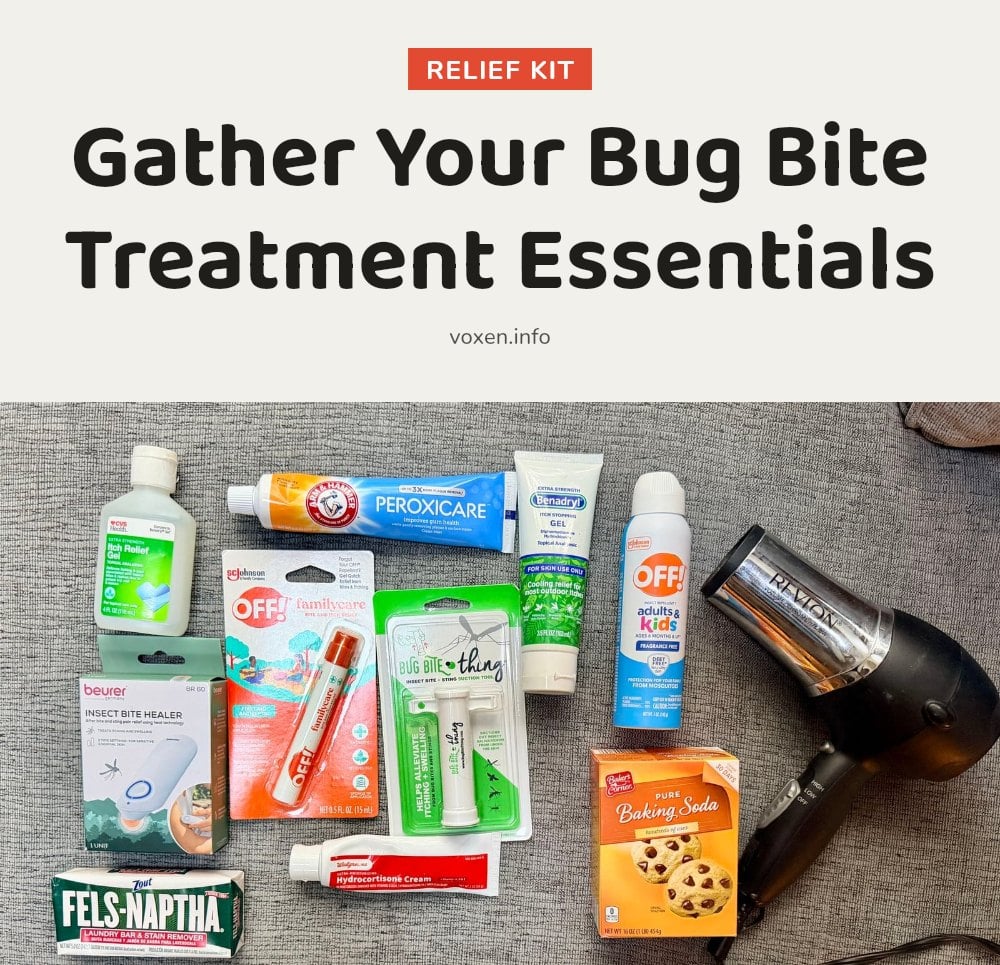
I keep these basics on hand so I’m ready when a bite shows up.
- Soap and water: Clean the bite gently to prevent infection.
- Ice pack or cold compress: Reduces swelling and numbs the itch.
- Hydrocortisone cream: Calms itching and inflammation.
- Calamine lotion: Soothes irritated skin.
- Oral antihistamines: Help with severe itching or allergic reactions.
- Baking soda: Mixed with water into a paste for direct relief.
- Colloidal oatmeal: Great for a bath when bites cover a large area.
Effective Remedies for Soothing Itchy Bug Bites

When a bite starts driving me crazy, I work through these steps in order.
Clean the area
Wash the bite gently with soap and water. This removes dirt and bacteria that could cause infection.
Apply a cold compress
Hold an ice pack or cold compress on the bite for 10-15 minutes. It reduces swelling and numbs the itch fast.
Use hydrocortisone cream
Over-the-counter hydrocortisone cream can ease itching and inflammation. Apply a thin layer as directed on the package.
Try calamine lotion
Calamine lotion is a classic for a reason. It cools and soothes itchy skin. Shake the bottle well before using.
Take an oral antihistamine
If the itching is intense or you have multiple bites, an oral antihistamine may help. It works from the inside to calm the reaction.
Make a baking soda paste
Mix a small amount of baking soda with just enough water to form a paste. Apply it directly to the bite and leave it on for 10 minutes before rinsing. It can help take the edge off the itch.
Prepare an oatmeal bath
For widespread itching, add colloidal oatmeal to a lukewarm bath and soak for 15-20 minutes. It coats the skin and soothes irritation.
Common Bug Bite Mistakes and How to Avoid Them
Mistake: Misidentifying the bite. A cluster of red bumps on your ankle might be fleas, not mosquitoes, and a bullseye rash after a tick bite needs a doctor, not calamine. Guessing the wrong bug can mean you treat symptoms but miss a serious condition.
Mistake: Scratching too much. Scratching breaks the skin and lets bacteria in, turning a simple itch into an infection. If you can’t stop, try a cold compress or an antihistamine instead.
Mistake: Ignoring infection signs. Increasing redness, warmth, swelling, pus, or a fever mean the bite is infected. See a doctor promptly.
Mistake: Using undiluted essential oils. Tea tree or lavender oil straight on the skin can cause irritation and make the bite worse. Always dilute with a carrier oil if you choose to use them.
Mistake: Delaying medical care. If you have trouble breathing, swelling in your face or throat, or suspect a venomous spider bite, do not wait. Get emergency help.
When to Seek Professional Medical Attention
Most bug bites are harmless, but some situations need immediate medical care.
- Severe allergic reaction (anaphylaxis): Difficulty breathing, swelling of the face or throat, dizziness, or widespread hives. Call 911.
- Signs of infection: Increasing redness, warmth, swelling, pus, or a fever. See a doctor.
- Bullseye rash after a tick bite: This can indicate Lyme disease and requires prompt treatment.
- Worsening irritation: If home remedies make the bite worse or it doesn’t improve in a few days, consult a healthcare professional.
- Suspected venomous spider bite: Seek medical care if you think a black widow or brown recluse bit you.
What to Do After a Bug Bite for Optimal Healing
Once you’ve treated the bite, a little aftercare helps it heal faster.
- Keep it clean and dry: Wash gently with soap and water once a day and pat dry. This prevents infection.
- Monitor the bite: Watch for increasing redness, warmth, or swelling over the next few days.
- Don’t scratch: Cover the bite with a bandage if needed to remind yourself to leave it alone.
- Reapply treatments as needed: Use hydrocortisone cream or calamine lotion according to the package directions to manage itching.
- Be patient: Most common bug bites resolve within a few days to a week with proper care.
Frequently Asked Questions
How can I tell if a bite is from a spider?
A spider bite often appears as a single red, inflamed bump, sometimes with two small puncture marks. Many bites are misidentified as spider bites, so unless you saw the spider, it’s hard to be certain. If you suspect a bite from a venomous spider like a black widow or brown recluse, seek medical care promptly.
What is the fastest way to stop bug bite itching?
Applying a cold compress or ice pack right away numbs the area and reduces swelling, giving the quickest relief. Follow up with an over-the-counter hydrocortisone cream or calamine lotion to calm the itch longer. If the itching is severe, an oral antihistamine can help.
When should I worry about a bug bite?
Seek immediate medical attention if you have difficulty breathing, swelling of the face or throat, dizziness, or widespread hives. These are signs of a severe allergic reaction. Also see a doctor if the bite shows increasing redness, warmth, swelling, pus, or if you develop a fever or a bullseye rash after a tick bite.
Can bug bites cause a fever?
Yes, a fever can occur if a bug bite becomes infected or if the bite transmits a disease, such as Lyme disease from a tick. If you develop a fever along with a bite that looks infected or a bullseye rash, see a healthcare professional promptly.
Final Thoughts
For most bug bites, a simple routine of cleaning, cooling, and using an anti-itch product is all you need. Expect the itching and swelling to fade within a few days. If a bite shows signs of infection or a severe reaction, don’t hesitate to call a doctor. Keep your relief kit stocked and you’ll be ready for whatever the outdoors sends your way.
This article is for general informational purposes only and does not constitute medical advice. Bug bite reactions vary, and some bites can transmit disease or cause serious allergic reactions. If you have a persistent, severe, or concerning bite, or if you experience symptoms like difficulty breathing or fever, consult a healthcare professional.

