If your skin feels rough, bumpy, or just not as smooth as you’d like, you’re not alone. Textured skin is a common concern that can make your complexion look dull and uneven. The good news is that with a gentle, consistent routine, you can help reveal a smoother surface. This article covers the key causes of uneven texture, the products that actually help, and a simple daily plan to improve it without overdoing it.
Key Takeaways
- Use a gentle cleanser twice daily and pat your skin dry instead of rubbing.
- Incorporate a chemical exfoliant (AHA or BHA) 2-3 times per week for smoother skin.
- Apply a hydrating serum with hyaluronic acid and moisturize daily, even if you have oily skin.
- Wear broad-spectrum sunscreen with SPF 30 or higher every morning to prevent further texture damage.
- Expect noticeable improvements within 4-6 weeks, with more significant results after 2-3 months.
What is Textured Skin and How Can I Improve It?
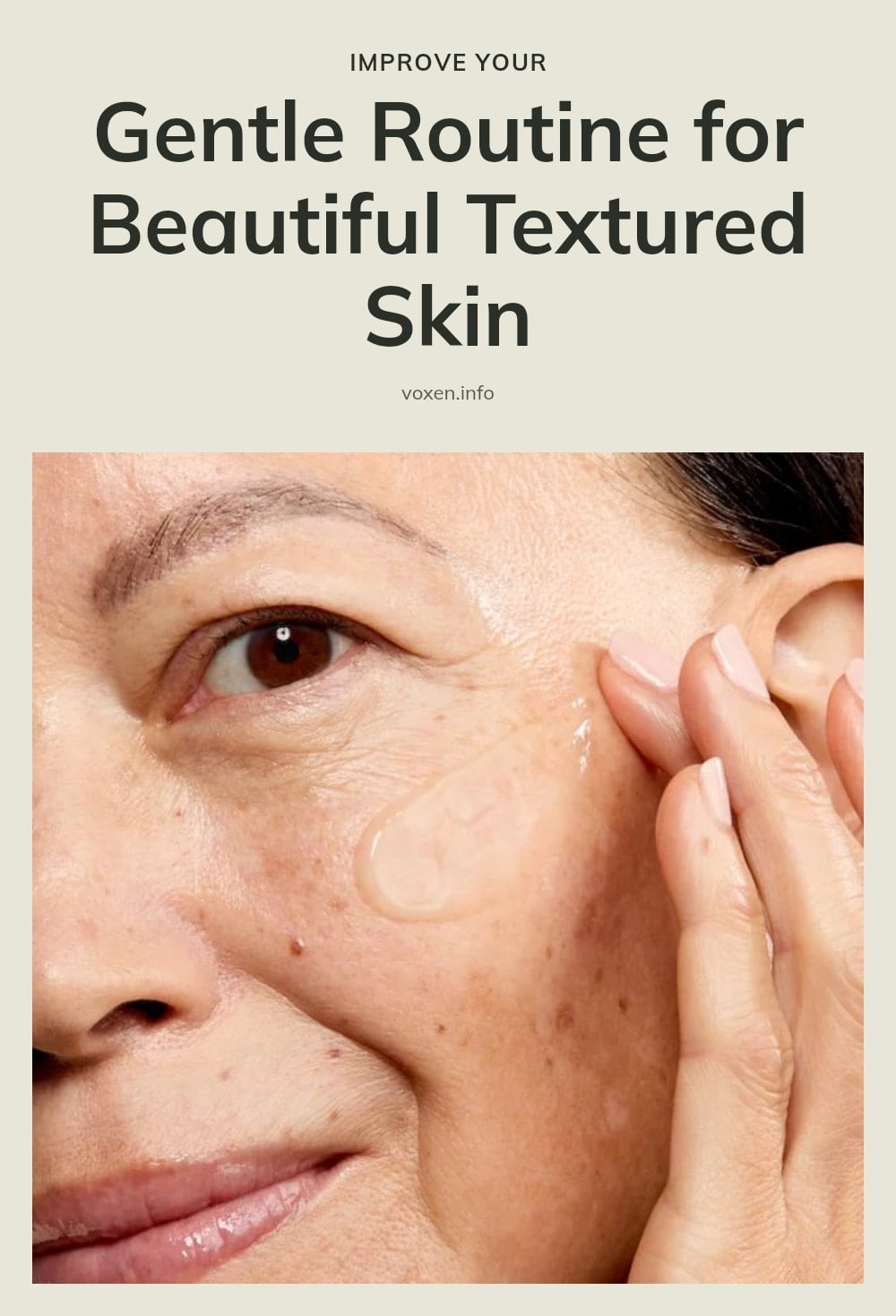
Textured skin feels rough, bumpy, or uneven to the touch. It often looks dull, with visible pores, fine lines, or small bumps. The cause is usually a mix of dead skin cell buildup, dehydration, and sun damage. My tip: the best way to improve it is a consistent, gentle routine focused on exfoliation, hydration, and daily sun protection. Skip harsh treatments and aim for smoother, more radiant skin by addressing those underlying causes.
Why Your Skin Might Feel Uneven or Rough
Why Your Skin Might Feel Uneven or Rough
Several factors can leave your skin feeling less than smooth. Here are the most common ones:
- Dead skin cell accumulation: When old cells don’t shed properly, they pile up and prevent fresh, smooth skin from surfacing.
- Dehydration: Lack of moisture makes fine lines and pores more noticeable, which adds to a rough feel.
- Sun damage: UV exposure thickens the outer layer of skin and creates an irregular, bumpy surface over time.
- Genetics and skin conditions: Your natural skin type and conditions like acne or keratosis pilaris can also contribute to uneven texture.
Essential Skincare Products for Smoother Skin
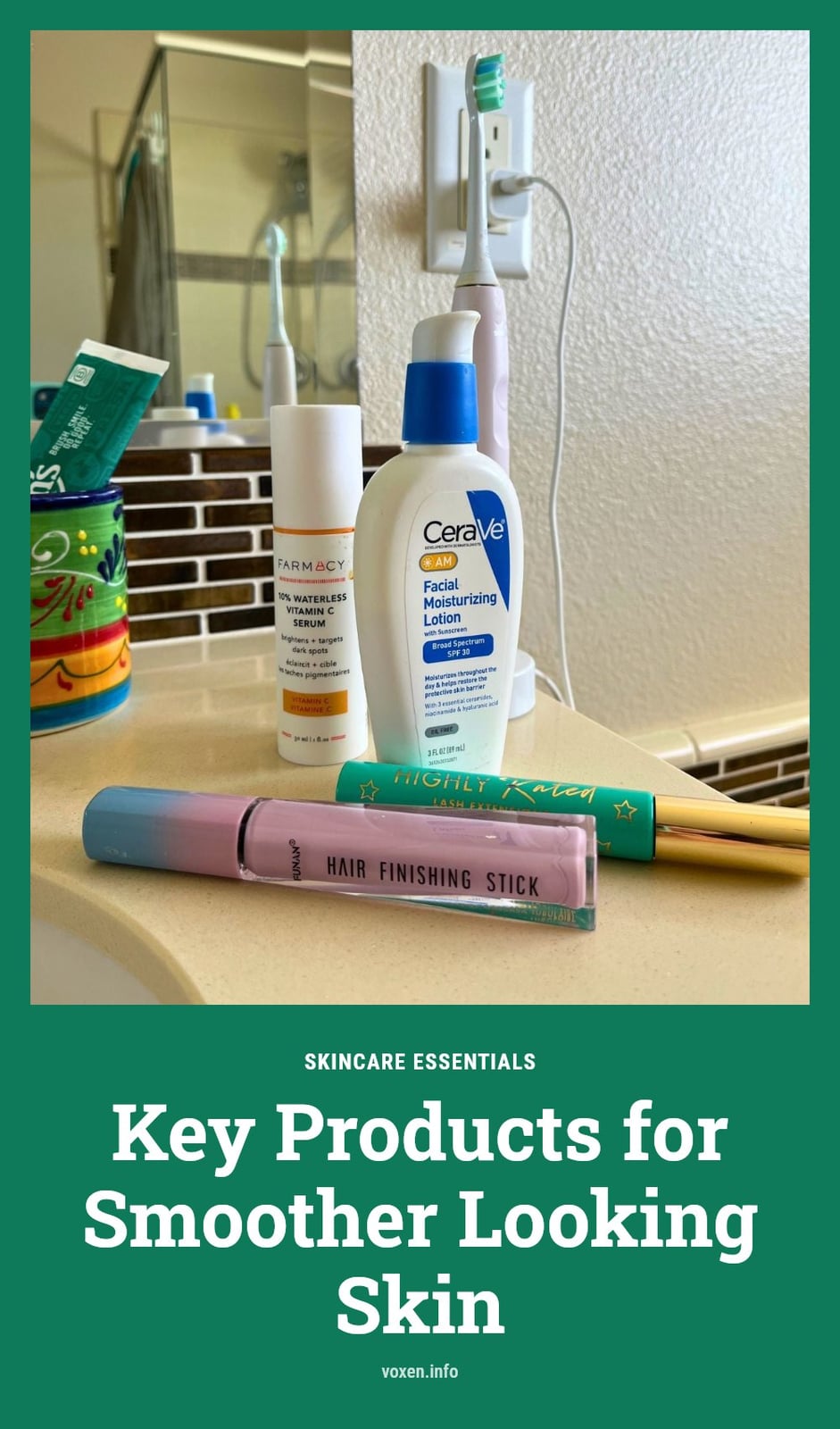
Building a texture-improving routine starts with the right products. Here is what you need:
- Gentle cleanser: Removes impurities without stripping your skin’s natural moisture.
- Chemical exfoliant (AHA/BHA): Dissolves dead skin cells effectively and is gentler than physical scrubs.
- Hydrating serum: Ingredients like hyaluronic acid plump the skin and smooth out fine lines.
- Moisturizer: Locks in hydration and supports your skin barrier.
- Broad-spectrum sunscreen (SPF 30+): Protects against further sun damage that worsens texture.
- Retinoid (optional): Boosts cell turnover and collagen production for long-term improvement.
Your Daily Routine for Improving Skin Texture
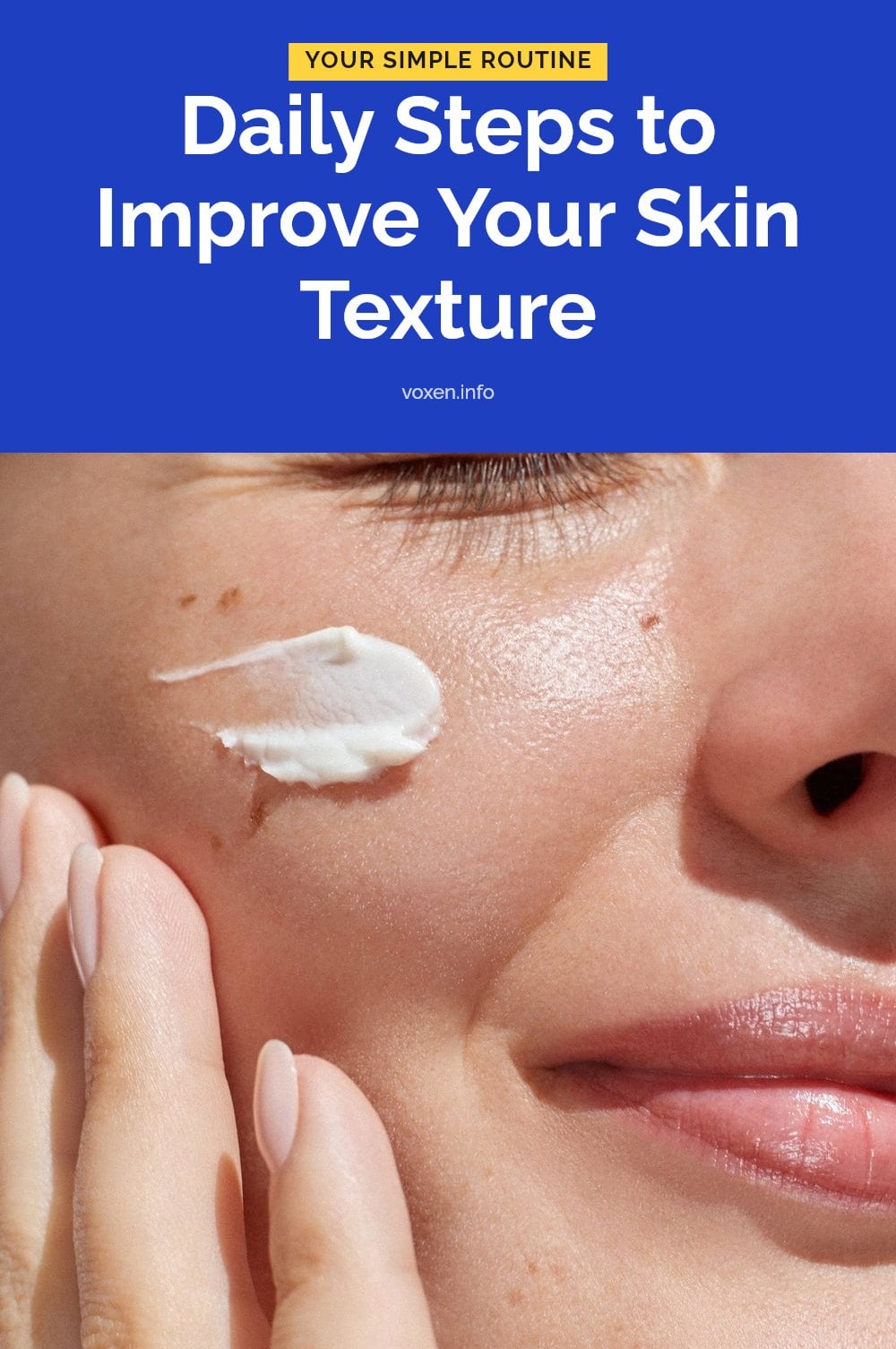
Start your morning by splashing your face with lukewarm water and using a gentle cleanser. Hot water strips natural oils, so keep the temperature comfortable. After rinsing, pat your skin dry with a clean towel instead of rubbing.
- Apply a hydrating serum: While your skin is still damp, press a few drops of a hyaluronic acid serum into your face. Damp skin absorbs the serum better, giving you a plumper, smoother look.
- Moisturize: Follow with your regular moisturizer to lock in the hydration from the serum. This step supports your skin barrier and helps keep texture under control throughout the day.
- Apply sunscreen: Finish with a broad-spectrum SPF 30 or higher. Sunscreen is non-negotiable because UV damage thickens skin and makes texture worse over time.
In the evening, repeat the cleanse step to remove makeup, sunscreen, and daily buildup. Then, on 2-3 non-consecutive nights per week, swap your hydrating serum for a chemical exfoliant like an AHA or BHA. Leave it on for the time recommended on the product, then continue with moisturizer.
On the other evenings, you can add a retinoid to your routine. Start with a pea-sized amount twice a week, applied after cleansing and before moisturizer. Increase frequency slowly over several weeks as your skin adjusts. Caution: Retinoids increase sun sensitivity, so never skip your morning sunscreen.
Common Mistakes That Worsen Textured Skin
Using harsh physical scrubs: Scrubs with large, jagged particles can create micro-tears in your skin. This leads to irritation and can make texture worse over time.
Over-exfoliating: Exfoliating too often or using too many active ingredients damages your skin barrier. The result is redness, sensitivity, and a rougher surface.
Skipping sunscreen: UV exposure thickens the skin and breaks down collagen, deepening fine lines and unevenness. Daily SPF 30+ is non-negotiable.
Not moisturizing enough: Dehydrated skin makes pores and fine lines more visible. A good moisturizer locks in hydration and plumps the skin.
Expecting immediate results: Skin needs time to renew. Consistency over weeks and months matters far more than any quick fix.
Extra Tips for a Smoother, More Radiant Complexion

Stay hydrated: Drinking enough water supports your skin’s overall health and helps maintain a plump, smooth appearance.
Change pillowcases regularly: Pillowcases collect oil, bacteria, and dead skin cells. Swap them out at least once a week to reduce buildup.
Pat skin dry gently: Rubbing with a towel can irritate the skin. Patting is much gentler and helps preserve your moisture barrier.
Introduce new products slowly: When adding active ingredients like exfoliants or retinoids, start with one at a time. This lets your skin adjust without getting overwhelmed.
Consider antioxidants: Serums with vitamin C or other antioxidants help protect your skin from environmental damage that can worsen texture.
How Long Until You See Results and What to Expect
Noticeable improvements in skin texture can start within 4-6 weeks of consistent routine use. More significant results typically appear after 2-3 months. Consistency matters far more than aggressive treatment, which can actually set you back. Costs vary widely depending on your product choices, from affordable drugstore options to higher-end brands. The key is sticking with a gentle, well-rounded routine tailored to your skin’s needs.
When to Consult a Dermatologist for Textured Skin

See a dermatologist if your textured skin is accompanied by persistent pain, pus, or severe irritation. Also seek professional advice if over-the-counter care hasn’t improved your skin after several months. If you suspect an underlying condition like severe acne or keratosis pilaris, a doctor can provide an accurate diagnosis. Finally, consult a dermatologist before starting prescription-strength retinoids or other strong treatments to ensure they are safe and appropriate for you.
Frequently Asked Questions
Can diet affect textured skin?
Diet may play a role in skin health for some people. Staying well-hydrated and eating a balanced diet rich in fruits, vegetables, and healthy fats can support your skin’s overall appearance. However, there is no specific food that directly cures textured skin, and results vary from person to person.
Is textured skin a sign of aging?
Textured skin can become more common with age due to slower cell turnover and cumulative sun damage. However, it is not exclusively a sign of aging. People of all ages can experience rough or uneven skin from dehydration, buildup of dead skin cells, or conditions like keratosis pilaris.
What is the best type of cleanser for textured skin?
A gentle cream or gel cleanser is usually the best choice. It should effectively remove dirt and oil without stripping your skin’s natural moisture barrier. Avoid foaming cleansers with harsh sulfates, which can leave your skin feeling tight and dry, potentially making texture worse.
Can I use both AHA and BHA for textured skin?
Yes, you can use both AHA and BHA, but not at the same time. Many people alternate them on different nights or use a product that combines them at lower concentrations. Start slowly, using each once a week, and increase frequency as your skin tolerates it. Overdoing it can cause irritation.
What causes textured skin?
Textured skin is usually caused by a combination of factors. The most common include a buildup of dead skin cells, dehydration, sun damage, and genetics. Certain skin conditions like acne or keratosis pilaris can also contribute. Identifying your main triggers can help you choose the right products.
Final Thoughts
Start with the basics: a gentle cleanser, a chemical exfoliant a few nights a week, a hydrating serum, and daily sunscreen. Consistency is what makes the difference, not how many products you use. You should start to see a smoother feel and look within about a month, with bigger changes over the next few months. Stick with it, and your skin will thank you.
This article is for general informational purposes only and does not constitute medical advice. Skincare routines and products affect individuals differently. If you have a persistent skin concern, severe irritation, or suspect an underlying condition, please consult a dermatologist or qualified healthcare professional for personalized guidance.

