You know that sharp, throbbing pain when the edge of your toenail digs into the skin next to it. It can make even walking feel miserable. The good news is that many ingrown toenails can be treated at home with simple remedies that actually work. This article covers the most effective methods to relieve pain, reduce swelling, and help the nail grow correctly, along with clear signs of when you need to see a doctor.

Key Takeaways
- Soak your foot in warm water 2-3 times a day for 15-20 minutes to reduce swelling and tenderness.
- Gently lift the ingrown nail edge and place a small piece of cotton or dental floss underneath to guide growth.
- Always trim toenails straight across and avoid cutting them too short or rounding the corners.
- Wear open-toed shoes or sandals to relieve pressure and allow the toe to breathe.
- If you have diabetes, poor circulation, or signs of infection, see a doctor immediately.
Quick Answer: Treating Ingrown Toenails at Home
Ingrown toenails can often be treated at home by soaking the foot, gently lifting the nail, and practicing good foot hygiene. The goal is to relieve pain, reduce inflammation, and guide the nail to grow correctly. It is crucial to avoid ‘bathroom surgery’ and seek professional help if symptoms worsen or if you have underlying health conditions like diabetes.
1. Soak Your Foot in Warm Water
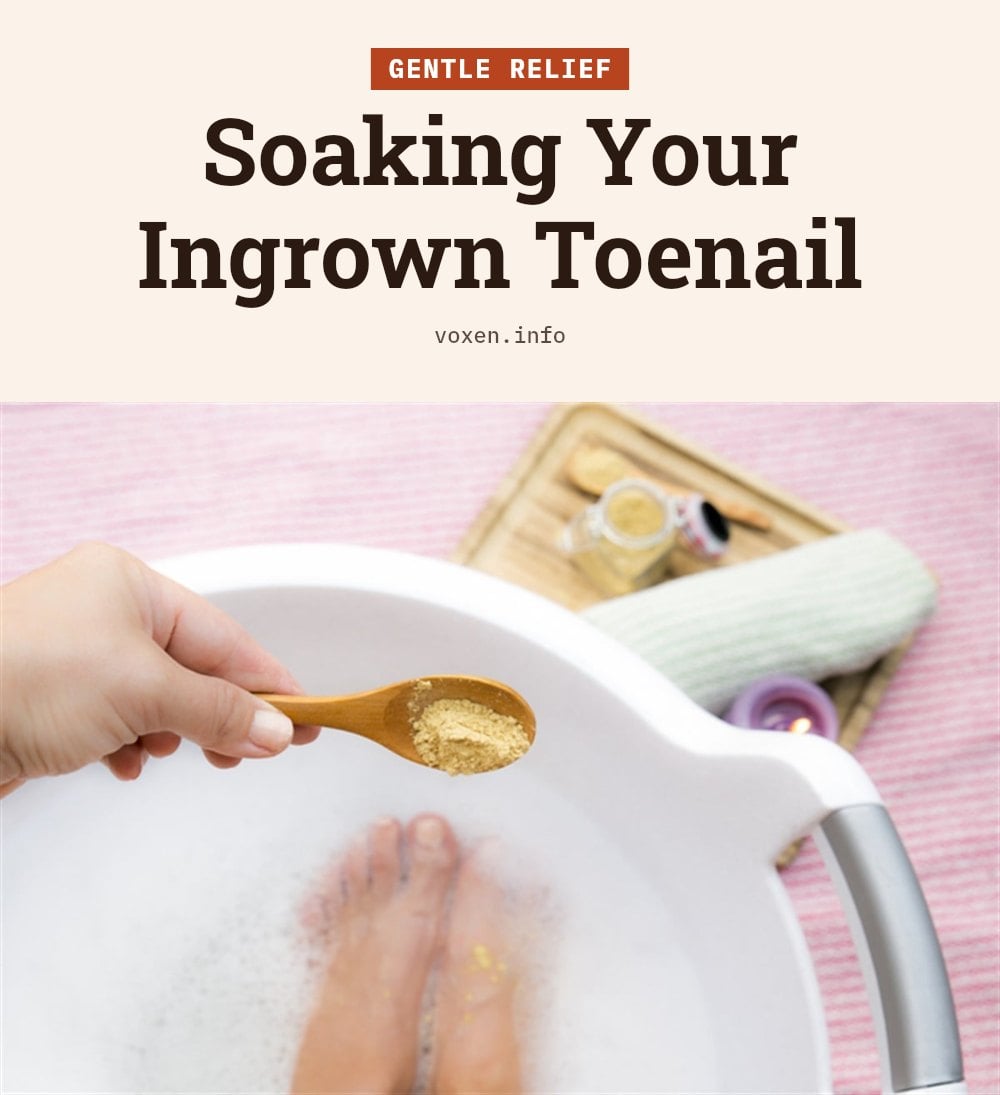
Soaking your affected foot in warm water 2-3 times a day for 15-20 minutes can significantly reduce swelling and tenderness. This softens the skin and nail, making it easier to manage the ingrown portion.
My tip: Add Epsom salts to the water for an extra soothing effect, though the warm water is the primary benefit. The salts may help draw out minor inflammation, but consistent soaking is what really helps.
2. Gently Lift the Ingrown Nail
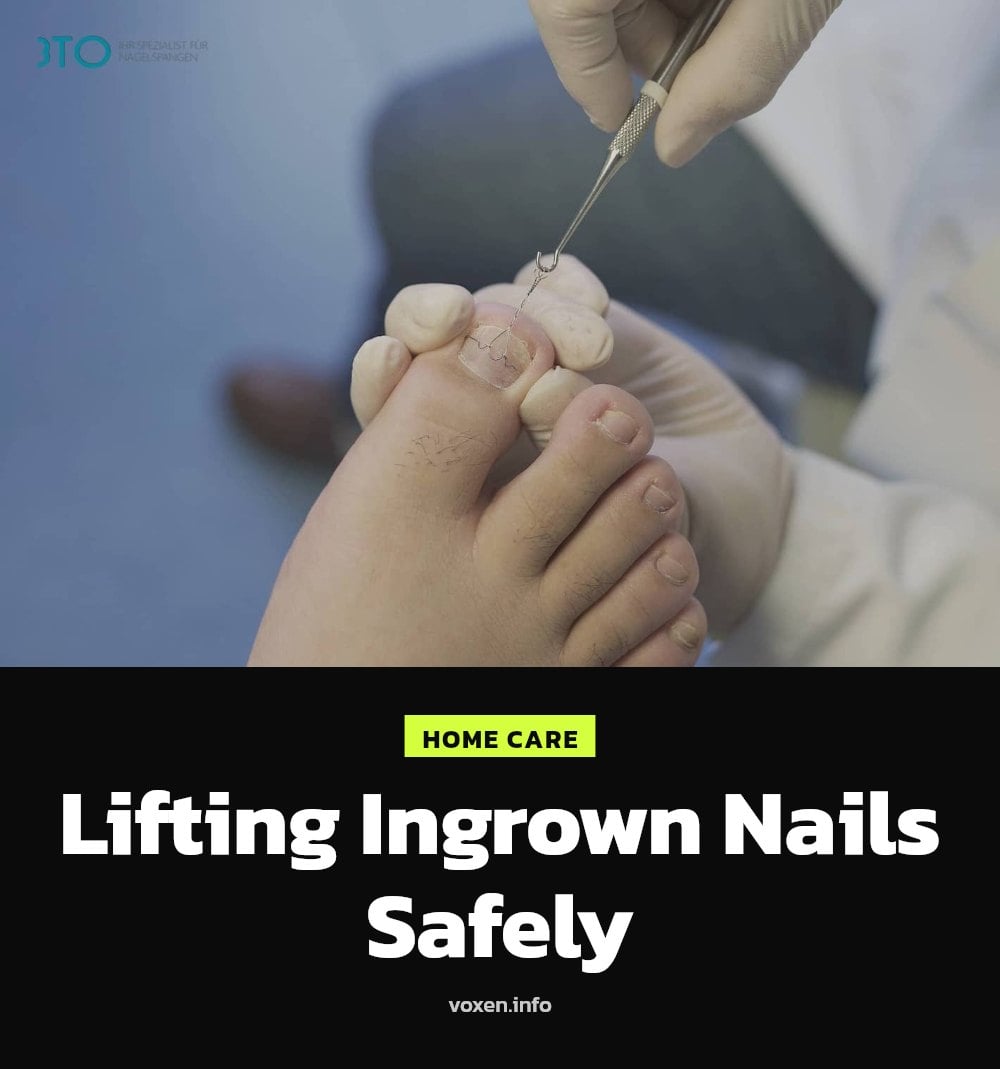
After soaking, gently lift the edge of the ingrown nail with a clean, blunt tool, like a nail file or a cotton swab. Carefully place a tiny piece of cotton or dental floss underneath the lifted nail edge. This helps the nail grow away from the skin, preventing further digging in. Change the cotton daily to keep the area clean and maintain the lift.
3. Apply Topical Antibiotic Cream
Apply a topical antibiotic cream: After soaking and lifting the nail, apply a thin layer of over-the-counter antibiotic cream to the affected area. This helps prevent infection by creating a protective barrier against bacteria. If you wear shoes, cover the area with a clean bandage to keep the cream in place and reduce friction.
4. Take Over-the-Counter Pain Relievers
Over-the-counter pain relievers like ibuprofen or acetaminophen can help manage pain and reduce inflammation while your home remedies take effect. Follow the dosage instructions on the package carefully. These can make the discomfort more bearable, especially during the first few days of treatment.
5. Wear Comfortable, Open-Toed Shoes

Avoid tight or narrow shoes that put pressure on your toes, as this can worsen an ingrown toenail. Opt for open-toed shoes or sandals whenever possible to relieve pressure and allow the toe to breathe. If you must wear closed-toe shoes, choose ones with a wide toe box to reduce friction.
6. Keep Your Feet Clean and Dry
Maintaining good foot hygiene is essential to prevent infection. Wash your feet daily with soap and water, and dry them thoroughly, especially between the toes. Moisture can create a breeding ground for bacteria, so keeping the area dry helps protect the skin.
7. Trim Toenails Straight Across
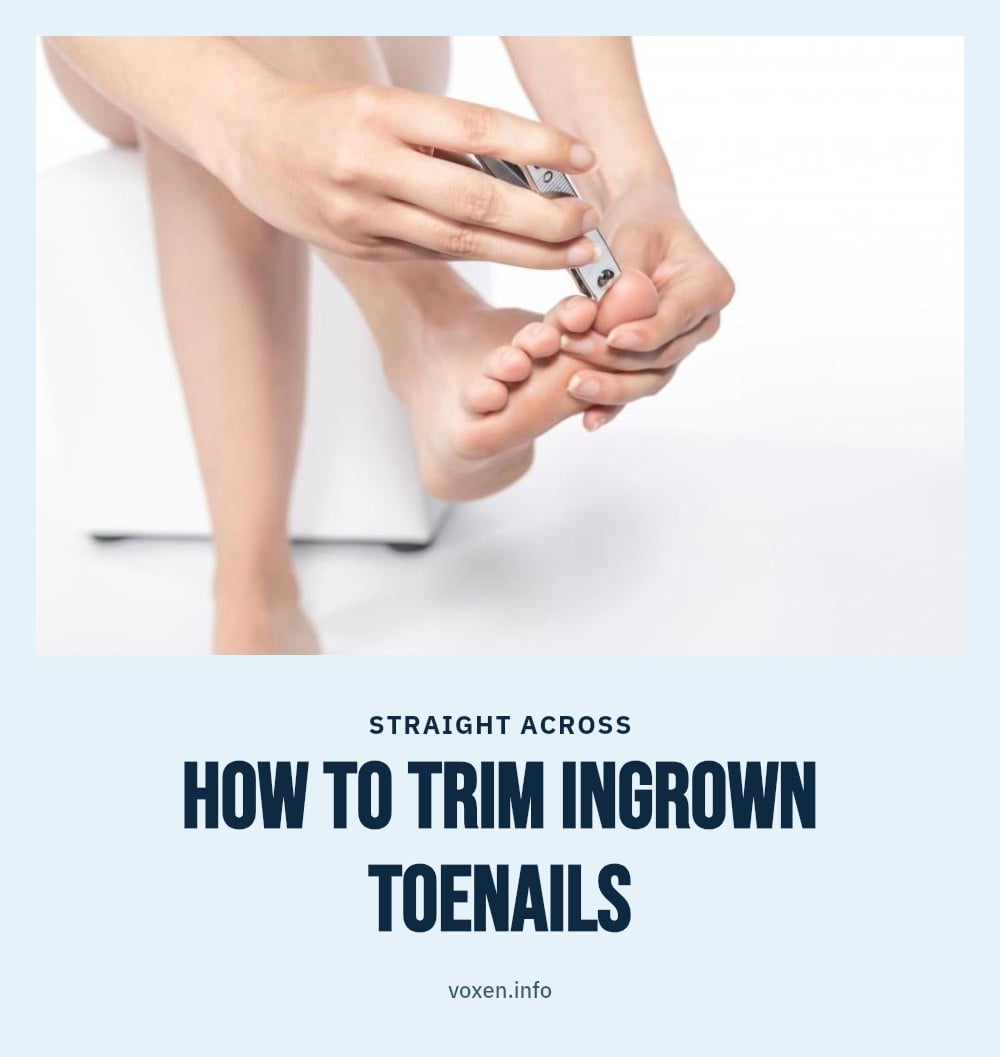
Improper trimming is one of the most common causes of ingrown toenails. Always cut your toenails straight across, and don’t cut them too short. Avoid rounding the corners, which encourages the nail to curve and grow into the skin.
Tip: Use sharp, clean nail clippers for a straight cut. Leave a small amount of white at the tip of each nail. This guides the nail to grow forward, not into the surrounding skin.
8. Avoid ‘Bathroom Surgery’
It is tempting to cut or dig out the ingrown portion yourself, but this is a common mistake that often backfires. Attempting bathroom surgery with unsterile tools can push bacteria deeper, leading to a more serious infection and worse pain. Caution: Leave any complex trimming or removal to a podiatrist or doctor. If the nail is deeply embedded or you see signs of infection, professional care is the only safe route.
9. Consider a Toe Protector
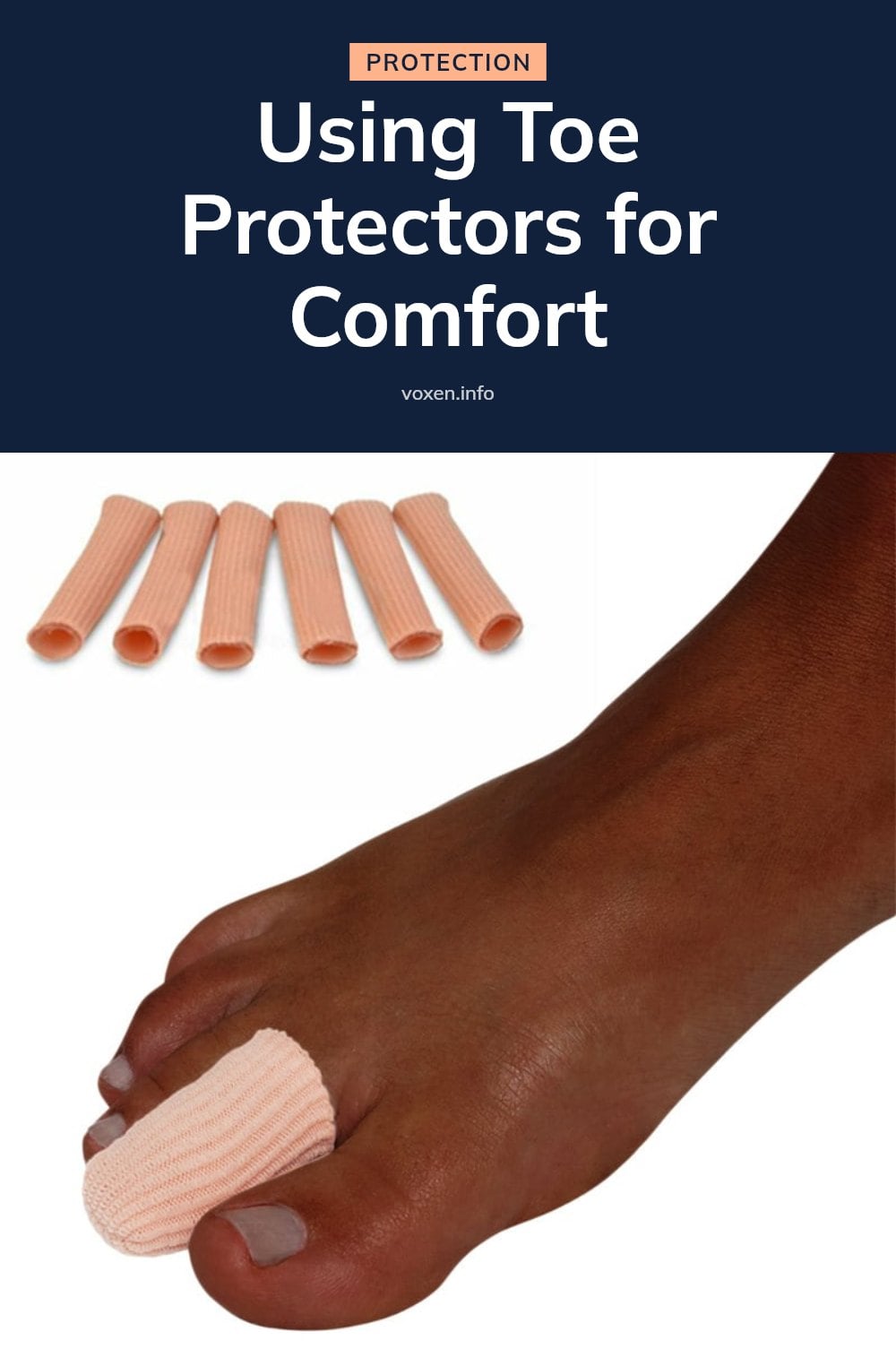
For temporary relief from shoe pressure, place a toe protector or a small piece of moleskin around the affected area. This cushions the toe and reduces friction, making walking more comfortable. Tip: Make sure the protector does not press directly against the ingrown nail, as extra pressure can aggravate the condition instead of helping it.
10. Elevate Your Foot
Elevate your foot when resting: Prop your foot up on pillows while sitting or lying down, ideally above heart level. This helps reduce swelling and throbbing pain by improving circulation and easing pressure on the affected toe. Do this for 15-20 minutes several times a day, especially after soaking or before bed.
11. Monitor for Signs of Infection
Monitor your toe daily while using home remedies. Look for increased redness, severe pain, warmth, pus, or a foul odor. Caution: If any of these signs appear, stop home treatment and see a doctor promptly. An infection can spread quickly and may need oral antibiotics. Keep this as a key takeaway action.
When to See a Doctor for Your Ingrown Toenail
If you have diabetes, poor circulation, or nerve damage, see a doctor right away for any foot problem, including an ingrown toenail. These conditions raise the risk of serious complications. Seek medical attention if you notice signs of infection such as pus, severe redness, warmth around the nail, a foul odor, or fever. Also consult a doctor if the pain is severe, home remedies do not improve the condition within a few days, or the ingrown toenail keeps coming back. Do not try to cut out the ingrown portion yourself. That can cause more injury and lead to a deeper infection.
Frequently Asked Questions
How long does it take for an ingrown toenail to heal with home remedies?
With consistent home care, you may see improvement within a few days to a week. If the pain, redness, or swelling hasn’t lessened after a week, or if symptoms get worse, it’s best to see a doctor for further treatment.
Can I use apple cider vinegar for an ingrown toenail?
Some people use apple cider vinegar in foot soaks for its antiseptic properties, but scientific evidence supporting its effectiveness is limited. The primary benefit of any foot soak comes from the warm water itself. If you try it, dilute it well and stop if it irritates your skin.
What happens if an ingrown toenail is left untreated?
If left untreated, an ingrown toenail can become more painful and lead to an infection. Signs of infection include pus, severe redness, warmth around the nail, and a foul odor. In serious cases, the infection can spread to the underlying bone, so prompt treatment is important.
Is it normal for an ingrown toenail to bleed?
Some minor bleeding can occur if the nail has cut into the skin, especially during activities like walking or if you accidentally bump the toe. However, persistent or heavy bleeding is not normal and should be evaluated by a doctor, as it may indicate a deeper injury or infection.
Can tight socks cause ingrown toenails?
Tight socks can contribute to ingrown toenails by putting constant pressure on your toes and crowding them together. This is similar to wearing tight shoes. Choose socks that fit comfortably without compressing your toes, and make sure your shoes have enough room in the toe box.
Final Thoughts
Stick with the home remedies for a few days to a week, and you should notice improvement in pain and swelling. The key is consistency with soaking, gentle lifting, and keeping the area clean. If your symptoms don’t get better or get worse, it’s time to let a professional take over. Your feet will thank you for taking the right steps.
This article is for general informational purposes only and does not constitute medical advice. Ingrown toenails can lead to serious complications, especially for people with diabetes, poor circulation, or nerve damage. Always consult a doctor or podiatrist for a proper diagnosis and treatment plan if you have concerns or persistent symptoms.

