Getting laser hair removal is a commitment, and how you treat your skin between sessions can make or break your results. I’ve seen too many people undo their progress with simple mistakes like sunbathing or reaching for the tweezers. This article covers the most common aftercare errors to avoid, what you should be doing instead, and how to keep your skin safe and your treatment on track.
Key Takeaways
- Shave between sessions, but never pluck, wax, or epilate treated hair.
- Apply broad-spectrum sunscreen with SPF 30 or higher daily to treated areas.
- Avoid sun exposure, tanning beds, and self-tanners for the entire treatment course.
- Skip hot baths, saunas, and strenuous exercise for 24 to 48 hours after each session.
- Expect 6 to 8 sessions spaced 4 to 6 weeks apart for optimal results.
Why Aftercare is Crucial for Laser Hair Removal Success
How you care for your skin between laser hair removal sessions directly affects the outcome. Skipping aftercare can reduce the treatment’s effectiveness and lead to irritation or complications like burns and pigment changes. Following the right steps ensures the laser targets the hair follicle properly each time and helps your skin heal well between appointments. Good aftercare is not optional, it is part of the treatment plan.
How Laser Hair Removal Works on Your Hair Follicles
The Science Behind the Laser
Laser hair removal works by emitting a concentrated beam of light that is absorbed by the melanin, or pigment, in your hair follicle. That light converts to heat, which damages the follicle and slows or stops future hair growth. The laser targets only hairs in the active growth phase, called the anagen phase.
Why Multiple Sessions Are Needed
Hair grows in cycles, and not all follicles are in the anagen phase at the same time. This is why you need multiple sessions, typically 6 to 8, spaced 4 to 6 weeks apart. Each session catches a new batch of hairs in that active phase, gradually reducing overall growth over time.
Common Mistakes to Avoid Between Laser Hair Removal Sessions
Avoid these common mistakes to keep your treatment on track and protect your skin.
- Forgetting to shave before a session: Hair above the skin can absorb the laser energy and cause surface burns, plus it reduces the laser’s ability to reach the follicle.
- Plucking, waxing, threading, or using depilatory creams: These methods remove the entire hair follicle, which is exactly what the laser needs to target. The treatment becomes ineffective.
- Excessive sun exposure: Sun exposure, including tanning beds, raises the risk of burns, hyperpigmentation (dark spots), and hypopigmentation (light spots). It may also force you to postpone sessions.
- Not disclosing medications or recent sun exposure: Some medications increase photosensitivity, and recent sun exposure can change how your skin reacts. Your technician needs this information to adjust settings or reschedule safely.
- Using harsh skincare products: Retinoids, chemical peels, and strong exfoliants can irritate treated skin and slow healing. Stick to gentle, fragrance-free products until your skin recovers.
Essential Aftercare for Treated Skin

Follow these steps between sessions for the best results and minimal side effects.
- Shave as needed: You can shave treated areas between appointments. Do not pluck, wax, or epilate, as these remove the follicle the laser targets.
- Apply sunscreen daily: Use a broad-spectrum sunscreen with SPF 30 or higher on any treated area that will be exposed to the sun. This prevents burns and pigment changes.
- Keep skin clean and moisturized: Use a mild cleanser and a gentle, fragrance-free moisturizer to support healing and reduce irritation.
- Exfoliate gently after a few days: Light exfoliation a few days post-treatment helps shed treated hairs as they push out of the follicle.
- Avoid heat and friction for 24-48 hours: Skip hot baths, saunas, steam rooms, and strenuous exercise that causes heavy sweating. Wear loose clothing to prevent rubbing on treated areas.
Your Laser Hair Removal Aftercare Toolkit
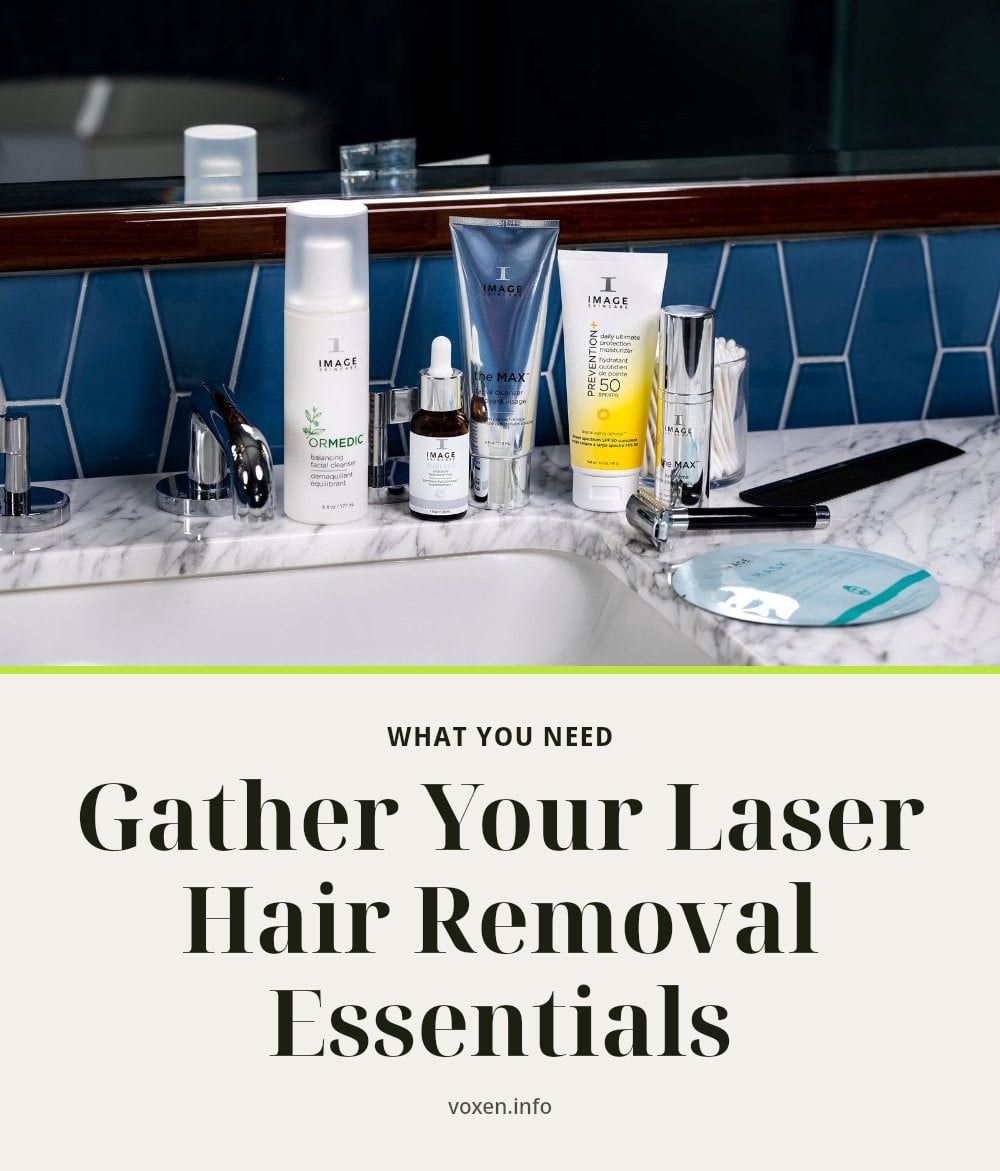
Having the right products on hand makes aftercare simple. Keep a sharp razor for shaving between sessions. It removes hair without disturbing the follicle. Apply a broad-spectrum sunscreen (SPF 30+) daily to any treated area that sees sunlight. A gentle, fragrance-free moisturizer keeps skin hydrated and supports recovery. Use a mild cleanser to wash treated skin without causing irritation. For any mild redness or swelling, cool compresses or aloe vera gel can provide soothing relief.
When to Contact Your Laser Hair Removal Professional
Contact your practitioner right away if you notice severe blistering, crusting, or signs of infection. Seek medical advice for persistent pain, excessive swelling, or any unusual skin changes that do not improve. If a product you are using causes irritation or an allergic reaction, stop using it and consult your technician. Your safety comes first, and a professional can guide you on the next steps.
Understanding Your Laser Hair Removal Timeline
Laser hair removal typically requires 6 to 8 sessions for optimal results. Appointments are spaced 4 to 6 weeks apart to catch hair in its active growth phase. You may notice visible hair reduction after a few sessions, but full results appear only after completing the entire course. Patience is key. The process works with your hair’s natural cycle, not against it.
Frequently Asked Questions
How many laser hair removal sessions are typically needed?
Most people need 6 to 8 sessions for optimal results. Appointments are usually spaced 4 to 6 weeks apart to target hair in its active growth phase. You may notice visible reduction after a few sessions, but full results take time.
Can I shave immediately after a laser hair removal session?
It is best to wait at least 24 to 48 hours before shaving treated skin. The area is often sensitive and slightly red right after treatment. Shaving too soon can irritate the skin. When you do shave, use a clean, sharp razor and a gentle shaving cream.
What should I do if my skin feels irritated after treatment?
Mild redness and swelling around the hair follicles are normal. Apply a cool compress or aloe vera gel to soothe the area. Use a gentle, fragrance-free moisturizer to keep the skin hydrated. If irritation persists, worsens, or includes blistering or crusting, contact your practitioner.
Is laser hair removal truly permanent?
Laser hair removal is considered a permanent hair reduction method, not permanent removal. Most people see significant and long-lasting reduction, but some hair may regrow over time, especially due to hormonal changes. Maintenance sessions once or twice a year can help keep results.
How long do I need to avoid sun exposure after laser hair removal?
Avoid direct sun exposure and tanning beds on treated areas for the entire duration of your treatment course. Sun exposure increases the risk of burns, hyperpigmentation, and hypopigmentation. When you do go outside, apply broad-spectrum sunscreen with SPF 30 or higher daily.
Final Thoughts
My best advice is to treat your skin like it’s healing after each session because, in a way, it is. Stick with shaving as your only hair removal method, wear sunscreen religiously, and give your skin a break from heat and harsh products for at least a day or two. You won’t see full results until you finish your course of sessions, but following these rules will get you there with fewer complications.
This article is for informational purposes only and does not constitute medical or professional advice. Laser hair removal results and risks vary by individual. Always consult a licensed practitioner or dermatologist for personalized guidance and before making decisions about your treatment or skincare routine.

