Dark spots can feel stubborn, but you don’t need a dermatologist’s office to see real progress. With the right combination of gentle skincare ingredients and consistent sun protection, you can help fade hyperpigmentation right at home. The trick is patience: noticeable results usually take 6 to 12 weeks of daily effort, not overnight miracles. In this article, I’ll walk you through the key ingredients, a simple routine, and the common mistakes to avoid so you can lighten dark spots safely and effectively.
Key Takeaways
- Apply broad-spectrum SPF 30+ every morning, even indoors near windows.
- Use Vitamin C in the AM and niacinamide or alpha arbutin to target pigmentation.
- Exfoliate with AHAs or BHAs a few times a week to shed pigmented cells.
- Introduce retinoids slowly at night to boost cell turnover without irritation.
- Expect noticeable fading after 6-12 weeks; full results take months.
You Can Gently Lighten Dark Spots at Home
Yes, you can gently lighten dark spots at home with a consistent skincare routine. The key is using specific ingredients that inhibit melanin production and promote cell turnover, paired with diligent sun protection. Patience is essential, as noticeable results typically take weeks to months of consistent effort.
Understanding Why Dark Spots Appear on Your Skin
Understanding Why Dark Spots Appear on Your Skin
Dark spots are a form of hyperpigmentation caused by an overproduction of melanin in specific areas. Common culprits include:
- Post-inflammatory hyperpigmentation (PIH): From acne, a scrape, or other skin injury.
- Sun spots (solar lentigines): Caused by cumulative UV exposure over time.
- Melasma: Often hormone-related, triggered by pregnancy, birth control, or sun exposure.
Sun exposure is a primary trigger and can worsen existing dark spots, so protecting your skin from UV rays is a must.
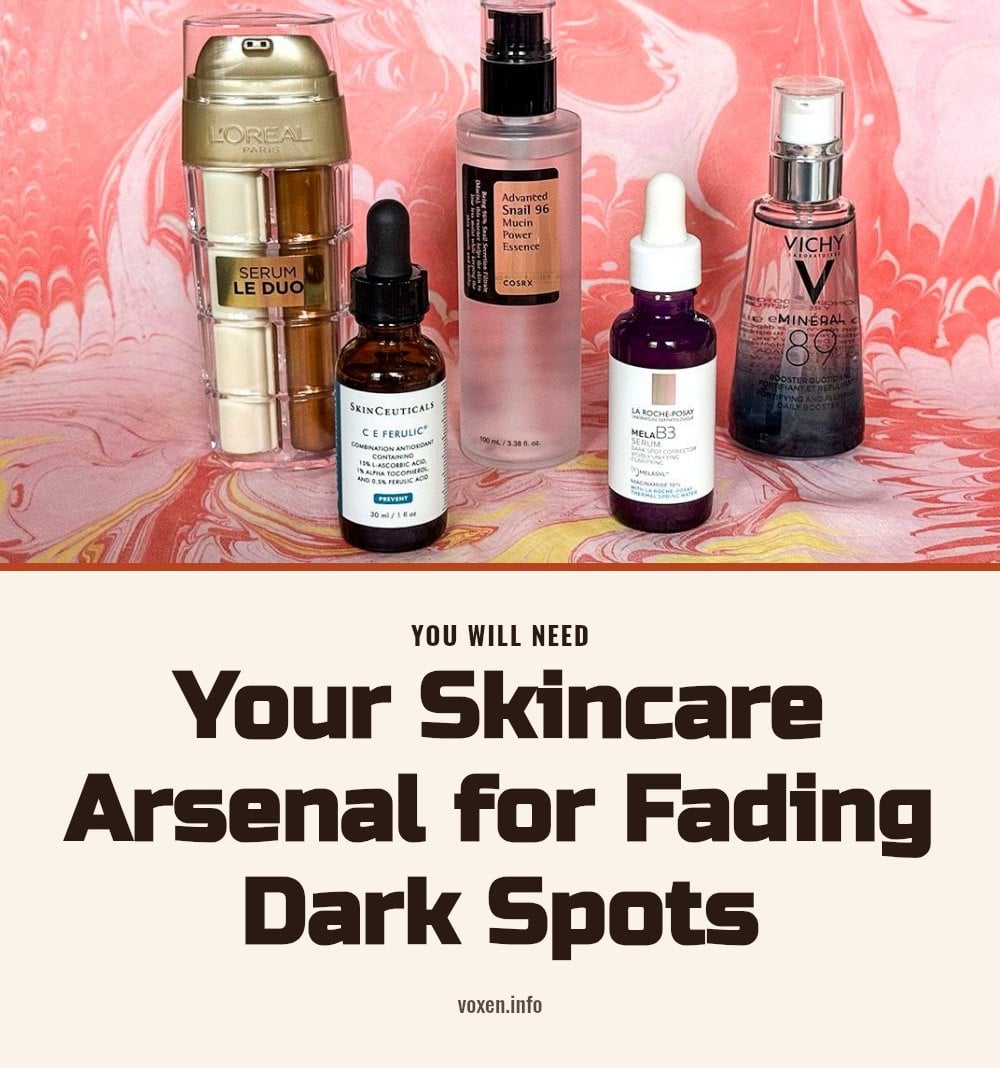
Your Skincare Arsenal for Fading Dark Spots
Your Skincare Arsenal for Fading Dark Spots
- Broad-spectrum sunscreen (SPF 30+): Essential daily defense against new and worsening spots.
- Vitamin C serum: A potent antioxidant that inhibits melanin production.
- Niacinamide serum: Reduces inflammation and improves overall skin tone.
- Alpha Arbutin or Azelaic Acid product: Targets melanin directly in pigmented areas.
- Gentle chemical exfoliant (AHA/BHA): Helps shed pigmented surface cells.
- Retinoid (retinol/retinaldehyde): Boosts cell turnover to fade spots over time.
- Gentle cleanser and moisturizer: Support skin barrier health and prevent irritation.
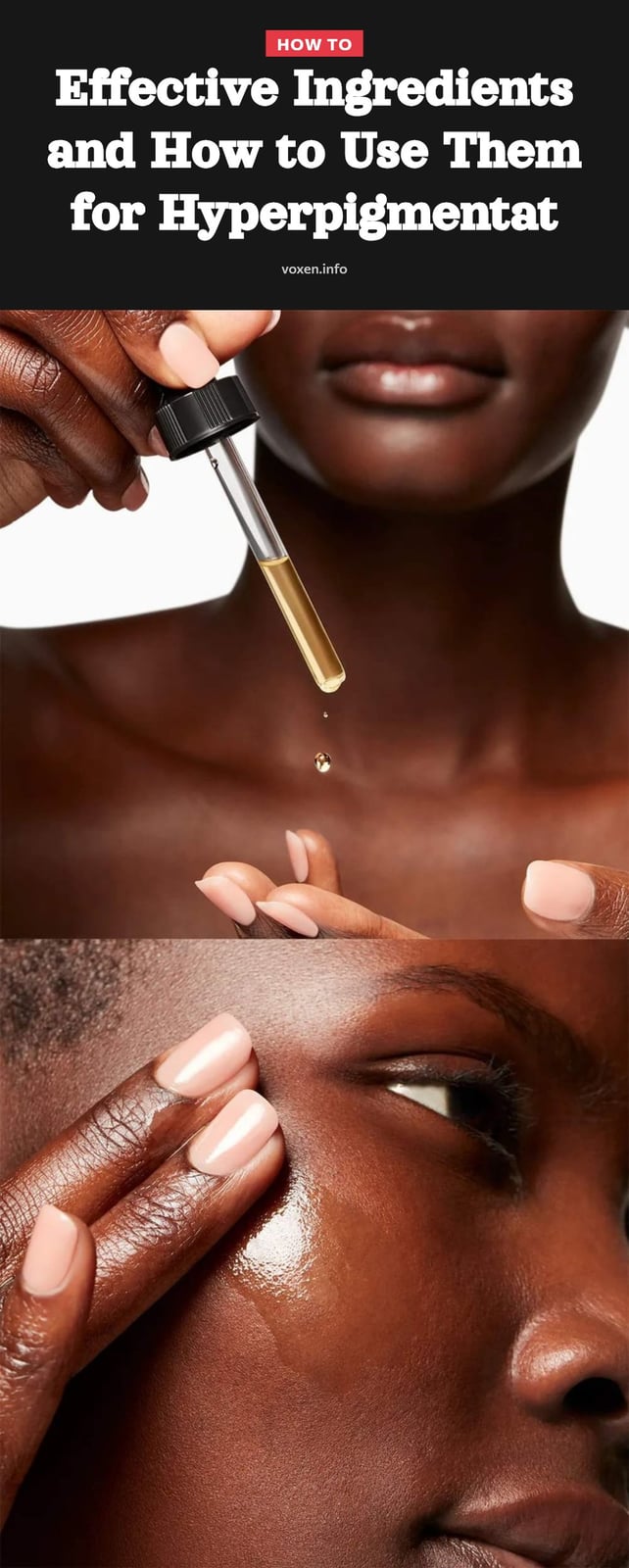
Effective Ingredients and How to Use Them for Hyperpigmentation
Effective Ingredients and How to Use Them for Hyperpigmentation
Using the right ingredients in the right order makes all the difference. Here is how to work them into your routine.
- Vitamin C (L-ascorbic acid): Apply in the morning after cleansing to protect against free radicals and brighten skin. Wait a few minutes before layering other products.
- Niacinamide: Use morning or night after Vitamin C or on its own. It reduces inflammation and evens skin tone without irritation.
- Alpha Arbutin or Azelaic Acid: Apply once or twice daily directly to areas of hyperpigmentation. Both are gentle enough for most skin types.
- AHAs (Glycolic/Lactic Acid) and BHAs (Salicylic Acid): Use a few times a week in the evening to exfoliate and promote cell turnover. My tip: Start with lower concentrations and less frequent use to see how your skin reacts.
- Retinoids (Retinol/Retinaldehyde): Introduce slowly a few nights a week to boost cell renewal. Caution: Retinoids can increase sun sensitivity, so always use SPF daily and avoid combining with other strong actives on the same night.
Common Mistakes When Treating Dark Spots and How to Avoid Them
Skipping Sunscreen: This is the biggest mistake. UV rays trigger melanin production, so without daily broad-spectrum SPF 30+, your dark spots will stay dark or get darker. Apply it every morning, even on cloudy days and when you are indoors near windows.
Expecting Overnight Results: Dark spots take time to fade. Be patient and consistent; you will typically start to see noticeable fading after 6-12 weeks of daily product use.
Over-Exfoliating: Using too many strong actives or harsh physical scrubs can irritate your skin and actually worsen hyperpigmentation. My tip: Introduce new products one at a time and listen to your skin.
Picking at Blemishes: This is a direct path to new post-inflammatory hyperpigmentation. Keep your hands off your face.
Stopping Treatment Too Soon: Once you see improvement, do not abandon your routine. Spots can recur if you stop using the ingredients that are helping.
Preventing New Dark Spots and Keeping Your Skin Clear
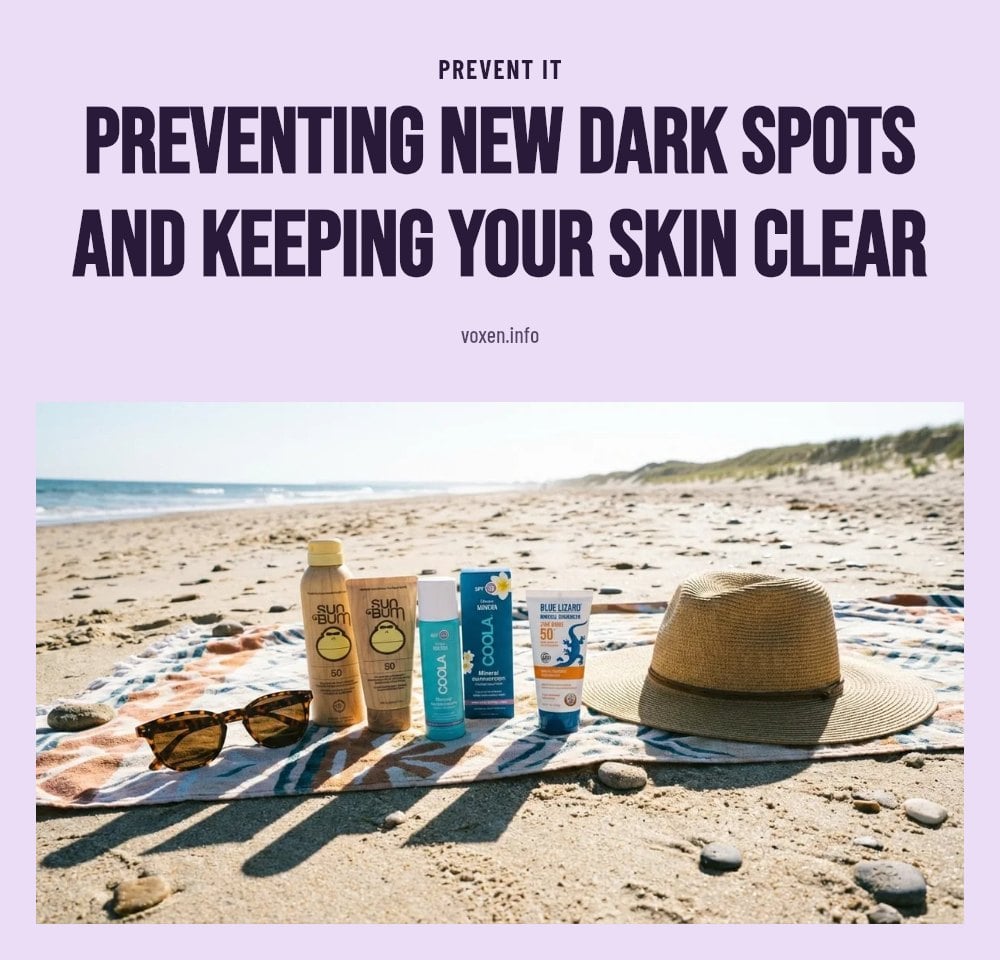
Daily Sun Protection: This is non-negotiable. Apply broad-spectrum SPF 30+ every single day, rain or shine. Reapply every two hours if you are outdoors.
Gentle Skin Handling: Avoid picking or squeezing blemishes. This directly causes post-inflammatory hyperpigmentation, creating new dark spots.
Consistent Antioxidant Use: Incorporate a Vitamin C serum into your morning routine. It protects your skin from environmental damage that can trigger new spots.
Support Skin Barrier: A healthy skin barrier is less prone to inflammation. Use a gentle cleanser and a good moisturizer daily to keep your skin calm and resilient.
What to Expect: Timeline for Results and Treatment Costs
Timeline: You will typically start to see noticeable fading after 6-12 weeks of consistent daily use of your chosen products. Full improvement can take several months.
Consistency is Key: Do not get discouraged if you do not see immediate changes. Skin cell turnover takes time, and results build slowly.
Cost: At-home treatments range from affordable drugstore options to mid-range and high-end serums. The main ongoing cost is consistent repurchase of active ingredients and, most importantly, sunscreen.
When to Consult a Dermatologist for Your Dark Spots
Rapid Changes: If your dark spots are rapidly changing in size, shape, or color, consult a dermatologist to rule out any serious conditions.
No Improvement: If at-home treatments are not yielding the desired results after several months of consistent use, a professional can offer stronger options.
Skin Reactions: If you experience significant irritation, redness, burning, or allergic reactions to skincare products, stop use and see a dermatologist.
Stubborn Spots: For stubborn melasma or deeply set sun spots, professional treatments like chemical peels, laser therapy, or prescription-strength retinoids may be more effective.
Frequently Asked Questions
How long does it take to see results from dark spot treatments?
Most people start noticing fading after 6 to 12 weeks of consistent daily use of the right products. Full improvement can take several months because skin cell turnover is slow. Don’t get discouraged if you don’t see immediate changes; consistency is key.
Can natural remedies effectively fade dark spots?
Some natural ingredients like licorice root extract and kojic acid are recognized for their skin-lightening properties, but they’re usually milder than clinical actives. They can help as part of a routine, but for noticeable results, you’ll likely need proven ingredients like Vitamin C or niacinamide. Always patch test first.
Is it okay to use multiple active ingredients at once for dark spots?
Yes, but carefully. Combining actives can be more effective, but too many at once can irritate your skin and worsen hyperpigmentation. Start with one or two, like Vitamin C and niacinamide, then add others slowly. If you experience redness or burning, reduce frequency or stop.
Do dark spots ever go away completely?
It depends on the type and cause. Sun spots and post-inflammatory hyperpigmentation can often fade significantly with consistent treatment and sun protection. Melasma may be more stubborn and can require ongoing management. Even with improvement, some spots may lighten but not disappear entirely, and new ones can form without sun protection.
What is the best ingredient for sun spots?
Vitamin C (L-ascorbic acid) is a top choice for sun spots because it inhibits melanin production and protects against free radicals. Alpha arbutin and azelaic acid also target pigmentation effectively. Combine one of these with daily SPF 30+ for the best chance of fading sun spots.
Can diet affect dark spots?
There’s no strong evidence that diet directly causes or cures dark spots, but a balanced diet rich in antioxidants may support overall skin health. Staying hydrated and eating fruits and vegetables can help your skin repair itself, but it won’t replace topical treatments or sun protection.
Final Thoughts
My tip: start with just two actives, like Vitamin C in the morning and a niacinamide serum at night, and add exfoliants or retinoids only after your skin adjusts. Realistic expectation: you’ll see the first hints of fading around week six, with more significant lightening by month three. Stick with it, keep sunscreen non-negotiable, and your skin will thank you. If spots change or don’t improve, that’s your cue to see a dermatologist.
This article is for general informational purposes only and is not a substitute for professional medical advice. If you have persistent, changing, or concerning dark spots, or if you are pregnant or breastfeeding, consult a dermatologist or healthcare provider before starting new treatments.

