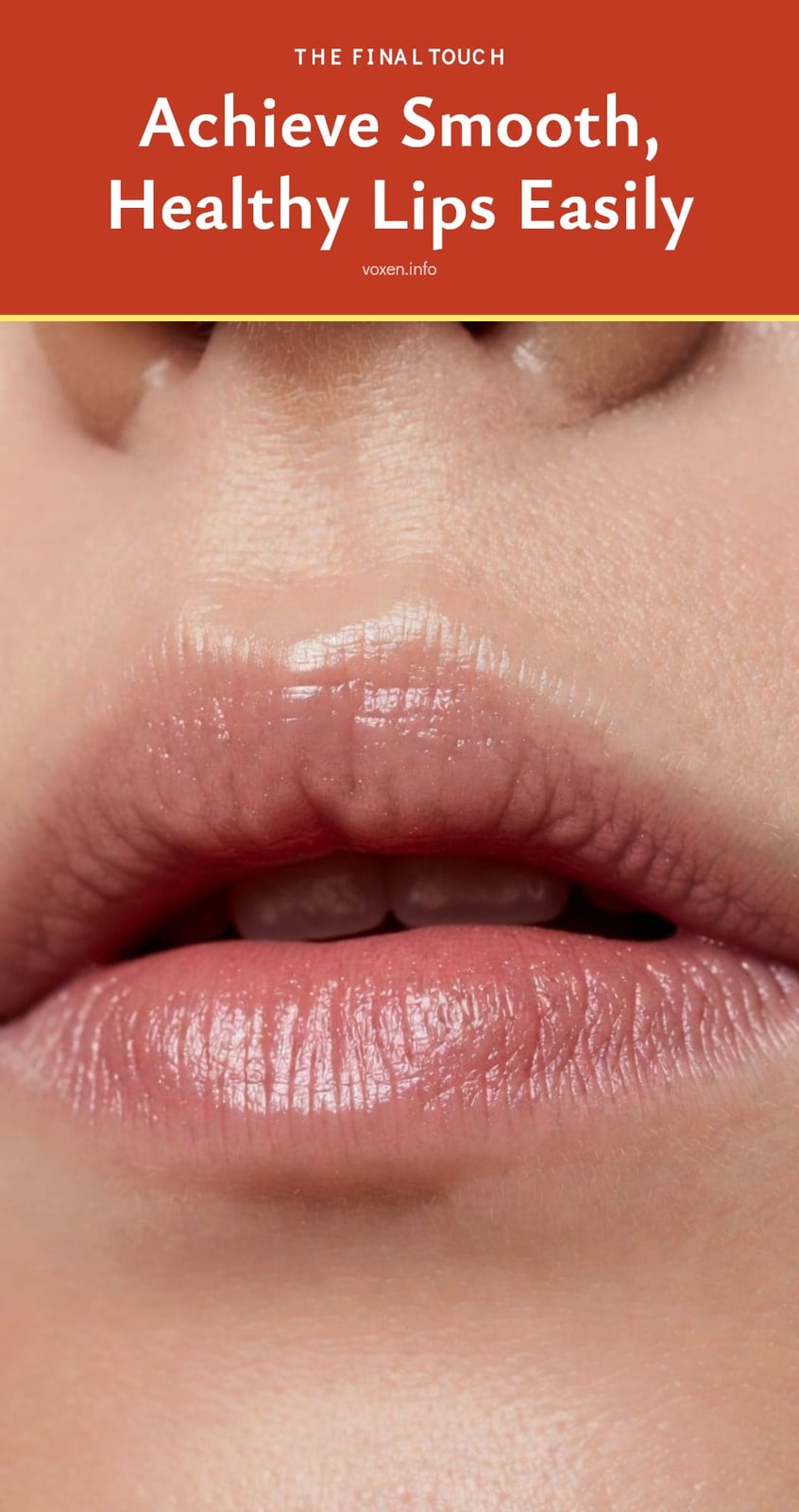
When cold weather hits, your lips can feel dry and uncomfortable before you even step outside. The skin on your lips is thinner than the rest of your face and lacks oil glands, so it loses moisture fast. This article covers the key habits that keep lips soft and protected all season long, from choosing the right balm to avoiding common mistakes that make chapping worse.
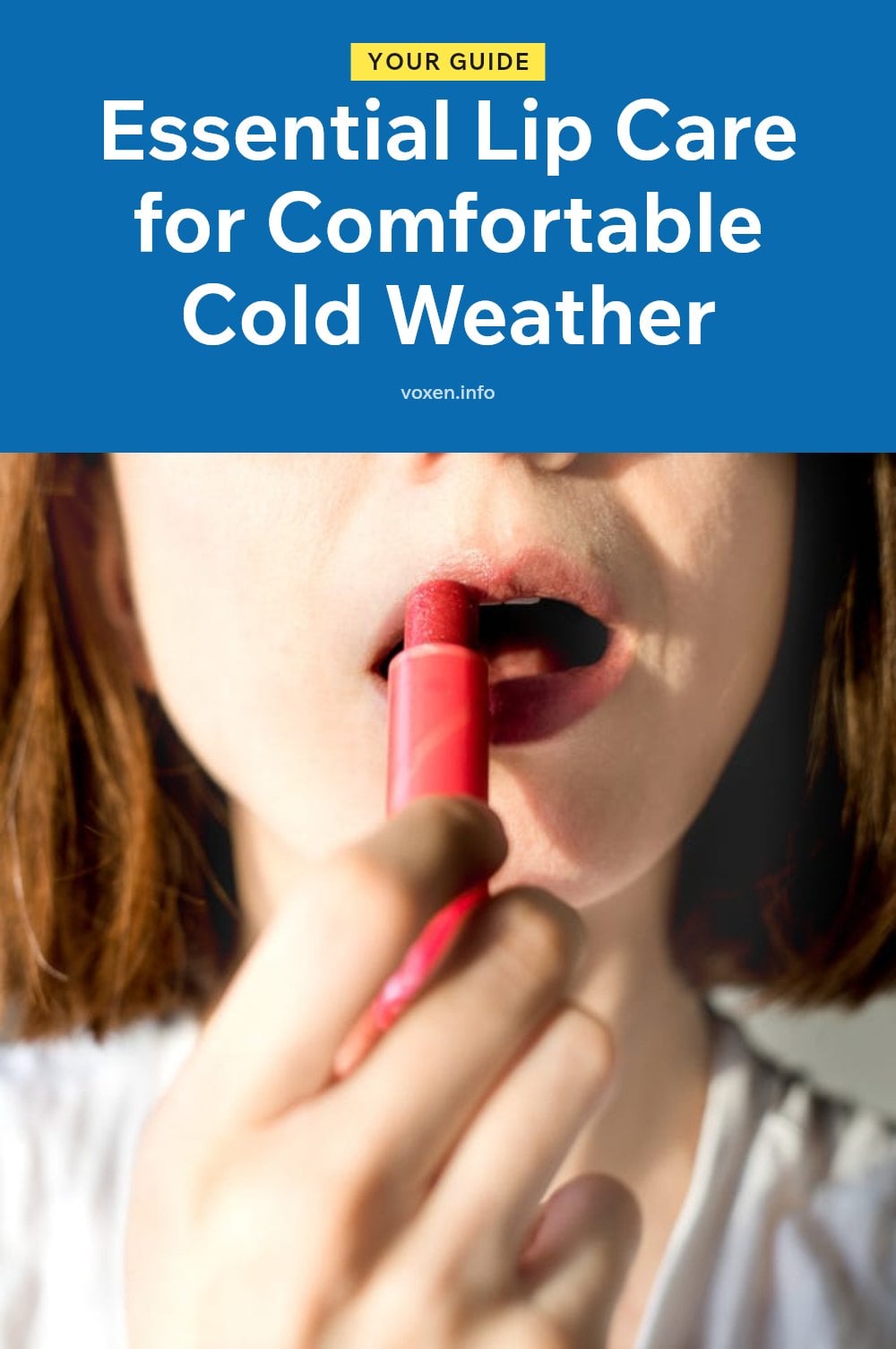
Key Takeaways
- Apply a thick lip balm with petrolatum or shea butter frequently throughout the day.
- Use a lip balm with SPF 15 or higher every day, even in winter.
- Gently exfoliate lips once or twice a week with a soft toothbrush or sugar scrub.
- Drink enough water and use a humidifier indoors to prevent moisture loss.
- Stop licking or picking your lips to avoid further irritation and infection.
Quick Answer: The Best Way to Care for Your Lips in Cold Weather
Consistent hydration and barrier protection are the foundation of lip care in cold weather. Apply a thick, emollient lip balm with occlusives like petrolatum or shea butter frequently to seal in moisture. Include SPF protection, stay hydrated, and gently exfoliate once or twice a week to prevent and heal chapped lips.
1. Choose the Right Lip Balm
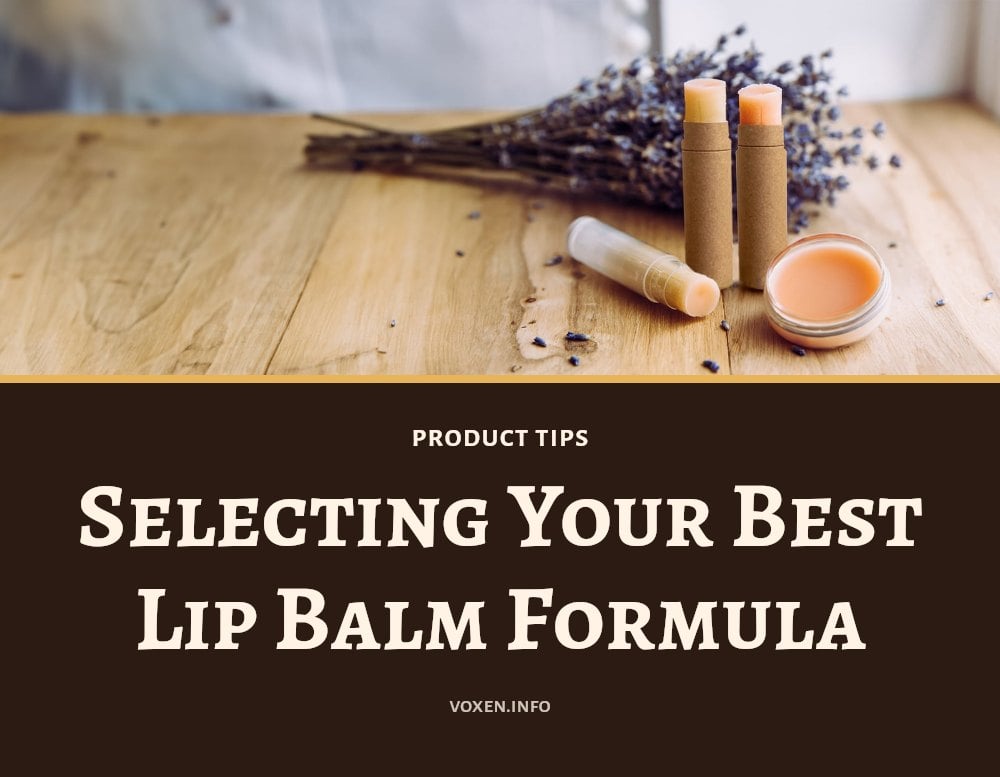
Look for lip balms with occlusive ingredients like petrolatum, beeswax, shea butter, or lanolin. These create a protective barrier that seals in moisture, which is essential because lips lack sebaceous glands.
My tip: Thick, almost waxy balms work best for keeping moisture locked in, especially overnight. They form a stronger seal than lighter formulas, so the hydration stays put until morning.
2. Apply Balm Frequently
Reapply lip balm throughout the day, especially before going outdoors or after eating and drinking. The skin on your lips is thinner and more delicate than the rest of your face, making it prone to quick moisture loss. Consistent application keeps that protective barrier strong against cold, dry air.
3. Protect Lips from the Sun
Even in winter, sun exposure can damage lip skin, leading to dryness and increasing the risk of cold sores. Choose a lip balm with SPF 15 or higher. Do not skip this step on cloudy days or when skiing, UV rays are still strong.
4. Gently Exfoliate Your Lips
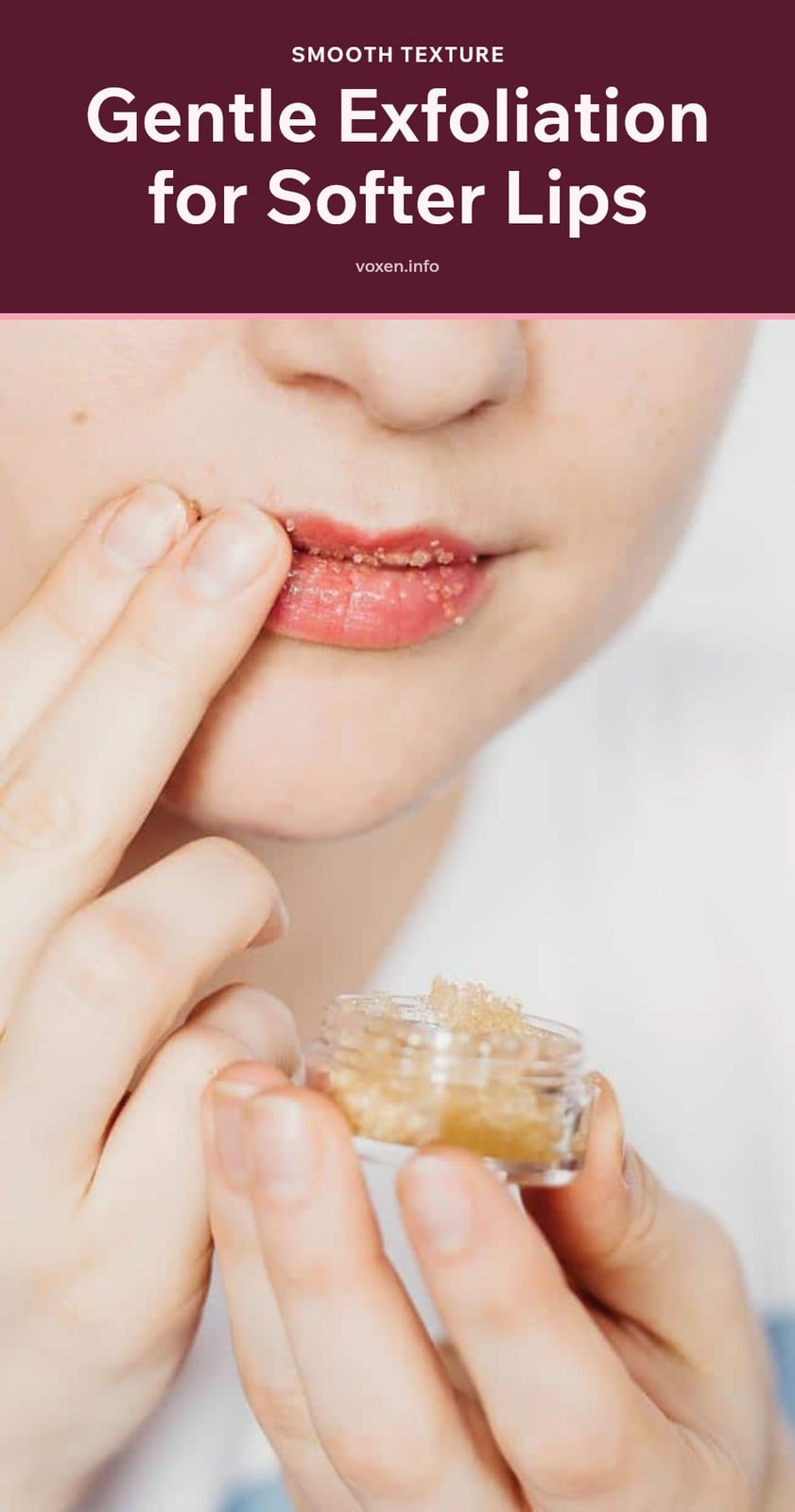
Once or twice a week, gently remove dead skin cells with a soft toothbrush or a sugar scrub. This helps your lip balm penetrate better and makes your lips feel smoother. Over-exfoliation can cause irritation and damage, so keep it gentle and stop if you feel any discomfort.
Tip: Use a store-bought sugar scrub or make one at home by mixing sugar with a drop of honey or olive oil. Apply it in small circular motions for about 30 seconds, then rinse with warm water.
5. Stay Hydrated Internally
Dehydration can show up as dry, chapped lips, so drinking enough water throughout the day is crucial. Adequate water intake supports overall skin health, including the delicate skin on your lips.
My tip: Carry a reusable water bottle to remind yourself to sip regularly. Aim for at least eight glasses daily, and increase your intake if you’re active or in a dry climate.
6. Use a Humidifier Indoors
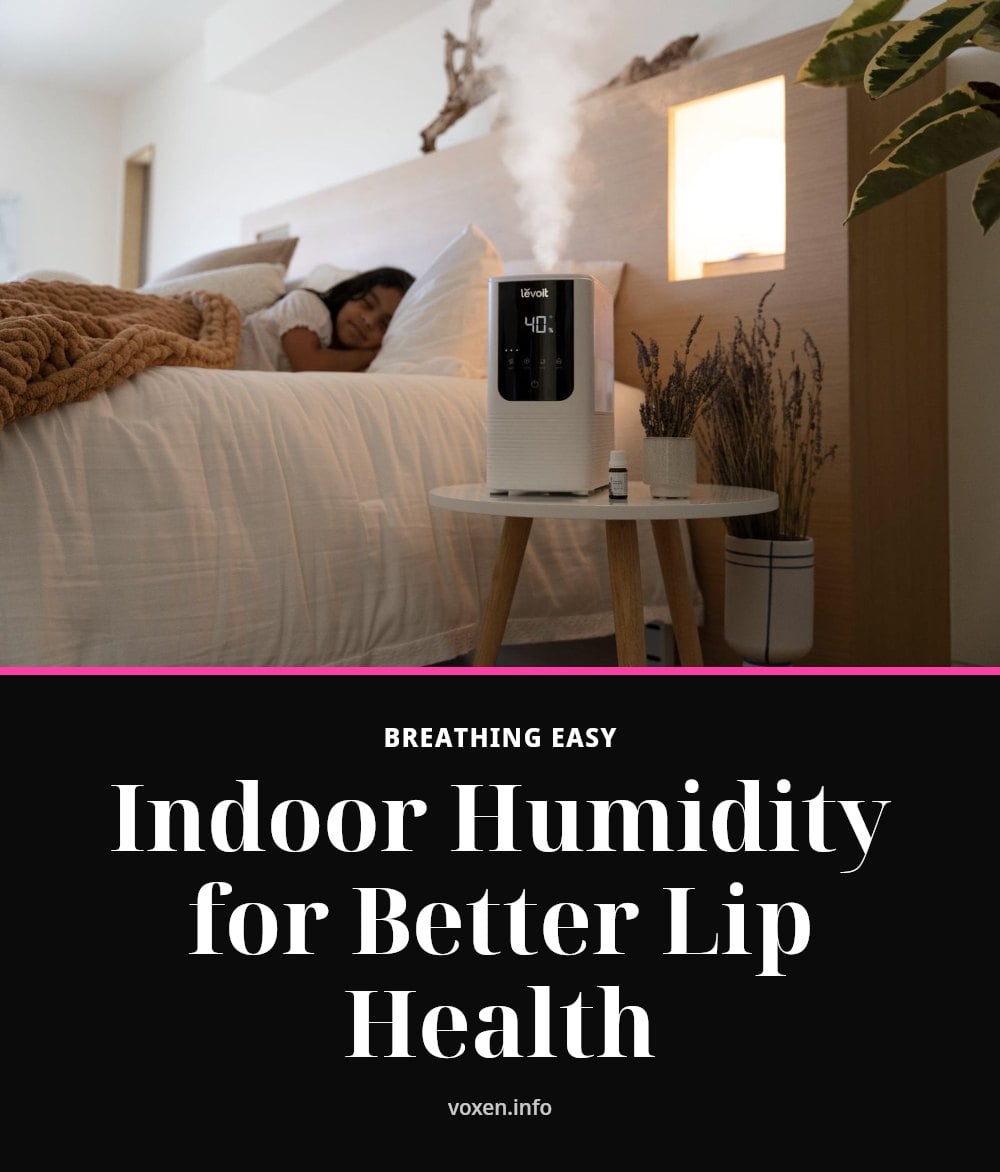
Low humidity and dry indoor air, especially from heating systems, can strip moisture from your lips. A humidifier adds moisture back into the air, helping to prevent your lips from drying out overnight.
Good to know: Place a humidifier in your bedroom and run it while you sleep. This is particularly helpful during cold, dry months when indoor air is at its driest.
7. Apply Balm Before Bed
Applying a thick layer of lip balm before bed can prevent overnight moisture loss. You’re not drinking or reapplying while you sleep, so a good barrier is extra important.
Tip: Choose a balm with petrolatum or shea butter for the strongest seal. This gives your lips hours to absorb and heal without interruption.
8. Avoid Licking Your Lips
Licking your lips gives a moment of relief but actually makes the problem worse. Saliva contains enzymes that break down the delicate skin barrier, and it evaporates quickly, leaving lips drier than before. Resist the urge. Instead, reach for your lip balm to get real, lasting moisture.
9. Don’t Pick or Peel Skin
Picking or peeling dry skin from your lips can cause further irritation, bleeding, and even infection. It delays healing and creates a cycle of damage. Let gentle exfoliation and consistent balm application do the work. Your lips will heal faster and feel smoother without the picking.
10. Check Lip Product Ingredients
Some lip product ingredients like camphor, menthol, and salicylic acid can be irritating or drying, especially on already chapped lips. They may offer a temporary cooling sensation, but they can worsen dryness in the long run. Tip: Choose fragrance-free and gentle formulations if your lips are sensitive. Your lips will thank you.
11. Use Balm Under Lipstick
Apply a thin layer of lip balm before lipstick to create a smoother surface and prevent many lipsticks from drying out your lips. This step is especially important for matte or long-wear formulas, which can be particularly dehydrating. It’s a simple addition to your routine that makes a big difference in comfort.
When to Consult a Professional
If chapped lips persist for more than two weeks despite consistent care, it is time to see a doctor or dermatologist. Consult a professional if your lips become severely painful, swollen, or develop sores that do not heal.
These symptoms could indicate an underlying issue that requires medical attention. Tip: Keep a log of your lip care routine and any product changes to share with your doctor. Do not wait if you notice signs of infection or allergic reaction.
Frequently Asked Questions
Why do my lips get so chapped in winter?
Cold air, low humidity, and wind strip moisture from the thin skin of your lips, which lack natural oil glands. Indoor heating also dries out the air, making the problem worse.
Can I use regular body lotion on my lips?
No, body lotions are not formulated for the delicate lip skin and often contain ingredients that can be irritating if swallowed. Stick with a dedicated lip balm designed for the lips.
How often should I exfoliate my lips?
Once or twice a week is enough. Exfoliating more often can irritate the thin lip skin and damage the protective barrier, making chapping worse.
What ingredients should I avoid in lip balms?
Avoid camphor, menthol, and salicylic acid, especially if your lips are already chapped. These ingredients can cause a cooling sensation but may dry out lips over time.
Does drinking more water really help chapped lips?
Yes, dehydration can contribute to dry, chapped lips. Drinking enough water supports overall skin health, including the lips, though it works best alongside a good lip balm.
Final Thoughts
For comfortable lips this winter, stick with a thick, occlusive balm applied throughout the day and before bed. You should see improvement in a few days to a week with consistent care. If chapped lips last more than two weeks or become painful, see a doctor or dermatologist to rule out an underlying issue.
This article provides general information for lip care and is not a substitute for professional medical advice. If you have persistent or severe lip problems, consult a doctor or dermatologist for personalized guidance.