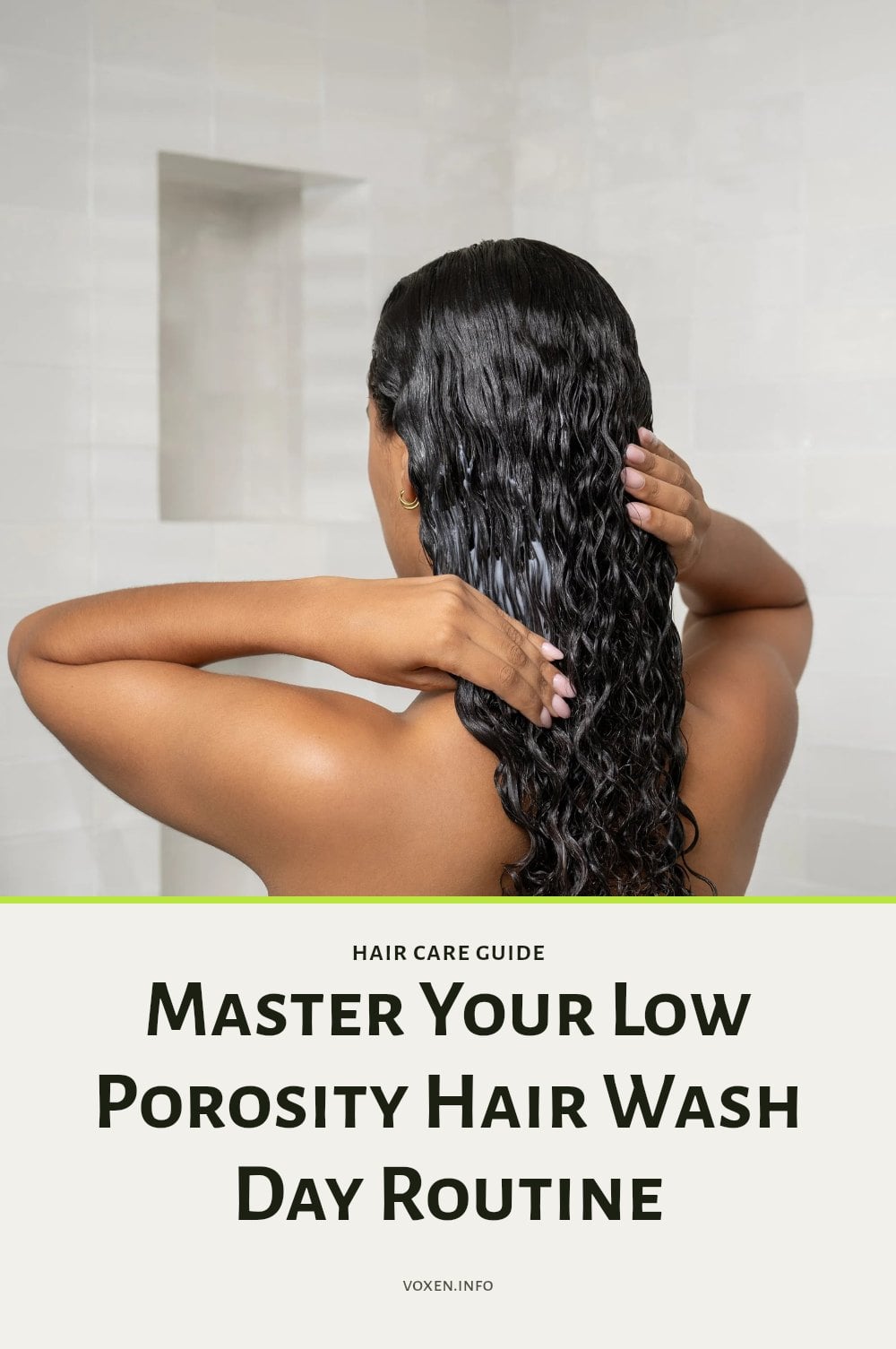
If your hair takes forever to get wet, feels dry no matter how much conditioner you use, and products seem to sit on top instead of sinking in, you likely have low porosity hair. The good news is that with the right routine, you can finally get moisture to penetrate. This article covers the essential steps and product tips for a successful wash day.
Key Takeaways
- Use warm water and heat during deep conditioning to open the tight cuticle.
- Clarify every 2-4 washes to prevent product buildup that blocks moisture.
- Choose lightweight, water-based products over heavy butters and oils.
- Apply leave-in conditioner to damp, not soaking wet, hair for better absorption.
- Seal with light oils like jojoba or argan instead of thick creams.
What is Low Porosity Hair?
Low porosity hair has tightly closed cuticles, which means moisture struggles to get in but also can’t easily escape once it does. This often leads to product buildup and a dry feeling despite your best hydrating efforts. The key is using gentle heat to open the cuticle, choosing lightweight, water-based products, and clarifying regularly to keep the path clear for moisture.
1. Use Warm Water to Open Cuticles
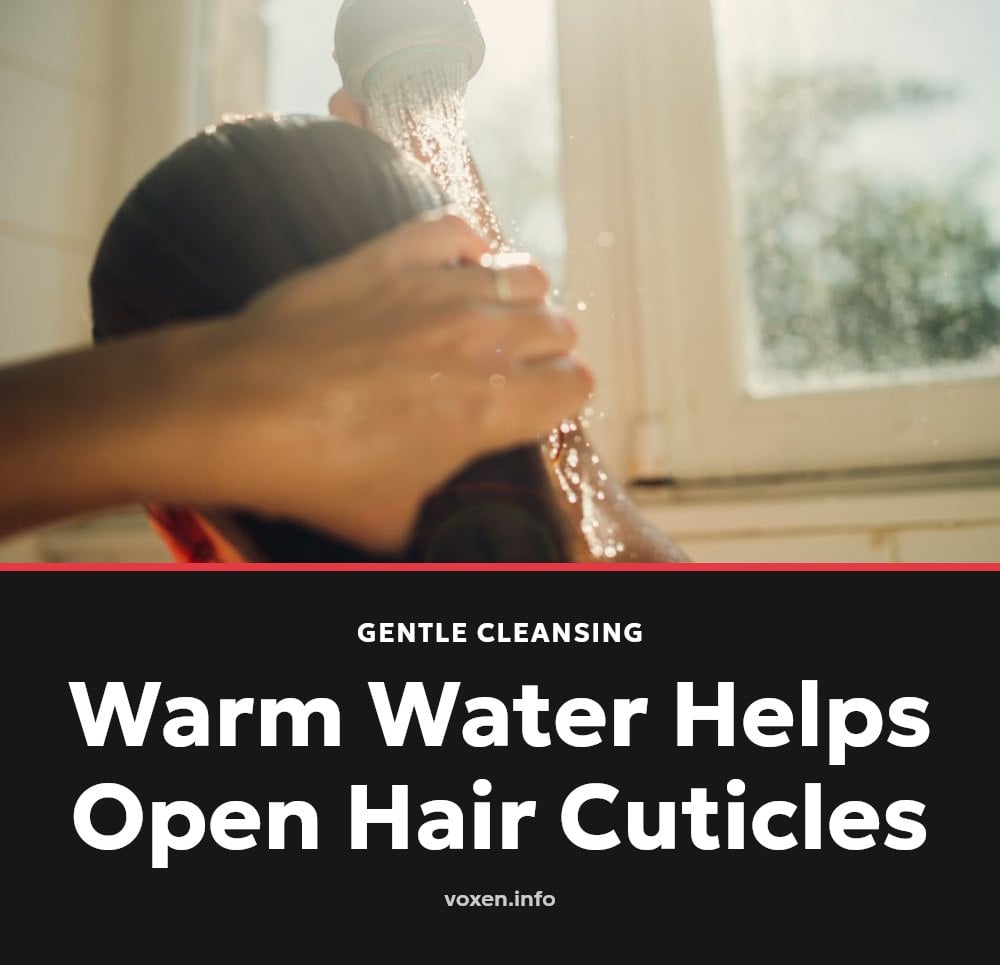
Start your wash day by rinsing your hair with warm water. The heat gently lifts the tightly closed cuticles of low porosity hair, making them more receptive to moisture. This simple step prepares your strands to actually absorb the shampoo and conditioner you’re about to apply, rather than having them just sit on the surface.
2. Clarify Regularly to Prevent Buildup
My tip: Use a clarifying shampoo every 2-4 washes to strip away the product buildup that blocks moisture from entering your hair. Low porosity hair naturally repels absorption, so leftover conditioners, creams, and oils just sit on the surface and create a stubborn film. A good clarifying wash resets your hair, making it ready to actually drink in hydration during the rest of your routine.
3. Choose Lightweight, Water-Based Products
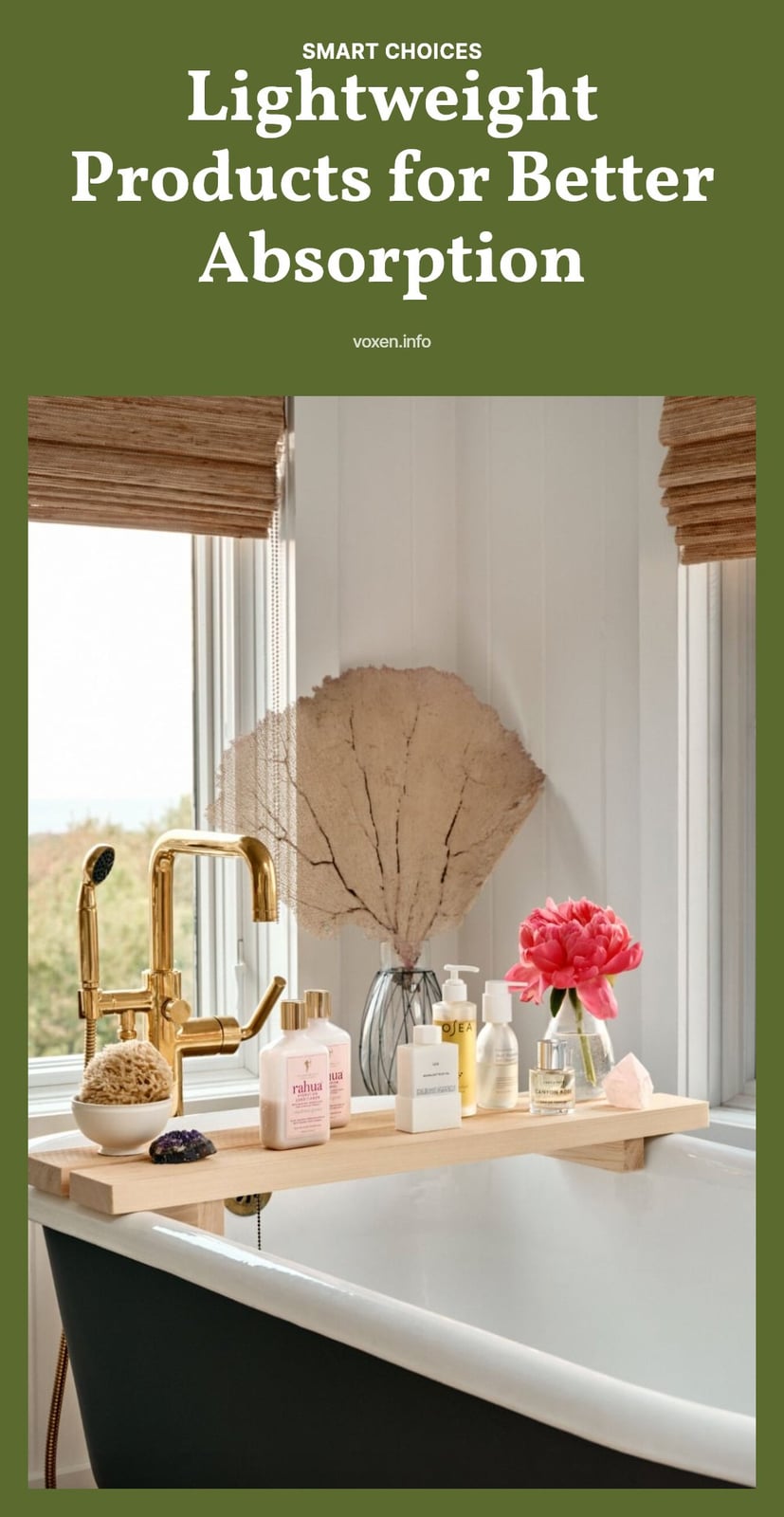
Look for shampoos, conditioners, and leave-ins labeled as lightweight or water-based. These have smaller molecules that can actually get through the tight cuticle of low porosity hair. Heavy butters and oils, like shea butter or coconut oil, tend to sit on the surface instead of absorbing. They create a film that blocks moisture and leads to buildup.
- Check the ingredient list: Water or aloe vera juice should be near the top, not heavy oils.
- Skip thick creams: They often contain waxes or butters that just coat the hair.
- Go for liquids or milks: These consistencies are more likely to penetrate and actually hydrate.
4. Apply Deep Conditioner with Heat

Apply deep conditioner with heat: Deep conditioning is vital, but for low porosity hair, you need heat to help the treatment penetrate the tight cuticle. Apply your deep conditioner, then cover your hair with a shower cap and a warm towel for 20-30 minutes, or sit under a hooded dryer until the treatment has had time to work (typically 15-20 minutes at a comfortable low heat). The heat gently lifts the cuticles, allowing moisture to sink in rather than sit on top.
5. Rinse Thoroughly with Warm Water
Rinse thoroughly with warm water: After conditioning, rinse your hair thoroughly with warm water to ensure all product is removed. Residual product can contribute to buildup and weigh down your hair, blocking future moisture absorption. Keep rinsing until the water runs clear.
6. Apply Leave-In to Damp Hair
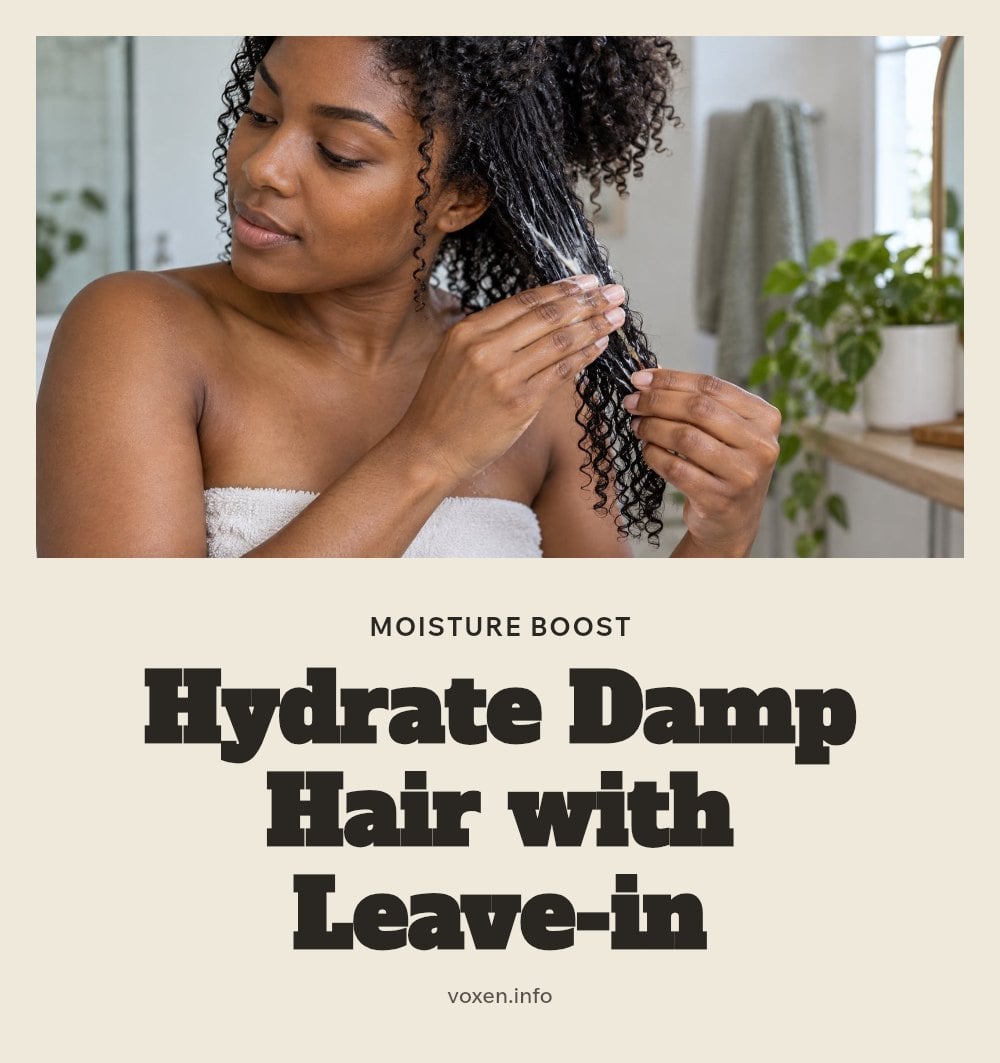
Apply leave-in to damp hair: Apply your leave-in conditioner to damp, not soaking wet, hair. Damp hair allows the product to be absorbed more effectively without being diluted or sliding off. Squeeze out excess water first, then work the leave-in through your strands.
7. Layer Products Sparingly
For low porosity hair, less is more. Applying too many products at once creates layers that sit on the surface, leading to buildup and weighed-down strands. Start with a single lightweight leave-in, then add a light oil only if needed. Skip the cream, butter, and gel cocktail.
8. Incorporate Light Oils for Sealing
After moisturizing, seal with a light oil such as jojoba, argan, or grapeseed. These oils are small enough to penetrate the cuticle, unlike heavy butters that just sit on top. Apply a few drops to damp hair, focusing on the ends.
9. Consider Humectants in Humid Climates
Humectants like glycerin and honey attract moisture from the air into your hair. They work best in humid climates where there is enough ambient moisture. My tip: In very dry climates, humectants can pull moisture out of your hair instead, so use them sparingly or pair with a light oil seal.
10. Be Mindful of Protein Sensitivity
Some low porosity hair is sensitive to protein. Too much protein can make hair feel stiff, brittle, or straw-like because the protein sits on the surface rather than absorbing. If you notice this, reduce protein-heavy products like strengthening masks or protein-rich leave-ins for a few washes.
11. Air Dry or Diffuse on Low Heat
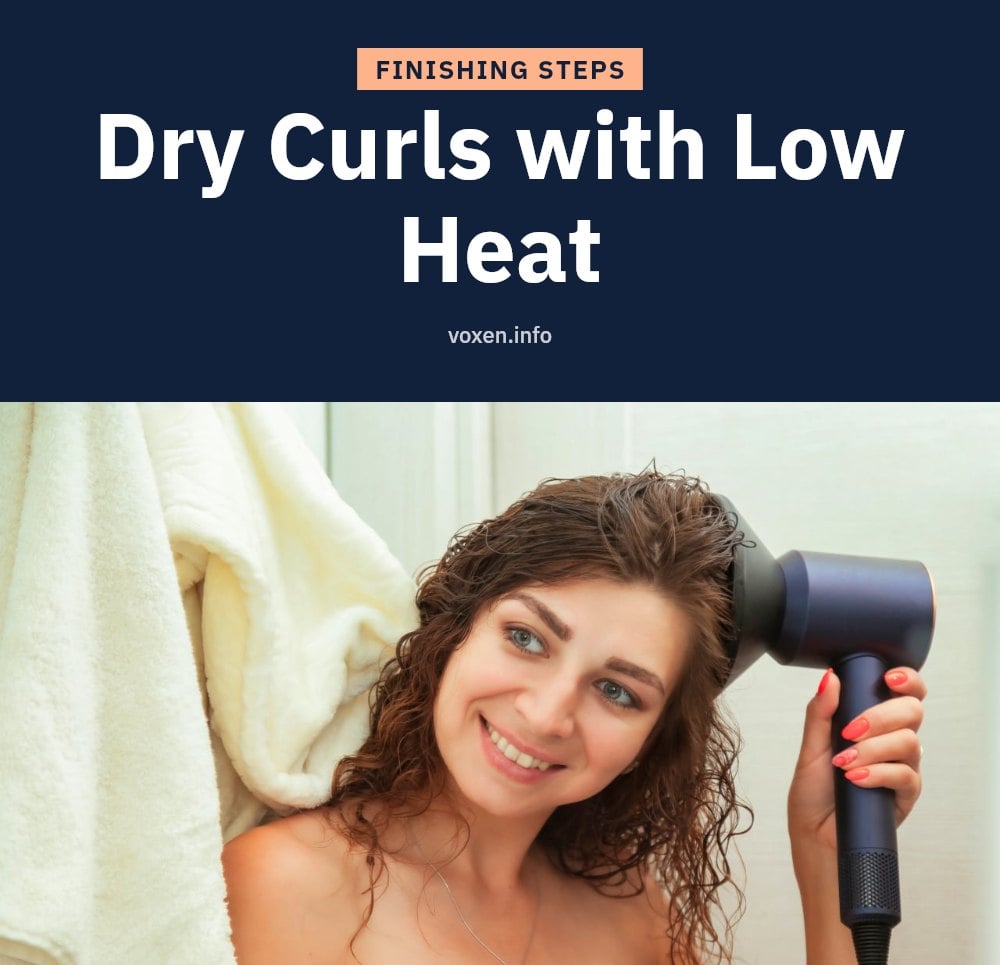
Let your hair air dry as much as possible. This avoids heat damage and lets the cuticle close naturally after you’ve used warm water to open it during washing. If you use a diffuser, choose the low heat setting. High heat can dry out hair that already struggles to retain moisture, leaving it brittle.
Common Low Porosity Hair Care Mistakes
Using heavy products like thick butters and oils as your main moisturizer is a common mistake. They just sit on top of low porosity hair without absorbing, leading to buildup and no real hydration. Stick to lightweight, water-based formulas instead.
Skipping clarifying: Neglecting to clarify your hair regularly allows product buildup to accumulate, which blocks any moisture from getting in. Use a clarifying shampoo every 2-4 washes to keep your cuticle clear.
Not using heat with deep conditioners: Without heat, deep conditioners can’t penetrate the tight cuticle. Always apply heat with a warm towel or steamer for 20-30 minutes to help the treatment absorb.
Washing with cold water: Cold water keeps the cuticle tightly closed, making it harder for products to work. Use warm water to open the cuticle and allow moisture in.
Frequently Asked Questions
How often should I clarify low porosity hair?
Clarify every 2-4 washes to remove buildup that prevents moisture absorption. If you use heavy products or live in a hard water area, you may need to clarify more often. Pay attention to how your hair feels; if it starts to feel coated or resistant to water, it’s time to clarify.
Can I use protein treatments on low porosity hair?
Yes, but with caution. Low porosity hair can be protein-sensitive, meaning too much protein can cause stiffness or brittleness. If you notice your hair feeling straw-like after a protein treatment, reduce how often you use them. Stick to lightweight, moisturizing products most of the time.
What’s the best way to test for low porosity hair?
The easiest test is the float test: place a clean, dry strand of hair in a glass of room-temperature water. If it floats on top for several minutes, you likely have low porosity hair. If it sinks quickly, your hair is high porosity. This is a simple at-home indicator, not a definitive diagnosis.
Why does my low porosity hair feel dry even after conditioning?
This happens because the tightly closed cuticle prevents the conditioner from actually penetrating the hair shaft. The product just sits on the surface, so your hair feels coated but not hydrated. Using heat during conditioning and clarifying regularly can help the moisture get inside.
Are natural oils good for low porosity hair?
Light natural oils like jojoba, argan, and grapeseed can work well because their molecules are small enough to penetrate the cuticle. Heavy oils like coconut or shea butter tend to sit on the surface and cause buildup. Use light oils sparingly, focusing on the ends after moisturizing.
Final Thoughts
For low porosity hair, the key is to work with the cuticle, not against it. Start with warm water, clarify regularly, and always use heat when deep conditioning. Stick to lightweight, water-based products and layer sparingly. With consistent practice, you should notice improved moisture absorption and less dryness within a few weeks.

