Seeing a bald spot in the mirror can feel unsettling, but you don’t have to let it define your day. The good news is that there are plenty of practical, non-medical ways to manage the appearance of thinning areas while also supporting your scalp’s health. This article covers strategic hairstyles, gentle scalp care routines, and cosmetic solutions that can help you feel more confident.
Key Takeaways
- Use a deep side part or zig-zag part to instantly camouflage a thinning crown or part line.
- Choose loose, low-tension hairstyles like messy buns or soft waves to avoid further hair damage.
- Apply hair fibers or root touch-up sprays for immediate, temporary coverage of visible scalp.
- Massage your scalp gently with your fingertips daily to potentially support blood circulation.
- Consult a dermatologist to identify the underlying cause if bald spots appear suddenly or worsen.
How to Camouflage Bald Spots and Support Hair Health
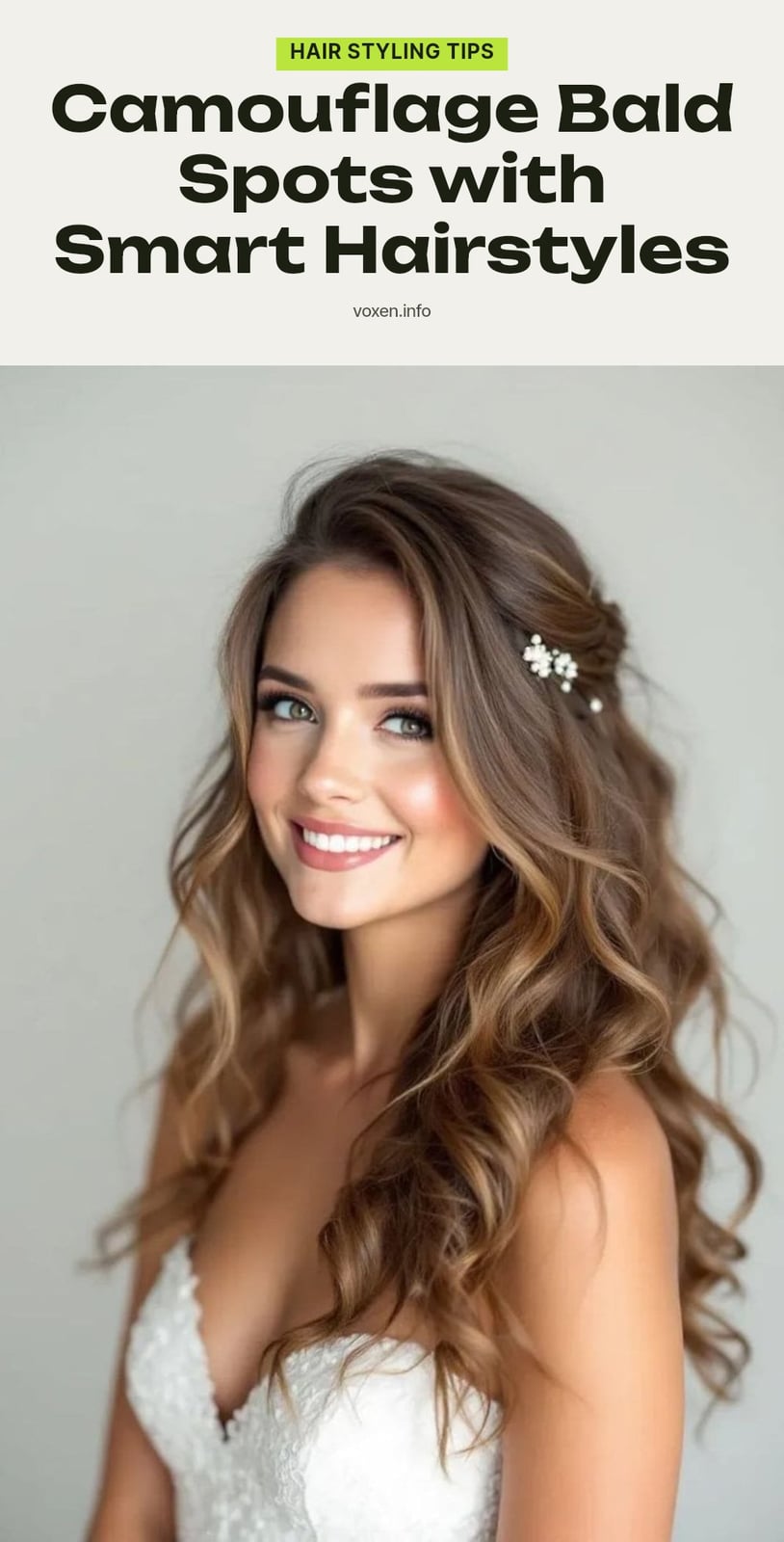
You can effectively hide thinning areas with a few styling tricks. A deep side part or a zig-zag part shifts volume and breaks up the scalp line, while loose waves add texture that masks sparse spots. Volumizing products, hair fibers, and root touch-up sprays offer instant cosmetic solutions for a fuller look. For long-term support, focus on gentle scalp care, avoid tight hairstyles that pull on follicles, and nourish your body with a balanced diet.
Understanding Why Bald Spots Appear
Understanding Why Bald Spots Appear
Bald spots in women can stem from several different causes, which is why a professional diagnosis is essential. Genetic conditions like female pattern hair loss (androgenetic alopecia) cause gradual thinning, often at the crown or part. Autoimmune conditions such as alopecia areata can lead to sudden, patchy hair loss. Telogen effluvium is a temporary shedding phase triggered by stress, illness, or hormonal changes, resulting in overall thinning rather than distinct spots.
Traction alopecia develops from prolonged tension on hair follicles, commonly caused by tight ponytails, braids, or buns. Scalp infections like tinea capitis (a fungal infection) can also produce round, scaly bald patches. Other factors include hormonal shifts (pregnancy, menopause), thyroid disorders, or nutritional deficiencies. Only a doctor or dermatologist can identify the exact cause and guide appropriate treatment.
Your Hair Care Toolkit for Managing Bald Spots
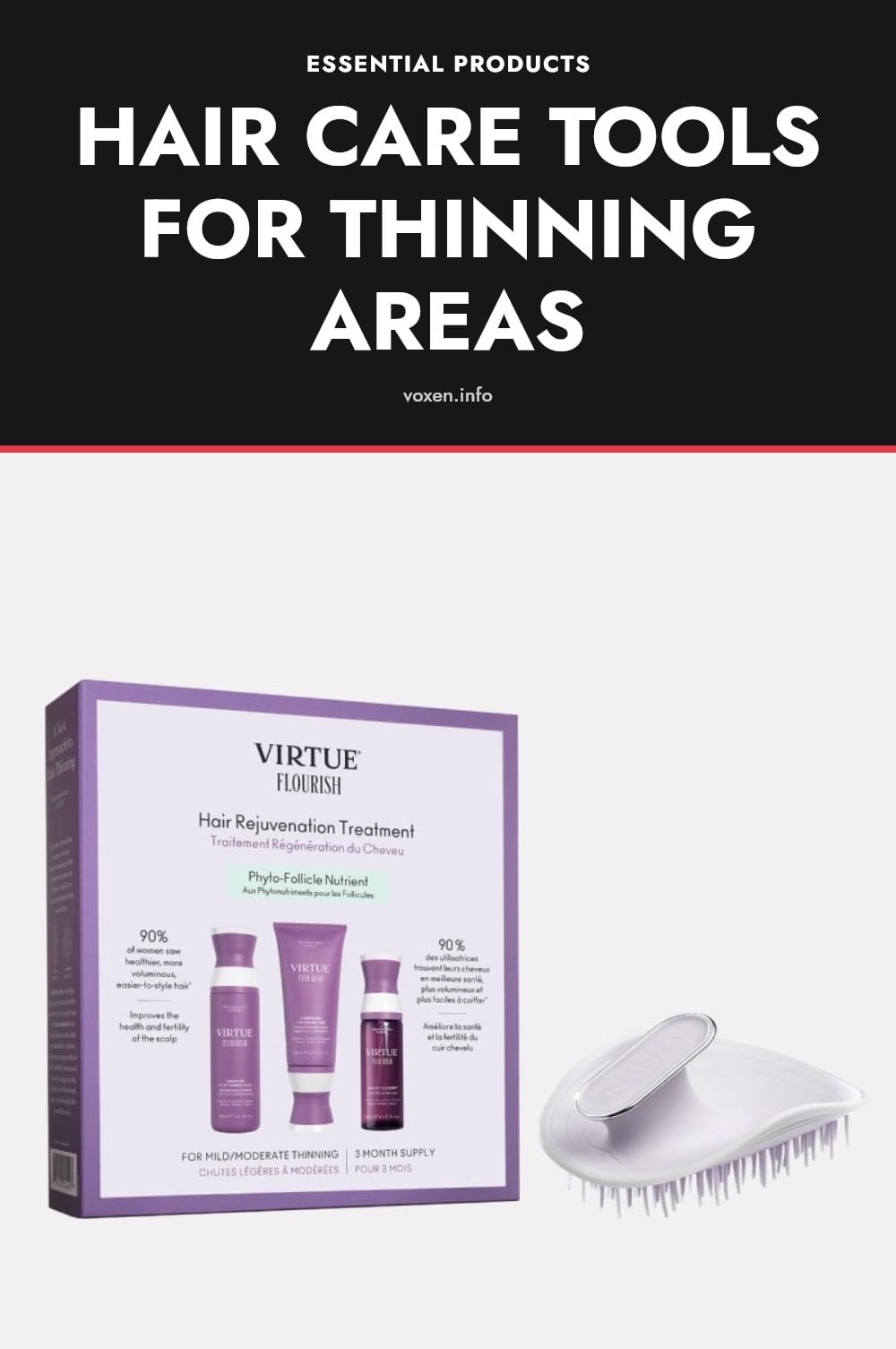
Having the right tools makes managing bald spots much easier. Start with a volumizing shampoo and conditioner to add fullness without weighing hair down. A lightweight mousse or volumizing spray lifts roots and creates body. Dry shampoo refreshes hair and adds texture, making thinning less noticeable. For instant coverage, keep hair fibers or a root touch-up spray on hand. Use a wide-tooth comb and a soft-bristle brush to detangle and style gently, minimizing breakage. Always apply a heat protectant spray before using hot tools. A silk or satin pillowcase reduces friction while you sleep, helping prevent further damage.
Clever Hairstyles to Conceal Thinning Areas
Clever Hairstyles to Conceal Thinning Areas
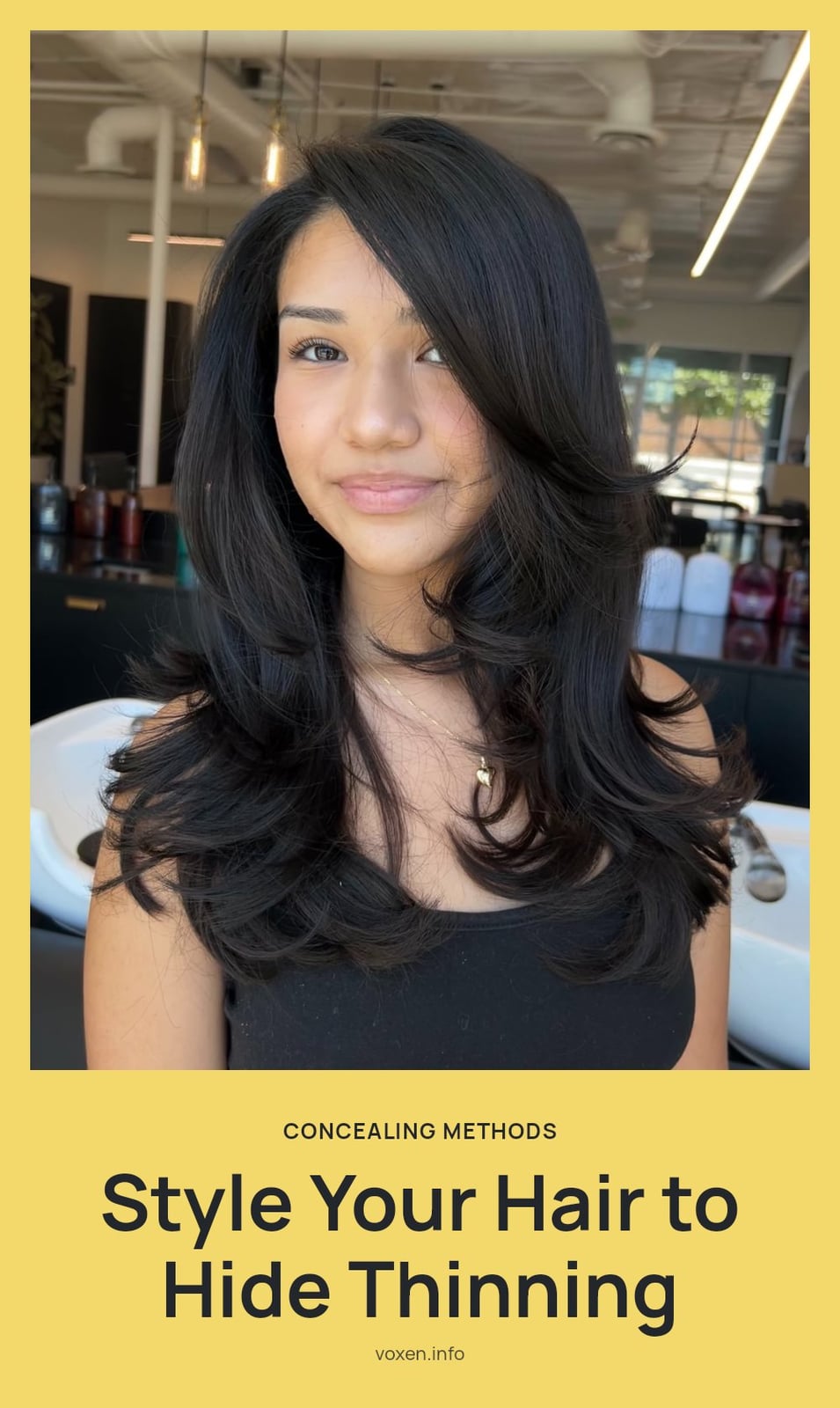
Strategic styling can make a big difference in hiding bald spots. Try these techniques:
- Deep side part: Shifting your part to one side instantly covers a widening center part and adds volume where you need it. Use a comb to create a clean line, then gently tease the shorter side for extra lift.
- Zig-zag part: A zig-zag part breaks up the visible scalp line, creating the illusion of denser hair. Use the tail of a comb to trace a zig-zag pattern from your forehead to the crown.
- Loose waves: Soft waves add volume and texture that camouflage sparse areas. Use a large-barrel curling iron or rollers, and finger-comb the waves for a natural look. Tip: Roll the hair away from your face to open up the curl and create more fullness.
- Messy bun or loose ponytail: These styles don’t pull on the scalp like sleek updos. Gather hair loosely at the nape of your neck, leaving a few strands out to frame your face. Avoid elastic bands that grip too tightly.
- Volumizing at the roots: Apply a volumizing mousse or spray directly to the roots before styling. Blow-dry your hair upside down for maximum lift, then use a teasing comb to gently backcomb the crown area.
Experiment with these techniques to find what works best for your hair type and the location of thinning.
Cosmetic Solutions for Instant Concealment
Cosmetic Solutions for Instant Concealment
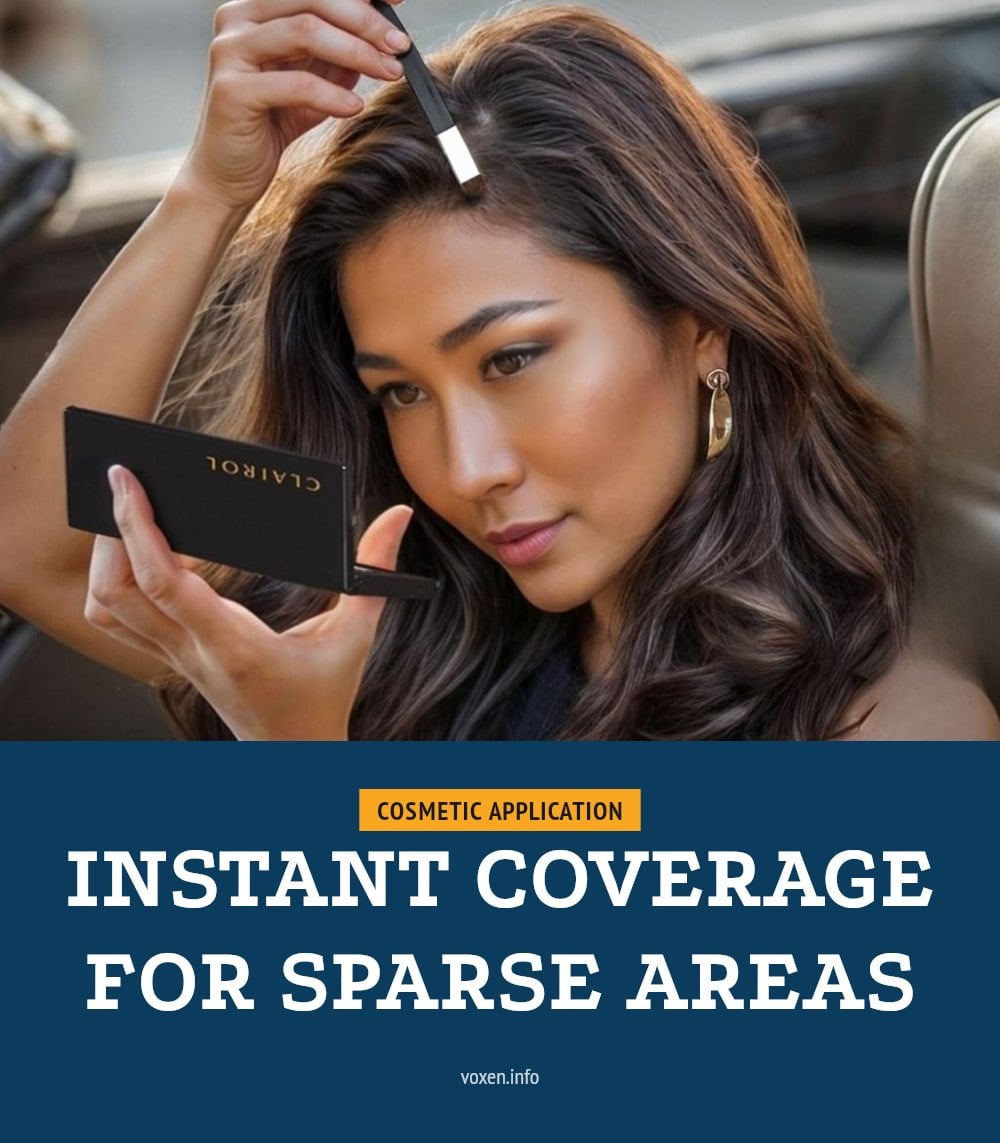
When you need immediate coverage, cosmetic products work in seconds. Hair fibers are tiny, electrostatically charged particles that cling to your existing hair strands. They instantly add density and cover visible scalp, making thinning areas look fuller. Root touch-up sprays are another quick fix. These colored sprays blend with your hair color to temporarily hide exposed scalp or gray roots, so the thinning is less obvious.
Volumizing dry shampoo does double duty. Beyond refreshing your hair, it adds texture and lift at the roots, creating a fuller appearance that helps mask sparse spots. Hairline powder offers precision. You can apply it directly along your hairline or part to fill in small, bald areas. My tip: choose a shade that matches your hair color exactly for the most natural look.
All these options are temporary and wash out with your next shampoo. They are perfect for days when you want extra confidence without a long styling session.
Support Hair Health and Prevent Further Thinning
Support Hair Health and Prevent Further Thinning
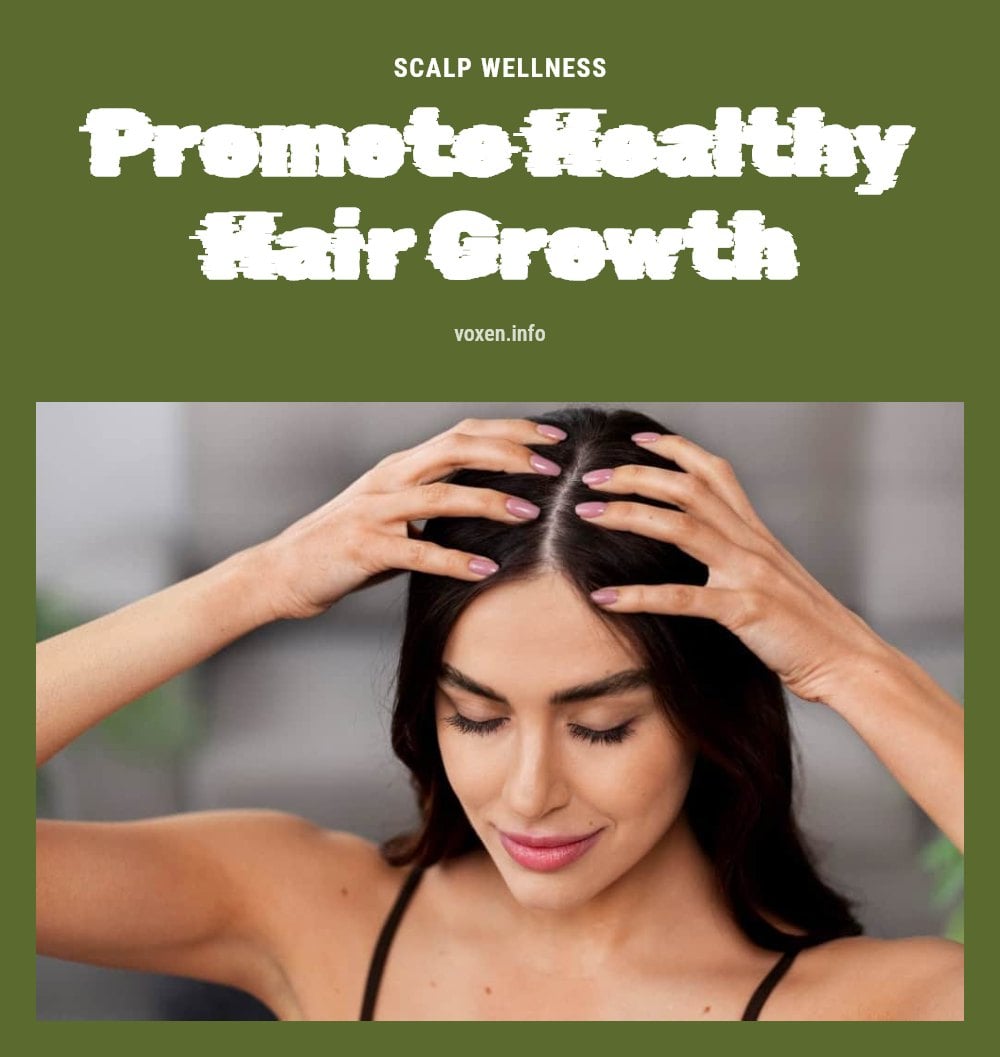
Gentle Scalp Care: Massage your scalp with your fingertips for a few minutes daily. This may boost blood circulation to the follicles, potentially supporting hair growth.
Avoid Tight Hairstyles: Steer clear of sleek ponytails, tight braids, or buns that pull on your hair follicles. Prolonged tension can cause traction alopecia, a common cause of bald spots.
Heat Styling Caution: Minimize the use of heat tools. If you must use them, always apply a heat protectant and use the lowest effective temperature to prevent damage.
Balanced Nutrition: A diet rich in iron, zinc, biotin, and vitamins A, C, D, E is vital for strong hair. My tip: Consider a multivitamin if your diet is lacking.
Stress Management: High stress levels can contribute to hair loss, especially telogen effluvium. Incorporate stress-reducing activities into your routine.
Protect from Sun: Wear hats or scarves to shield your scalp from harsh sun exposure, particularly if you have thinning areas.
Common Mistakes to Avoid When Dealing With Bald Spots
Common Mistakes to Avoid When Dealing With Bald Spots
Ignoring the Cause: Don’t assume all bald spots have the same origin. A professional diagnosis is crucial to address the root issue effectively.
Harsh Styling: Using tight hairstyles or aggressive brushing can worsen thinning by putting stress on already fragile hair. Stick to gentle techniques.
Over-Reliance on Cosmetics: While helpful for concealment, cosmetic solutions don’t treat underlying hair loss. My tip: Use them as a temporary aid while addressing the cause.
Over-Washing or Under-Washing: Both extremes can impact scalp health. Find a gentle washing routine that keeps your scalp clean without stripping natural oils or causing buildup.
Skipping Nutrition: Neglecting a balanced diet can deprive your hair of essential nutrients needed for growth and strength. Prioritize foods rich in vitamins and minerals.
When to Consult a Professional About Hair Loss
When to Consult a Professional About Hair Loss
If bald spots appear suddenly or spread rapidly, it’s important to seek medical advice. Consult a doctor or dermatologist if you experience pain, itching, redness, or scaling on your scalp. These could be signs of an infection or another condition that needs treatment.
If you suspect an underlying medical issue, such as a hormonal imbalance or nutritional deficiency, a professional can provide an accurate diagnosis. When cosmetic solutions or gentle care aren’t enough, a dermatologist can discuss medical treatments or advanced options tailored to your situation.
Frequently Asked Questions
Can stress cause bald spots?
Yes, stress can contribute to hair loss, particularly a condition called telogen effluvium. This type of shedding usually happens a few months after a stressful event. If you notice sudden or patchy hair loss, it’s best to consult a doctor to rule out other causes.
Are hair extensions safe if I have thinning hair?
Hair extensions can add volume, but they must be applied and removed very gently to avoid traction alopecia. Clip-ins and tape-ins are generally less damaging than sewn-in extensions if handled carefully. Always give your scalp breaks between applications and stop if you feel any pulling or discomfort.
How often should I wash my hair if I have bald spots?
There is no one-size-fits-all answer, but over-washing or under-washing can both impact scalp health. A good starting point is washing two to three times a week with a gentle, volumizing shampoo. Adjust based on your scalp’s oiliness and any product buildup, and avoid vigorous scrubbing.
What dietary changes can support hair health?
A balanced diet rich in iron, zinc, biotin, and vitamins A, C, D, and E is important for overall hair health. Foods like leafy greens, eggs, nuts, and fatty fish can help. If you suspect a deficiency, a doctor can run tests and recommend appropriate supplements.
Do silk pillowcases really help with hair loss?
Silk or satin pillowcases reduce friction on your hair while you sleep, which can help prevent breakage and split ends. They won’t stop hair loss from medical causes, but they can support hair health by minimizing mechanical damage. Many people find they wake up with less tangling and frizz.
Final Thoughts
My tip is to start with one or two changes that feel manageable, like switching to a deep side part and using a volumizing shampoo. Remember that cosmetic results are instant, but improvements from gentle care and diet can take several weeks to months. With the right approach, you can feel more in control and confident in your hair’s appearance.
This article is for informational purposes only and does not constitute medical or professional advice. Hair loss can have many causes, and these strategies are not a substitute for a diagnosis or treatment from a doctor or dermatologist. Consult a healthcare professional for any persistent or serious scalp concerns.

