You know the feeling: you catch a glimpse of your skin in a certain light and suddenly those pores look way more noticeable than you’d like. The truth is, pore size is mostly genetic, but how they appear day to day is something you can absolutely influence. This article breaks down why pores can look larger, the skincare mistakes that make them worse, and a practical routine to minimize their appearance effectively.
Key Takeaways
- Pore size is fixed by genetics; you cannot permanently shrink or close them.
- Excess oil, sun damage, and loss of collagen make pores look larger over time.
- Use salicylic acid cleansers, retinoids, and daily SPF 30+ sunscreen to minimize appearance.
- Harsh physical scrubs and skipping moisturizer can actually make pores look worse.
- Visible improvements typically take 4 to 8 weeks of consistent skincare.
Why Your Pores Might Look Bigger Than They Are
Pore size is mostly determined by genetics, but that doesn’t mean you’re stuck with whatever you see in the mirror. Excess oil, sun damage, and loss of skin elasticity as you age can all make pores look more prominent. You can’t permanently shrink them, and here’s the thing: they don’t open and close. But consistent skincare can significantly minimize their visible size and improve skin texture. The catch is that common skincare mistakes often make pores look worse instead of better. Knowing what not to do is just as important as knowing what to do.
What Makes Pores Appear Larger
What Makes Pores Appear Larger
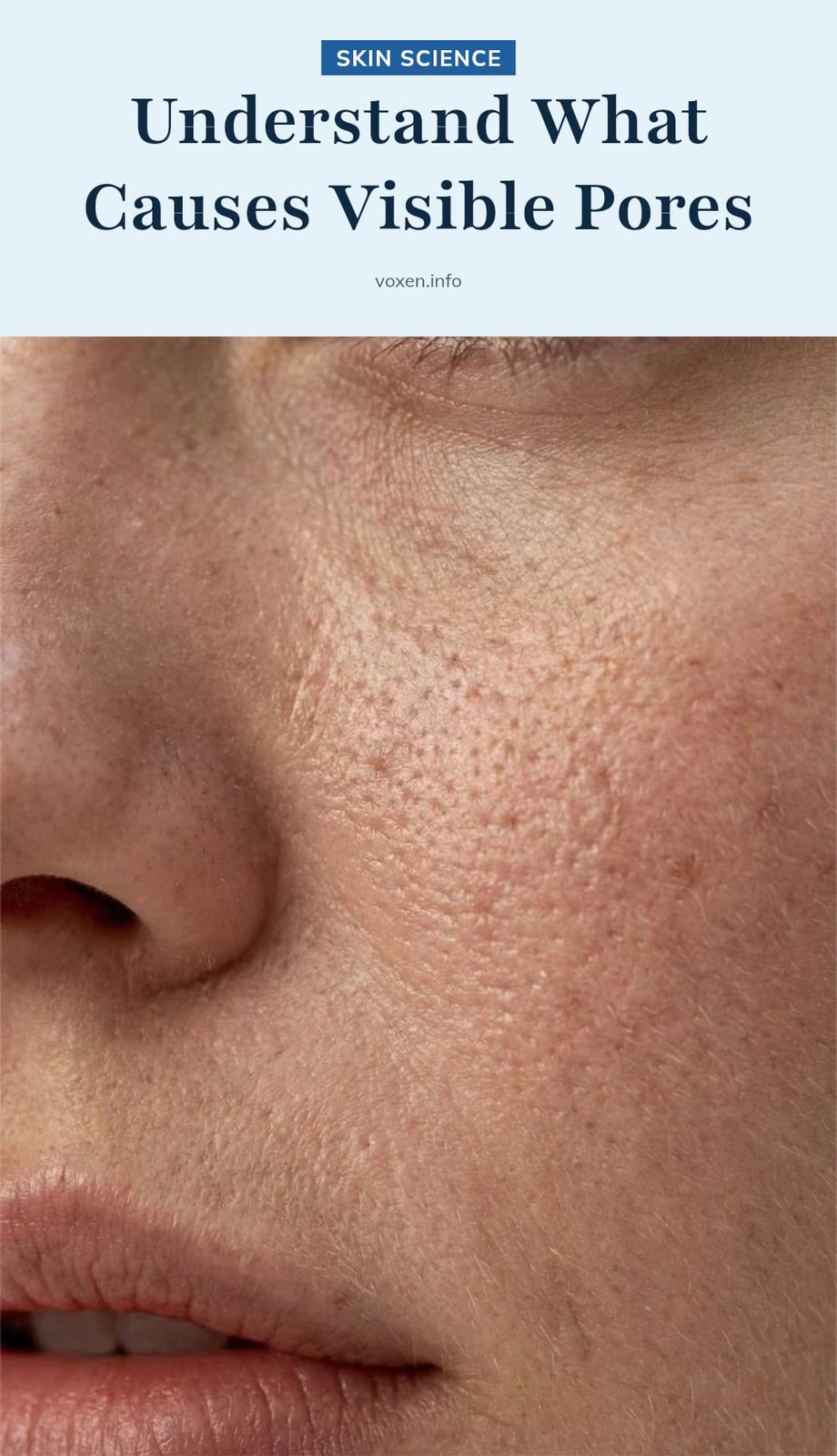
Several factors can make pores more noticeable, and understanding them helps you target the root cause.
- Excess sebum production: When your oil glands produce too much sebum, it stretches the pore opening, making it look larger.
- Clogged pores: Dead skin cells, dirt, and makeup accumulate inside pores, stretching them and making them more visible.
- Sun damage: UV rays break down collagen and elastin in the skin. Less elasticity means the skin around pores sags, making them appear bigger.
- Aging: Natural loss of collagen and elastin over time reduces skin firmness, which can make pores look more prominent.
- Acne inflammation: Breakouts cause temporary swelling around pores, which can make them appear larger while the inflammation lasts.
Effective Strategies to Minimize the Appearance of Pores
Effective Strategies to Minimize the Appearance of Pores
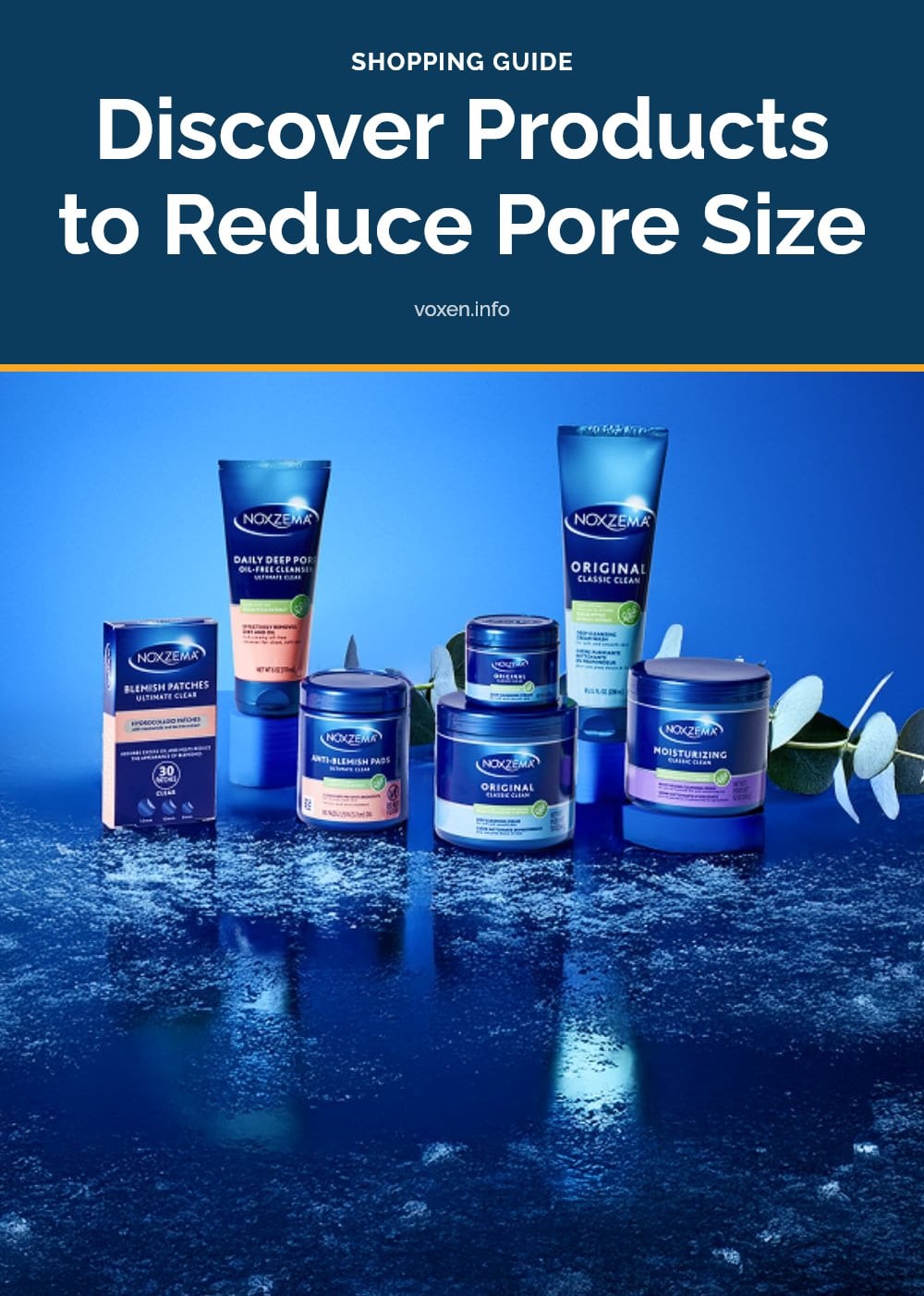
Minimizing pore appearance requires a multi-step approach that addresses oil, cell turnover, and collagen support. Here’s the routine that works.
- Cleanse pores: Use a gentle daily cleanser with salicylic acid to remove built-up oil and dead skin cells. For deeper buildup, consider professional water-based suction facials or use pore strips sparingly, about once a month or every two months.
- Control oil production: Incorporate ingredients like retinoids, niacinamide, green tea, L-carnitine, or azelaic acid into your routine. These help regulate sebum so pores don’t stretch from excess oil.
- Absorb excess oil: Look for moisturizers containing oil-absorbing ingredients like perlite or silica. They keep skin balanced without clogging pores.
- Promote cell turnover: Retinoids and salicylic acid thin the outer layer of skin and speed up shedding of dead cells, preventing buildup inside pores.
- Strengthen collagen: Retinoids and glycolic acid boost collagen production around pores, making the surrounding skin firmer and pores less noticeable.
- Consider in-office procedures: For more dramatic results, microneedling or laser resurfacing (erbium, CO2, Fraxel) stimulate collagen and restructure skin. These require multiple sessions.
Prefer to watch? Doctorly walks through the whole method in this 19-minute video. The how-to part starts at 4:56.
Skincare Mistakes That Make Pores Look Worse
Avoid these common mistakes that can sabotage your pore-minimizing efforts.
- Believing you can shrink pores: Pores are fixed structures. Focus on minimizing their appearance rather than trying to close them.
- Using harsh physical scrubs: Abrasive scrubs irritate skin and can trigger more oil production, making pores look worse.
- Skipping sunscreen: UV damage breaks down collagen and elastin, which makes pores more prominent over time.
- Not removing makeup before bed: Leaving makeup on clogs pores and makes them more visible.
- Over-drying with harsh products: Stripping natural oils can cause your skin to overproduce oil, enlarging pores.
- Overusing pore strips: Overuse, especially if you also use retinoids, can irritate or damage skin. Use them sparingly, about once a month.
- Relying only on maintenance: If pores have significant buildup, you need a reset (like a professional facial) before daily care can work properly.
Best Tips for Managing Pore Appearance

Close-up mirrors can exaggerate pores, making them look much larger than they are. Step back and look at your overall complexion instead of obsessing over tiny details.
My tip: Leave extractions to professional aestheticians. At-home pore vacuums risk bruising and irritation, especially if you use retinoids.
Retinoids are a powerhouse ingredient. They control oil, speed up cell turnover, and build collagen around pores, addressing multiple causes at once.
Moisturize even if your skin is oily. A lightweight, non-comedogenic moisturizer with oil-absorbing ingredients like silica keeps skin balanced without clogging pores.
Always patch test new active ingredients and introduce them slowly to avoid irritation.
What to Expect: Timeline and Professional Options
Consistent use of the right products typically shows visible improvements in pore appearance within 4 to 8 weeks, with continued progress over several months.
In-office procedures like microneedling or laser resurfacing can produce more dramatic results but often require multiple sessions: 3 to 6 for microneedling, 1 to 3 for laser. These treatments represent a higher cost investment per session.
At-home skincare products range from affordable drugstore options to higher-end brands, so you can build a routine that fits your budget.
When to Consult a Professional for Pore Concerns
If you experience persistent irritation, redness, or breakouts from a new product, stop using it and consult a dermatologist.
For severe acne or pore clogging that doesn’t respond to over-the-counter treatments, a dermatologist can prescribe stronger solutions.
Before considering in-office procedures like microneedling or laser resurfacing, talk to a board-certified dermatologist or aesthetician. They can assess your skin type and recommend the best approach for your concerns.
Frequently Asked Questions
Can drinking water help reduce pore size?
Staying hydrated supports overall skin health, but there is no direct evidence that drinking water reduces pore size. Pores are fixed structures, and their appearance is influenced more by oil production, dead skin cell buildup, and collagen integrity than by hydration levels.
Are pore strips safe to use regularly?
Pore strips can be used sparingly, about once a month or every two months, to remove surface debris. However, overusing them, especially if you also use retinoids, can cause irritation or even strip the skin. They are not a long-term solution for minimizing pore appearance.
How often should I use a retinoid for pore concerns?
Start by applying a retinoid two to three times per week in your evening routine, then gradually increase frequency as your skin builds tolerance. Consistent use over several weeks helps promote cell turnover and collagen production, which can improve pore appearance.
Does makeup make pores look bigger?
Heavy or pore-clogging makeup can settle into pores and make them more noticeable, especially if not removed thoroughly. Choosing non-comedogenic, lightweight formulas and always removing makeup before bed helps prevent buildup that can exaggerate pore appearance.
Final Thoughts
The most effective approach combines cleansing with salicylic acid, controlling oil with ingredients like niacinamide and retinoids, and protecting collagen with daily sunscreen. Realistically, you’ll start seeing visible changes in about 4 to 8 weeks, with gradual improvement over several months. Stick with the routine, step away from the magnifying mirror, and focus on your overall complexion instead of fixating on individual pores.
This article is for general informational purposes only and does not constitute medical or professional advice. Individual skin concerns vary, and what works for one person may not work for another. If you experience persistent irritation, severe acne, or other skin issues, please consult a dermatologist or licensed skincare professional.

