You don’t have to be a natural early bird to start your day with energy and a positive mindset. Morning motivation comes from small, consistent actions that gently wake up your body and mind. In this article, I’ll walk you through a simple 10-minute routine you can do right after waking, plus common mistakes to skip and tips to make it stick.

Key Takeaways
- Expose yourself to natural light as soon as you wake to regulate your circadian rhythm.
- Drink a full glass of water before coffee or tea to rehydrate your body.
- Do 5-10 minutes of gentle stretching or yoga to increase blood flow and alertness.
- Practice gratitude by writing down three things you’re thankful for each morning.
- Plan your top priorities the night before to reduce decision fatigue in the morning.
Unlock Your Morning Motivation in Just Ten Minutes
Morning motivation doesn’t require a complete personality overhaul. It comes from small, consistent actions that set a positive tone for your day. A focused 10-minute routine can significantly improve your mood and focus. The key is intentional actions, not forcing yourself to become a morning person. Start with just a few minutes and build from there.
Simple Tools for Your Energizing Morning Routine
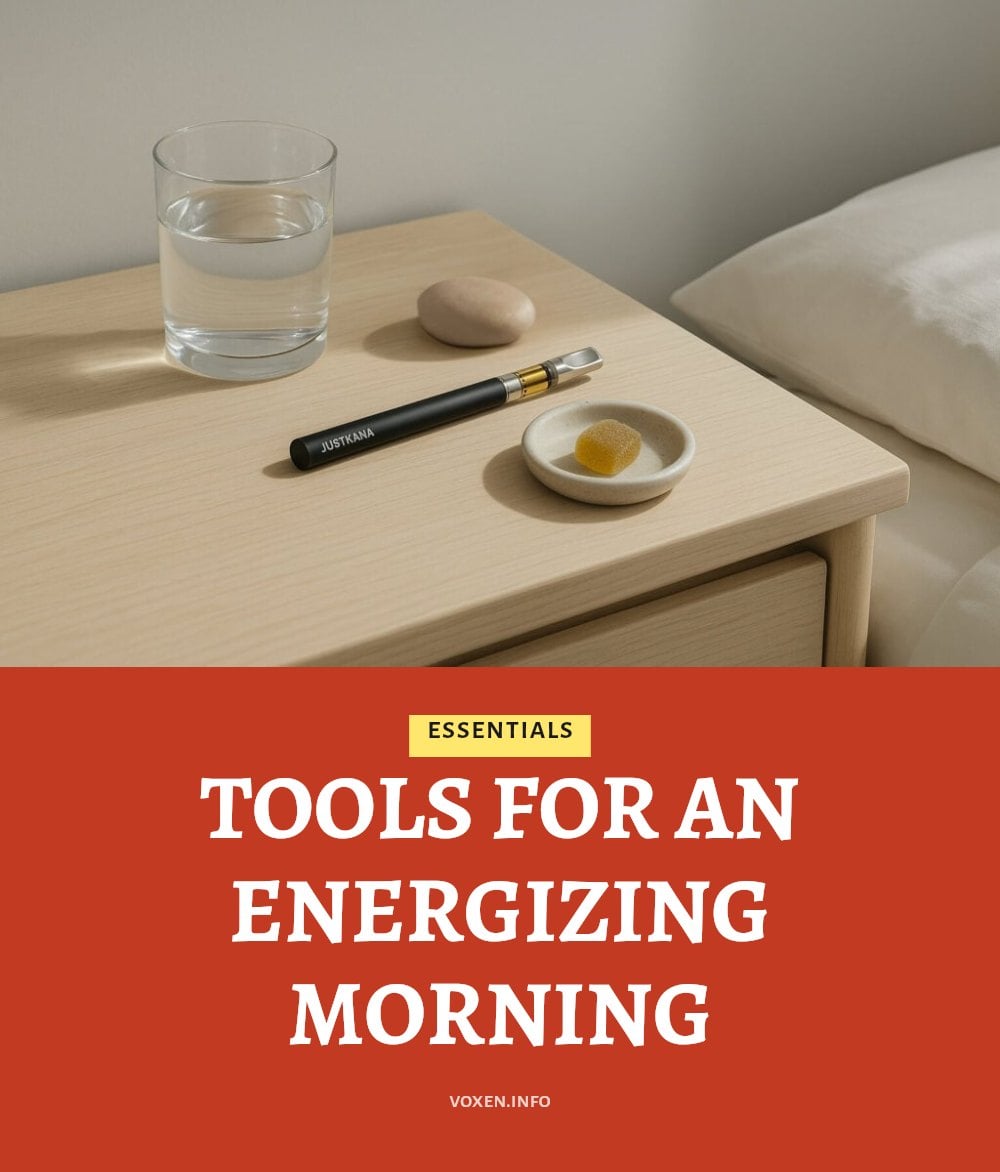
You don’t need much to create an energizing morning routine. Keep these basics handy:
- A glass of water: Rehydrates your body after hours of sleep, helping you feel more alert.
- Yoga mat (optional): Provides comfort during stretching or light yoga moves.
- Journal and pen: Perfect for jotting down gratitude or your day’s plan.
- Alarm clock (non-phone): Avoids early screen time that can trigger information overload and anxiety.
Your 10-Minute Step-by-Step Morning Motivation Routine

Open your curtains: As soon as you wake, pull back the curtains or blinds. Natural light is the strongest signal to your internal clock, telling your body it’s time to feel awake and alert. Even on cloudy days, it’s more effective than artificial light.
- Drink a glass of water: Your body loses fluid during sleep. Rehydrating with a full glass of water before coffee or tea helps you feel more alert and supports your metabolism. Keep a glass by your bed or in the bathroom.
- Stretch for 5 minutes: Gentle stretching or a few yoga poses increases blood flow and wakes up your muscles. Focus on your neck, shoulders, and back. If you have a mat, use it for comfort, but the floor works fine.
- Breathe deeply for 2 minutes: Sit comfortably and take slow, deep breaths. Inhale for four counts, hold for four, exhale for four. This reduces stress hormones and sharpens your focus for the day ahead.
- Listen to something uplifting: Put on one favorite song or a short, inspiring podcast. If you use a phone, set it to airplane mode first to avoid notifications. Music or positive audio can shift your mood quickly without leading you into screen time.
- Write down three gratitudes: Grab your journal and list three things you’re grateful for. They can be simple, like a good night’s sleep or a warm shower. This practice trains your brain to notice the positive.
- Review your top priorities: Look at your planned day and pick two or three key tasks. Having a clear focus reduces decision fatigue later and gives you a sense of direction from the start.
Common Morning Motivation Mistakes to Avoid
Even with good intentions, certain habits can sabotage your morning motivation. Avoid these common pitfalls:
- Hitting snooze repeatedly: Fragmented sleep makes you groggier. Set one alarm and get up.
- Checking social media or emails: This floods your brain with information and anxiety before you’re ready.
- Starting with negative news: It sets a stressed tone for the day. Save news for later.
- Rushing through your routine: Speeding creates stress. Allow enough time for each step.
- Skipping breakfast: Your body needs fuel after fasting overnight for energy and focus.
- Over-scheduling mornings: Packing too many tasks creates pressure. Keep the first hour simple.
Why These Small Habits Make a Big Difference
These small actions work because they align with how your body naturally functions. Natural light is the strongest signal for your internal clock, or circadian rhythm. When you open your curtains first thing, you tell your brain it’s time to be alert and stop producing melatonin, the sleep hormone. That’s why the routine starts with sunlight, not snoozing.
Drinking water immediately rehydrates your body after six to eight hours of sleep. Even mild dehydration can cause fatigue and brain fog, so that glass of water is a direct energy boost. Light stretching or yoga then increases blood flow and oxygen to your muscles and brain, making you feel more awake and focused without the shock of caffeine.
Mindfulness practices like deep breathing lower cortisol, the stress hormone, which helps you start the day calm rather than anxious. Writing down three things you’re grateful for shifts your brain’s attention toward the positive, which can improve your mood for hours. Reviewing your top priorities reduces decision fatigue later, because you’ve already made the most important choices for the day.
Expert Tips for Sustaining Your Morning Motivation
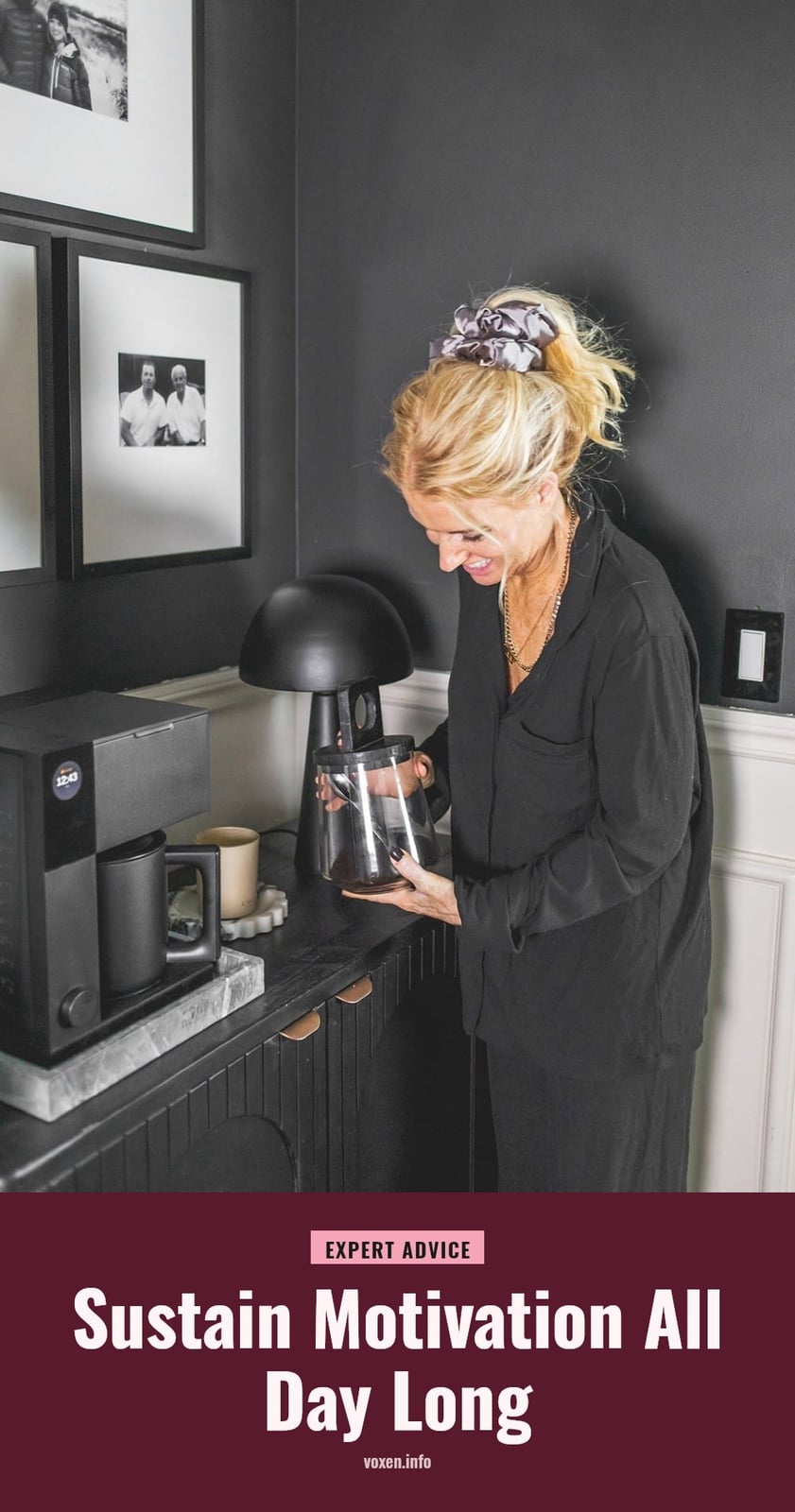
Consistency is Key: Stick to a consistent wake-up time, even on weekends. Your body’s internal clock relies on regularity to regulate sleep and energy cycles.
Prepare the Night Before: Lay out your clothes, set up your coffee maker, or pack your bag the night before. Fewer small decisions in the morning mean more mental energy for your routine.
Listen to Your Body: Some days you may need more rest or a gentler stretch. Adjust your routine as needed rather than forcing it. That flexibility keeps the habit sustainable.
Celebrate Small Wins: Acknowledge when you complete your routine, even if it’s just the first few steps. Positive reinforcement makes you more likely to repeat the behavior tomorrow.
When to Seek Professional Help for Persistent Fatigue
If persistent fatigue or lack of motivation significantly impacts your daily life, it may be time to consult a healthcare professional. Occasional sluggishness is normal, but ongoing struggles could signal an underlying health issue.
Seek advice if your morning difficulties are accompanied by other concerning symptoms, such as chronic pain, mood changes, or sleep disturbances. A doctor can rule out conditions like thyroid disorders, anemia, or sleep apnea that might be affecting your energy levels. Self-diagnosis can delay proper treatment, so professional guidance is key.
Frequently Asked Questions
How long does it take for a new morning routine to feel natural?
Most people find that a new morning routine starts to feel natural after about two to three weeks of consistent practice. You may notice small improvements in mood and energy within just a few days, but sticking with it daily helps your body and mind adjust. Be patient with yourself if it takes a bit longer.
Can I still have morning motivation if I’m not a ‘morning person’?
Absolutely. Morning motivation isn’t about forcing yourself to be a morning person. It’s about creating simple, intentional habits that help you transition from sleep to wakefulness gently. Even a short routine of stretching, drinking water, and letting in natural light can make a big difference, no matter your natural chronotype.
What if I don’t have 10 minutes every morning?
That’s okay. Even a 2- to 5-minute version of this routine can be effective. Focus on the most impactful steps: open your curtains for natural light, drink a glass of water, and take a few deep breaths. The key is consistency, not length. You can always add more time on days when you have it.
Is it okay to use my phone for my morning routine?
It depends on how you use it. If you use your phone to listen to an uplifting podcast or a timer for stretching, that’s fine. However, avoid checking social media, emails, or news first thing, as that can cause information overload and anxiety. If you can, keep your phone on airplane mode until after your routine.
How can I stop hitting snooze every morning?
Place your alarm clock or phone across the room so you have to get out of bed to turn it off. Then, immediately open your curtains to let in natural light. Drinking a glass of water right after you stand up can also help you feel more alert. Setting a consistent wake-up time, even on weekends, makes it easier over time.
Final Thoughts
My tip: Pick just one or two of these steps to start, like opening your curtains and drinking water, and add more once those feel automatic. You’ll likely notice a boost in mood and energy within a few days, but give yourself a few weeks for the routine to become a habit. The goal isn’t perfection. It’s a gentle, intentional start that works for you.
This article is for general informational purposes only and does not constitute medical advice. If you experience persistent fatigue, low mood, or lack of motivation that interferes with your daily life, please consult a healthcare professional. Always listen to your body and adjust any physical activities to your own abilities.

