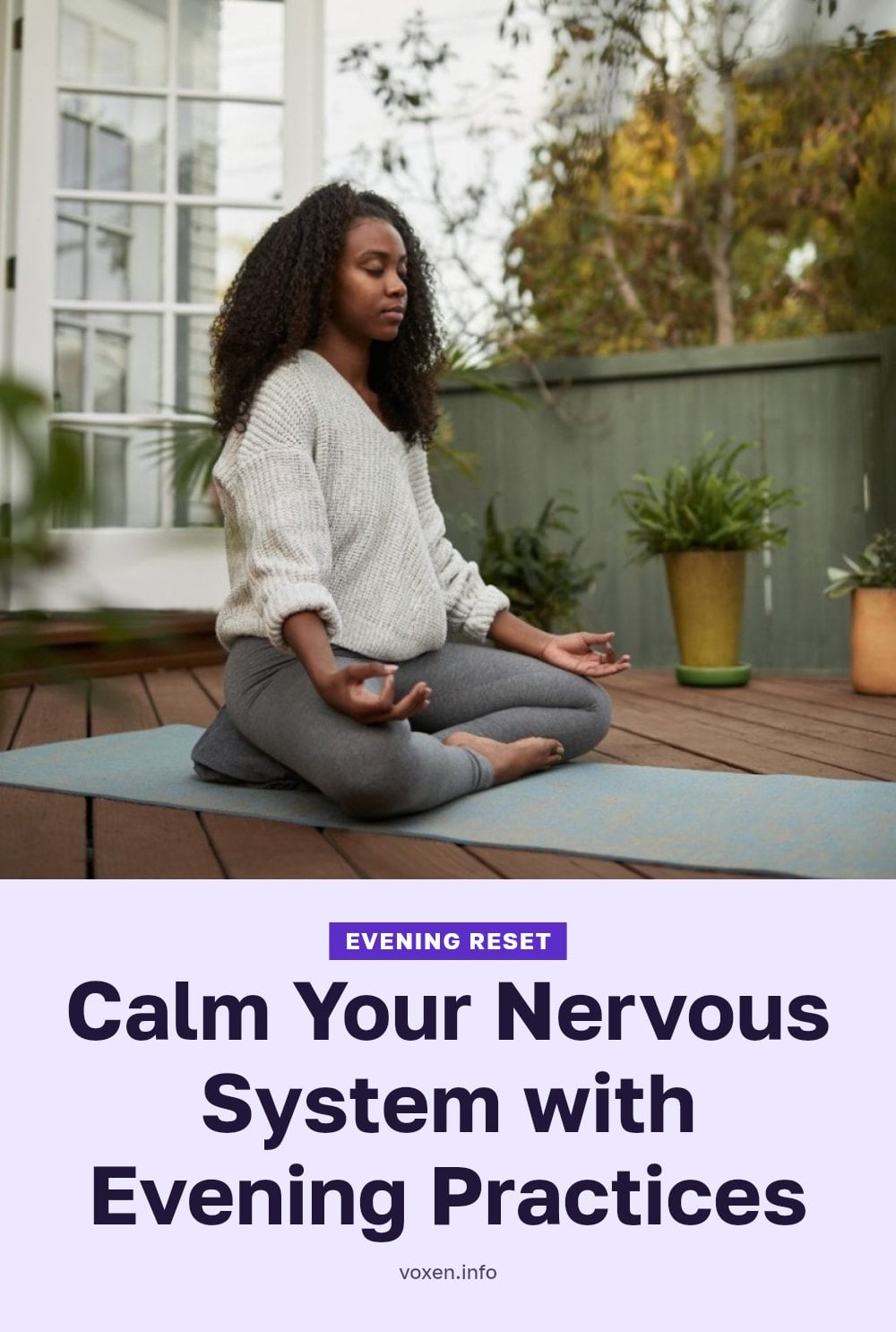
If you often feel wired but tired at night, your nervous system might be stuck in ‘fight or flight’ mode. An evening nervous system reset uses simple, gentle practices to shift your body into ‘rest and digest’ mode, helping you unwind and sleep better. This article covers what a reset is, why it helps, and practical steps you can try tonight.
Key Takeaways
- Consistency is more important than perfection for lasting nervous system benefits.
- Dim lights and avoid screens for at least an hour before bed.
- Deep, slow breathing for 5-10 minutes can activate the parasympathetic nervous system.
- Keep your bedroom dark, quiet, and cool (60-67°F or 15-19°C).
- Benefits typically appear within a few days to weeks of regular practice.
What Is a Nervous System Reset?
Your nervous system has two main modes: the sympathetic (fight or flight) and the parasympathetic (rest and digest). A nervous system reset is simply a set of practices that help you shift from the first to the second. Evening routines work especially well for this because they naturally prepare your body for sleep. The key is reducing sensory input, slowing your breathing, and creating a sense of safety.
Why Your Nervous System Needs an Evening Reset
When you’re under chronic stress, your sympathetic nervous system stays switched on. That means your heart rate stays elevated, digestion slows down, and your body stays alert, even when you’re trying to rest. Over time, this can interfere with sleep, digestion, and overall well-being.
Your parasympathetic nervous system does the opposite. It slows your heart rate, supports digestion, and helps your body recover. An evening routine signals to your body that it’s safe to switch into this rest-and-digest mode. Simple practices like dimming the lights and taking slow breaths can make that shift happen more easily.
Tools for Your Evening Nervous System Reset
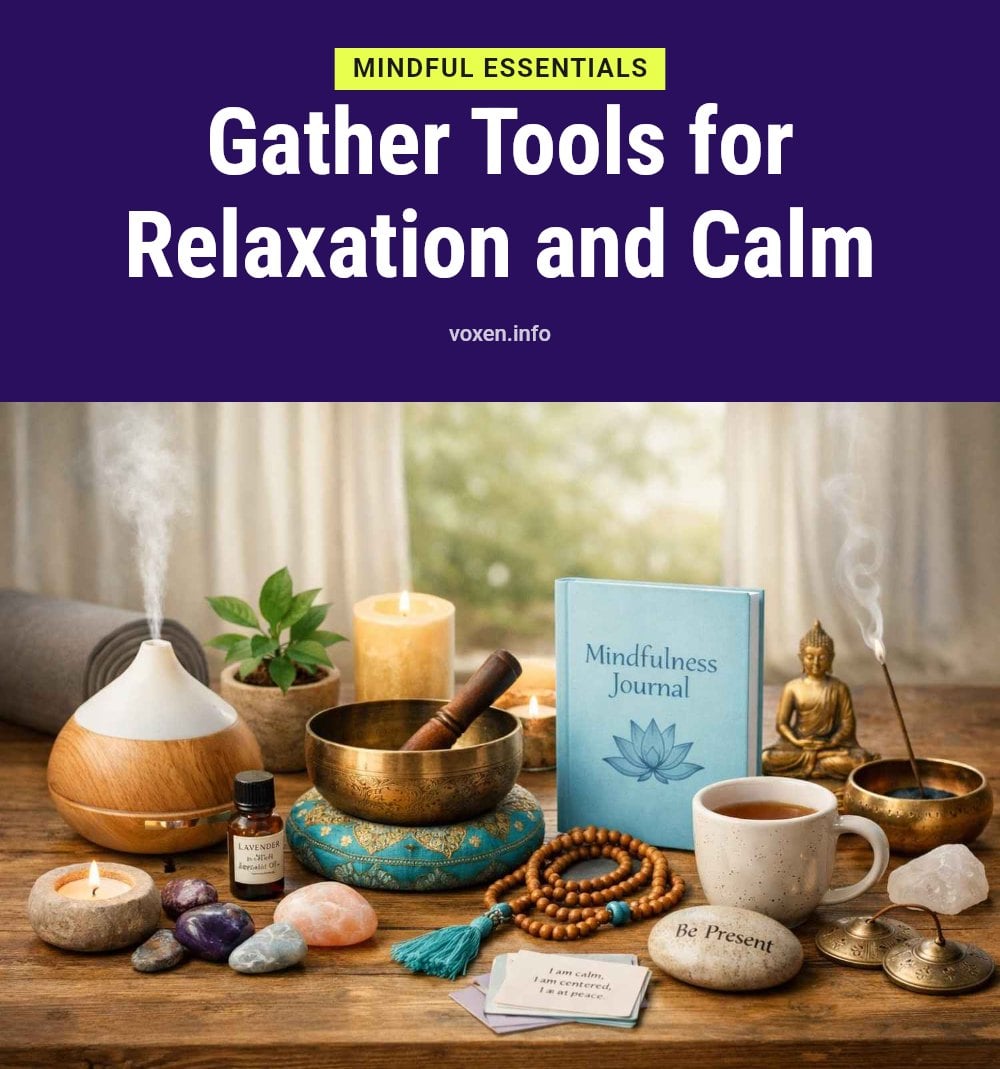
You don’t need much to get started, and most items are optional. Here’s what can help:
- Yoga mat: Useful for gentle stretching, but any soft surface works.
- Warm bath water and Epsom salts: The heat relaxes muscles; salts are a bonus, not a must.
- Essential oil diffuser: Calming oils like lavender can set a relaxing mood.
- Journal and pen: Great for clearing your mind before bed.
- Physical book: Keeps you screen-free and helps you wind down.
- Eye mask and earplugs: Block out light and noise for deeper rest.
Simple Steps for Your Evening Nervous System Reset
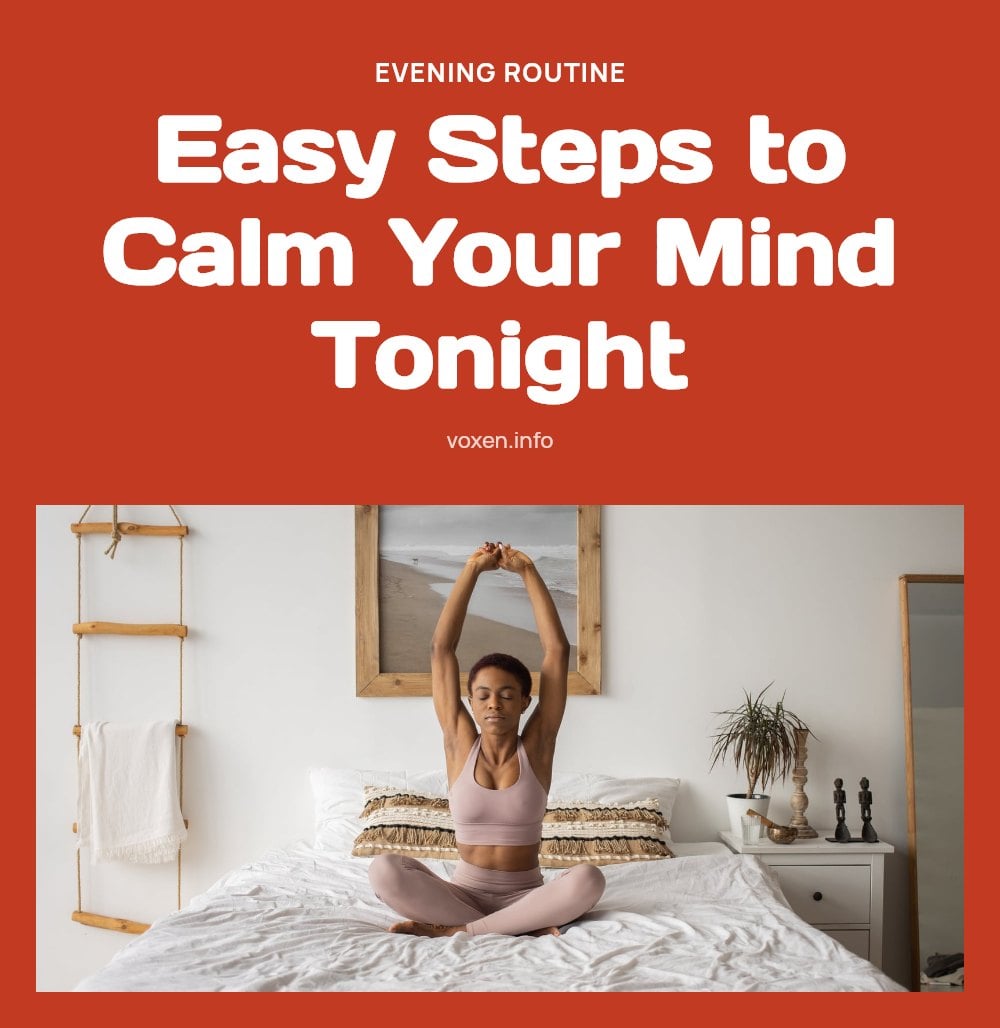
Consistency matters more than perfection. Try these steps in any order that feels natural.
- Dim the lights: Avoid screens for at least an hour before sleep. Bright light, especially blue light from devices, can interfere with melatonin production.
- Stretch gently: Try a few restorative yoga poses or simple stretches. Hold each for a few breaths to release physical tension.
- Take a warm bath or shower: The warmth relaxes your muscles and signals your body that it’s time to wind down.
- Breathe slowly: Practice deep, slow breathing for 5 to 10 minutes. Diaphragmatic breathing is especially effective at activating the parasympathetic system.
- Read or listen: Choose a physical book or calming music or podcast. Avoid anything stimulating or stressful.
- Write it down: Journaling helps process thoughts and emotions, reducing mental clutter before sleep.
- Set up your bedroom: Make sure it’s dark, quiet, and cool, ideally between 60 and 67°F (15 to 19°C). An eye mask and earplugs can help.
Common Mistakes When Trying to Reset Your Nervous System
Thinking a nervous system reset is a one-time fix is the most common mistake. Consistency is what creates lasting change, not a single perfect evening. Ignoring daytime stress and diet also backfires; a holistic approach that addresses your whole day supports true relaxation.
Expecting immediate drastic results sets you up for disappointment. Effects accumulate over time, so be patient with yourself. Even with blue light filters, stimulating content on devices can keep you wired. And believing tiredness automatically means restorative sleep is a trap; quality rest requires an active wind-down. Finally, an inconsistent bedtime schedule confuses your body’s internal clock. Regularity signals when it’s time to rest, so aim for the same bedtime every night, weekends included.
Best Tips for a Deeper Evening Calm
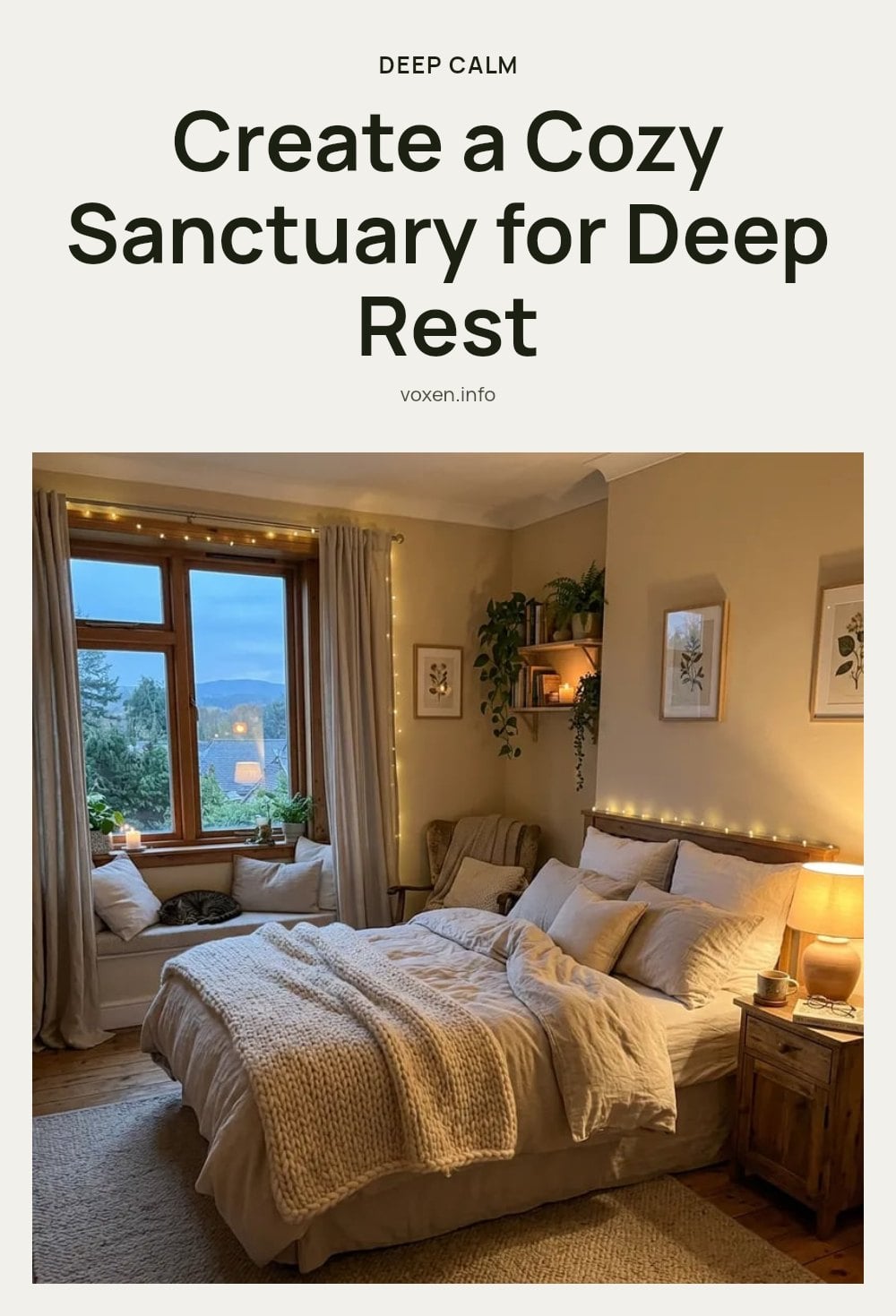
My tip: start with a consistent bedtime routine. Your body loves predictability, and even a short sequence signals it’s time to slow down. Avoid intense exercise close to bedtime; opt for gentle movement like stretching or a slow walk instead. Steer clear of caffeine and heavy meals in the late evening to give your digestion a break.
Don’t engage in stressful conversations or work right before bed. Save them for tomorrow. Use essential oils like lavender or chamomile in a diffuser; their aromas can be very soothing. Consider an eye mask and earplugs to block out light and sound for deeper, more restorative rest.
How Long Until You Feel the Benefits?
Consistency is key here. Most people start noticing benefits like easier relaxation and better sleep within a few days to weeks of regular practice. Long-term benefits accumulate the more you stick with it, leading to deeper calm over time.
Cost is minimal. Many practices are free: deep breathing, gentle stretching, journaling. Tools like essential oils, a yoga mat, or a journal are low to moderate cost and last a long time. You don’t need much to get started.
When to Talk to a Healthcare Professional
If you experience persistent anxiety, insomnia, or other health concerns, consult a healthcare professional. Certain breathing techniques may not be suitable for specific respiratory or cardiac conditions; check with your doctor if you’re unsure.
If you are taking medications, discuss new wellness practices to ensure no interference. And if relaxation techniques don’t seem to help after a few weeks, a professional can offer personalized guidance tailored to your situation.
Frequently Asked Questions
Can diet affect my nervous system’s ability to relax?
Yes, what you eat and drink during the day can influence your evening relaxation. Caffeine and heavy meals late in the evening can keep your sympathetic nervous system active. A balanced diet and avoiding stimulants close to bedtime may support a smoother transition to rest.
Is it okay to use my phone with a blue light filter before bed?
Using a blue light filter is better than nothing, but it’s not a complete fix. The content you engage with on your phone can still be stimulating and keep your mind active. For the best results, put screens away entirely at least an hour before you plan to sleep.
What is the ideal bedroom temperature for nervous system regulation?
A cool bedroom supports both nervous system regulation and sleep quality. The ideal range is between 60-67°F (15-19°C). This temperature helps your body naturally cool down, which signals that it’s time for rest.
Can alcohol help me relax my nervous system for sleep?
Alcohol may make you feel sleepy initially, but it disrupts your sleep architecture and can keep your nervous system from fully resting. It often leads to more awakenings and less restorative sleep. It’s best to avoid relying on alcohol as a sleep aid.
What is a nervous system reset?
A nervous system reset refers to practices that help shift your body from the sympathetic (fight or flight) state to the parasympathetic (rest and digest) state. Evening routines are especially effective for this, using gentle activities to reduce sensory input, encourage slow breathing, and foster relaxation.
Final Thoughts
Start with one small change, like dimming the lights an hour before bed or doing five minutes of slow breathing. Consistency matters more than doing everything perfectly. Most people notice easier relaxation and better sleep within a few days to weeks. The key is to make it a regular part of your evening, not a one-time fix.
This article is for general informational purposes only and does not constitute medical or professional advice. If you have persistent anxiety, insomnia, or any health concerns, please consult a healthcare professional. Always listen to your body and seek medical guidance before starting new wellness practices.

