That midday shine can feel frustrating, especially when makeup slides off or pores look more noticeable by lunchtime. Oily skin happens when your sebaceous glands produce more sebum than needed, and while genetics play a big role, factors like hormones and humidity can make it worse. This article covers why your skin gets oily, what products actually help, and a simple routine to keep things balanced without stripping your skin.
Key Takeaways
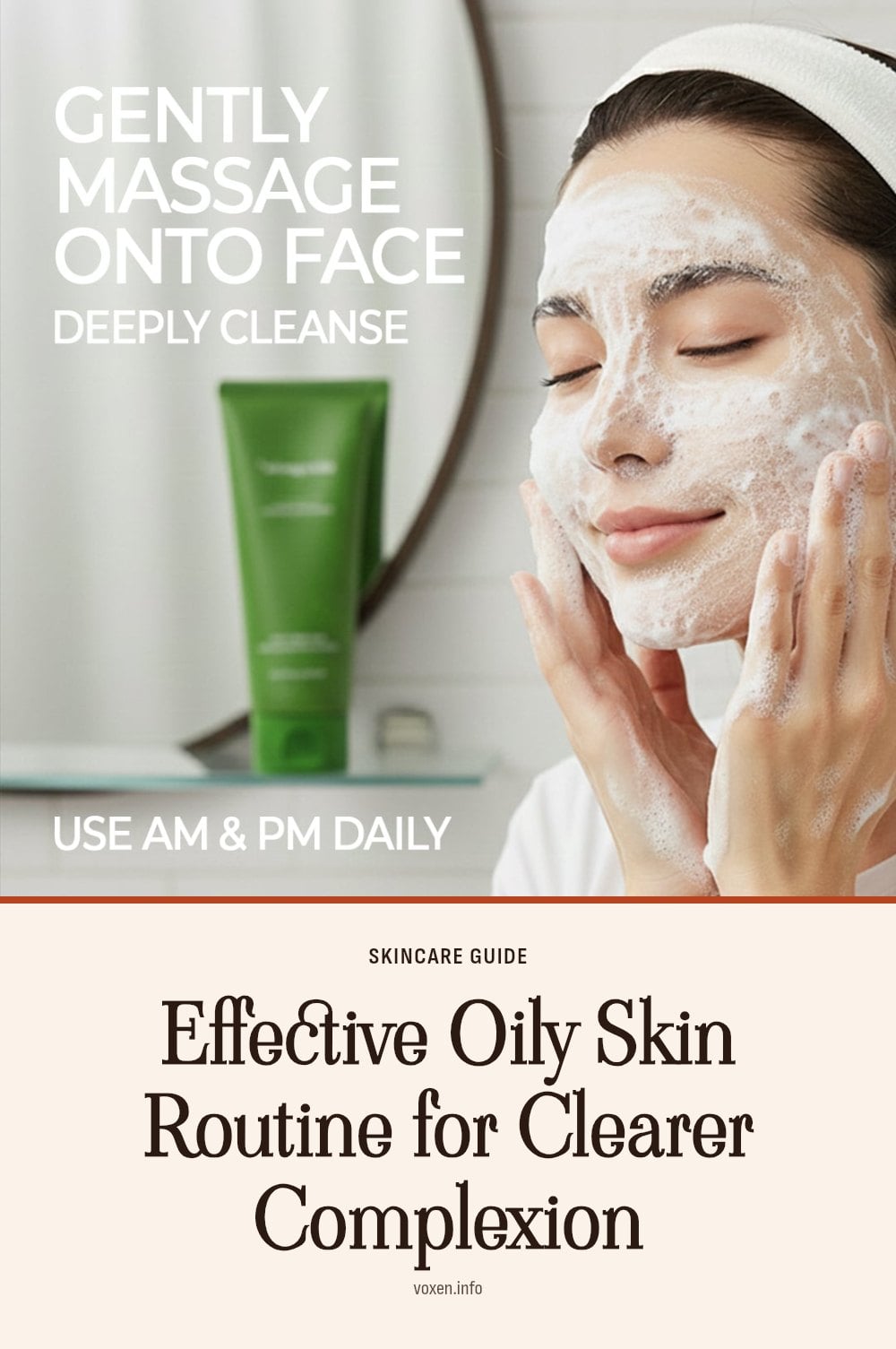
- Cleanse twice daily with a gentle foaming or gel cleanser to remove excess oil without stripping.
- Always use an oil-free, non-comedogenic moisturizer to prevent dehydration that can trigger more oil.
- Incorporate salicylic acid or benzoyl peroxide as targeted treatments for shine and breakouts.
- Apply an oil-free or matte-finish sunscreen every day to protect without adding grease.
- If over-the-counter products don’t improve your skin after several weeks, consult a dermatologist.
Why Your Skin Gets Oily and How to Control It
Oily skin happens when your sebaceous glands produce more sebum than needed, leaving you with shine and enlarged pores. The key to managing it is a consistent routine that includes gentle cleansing, non-comedogenic hydration, and targeted treatments. Your goal is to balance oil production without stripping the skin, which can actually make the problem worse.
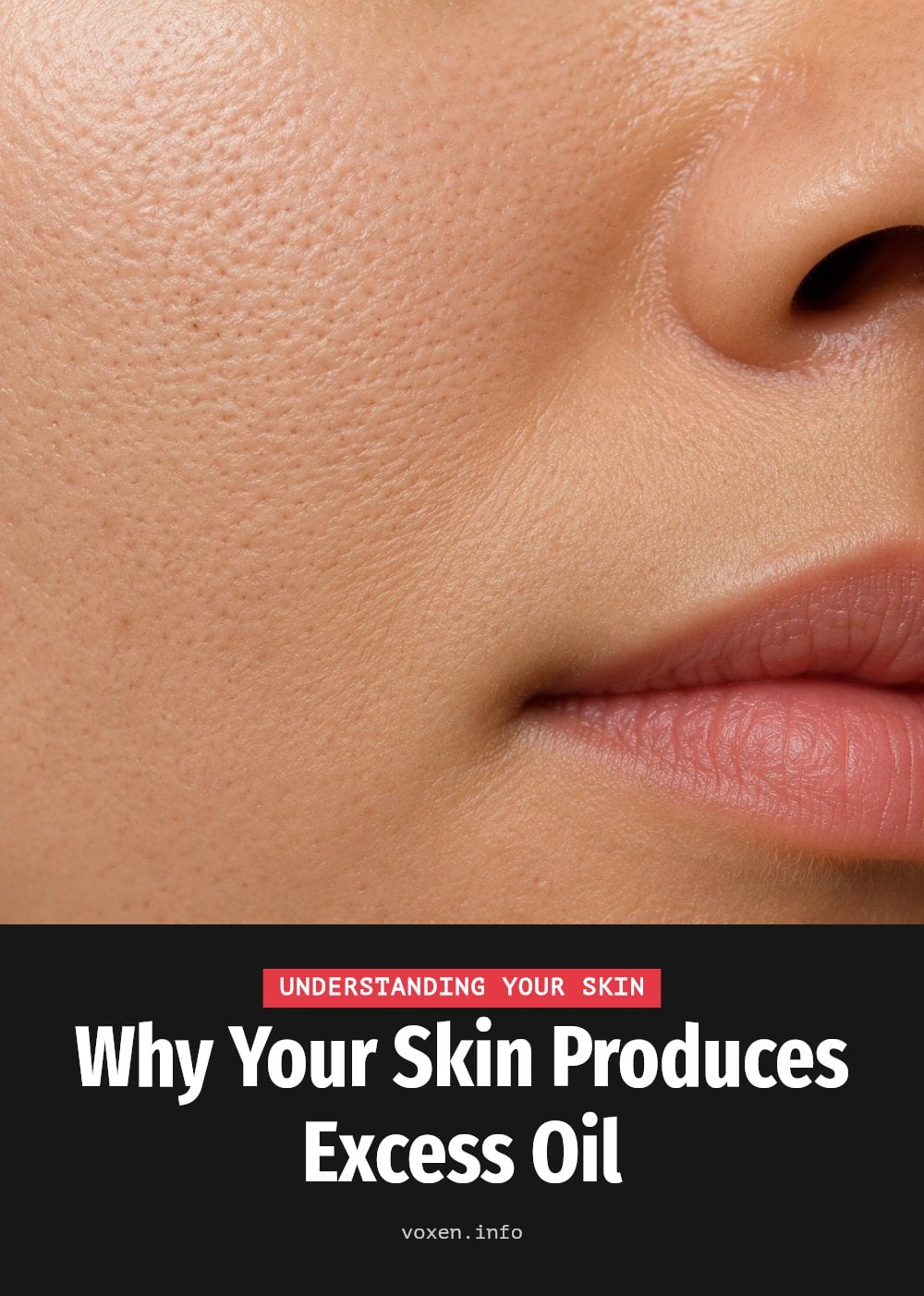
Understanding Why Your Skin Produces Too Much Oil
Understanding Why Your Skin Produces Too Much Oil
Genetics are a primary factor in determining whether your skin is oily. Hormonal fluctuations during puberty, menstruation, pregnancy, and menopause can also increase sebum production. Environmental factors like high humidity and hot weather can make oiliness worse.
Harsh skincare practices can trigger compensatory oil production. Using harsh cleansers or over-exfoliating strips the skin of its natural oils, prompting the sebaceous glands to produce even more oil. Stress may also indirectly contribute by influencing hormone levels.
- Genetics: Your skin type is largely inherited.
- Hormones: Changes during life stages can boost sebum.
- Environment: Heat and humidity can ramp up shine.
- Skincare habits: Over-washing or harsh products can backfire.
Essential Products for an Oily Skin Routine
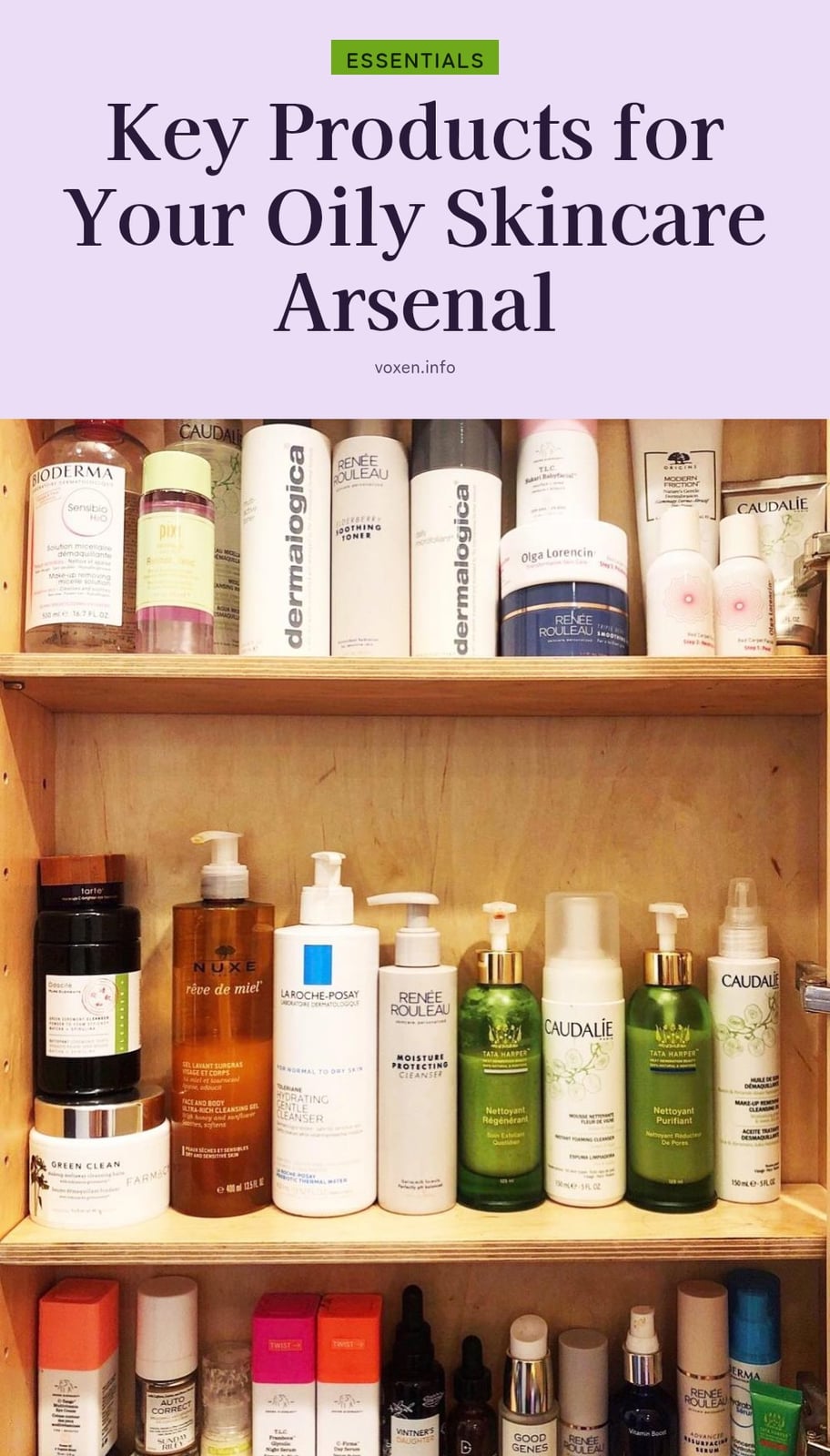
Building an effective oily skin routine starts with the right products. Each one serves a specific purpose to keep shine in check without causing irritation.
- Gentle foaming or gel cleanser: Removes excess oil without stripping your skin.
- Oil-free, non-comedogenic moisturizer: Hydrates without clogging pores.
- Salicylic acid toner or serum: Exfoliates inside pores and reduces oil.
- Clay mask: Temporarily absorbs surface oil when used 1-3 times a week.
- Oil-free, matte-finish sunscreen: Protects your skin without adding shine.
- Blotting papers: Quick touch-ups throughout the day to soak up excess oil.
Your Daily Routine for Managing Oily Skin

A consistent daily routine is the most effective way to manage oily skin. Follow these steps morning and evening for best results.
- Cleanse your face: Use a gentle foaming or gel cleanser twice daily to remove oil and impurities without stripping.
- Apply a targeted treatment: Use a salicylic acid toner or serum to exfoliate pores and reduce oil production. Start slowly if you have sensitive skin.
- Moisturize: Always follow with a lightweight, oil-free, non-comedogenic moisturizer. Skipping this step can trigger more oil production.
- Finish with sunscreen (morning only): Apply an oil-free, matte-finish sunscreen to protect your skin without adding shine.
- Blot excess oil: Throughout the day, use blotting papers to absorb shine without disturbing your makeup or skincare.
Consistency is key. You may see initial improvements within a few weeks, with more significant changes over several months.
Targeted Treatments for Persistent Shine and Breakouts

Targeted Treatments for Persistent Shine and Breakouts
When your daily routine isn’t enough, these targeted treatments can help manage stubborn oiliness and breakouts.
- Salicylic Acid (BHA): This beta hydroxy acid penetrates deep into pores to dissolve excess oil and dead skin cells. Use a toner or serum with 0.5-2% salicylic acid daily, starting slowly if you have sensitive skin, to avoid irritation.
- Benzoyl Peroxide: It kills acne-causing bacteria and helps dry out excess oil. Apply a spot treatment (2.5-5%) directly to pimples, but be cautious as it can bleach fabrics and cause dryness.
- Clay Masks: Kaolin or bentonite clay masks absorb surface oil and temporarily tighten pores. Use once to three times a week, starting with once a week to see how your skin responds, and leave it on only until it dries (about 10-15 minutes) to avoid over-drying.
- Topical Retinoids (prescription only): Retinoids like tretinoin or adapalene regulate oil production at the cellular level and improve skin texture. They require a prescription and can cause initial purging or irritation, so start with a low concentration and use sunscreen daily.
Caution: Introduce one new active ingredient at a time and patch test first. If you experience redness, peeling, or stinging, reduce frequency or consult a dermatologist.
Common Oily Skin Mistakes to Avoid
Common Oily Skin Mistakes to Avoid
Even with the best intentions, some habits can worsen oily skin. Here’s what to skip.
- Skipping moisturizer: Without hydration, your skin may produce even more oil to compensate. Always use an oil-free, non-comedogenic moisturizer.
- Over-washing or harsh scrubbing: Washing more than twice daily or using rough scrubs strips natural oils, triggering your glands to overproduce sebum.
- Ignoring sunscreen: Skipping SPF because you fear shine can lead to sun damage and premature aging. Choose an oil-free, matte-finish formula instead.
- Picking at pimples: Squeezing breakouts pushes bacteria deeper, causing more inflammation and potential scarring. Let them heal or use a spot treatment.
- Using pore-clogging products: Heavy creams or makeup with oils can block pores and make shine worse. Look for non-comedogenic labels on everything you apply.
When to Consult a Dermatologist for Oily Skin
When to Consult a Dermatologist for Oily Skin
If you’ve been consistent with a gentle routine and targeted treatments for several weeks without improvement, it may be time to see a professional. Seek a dermatologist if you have persistent or severe acne, especially cystic breakouts that are painful or deep. Also consult if you suspect a medical condition like polycystic ovary syndrome (PCOS) is contributing to your oiliness, or if you experience significant irritation or adverse reactions to products. A dermatologist can prescribe stronger treatments like topical retinoids or oral medications tailored to your skin.
Frequently Asked Questions
Does diet really affect oily skin?
Some research suggests a link between high glycemic index foods and dairy consumption with increased acne and oiliness, but more studies are needed for definitive conclusions. If you notice a pattern with certain foods, it may be worth adjusting your diet, but genetics and hormones are typically the main drivers of oily skin.
Can stress make my skin more oily?
Yes, stress can indirectly contribute to oily skin by influencing hormone levels that increase sebum production. Managing stress through relaxation techniques, adequate sleep, and exercise may help keep your skin more balanced alongside a consistent skincare routine.
How often should I use a clay mask for oily skin?
Using a clay mask one to three times a week can temporarily absorb excess oil from the skin’s surface. Start with once a week to see how your skin responds, and adjust frequency based on your oiliness level. Avoid overusing, as it can lead to dryness and irritation.
Is it normal for my skin to feel tight after cleansing?
No, a tight feeling after cleansing usually means your cleanser is too harsh or stripping. This can trigger your sebaceous glands to produce even more oil to compensate. Switch to a gentle foaming or gel cleanser and follow with an oil-free moisturizer to maintain balance.
What’s the difference between oily skin and combination skin?
Oily skin produces excess sebum across the entire face, leading to shine and enlarged pores everywhere. Combination skin has oily areas, typically the T-zone (forehead, nose, and chin), while other areas like the cheeks are normal or dry. Both types benefit from gentle cleansing and non-comedogenic products, but combination skin may need targeted hydration on drier zones.
Final Thoughts
My tip: stick with a consistent routine for at least a few weeks before judging results. Most people see initial improvements in oil control within that time, with clearer texture over several months. Focus on gentle care and non-comedogenic products, and don’t skip moisturizer or sunscreen. If persistent acne or cystic breakouts remain, a dermatologist can offer prescription options like topical retinoids that help regulate oil production.
This article is for general informational purposes only and does not constitute medical or professional advice. Individual skin conditions vary, and results from skincare routines are not guaranteed. If you have persistent or severe acne, cystic breakouts, or suspect an underlying medical condition, consult a dermatologist or healthcare professional.

