If you constantly feel overwhelmed, exhausted, and like there’s never enough time, you might be caught in the overworking trap. It’s not about how many hours you put in, but how those hours affect your health, relationships, and happiness. This article breaks down the habits that keep you overworking and gives you practical steps to set real work limits.
From recognizing the early signs of burnout to learning how to say no, you’ll find strategies that help you reclaim your time and energy. The goal isn’t to do less, but to work smarter and protect your well-being.
Key Takeaways
- Set firm start and end times for your workday and stick to them daily.
- Schedule short breaks into your calendar to reset focus and reduce mental fatigue.
- Learn to say no to tasks that exceed your current capacity.
- Prioritize self-care activities like exercise, hobbies, or social connections.
- Create an ‘end of work’ routine to signal the transition to personal time.
Why Breaking Overworking Habits Matters
Overworking isn’t a badge of honor; it’s a fast track to burnout, which drains your emotional and physical health. Setting clear limits on your work hours actually boosts your well-being, productivity, and personal life. The goal isn’t to cram in more hours but to improve the quality of both your work and your time away from it. When you stop measuring success by hours logged, you start getting better results with less stress.
1. Recognize the Signs of Overworking
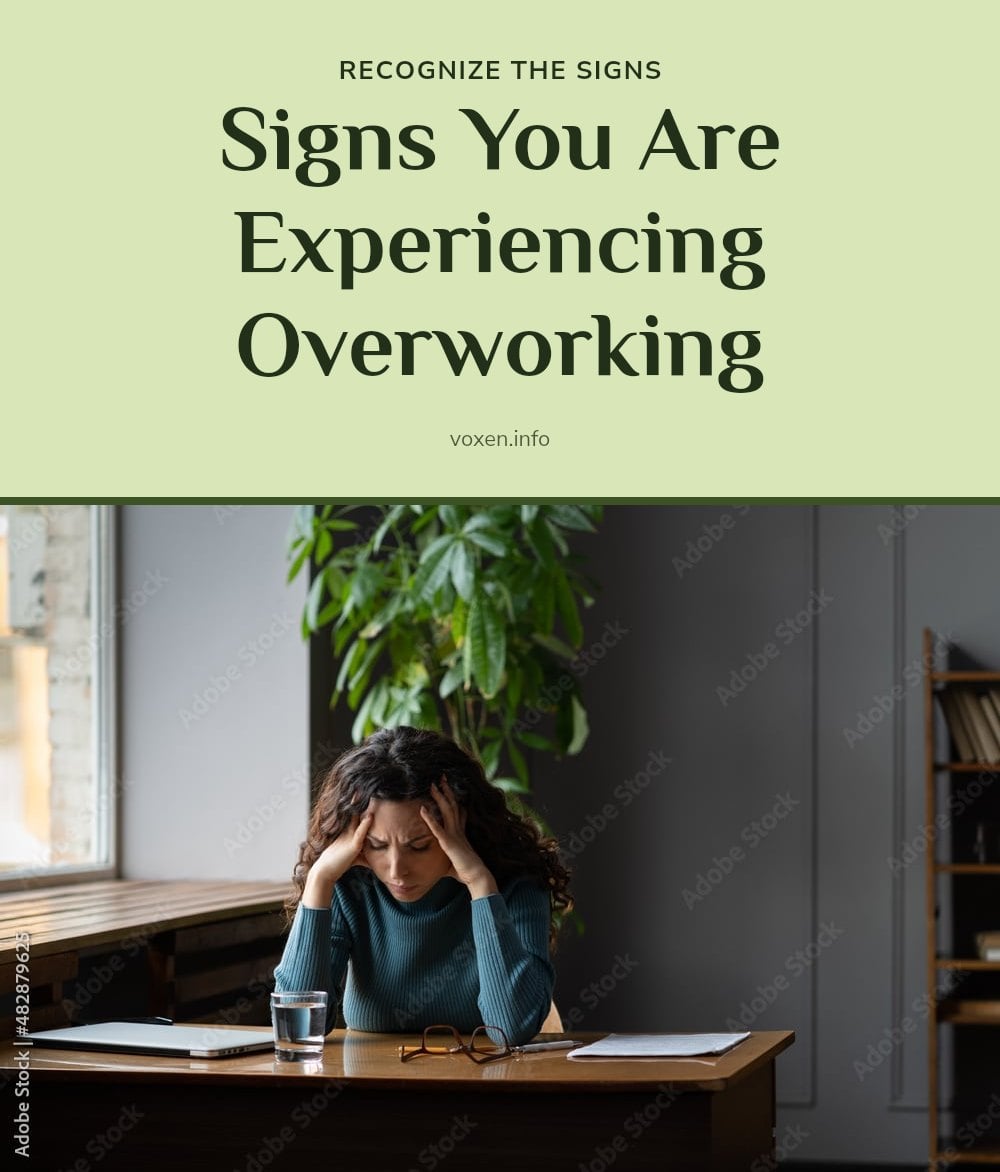
Chronic overworking often leads to burnout, which shows up as emotional exhaustion, cynicism, and a drop in personal accomplishment. Lack of sleep is a common side effect, and it impairs your cognitive function, mood regulation, and immune system strength.
- Irritability or mood swings: These can be early signs that chronic stress is affecting your mental health.
- Chronic fatigue: If you’re always tired even after rest, your body may be signaling overload.
- Headaches or digestive problems: Physical symptoms like these can indicate the need to step back or consult a professional.
2. Set Clear Workday Boundaries

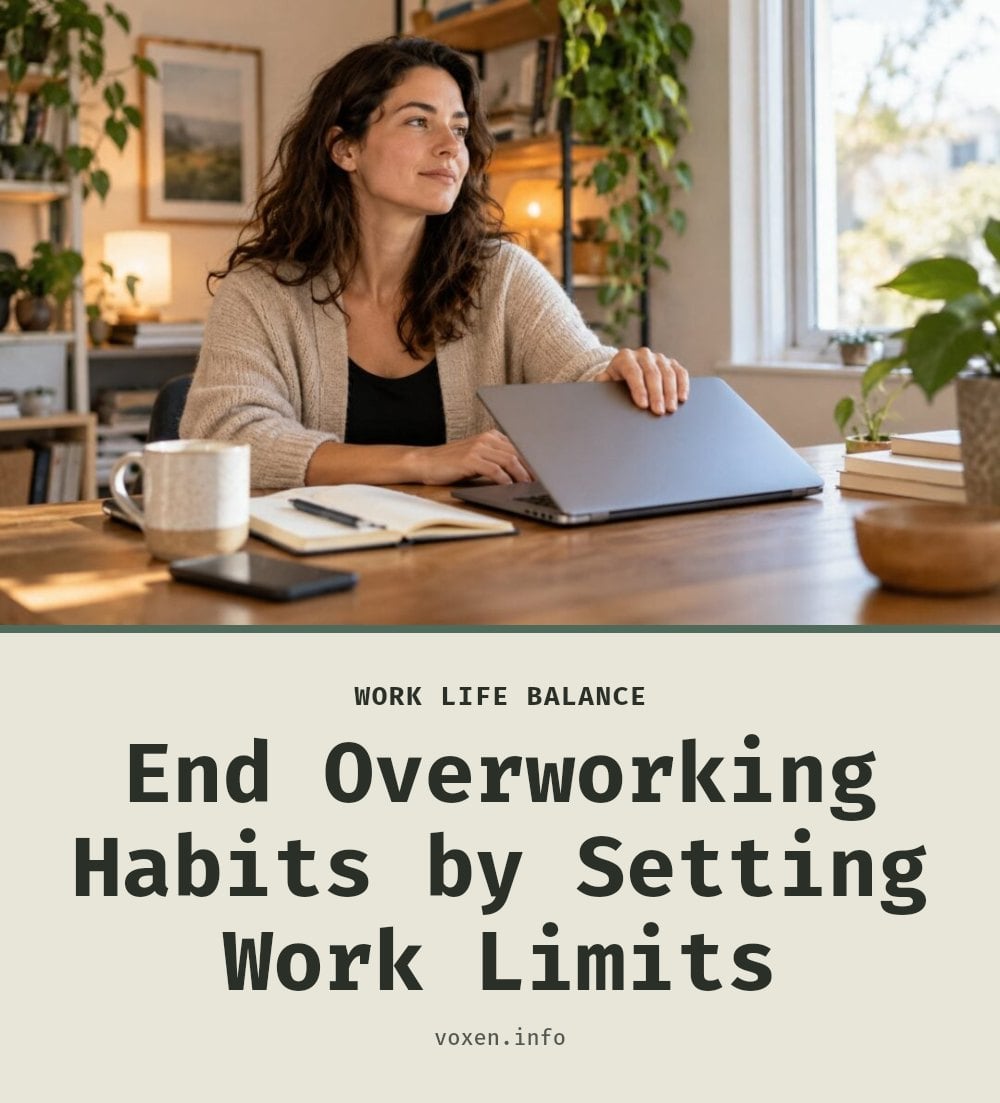
Set a firm start and end time for your workday and stick to it every day. Create a dedicated workspace and a clear ‘end of work’ routine, like tidying your desk or changing clothes, to signal the transition to personal time.
- Avoid work emails after hours: Checking messages outside your designated time lets work spill into your personal life.
- Use a shutdown ritual: A short walk or closing your laptop lid can mentally close the day.
3. Prioritize Tasks Effectively
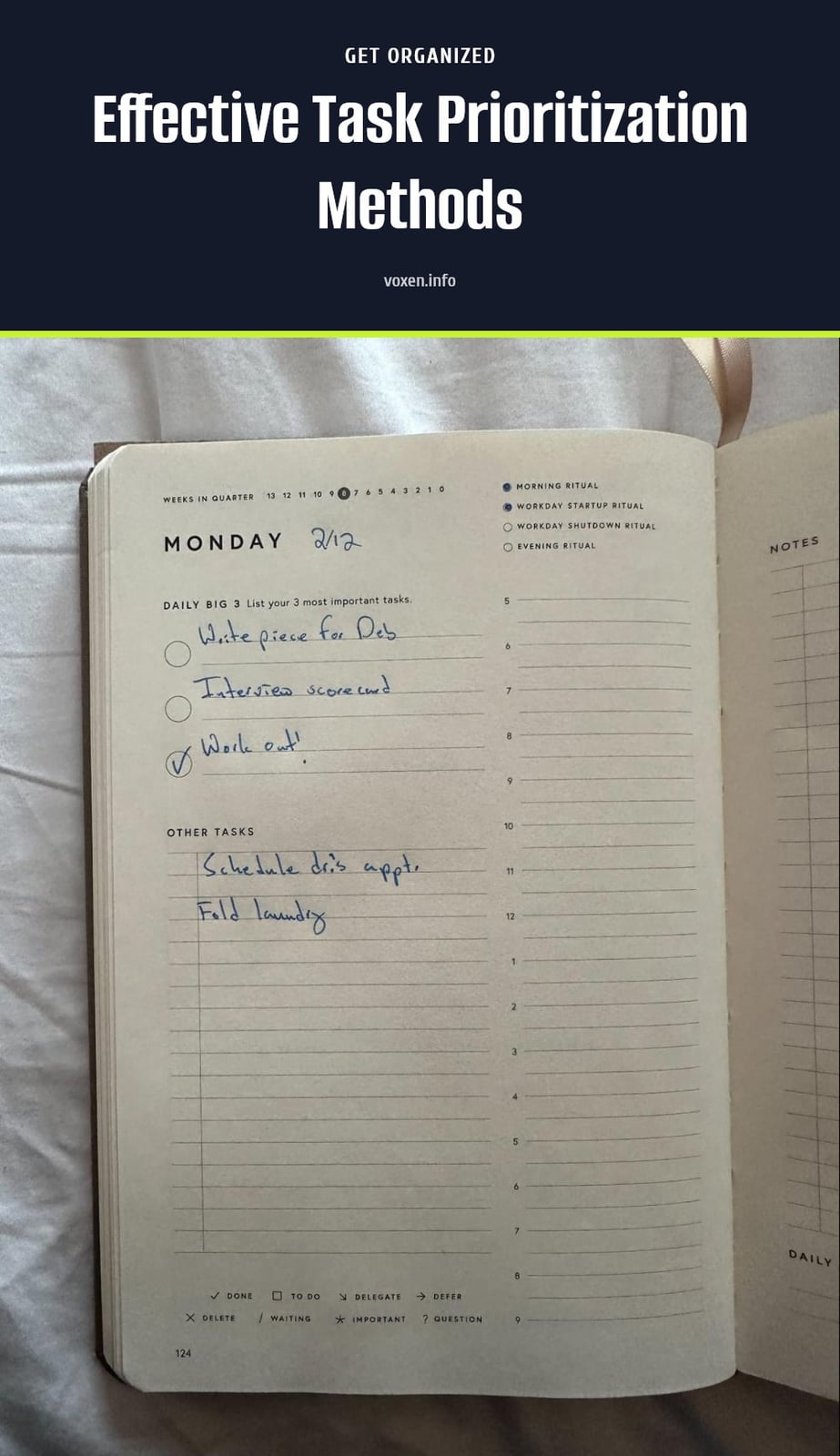
Use a planner or calendar to prioritize tasks and tackle the most important ones first. The belief that more hours automatically means more productivity is a misconception; quality often drops with excessive hours. Avoid taking on more than you can realistically handle, as that leads to feeling overwhelmed and less effective.
- Focus on high-impact tasks: Do the critical work early when your energy is highest.
- Set a daily limit on new commitments: Saying no to extra tasks protects your focus and output.
4. Schedule Regular Breaks

Schedule breaks into your calendar just like meetings. Even a 10-minute walk or a quick stretch can reset your focus and reduce mental fatigue. Don’t skip meals or breaks to push through work; it backfires by draining your energy and concentration.
5. Learn to Delegate
Delegating tasks is a practical way to keep your workload manageable and avoid feeling buried. Letting go of the idea that you are the only one who can do something is key. Tip: When you delegate, be clear about what needs to be done, the deadline, and any specific steps so the task gets completed without extra back-and-forth.
6. Practice Saying ‘No’
Saying ‘no’ is about protecting your time and energy, not about being unhelpful. When a new task or commitment exceeds your current capacity, a polite but firm refusal keeps you from overloading yourself. My tip: Try a simple phrase like ‘I can’t take that on right now, but I appreciate you thinking of me.’
7. Prioritize Self-Care

Self-care isn’t a luxury; it’s the foundation that keeps you from collapsing under a heavy workload. Prioritize activities that genuinely recharge you, whether that’s a 30-minute workout, a hobby like painting, or a weekly coffee date with a friend. These moments restore your energy and build resilience against the urge to keep working.
Tip: Protect your sleep like a non-negotiable meeting. Lack of sleep impairs cognitive function and mood regulation, making you less productive and more prone to overwork. Create a consistent wind-down routine that signals your brain it’s time to rest, such as dimming lights and avoiding screens an hour before bed.
Good to know: Engaging in enjoyable activities outside of work doesn’t just feel good; it actively helps you disconnect and return to your tasks with a clearer, more focused mind. Schedule these activities into your week just as you would a deadline.
8. Manage Stress with Mindfulness
Mindfulness meditation is a direct tool for dialing down the stress that fuels overworking. By focusing on your breath for just 3-5 minutes, you train your brain to stay in the present moment instead of spinning through a mental to-do list. This reduces the mental clutter that makes you feel like you need to work constantly.
- Focus on sensations: Notice the feeling of air moving in and out of your nostrils, not on stopping thoughts.
- Make it a trigger: Do a short mindfulness check before starting a new task to reset your focus.
- Use a timer: Set a gentle alarm for a few minutes so you can fully let go of tracking time.
9. Create an ‘End of Work’ Routine
An ‘end of work’ routine creates a physical and mental boundary that tells your brain the workday is over. This prevents the creeping tendency to check one more email or finish one more task after hours.
- Tidy your desk: Put away papers and clear your workspace so it looks ready for tomorrow.
- Log off completely: Close all work tabs and apps, and turn off notifications on your phone.
- Do a transition activity: Go for a 5-minute walk, change into comfortable clothes, or brew a cup of tea.
This ritual, done consistently, makes the separation between work and personal time automatic.
10. Reflect and Adjust Regularly
Overworking habits don’t change overnight, so regular reflection helps you see what’s working and what needs tweaking. A simple journal entry at the end of each week can reveal patterns you might otherwise miss.
- Track three things: Your energy level at day’s end, your stress level (1-10), and how many tasks you actually completed.
- Look for trends: Notice if skipping breaks leads to lower productivity the next day.
- Be patient: Expect that new habits take several weeks to feel natural. Self-compassion matters more than perfection.
11. Avoid Common Overworking Traps
The biggest traps that keep you overworking are often in your own head. Comparing your hours to a colleague’s or feeling guilty for taking a lunch break are signals that your internal rules need updating.
- Stop comparing: Your productivity and well-being are unique to you. Focus on your own goals, not someone else’s schedule.
- Reframe guilt: A break is not a waste of time; it’s maintenance for your brain and body.
- Communicate availability: If you assume your boss expects 24/7 replies, ask directly. Most people are fine with a clear boundary once it’s explained.
When to Seek Professional Help
If you notice persistent symptoms like emotional exhaustion, severe anxiety, or depression that don’t ease with rest, it’s time to talk to a healthcare professional or mental health expert. Increased irritability or mood swings can be signs that chronic stress is affecting your mental health. Pay attention to physical symptoms such as chronic fatigue, frequent headaches, or digestive problems, as these may also require professional medical advice. Don’t wait until these issues disrupt your daily life; seeking help early can make a real difference.
Frequently Asked Questions
What are the long-term effects of overworking?
Chronic overworking can lead to burnout, which includes emotional exhaustion, cynicism, and reduced personal accomplishment. It also increases the risk of stress-related health issues such as high blood pressure, heart disease, and digestive problems, and can damage relationships and overall quality of life.
How can I tell if I’m on the verge of burnout?
Early signs include persistent emotional exhaustion, cynicism about your work, and a drop in how effective you feel. You might also notice increased irritability, mood swings, trouble sleeping, or physical symptoms like headaches or digestive issues. If these last despite rest, consider talking to a healthcare professional.
Is it possible to be productive without overworking?
Yes, absolutely. Working more hours does not automatically mean more productivity; quality often declines with excessive hours. Setting clear boundaries, prioritizing tasks, and taking regular breaks can actually improve your focus and output, allowing you to get more done in less time.
How do I talk to my boss about setting boundaries?
Start by focusing on how boundaries can improve your productivity and work quality. You might say something like, ‘To give my best to our projects, I need to maintain focus during my work hours and fully disconnect in the evenings. Can we agree on a clear end time for my day?’ Be clear and professional.
What if my job truly requires long hours?
If long hours are unavoidable, focus on what you can control. Prioritize your most important tasks, schedule short breaks, and create a strong end-of-work routine to protect your personal time. If the demands are chronic and affecting your health, it may be time to discuss adjustments with your supervisor or consider other options.
Can overworking affect my relationships?
Yes, it often does. When work spills into personal time, it can strain relationships with family and friends. You may have less energy for meaningful connections, become irritable, or miss important events. Setting boundaries helps preserve the time and emotional availability needed for healthy relationships.
Final Thoughts
Start with one small change, like setting a firm end time for your workday or scheduling a 10-minute break. It can take several weeks to months of consistent effort to see lasting results, so be patient and kind to yourself. Remember, protecting your time and energy isn’t selfish, it’s essential for a sustainable, healthy life.
This article is for general informational purposes only and does not constitute medical or professional advice. If you are experiencing persistent symptoms of burnout, severe anxiety, depression, or physical health issues related to overworking, please consult a healthcare professional or mental health expert.

