You’ve probably seen peptides listed on your favorite serums and moisturizers, but what exactly are they and how do they work? In short, peptides are short chains of amino acids that act as messengers for your skin, telling it to produce more collagen, reduce inflammation, and improve hydration. This article breaks down the science behind peptides, the different types available, and how to use them effectively in your daily routine for firmer, smoother-looking skin.
Key Takeaways
- Peptides are short chains of amino acids that signal skin cells to boost collagen and improve texture.
- Visible improvements in firmness and fine lines typically appear after 4-12 weeks of daily use.
- Start with one peptide product at a time, especially if you have sensitive skin.
- Always apply broad-spectrum SPF in the morning, since peptides don’t protect against UV damage.
- Combine peptides with hydrating ingredients like hyaluronic acid or ceramides for enhanced benefits.
What Are Peptides and How Do They Work for Your Skin?
Peptides are short chains of amino acids, the building blocks of essential skin proteins like collagen and elastin. In skincare, they act as messengers, signaling your skin cells to perform specific functions such as increasing collagen production, reducing inflammation, or improving hydration. Different types of peptides target various skin concerns, making them versatile for improving firmness, reducing fine lines, and enhancing overall skin texture.
The Science Behind Peptides: Signaling for Skin Renewal

How Peptides Communicate with Your Skin
Peptides are typically 2 to 50 amino acids long, acting as fragments of larger proteins. When applied topically, they penetrate the skin’s surface to communicate with cells, essentially telling them what to do. This is why they’re often called signaling molecules.
Different peptides have different jobs:
- Signal peptides stimulate collagen production, boosting firmness.
- Carrier peptides deliver trace elements like copper to support skin repair.
- Enzyme inhibitor peptides slow down collagen breakdown, preserving elasticity.
- Neurotransmitter peptides relax facial muscles, softening expression lines.
By understanding these roles, you can choose a peptide product that targets your specific concern, whether it’s sagging, fine lines, or dullness.
Essential Peptide Products for Your Skincare Routine

Peptides show up in several product formats, each with a specific job. Here’s what to look for:
- Peptide serums: Concentrated formulas designed for deeper penetration, ideal for targeting fine lines and firmness.
- Peptide moisturizers: Combine hydration with peptide benefits, making them perfect for daily use and layering.
- Peptide eye creams: Target the delicate skin around your eyes, helping with fine lines and puffiness.
Choose based on your routine: a serum for a boost, a moisturizer for all-in-one, and an eye cream for that specific area.
Step-by-Step: Incorporating Peptides into Your Daily Skincare

Start with a clean face. Use your regular cleanser to remove dirt, oil, and makeup, then pat your skin dry until it’s just slightly damp. This moisture helps the peptides absorb better.
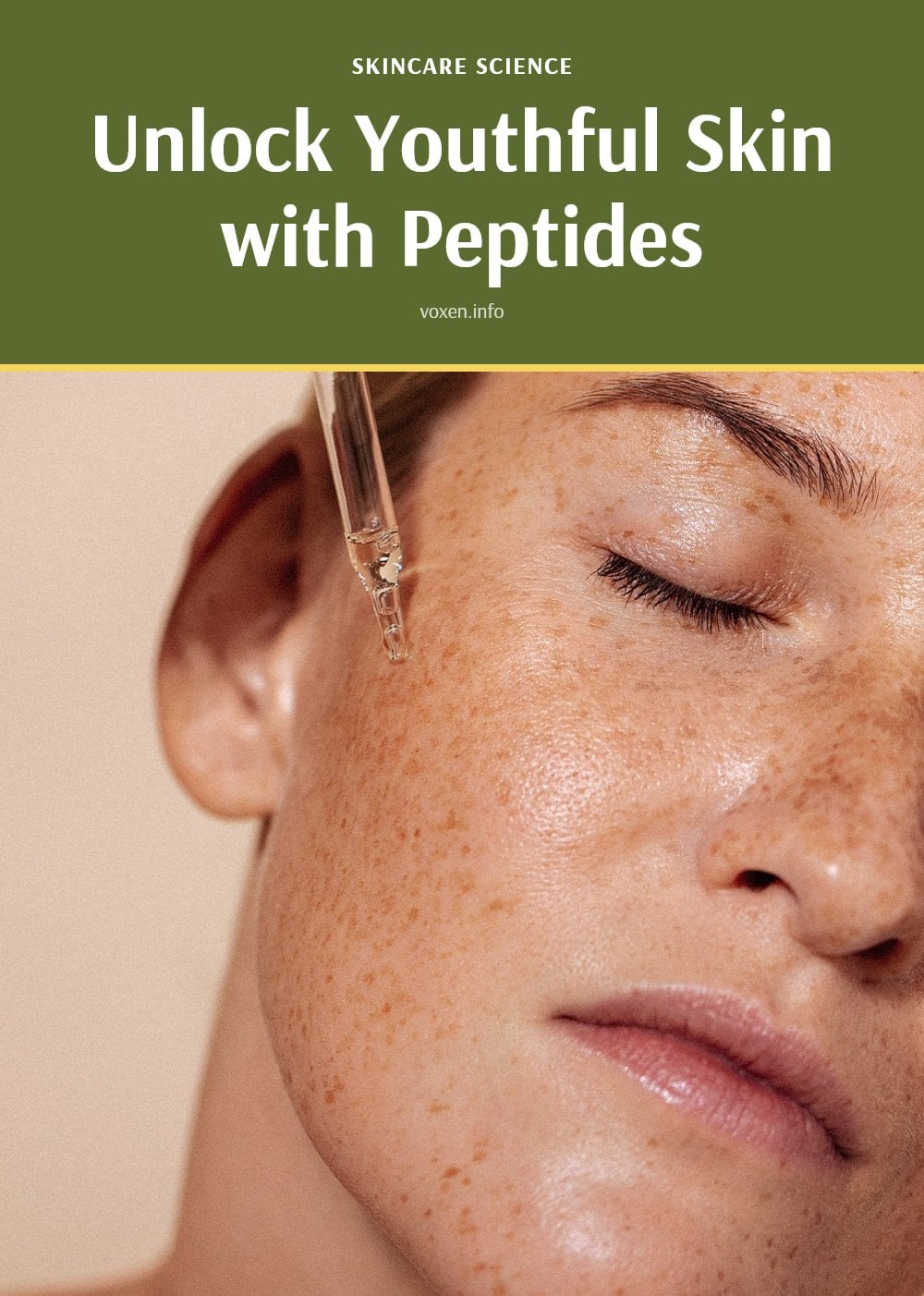
- Apply peptide serum: Dispense a few drops of serum onto your fingertips and press it gently into your skin, focusing on areas with fine lines or loss of firmness. Avoid rubbing, which can waste product and irritate skin.
- Follow with peptide moisturizer: While your skin is still slightly damp from the serum, smooth on a peptide moisturizer to lock in hydration and seal the benefits. This step also helps reinforce your skin barrier.
- Finish with SPF (morning only): Peptides do not provide sun protection, so always apply a broad-spectrum sunscreen of at least SPF 30 as your final morning step. This shields your skin from UV damage that can break down collagen.
My tip: In the evening, skip the SPF and use a richer peptide cream or a night mask instead. Consistency matters more than the exact product, so stick with the same routine daily for at least 4-12 weeks to see results.
Expert Tips for Maximizing Your Peptide Results

Start gradually: Introduce one new peptide product at a time, especially if you have sensitive skin. This lets you see how your skin reacts before adding more.
Consistency is key: Use peptide products daily, both morning and night, for at least 4-12 weeks. That’s the window where most people start noticing firmer, smoother skin.
Layer smartly: Peptides pair well with hyaluronic acid, vitamin C, and ceramides. Apply thinner formulas first, serum before moisturizer, so each layer absorbs properly.
Patch test first: Before full-face application, dab a small amount on your jawline or behind your ear. Wait 24 hours to check for any redness or irritation.
Common Peptide Mistakes to Avoid for Better Skin
Expecting instant results: Peptides aren’t quick-fix ingredients. Visible improvements in firmness and fine lines typically take 4-12 weeks of consistent use.
Skipping SPF: Peptides do not protect your skin from UV damage. Always apply a broad-spectrum SPF every morning as the final step in your routine.
Ignoring formulation: A high percentage of peptides doesn’t guarantee results if the formula isn’t stable or well-designed. Look for products with proven peptide types and a solid overall ingredient list.
Inconsistent use: Applying a peptide product once or twice a week won’t give you the signaling your skin needs. Daily application, morning and night, is what drives results.
What to Expect: Timeline for Peptide Results
Visible results: Most users see improvements in skin firmness, texture, and fine lines after 4-12 weeks of daily use. The changes are gradual but cumulative.
Long-term benefits: Continued use over several months leads to more significant anti-aging effects. Peptides support your skin’s natural collagen production over time.
Frequency of use: Apply peptide products twice daily, once in the morning and once at night, as part of your regular routine. Consistency matters more than quantity.
Cost tiers: Peptide products range from mid-tier to high-end. Price often reflects the specific peptide types, concentration, and formulation quality, not just the brand name.
When to Consult a Dermatologist About Peptides
If you experience persistent irritation, redness, or itching after starting a new peptide product, stop using it. A dermatologist can help determine whether the ingredient or another product in your routine is the cause.
Consult a professional before adding peptides if you have underlying skin conditions like eczema or rosacea. They can recommend formulations that won’t aggravate your skin.
If you’ve used a peptide product consistently for 12 weeks with no visible improvement, a dermatologist can suggest alternative treatments or stronger options.
Frequently Asked Questions
Are peptides better than retinol?
Peptides and retinol work differently, so it’s not about one being better than the other. Retinol speeds up cell turnover and boosts collagen, while peptides signal your skin to produce more collagen. Many people use both in their routine, but if you have sensitive skin, peptides are often gentler than retinol. For best results, consider alternating or layering them with guidance from a dermatologist.
Can I use peptides every day?
Yes, peptides are generally safe for daily use, even twice a day. For visible results, consistency is key, so aim to apply your peptide product every morning and night. If you have sensitive skin, start with once a day and gradually increase to twice daily as your skin adjusts.
What age should you start using peptides?
There’s no set age to start using peptides. Many people begin in their late 20s or early 30s as a preventive measure, but peptides can benefit skin at any age. If you’re noticing fine lines or loss of firmness, that’s a good time to introduce them. Always patch test first, especially if you have sensitive skin.
Do peptides really work for wrinkles?
Yes, but with realistic expectations. Peptides can help reduce the appearance of fine lines and wrinkles by supporting collagen production and improving skin texture. Results are gradual, typically appearing after 4 to 12 weeks of consistent daily use. They won’t erase deep wrinkles like Botox, but they can improve overall skin firmness and smoothness over time.
Final Thoughts
If you’re looking to add peptides to your routine, my tip is to choose a peptide serum for targeted benefits and apply it to clean, slightly damp skin. Consistency matters more than concentration, so stick with it daily for at least 4 to 12 weeks before judging results. Peptides are generally safe and well-tolerated, but if you notice persistent irritation, check with a dermatologist.
This article is for general information only and is not a substitute for professional medical or dermatological advice. Always do a patch test before trying a new skincare product, and consult a doctor or dermatologist if you have persistent skin issues or underlying conditions.

