Feeling stuck or craving positive change? Personal growth is about showing up for yourself every day, and the simplest way to start is by building small habits into your morning and evening routines. These rituals can shape your mindset, boost your mood, and help you make steady progress toward the life you want. In this article, I’ll walk you through practical habits you can adopt, common mistakes to avoid, and how to stay consistent without overwhelming yourself.

Key Takeaways
- Start with just 1-2 new habits to avoid overwhelm and build momentum.
- Dedicate 5-10 minutes to reflection, journaling, or gratitude daily.
- Read 15-30 minutes before bed to wind down and learn.
- Limit screen time at least an hour before sleep for better rest.
- Review your progress weekly and celebrate small wins.
What is Personal Growth?
Personal growth is an ongoing journey of self-improvement across intellectual, emotional, social, spiritual, and physical aspects. It involves intentional effort to understand yourself, set meaningful goals, and take consistent action to become a more capable and contented individual. Integrating specific habits into your morning and evening routines can significantly support this process, fostering a positive mindset and sustained progress.
1. Start Your Day with Quiet Reflection

Dedicate 5-10 minutes each morning to quiet reflection or meditation to set a positive tone. This practice reduces stress and increases self-awareness, influencing your productivity and mood for the day.
- My tip: Use a guided meditation app if you’re new to it, or simply sit in silence, focusing on your breath.
2. Dedicate Time to Learning

Dedicate 15-30 minutes each morning to learning a new skill or expanding your knowledge. Read a non-fiction book, take an online course, or listen to an educational podcast. Consistent learning fuels intellectual growth and keeps your mind sharp.
- My tip: Start with a podcast if you struggle to focus early. It requires less effort than reading but still delivers new ideas.
- Even 15 minutes daily builds momentum. Over a month, that adds up to over 7 hours of focused learning.
3. Incorporate Light Physical Activity

Integrate 10-20 minutes of light physical activity into your morning routine, like stretching, yoga, or a brisk walk. Even brief movement can boost energy levels, improve mental clarity, and set a positive physical foundation for the day.
- Tip: Don’t overthink it; just get your body moving before the day gets away from you.
4. Journal Your Thoughts and Goals
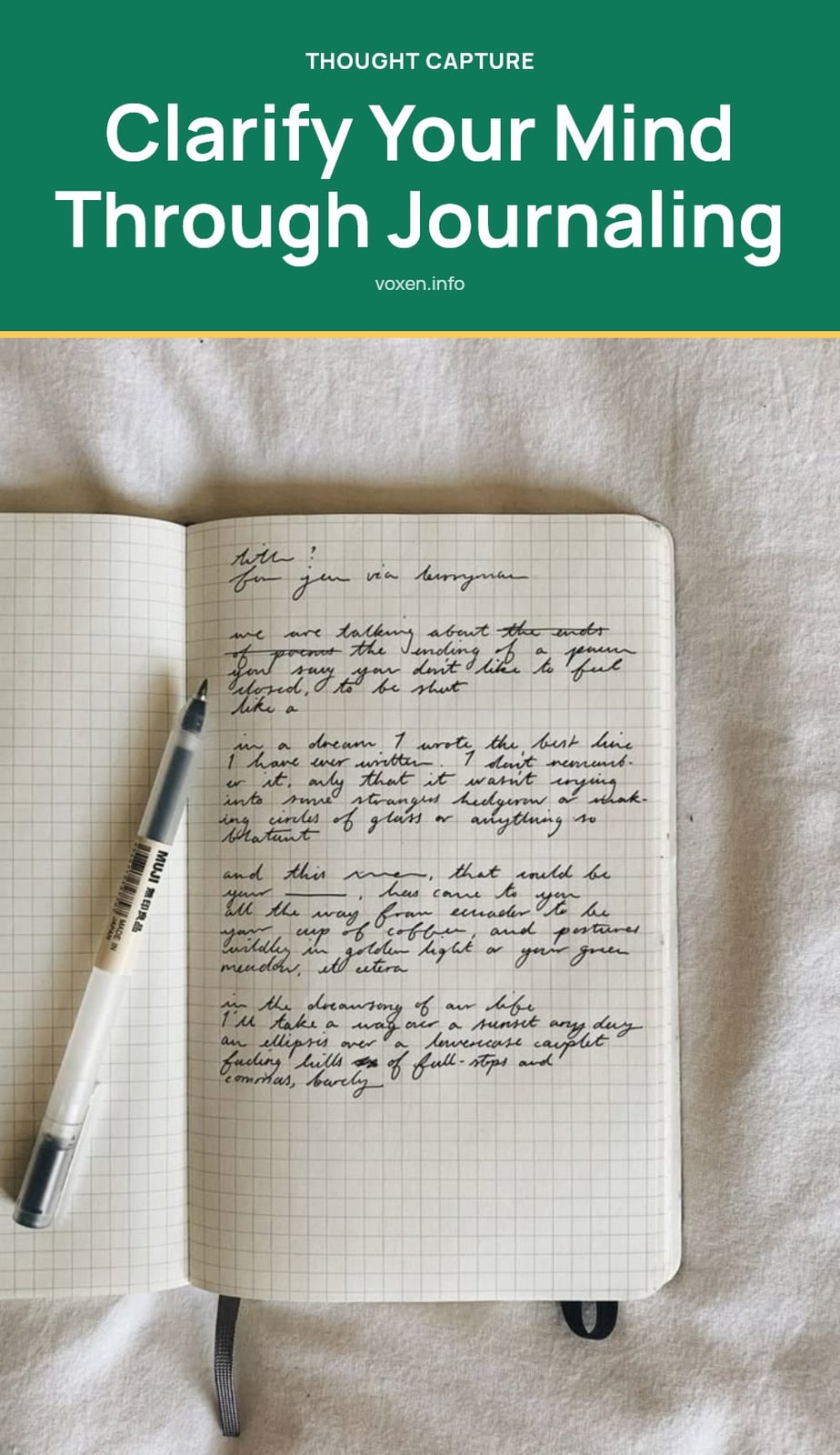
Keep a journal by your bed and write for 5-10 minutes each day. You can do this in the morning to set intentions or in the evening to reflect on what happened. Journaling helps you process emotions and clarify your goals, making them feel more achievable.
Good to know: Don’t worry about perfect prose. Just get your thoughts onto the page, even if they’re messy. The act of writing itself is what matters.
5. Practice Gratitude Each Evening
Before you close your eyes, list 3-5 things you are genuinely thankful for from your day. It could be a warm cup of coffee, a kind word from a coworker, or simply having a safe commute home. This practice shifts your focus toward the positive, improving your overall well-being and promoting a more optimistic mindset.
Pro move: Be specific. Instead of writing ‘my family,’ try ‘my sister’s funny text today.’ Specifics make the gratitude feel more real.
6. Plan Your Next Day’s Priorities

Spend a few minutes each evening planning your top 1-3 priorities for the next day. This simple act helps you wake up with clarity and purpose, cutting down on decision fatigue. You know exactly where to focus your energy first thing in the morning.
Quick tip: Don’t overschedule. Just pick the most impactful tasks that will move you closer to your goals. A short, focused list beats a long, overwhelming one every time.
7. Read Before Sleep
Dedicate 15-30 minutes to reading a physical book or e-reader before bed. Reading expands your knowledge and introduces new perspectives, but it also serves as a calming ritual that signals your brain it’s time to wind down. Replacing screen time with a book can significantly improve your sleep quality.
Tip: Choose something enjoyable but not overly stimulating. A novel or a light non-fiction title works better than a thriller or a dense textbook right before sleep.
8. Review Your Progress Weekly
Set aside 30 minutes once a week to review your personal growth goals and progress. Reflecting on what worked and what didn’t gives you the insights needed to adjust your habits.
Good to know: Celebrate small wins. Acknowledging progress, even tiny steps, keeps you motivated and reinforces the habit loop.
9. Limit Evening Screen Time
Aim to put away phones, tablets, and computers at least an hour before bed. Blue light from screens disrupts melatonin production, making it harder to fall asleep and reducing sleep quality.
Pro move: Charge your phone outside your bedroom to remove the temptation entirely. Your sleep will thank you.
10. Hydrate First Thing
Drink a full glass of water immediately after waking. Your body loses fluids during sleep, and rehydrating first thing kickstarts your metabolism, improves mental alertness, and supports overall physical well-being.
Quick tip: Keep a glass of water on your nightstand so it’s the first thing you see and reach for.
11. Connect with Loved Ones
Make time for meaningful connection with family or friends, even if it’s just a quick call or a shared meal. Social development is a key aspect of personal growth, fostering emotional well-being and a sense of belonging.
Tip: Schedule it. A 15-minute chat can make a real difference in your mood and your relationships.
Common Personal Growth Mistakes to Avoid
Trying to do too much at once: Don’t overwhelm yourself by implementing too many new habits simultaneously. My tip: Start with 1-2 habits and build from there.
Expecting instant results: Personal growth is a marathon, not a sprint. Celebrate small progress and understand that noticeable improvements take time.
Comparing your journey to others: Everyone’s path is unique. Focus on your own progress and avoid getting caught up in comparing yourself to others’ perceived achievements.
Neglecting consistency: The power of these habits lies in consistent daily practice. Small, consistent actions yield significant long-term benefits.
Ignoring self-care: Don’t sacrifice sleep, nutrition, or relaxation in the name of productivity. Self-care is foundational to sustainable personal growth.
Frequently Asked Questions
How long does it take to see results from personal growth habits?
Noticeable improvements in mindset and well-being can appear within a few weeks to months of consistent practice. However, personal growth is a long-term journey, so don’t expect dramatic changes overnight. The key is to stay consistent and patient, celebrating small wins along the way.
Can I combine multiple personal growth habits at once?
Yes, you can combine habits, but it’s wise to start with just one or two to avoid feeling overwhelmed. Once those feel automatic, gradually add more. For example, you might pair morning reflection with an evening gratitude practice, then add reading before bed later.
What if I miss a day of my personal growth routine?
Missing a day is completely normal and doesn’t derail your progress. The important thing is to get back on track the next day without guilt. Consistency matters more than perfection, so simply resume your routine and keep moving forward.
Is personal growth only about career or productivity?
Not at all. Personal growth encompasses intellectual, emotional, social, spiritual, and physical development. It’s about becoming a more capable and contented person overall, which includes nurturing relationships, managing stress, and improving your health, not just advancing your career.
Final Thoughts
Building a personal growth routine doesn’t require a complete life overhaul. Pick one or two habits from this list that resonate with you, and commit to practicing them consistently for a few weeks. You’ll likely notice shifts in your mindset and well-being within a month, but the real payoff comes over time. Remember, it’s okay to miss a day; what matters is getting back on track. Start tonight with a simple gratitude list, and see how it feels.