That moment when you feel a bump forming on your face. It’s frustrating, but how you handle it in the first few minutes makes all the difference. The goal is to calm the inflammation without making things worse. This article covers what to do and what to avoid when a pimple appears, from gentle cleansing and targeted spot treatments to knowing when it’s time to see a dermatologist.
Key Takeaways
- Gently cleanse twice daily with a mild cleanser to avoid stripping natural oils.
- Apply a spot treatment with salicylic acid or benzoyl peroxide directly on the pimple.
- Never pick, squeeze, or pop pimples. It can lead to scarring and infection.
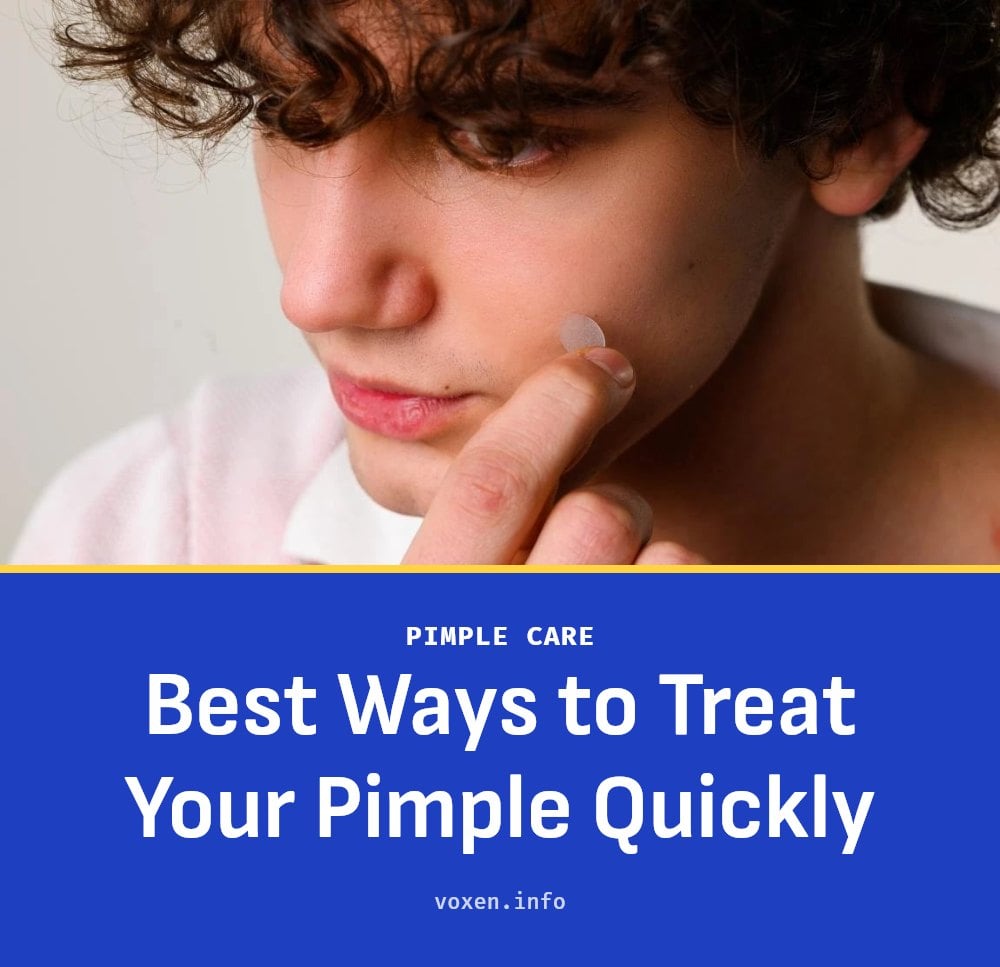
- Use a hydrocolloid patch to protect the pimple and absorb fluid.
- See a dermatologist if the pimple becomes very painful, swollen, or shows signs of infection.
What to Do When a Pimple Appears
When a pimple shows up, treat it immediately but gently. Cleanse the area with a mild cleanser, then apply a spot treatment with salicylic acid or benzoyl peroxide to reduce inflammation. Avoid picking or squeezing. That can cause scarring and infection. A hydrocolloid patch can protect the pimple while it heals.
Why Pimples Form on Your Skin
The Biology Behind a Pimple
A pimple starts when a hair follicle gets clogged with sebum (oil) and dead skin cells. This plug creates an environment where bacteria, specifically Cutibacterium acnes, can multiply, leading to inflammation. The result is a papule or pustule. What you see as a pimple.
Several factors can trigger this process:
- Hormonal fluctuations: Changes during puberty, menstruation, or stress can increase oil production.
- Stress: Raises cortisol levels, which may boost sebum.
- Diet: High-glycemic foods and dairy may influence breakouts in some people.
- Genetics: Your family history can affect how prone you are to pimples.
Essential Tools for Pimple Management
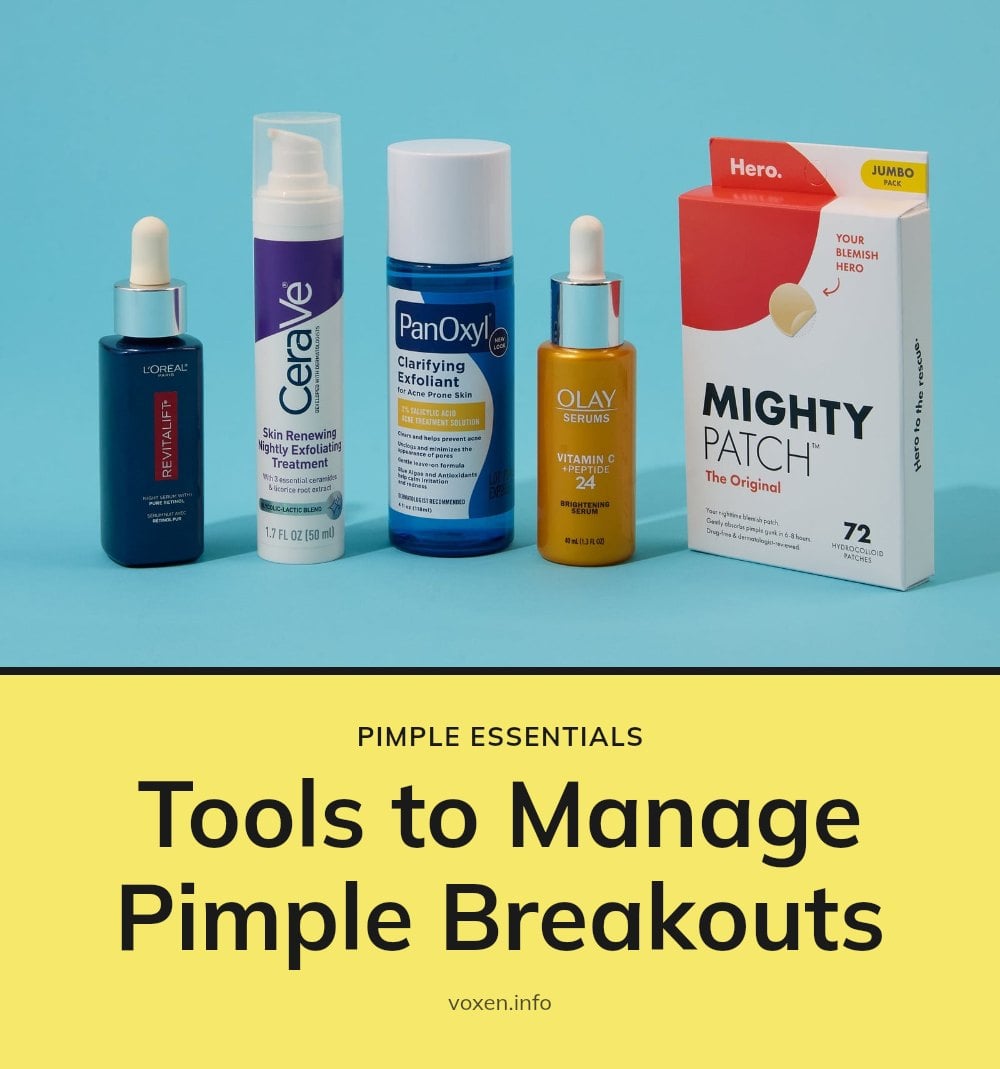
Having the right tools on hand makes pimple management simpler and more effective. Here is what I keep in my routine:
- Mild facial cleanser: Removes excess oil and dirt without stripping the skin.
- Spot treatment with salicylic acid or benzoyl peroxide: Targets the pimple directly.
- Hydrocolloid patches: Absorb fluid and create a protective barrier.
- Clean cloth for cold compress: Wrap ice or cold water in a cloth to reduce swelling safely.
- Gentle moisturizer and non-comedogenic sunscreen: Keep the skin barrier healthy and prevent dark spots.
Effective Ways to Treat a Pimple
Gentle Cleansing
Wash the affected area twice daily with a mild cleanser. Over-washing can strip natural oils and worsen breakouts, so stick to a gentle routine.
Targeted Spot Treatments
Apply a spot treatment containing salicylic acid or benzoyl peroxide directly on the pimple. Salicylic acid exfoliates and unclogs pores, while benzoyl peroxide kills bacteria and helps shed dead skin cells. My tip: Always patch test a new product on a small area first to avoid irritation.
Hydrocolloid Patches
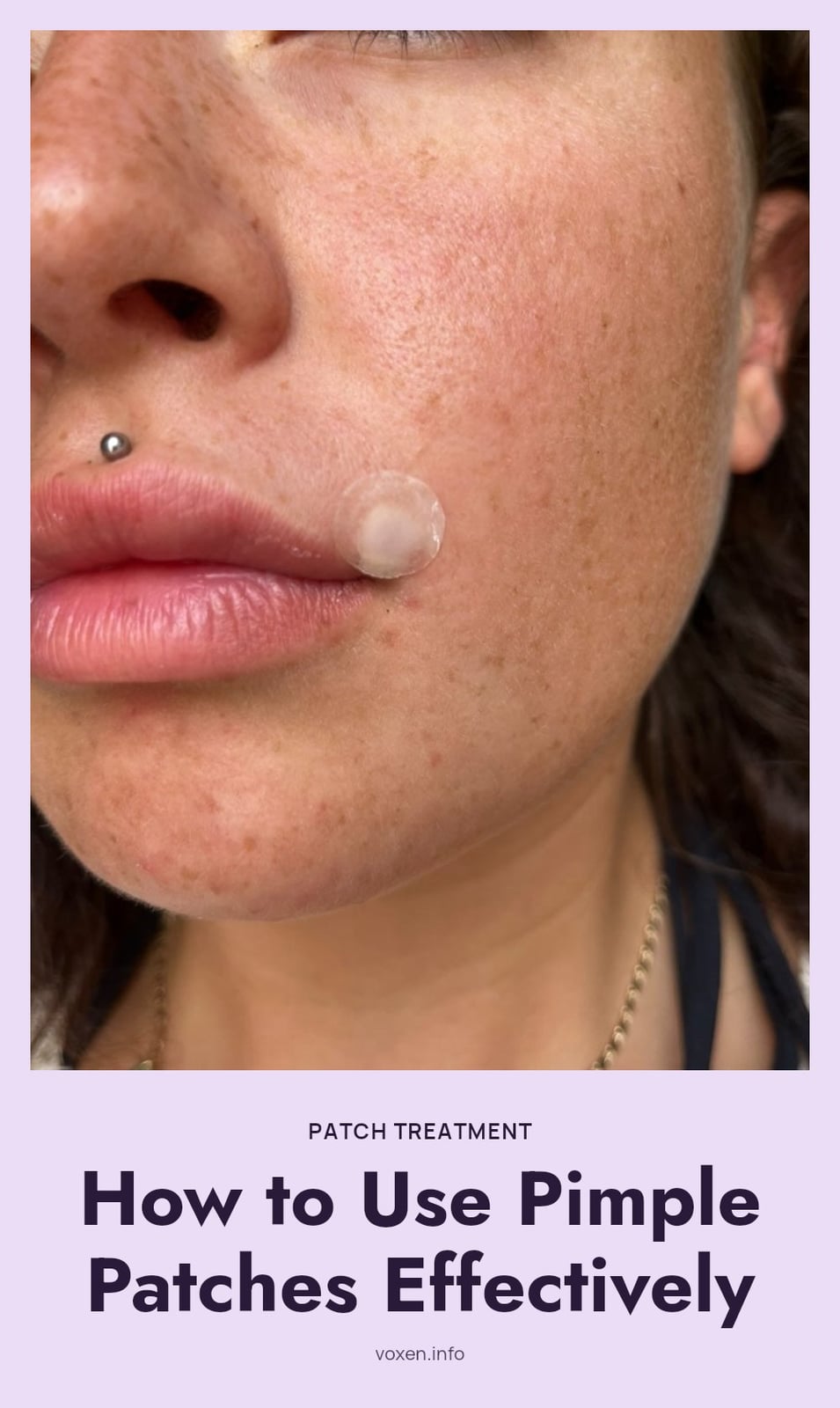
Stick a hydrocolloid patch over the pimple overnight. It absorbs fluid, reduces picking temptation, and supports healing.
Cold Compress for Swelling
Wrap an ice cube or cold pack in a clean cloth and hold it against the pimple for short periods, such as 10-15 seconds on and off. This can help calm redness and swelling without risking skin damage from prolonged cold exposure.
Common Pimple Treatment Mistakes to Avoid
Picking or squeezing: This is the number one mistake. Squeezing pushes bacteria deeper and can cause scarring or infection. Leave the pimple alone to heal naturally.
Using too many harsh products: Layering multiple acne treatments can strip your skin barrier, leading to more irritation and breakouts. Stick to one targeted product at a time.
Scrubbing harder: Aggressive scrubbing won’t clear a pimple faster. It inflames the skin and can make redness and swelling worse. Be gentle.
Skipping moisturizer: Even oily skin needs hydration. Without it, your skin may produce more oil to compensate, potentially clogging pores further.
Unverified home remedies: Applying toothpaste, baking soda, or lemon juice can cause chemical burns or allergic reactions. Stick to treatments formulated for acne.
Preventing Future Pimple Breakouts
Consistent daily habits can help keep breakouts at bay. Here is what I recommend:
- Cleanse twice daily: Use a mild cleanser morning and night to remove excess oil and dirt without stripping your skin.
- Keep hands off: Avoid touching your face throughout the day to reduce transferring bacteria and oil.
- Moisturize regularly: A lightweight, non-comedogenic moisturizer supports a healthy skin barrier.
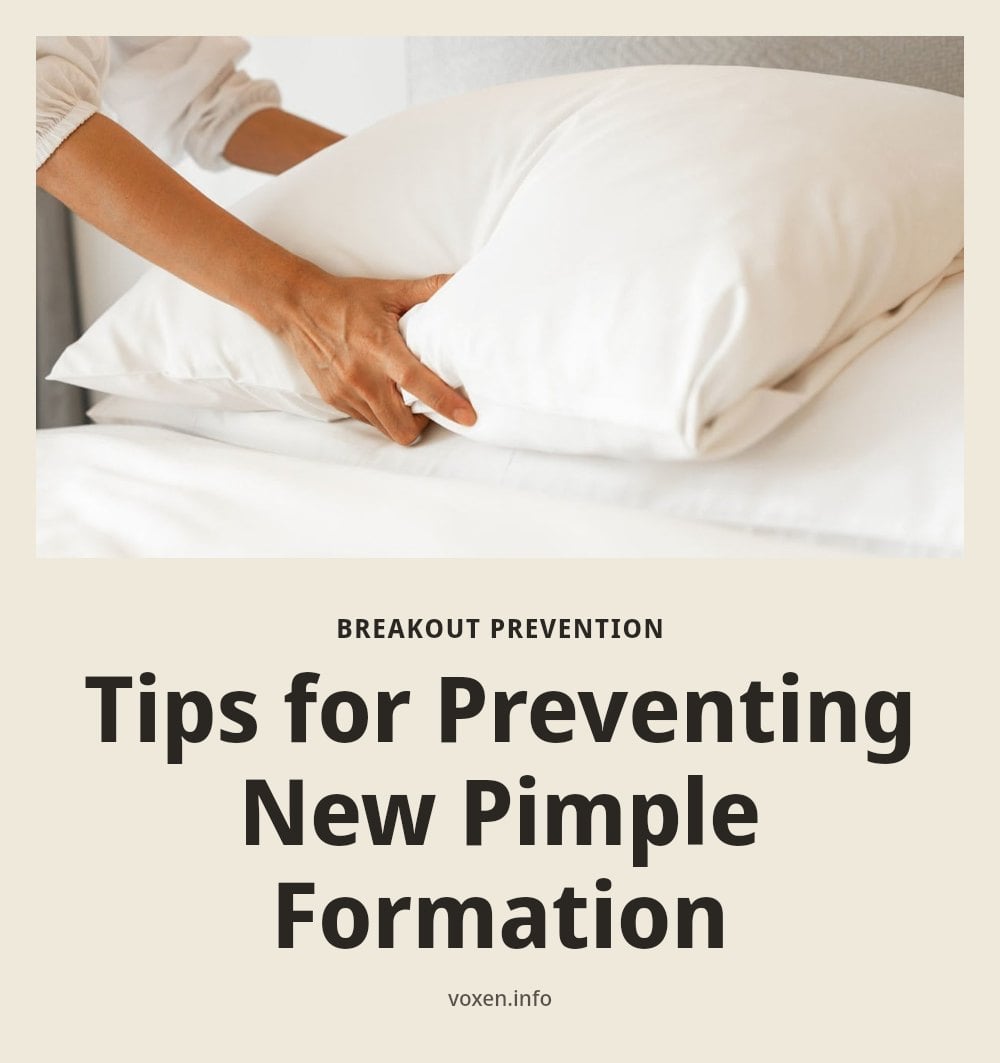
- Change pillowcases weekly: Pillowcases collect oil, bacteria, and dead skin cells that can transfer to your face while you sleep.
- Clean makeup tools: Wash brushes and sponges every week to prevent product buildup and bacterial growth.
- Protect from sun: Sun exposure can darken post-acne marks. Use a non-comedogenic sunscreen daily, especially if you use acne treatments that increase sun sensitivity.
When to Consult a Dermatologist
Most pimples can be managed at home, but some situations need a dermatologist’s input. Make an appointment if:
- Signs of infection: A pimple becomes very painful, swollen, warm, or shows pus, fever, or spreading redness.
- No improvement: Over-the-counter treatments haven’t helped after several weeks of consistent use.
- Frequent or severe breakouts: Acne is affecting your daily life or causing distress.
- Concern about marks: You are worried about scarring or dark spots left by pimples. A dermatologist can recommend treatments to reduce their appearance.
Frequently Asked Questions
How long does it take for a pimple to go away?
With proper care, a pimple often starts to improve within a few days. However, complete healing can take up to a week or more, depending on the severity and your skin type. Consistent gentle treatment helps speed up the process.
Can diet cause pimples?
Diet may influence pimple formation for some people, though it varies. High-glycemic foods like sugary snacks and dairy are sometimes linked to breakouts. If you notice a pattern, try adjusting your diet and see if your skin improves.
Is it bad to wear makeup if I have a pimple?
It is generally okay to wear makeup as long as you choose non-comedogenic products that won’t clog pores. Apply makeup with clean brushes or sponges, and remove it thoroughly at the end of the day with a gentle cleanser.
What’s the difference between a pimple and a cyst?
A pimple is a small, inflamed lesion like a papule or pustule that often resolves on its own. A cyst is a larger, deeper, painful lump under the skin that may require medical treatment. If you suspect a cyst, see a dermatologist.
Can stress make pimples worse?
Yes, stress can trigger hormonal fluctuations that increase oil production, potentially leading to more pimples. Managing stress through relaxation techniques, exercise, or adequate sleep may help reduce breakouts.
Final Thoughts
My tip: keep a hydrocolloid patch and a gentle spot treatment in your bathroom cabinet so you’re ready when a pimple shows up. With consistent care, most pimples improve within a few days. Stick to a simple routine, cleanse, treat, protect, and moisturize, and your skin will thank you.
This content is for general informational purposes only and does not constitute medical advice. Individual skin conditions vary, and what works for one person may not work for another. If you have a persistent or serious skin problem, consult a dermatologist or healthcare professional.

