If you’ve ever felt that raw, stinging burn after a long walk or a hot day, you know exactly what chafing is. It’s that irritated, red skin that pops up where friction happens, usually between your thighs or under your arms. This article covers the real causes of chafing, the best ways to prevent it with clothing and products, and how to soothe your skin if it’s already irritated.
Key Takeaways
- Wear moisture-wicking synthetic fabrics like polyester or nylon for exercise to reduce friction.
- Apply a barrier balm or stick to prone areas before activity to prevent skin-on-skin rubbing.
- Use powders sparingly; they can clump and make friction worse in heavy sweat.
- Clean chafed skin gently with mild soap and pat dry, never rub.
- See a doctor if chafing leads to open sores, bleeding, or pus.
What is Chafing and Why Does It Happen?
Chafing is the skin irritation that shows up after repetitive friction, and moisture and heat make it worse. It’s technically a form of irritant contact dermatitis, meaning your skin gets inflamed from being rubbed raw. The most common spots are inner thighs, armpits, groin, nipples, and under the breasts.
Understanding the Causes of Chafing
Understanding the Causes of Chafing
The primary cause is repetitive friction, either from skin rubbing against skin or from fabric dragging across the same spot. Moisture from sweat or water dramatically increases that friction, think of wet skin sticking and pulling instead of sliding smoothly. Heat adds another layer by making you sweat more and by making the skin itself more sensitive to irritation.
- Friction: Every step, stride, or arm swing creates micro-trauma when two surfaces rub together repeatedly.
- Moisture: Sweat or water breaks down the skin’s natural protective barrier, so irritation sets in faster.
- Heat: Warm weather raises your core temperature, increases sweat production, and makes your skin more reactive to any rubbing.
Top Methods for Preventing Chafing
Top Methods for Preventing Chafing
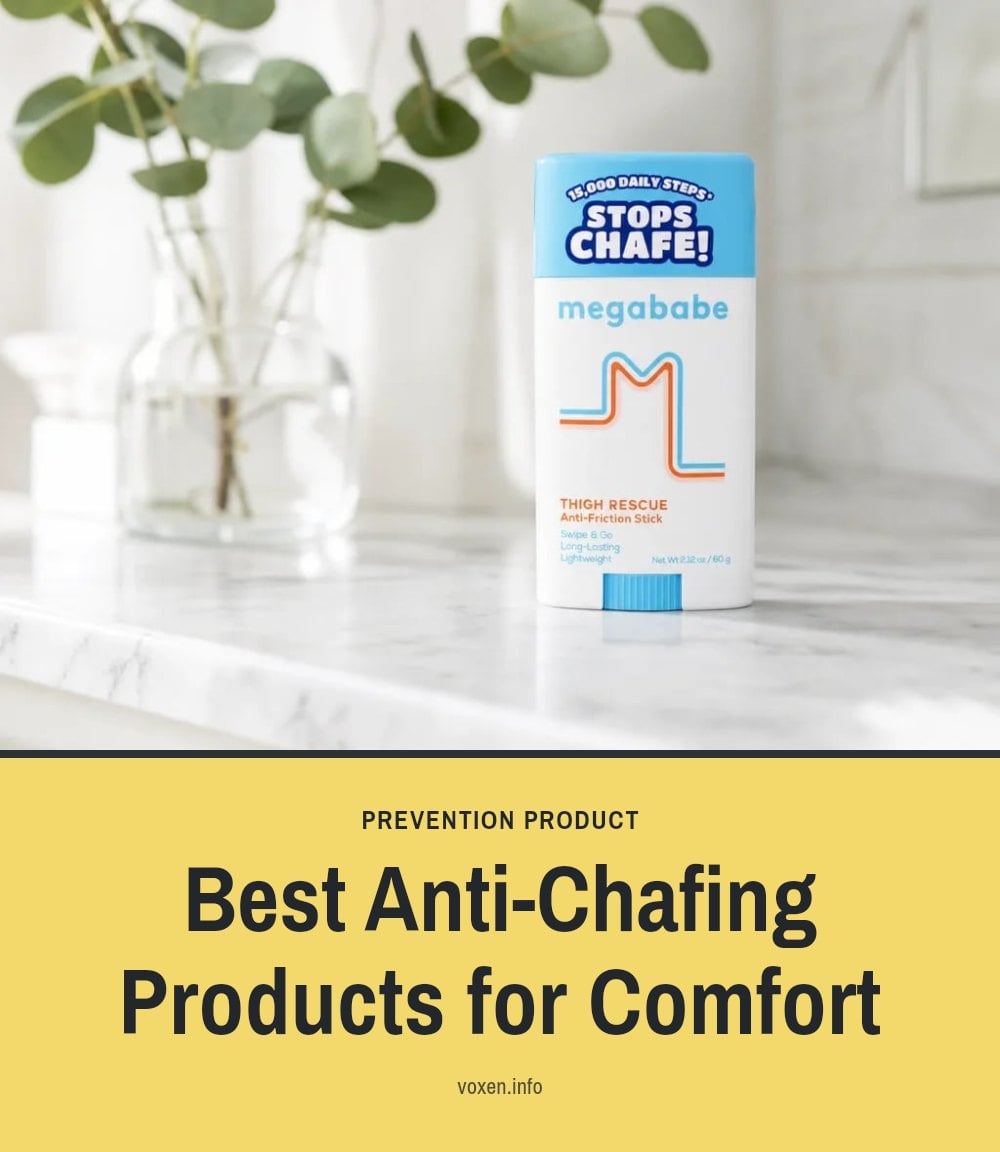
I always start with a barrier product. Balms, sticks, or creams create a slick layer between your skin and whatever is rubbing against it, so friction never gets a chance to start. My tip: apply them to every prone area before you dress or head out for activity, not after you feel the sting.
Clothing is your next line of defense. Moisture-wicking fabrics, think polyester or nylon, pull sweat away from your skin instead of holding it like cotton does. For areas where skin meets skin, like the inner thighs, I rely on protective layers such as cycling shorts or thigh bands. They create a physical barrier that moves with you.
Antiperspirant can also help. Applying it to spots where you tend to sweat heavily, like the underarms or groin area, reduces moisture and keeps the skin drier longer. Just let it dry completely before you add any other product or clothing.
Comparing Anti-Chafing Products: Balms, Powders, and Creams
Not all anti-chafing products work the same way. Here is a quick breakdown of the three main types.
| Type | How It Works | Best For |
|---|---|---|
| Balms & sticks | Create a physical barrier | Long activities, high friction |
| Powders | Absorb moisture | Light sweat, short wear |
| Creams | Combine barrier and soothing properties | Everyday prevention and mild irritation |
Balms and sticks are my go-to for runs or hikes because they stay put. Powders work well for quick errands but can clump if you sweat heavily. Creams sit in the middle, offering both protection and a little calming help if your skin is already sensitive.
Smart Clothing Choices to Avoid Chafing
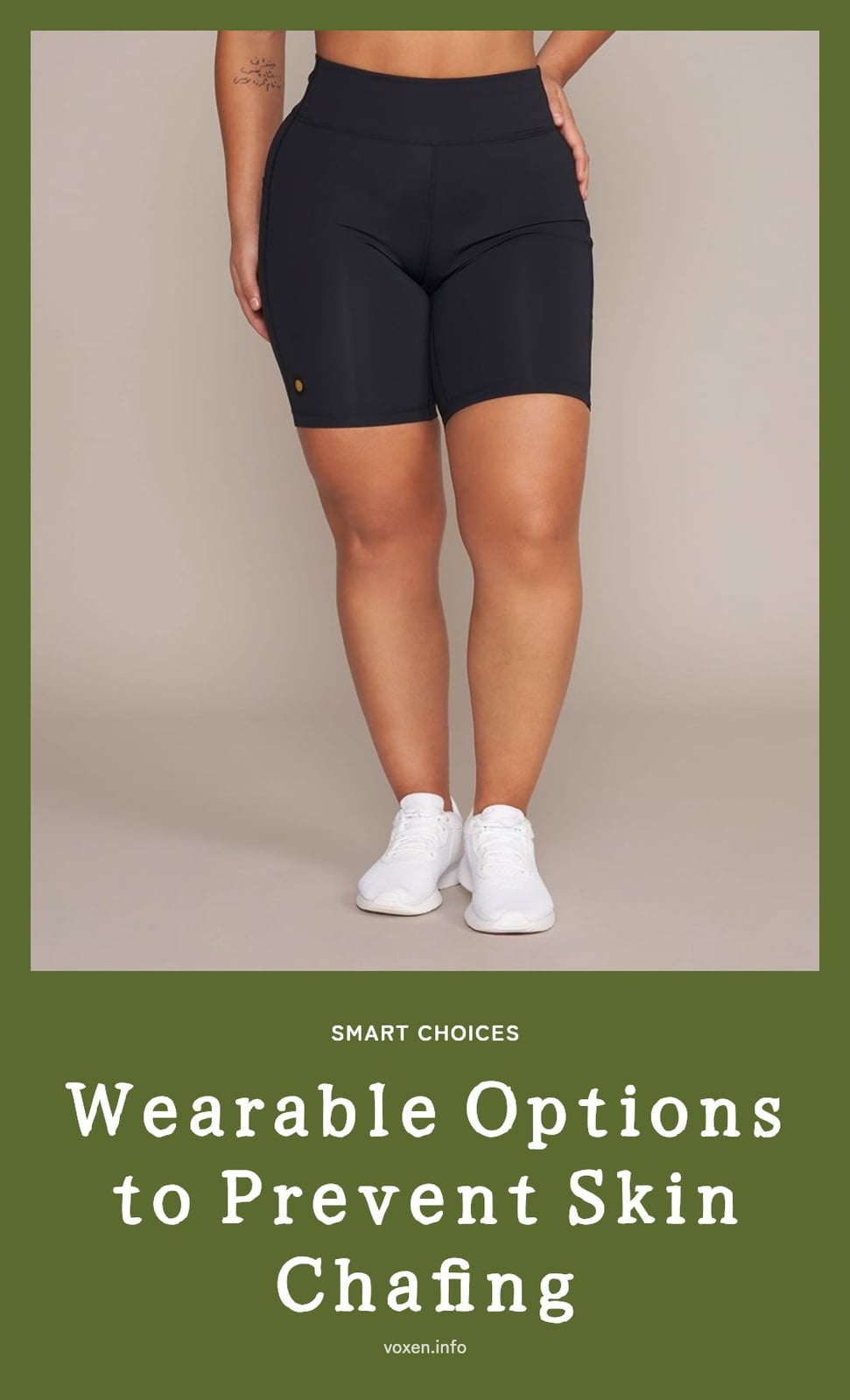
Tip: For exercise, choose moisture-wicking synthetic fabrics like polyester or nylon. They pull sweat away from your skin, keeping you dry and reducing friction. Cotton does the opposite. It soaks up moisture and stays wet, which is why it is a common cause of chafing during workouts.
For everyday wear, breathable cotton underwear works well for managing moisture without irritation. When you need a physical barrier between your thighs, cycling shorts or thigh bands are a reliable option. They prevent skin-on-skin contact and stay in place during movement.
Good to know: Fit matters as much as fabric. Clothing that is too loose can bunch up and rub, while too-tight pieces can dig in and create pressure points. Look for a snug but not restrictive fit.
Common Chafing Mistakes and How to Avoid Them
Mistake 1: Wearing cotton for intense exercise. Cotton traps moisture against your skin, which increases friction and irritation. Stick with moisture-wicking synthetics when you plan to sweat.
Mistake 2: Applying preventative balms or creams to already chafed skin. Barrier products are designed to prevent friction, not treat existing damage. Putting them on raw skin can trap bacteria and delay healing. Clean and dry the area first, then use a soothing treatment. Avoid applying barrier products like balms or petroleum jelly to broken or severely irritated skin.
Mistake 3: Forgetting to reapply barrier products during long activities or in humid conditions. Sweat and time can wear them away, so refresh every few hours if you are still active.
Mistake 4: Assuming chafing only affects certain body types. Friction can happen to anyone. It depends on movement, clothing, and moisture, not size or shape.
Soothing and Healing Chafed Skin
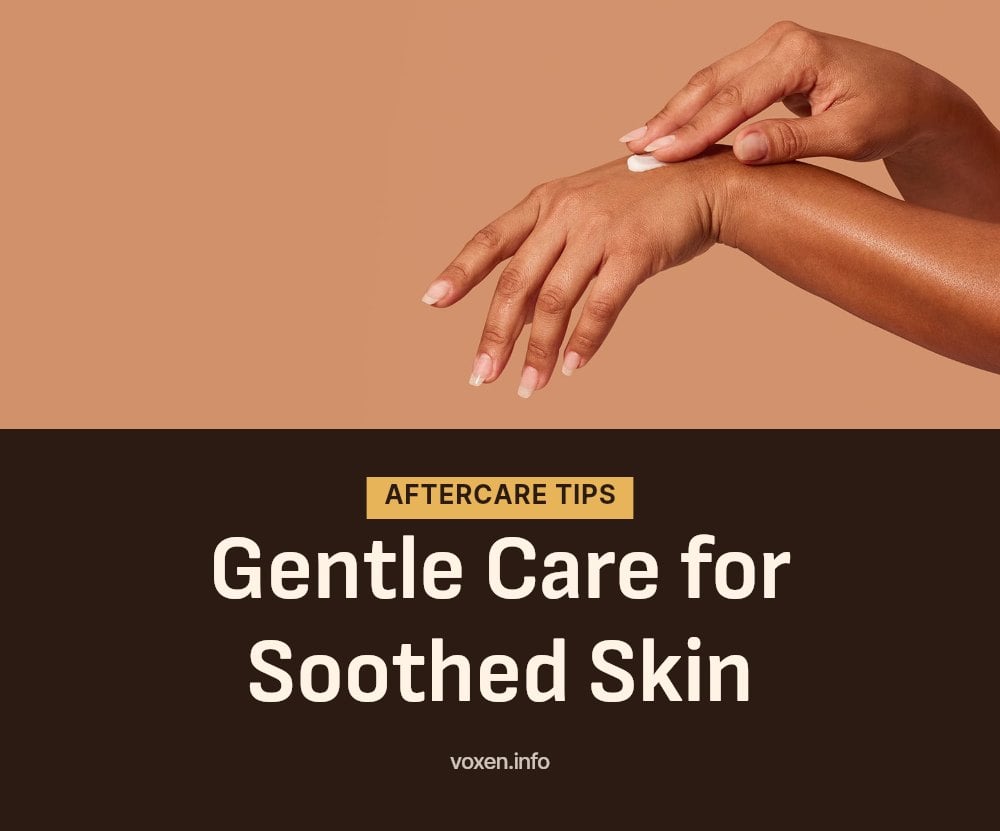
Start by gently cleansing the chafed area with mild soap and lukewarm water. Pat dry with a soft towel, do not rub, as that adds more friction. Keep the skin dry and let it breathe when you can, especially overnight.
My tip: Apply a soothing cream like zinc oxide to the irritated skin. For petroleum jelly, use it as a preventive barrier before activity rather than on already chafed skin. Both create a protective layer that locks in moisture and supports healing. Avoid harsh soaps, scrubs, or anything with fragrance, since those will sting and slow recovery.
Caution: If the skin is already broken or blistered, skip powders. They can introduce particles into the wound and increase the risk of infection.
When to See a Doctor for Chafing
Most chafing clears up with rest and gentle care, but some cases need a professional. See a doctor if the area develops open sores, bleeding, or pus. These can signal an infection. Also seek medical attention for severe pain that does not improve with basic treatment.
Caution: Stop using any product that causes burning, stinging, or an allergic reaction. If symptoms worsen after application, discontinue use immediately and consult a healthcare provider.
Frequently Asked Questions
Can chafing cause scarring?
Mild chafing typically heals without scarring if you keep the area clean and let it rest. However, if chafing becomes severe and leads to open sores or infection, it may leave a scar. Prompt care and avoiding further irritation reduce that risk.
Is petroleum jelly good for chafing?
Yes, petroleum jelly works well as a barrier to prevent chafing. It creates a slick layer that reduces friction between skin and fabric or skin-on-skin. Apply it to prone areas before activity, but avoid using it on already chafed or broken skin.
How long does it take for chafing to heal?
Mild chafing often feels better within hours to a day with proper rest and gentle care. More severe cases, especially with blistering, can take several days to heal. Keeping the area clean and dry speeds up recovery.
Can I use deodorant to prevent chafing?
Some people use antiperspirant on chafe-prone areas to reduce sweat, which can help prevent chafing. However, deodorant alone may not provide enough friction reduction. Antiperspirant is more effective for moisture control, but avoid applying it to already irritated skin.
Does chafing only happen to overweight people?
No, chafing can happen to anyone regardless of body size. It is caused by repetitive friction, moisture, and heat, not by weight. Runners, cyclists, and people in humid climates often experience chafing, no matter their shape or size.
Final Thoughts
For daily prevention, my tip is to keep a barrier balm in your gym bag and swap cotton for moisture-wicking fabrics when you know you’ll be active. Most mild chafing heals within a day or two with rest and gentle care, just let the skin breathe and avoid further rubbing. Stick with these habits, and you’ll save yourself a lot of discomfort.
This article provides general information about chafing prevention and care. It is not a substitute for professional medical advice. If you have persistent irritation, open sores, or signs of infection, please consult a doctor or dermatologist for personalized guidance.

