You’re juggling work, family, and personal time, and it often feels like there aren’t enough hours in the day. A weekly planning routine can be the anchor you need to bring order to the chaos, helping you prioritize what truly matters and carve out space for yourself. This article walks you through a simple, step-by-step planning process that fits into your life, along with practical strategies to stay focused and avoid common pitfalls.
Key Takeaways
- Dedicate 30-60 minutes each Sunday evening or Monday morning for your weekly planning session.
- Break large projects into smaller, manageable steps and schedule time for both work and personal activities.
- Prioritize your top 3-5 most important tasks for the week using methods like the Eisenhower Matrix.
- Always include buffer time between tasks to handle unexpected interruptions without derailing your day.
- Reflect on your progress each week to adjust your approach and learn what works best for you.
Why Weekly Planning is a Game-Changer for Women’s Productivity
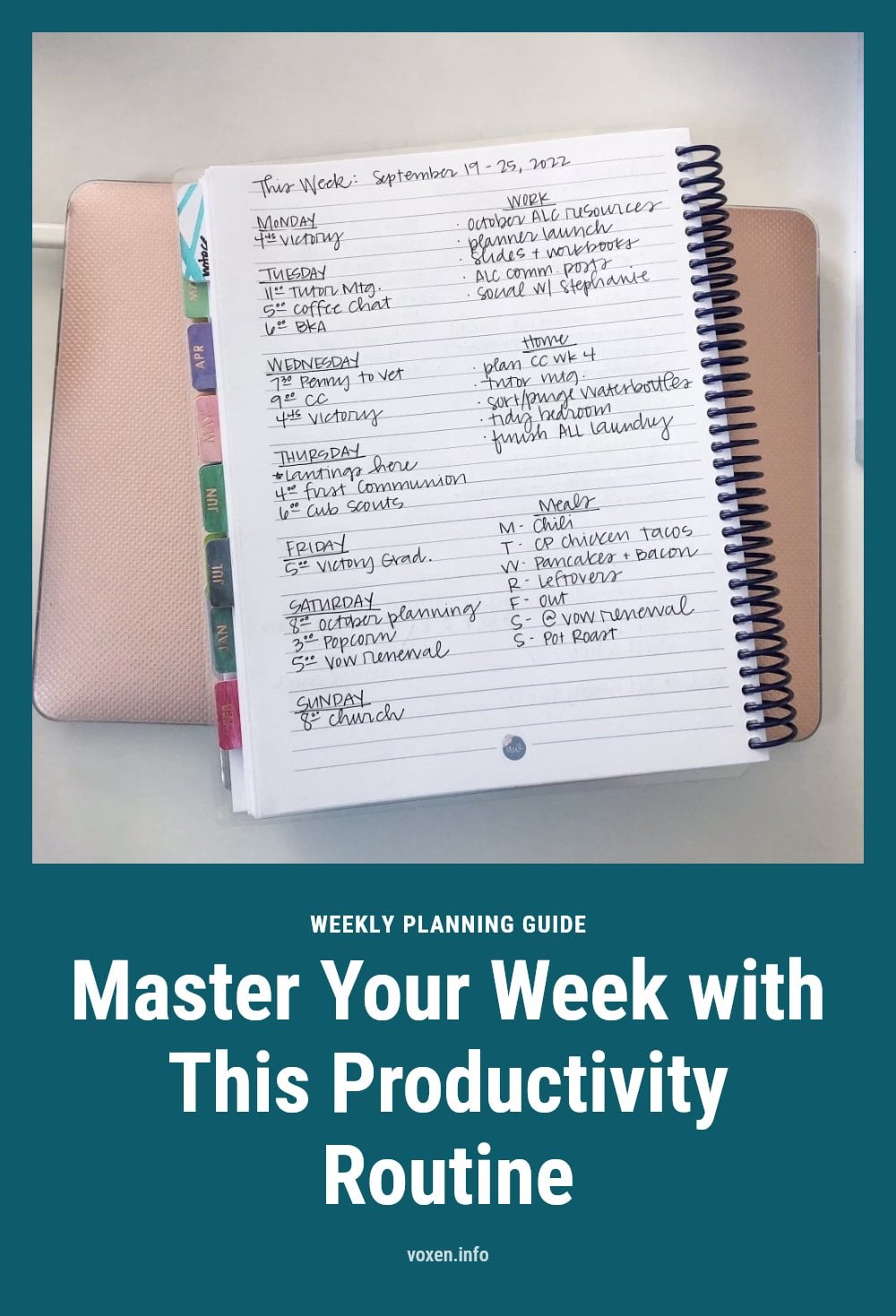
Weekly planning is a game-changer because it gives you a structured way to balance work, family, and personal time. By proactively organizing your goals and allocating time for each area, you reduce stress and sharpen your focus. This routine ensures your most important priorities get addressed consistently, so you feel more in control and less overwhelmed. My tip: starting your week with a clear plan makes the difference between reacting to demands and directing your own time.
Essential Tools for Your Weekly Planning Routine
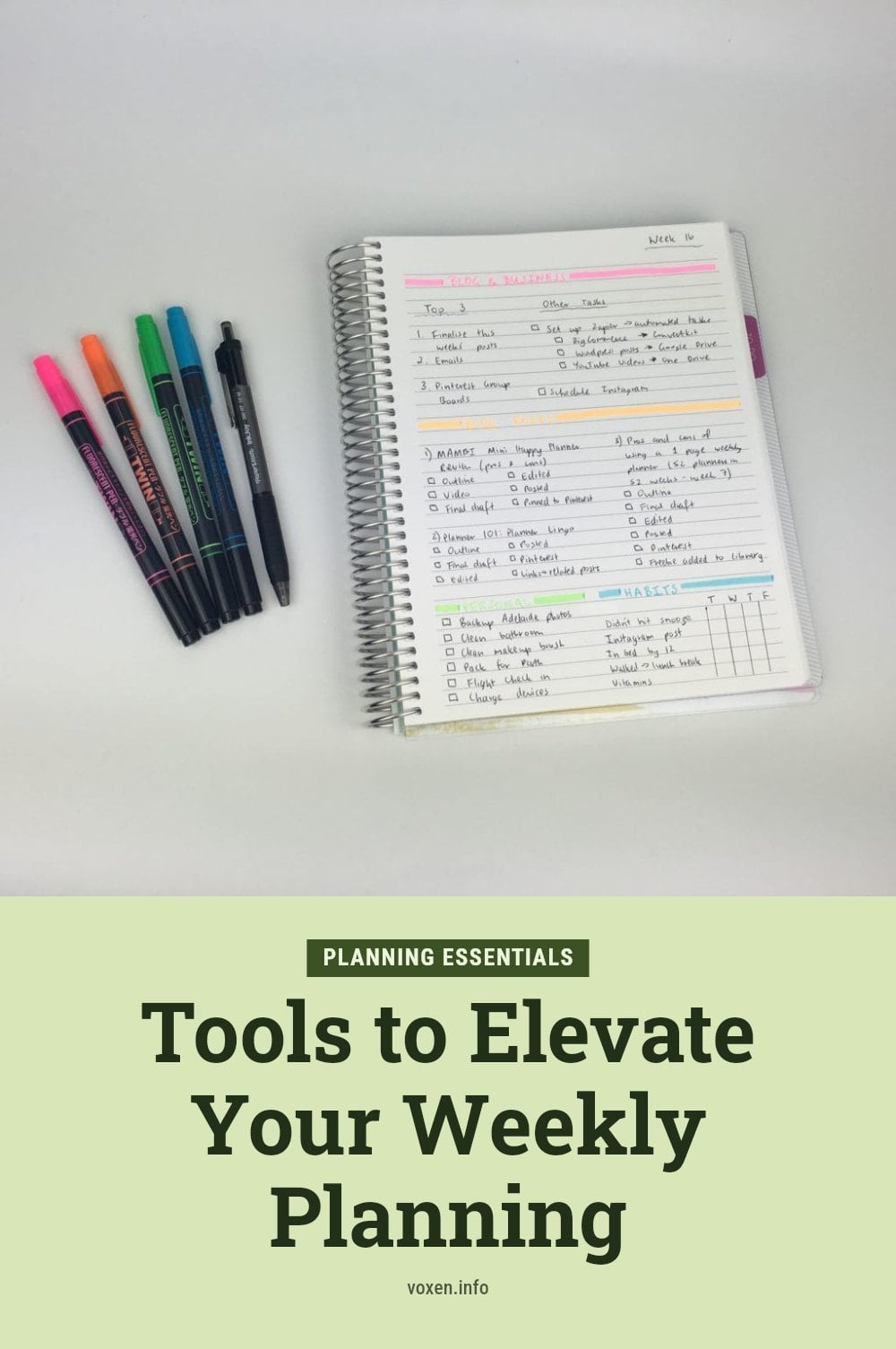
You don’t need a complicated system. Here are the essentials:
- Physical planner or notebook: Offers a tactile, distraction-free planning experience.
- Digital calendar: Google Calendar or Outlook Calendar syncs across devices for easy access.
- Task management app: Todoist, Trello, or Asana helps break down projects and track progress.
- Pens or markers: Use color-coding to highlight important tasks at a glance.
- Highlighters: Visually prioritize and categorize items so nothing gets missed.
Your Step-by-Step Guide to a Productive Weekly Plan

Follow these steps to build a weekly plan that actually works.
- Block your planning time: Dedicate 30-60 minutes on Sunday evening or Monday morning. Treat it like a non-negotiable appointment.
- Review and reflect: Look at last week’s progress and check upcoming commitments. Note what worked and what didn’t.
- Break down big projects: Turn large tasks into smaller, manageable steps. For example, “write report” becomes “outline,” “draft intro,” and “add data.”
- Pick your top 3-5 tasks: Use the Eisenhower Matrix to separate urgent from important. Focus on what truly moves the needle.
- Time block with buffer: Assign specific time slots to each task, and always add 15-30 minutes of buffer for unexpected delays. My tip: block buffer right after high-focus tasks.
- Schedule breaks and self-care: Add 5-10 minute breaks between blocks and schedule time for exercise, hobbies, or rest. This prevents burnout.
- Batch similar tasks: Group emails, calls, or errands together. Doing them in one go saves mental energy.
Smart Strategies to Enhance Your Planning and Focus
Once your plan is in place, use these strategies to stay focused and efficient.
- Set SMART goals: Make each objective Specific, Measurable, Achievable, Relevant, and Time-bound. This turns vague ideas into clear targets.
- Delegate when possible: Identify tasks others can handle, both at work and at home. You don’t have to do it all.
- Create a dedicated workspace: Even a small desk corner signals your brain to focus. Keep it tidy and free from distractions.
- Eliminate time wasters: Track where your time goes for a few days, then cut or limit activities that don’t serve your goals.
- Practice single-tasking: Focus on one task at a time. Multitasking lowers quality and increases stress.
Common Planning Pitfalls and How to Avoid Them

Overscheduling: It is tempting to fill every minute, but that leaves zero room for the unexpected. My tip: always build in some buffer time between tasks to handle interruptions without derailing your entire day.
Neglecting Self-Care: Your well-being directly fuels your productivity. Schedule breaks, exercise, or downtime just like you would a work meeting, and protect that time.
Confusing Busyness with Productivity: A packed calendar does not equal effectiveness. Focus on completing your top 3-5 important tasks rather than just reacting to whatever feels urgent.
Unrealistic Expectations: Be honest about your capacity. It is far better to under-schedule and actually finish everything than to over-schedule and end up discouraged.
Skipping the Review: Without a weekly reflection, you miss the chance to see what worked and what did not. Make reviewing your progress a non-negotiable part of your routine.
How Long Does Weekly Planning Take and When to Do It?
Time Commitment: Set aside 30-60 minutes once per week for your planning session. This is a small investment for a week of clarity.
Optimal Timing: Sunday evening or Monday morning works best to set the tone for the week ahead. Choose the time that feels least rushed for you.
Consistency is Key: You will see the biggest payoff in organization and reduced stress after several weeks of consistent planning. Stick with it.
Cost: The cost is minimal. A basic notebook and pen work fine, and many digital calendars and task apps offer free versions. Premium subscriptions are optional.
Frequently Asked Questions
How long should I spend on weekly planning?
Set aside 30 to 60 minutes once per week for your planning session. This small time investment pays off with a week of clarity and focus. Choose a time that works for you, such as Sunday evening or Monday morning.
What if I don’t stick to my plan perfectly?
Don’t get discouraged if you deviate from your plan. Life happens, and flexibility is key. Simply adjust your schedule as needed and move forward. The goal is progress, not perfection. Reflect on what caused the change and learn from it for next week.
Can I use a digital tool instead of a physical planner?
Absolutely. Digital calendars like Google Calendar or Outlook Calendar and task management apps like Todoist, Trello, or Asana are excellent options. Choose the tool that feels most natural and consistent for you. The key is to use it regularly.
How can I make sure I don’t overschedule myself?
Be realistic about how much you can accomplish in a day or week. My tip: always build in some buffer time between tasks to handle interruptions without derailing your entire day. Prioritize your top 3-5 most important tasks and leave room for flexibility.
Is it okay to change my plan during the week?
Yes, it’s absolutely okay to adjust your plan as the week unfolds. Unexpected events and shifting priorities are normal. The purpose of a plan is to guide you, not to lock you in. Review and update your schedule as needed to stay aligned with your most important goals.
Final Thoughts
Start with one planning session this week and stick with it for at least a few weeks to see real improvements in your organization and stress levels. Be realistic about what you can accomplish, and remember that flexibility is part of the process. A consistent weekly planning routine will help you feel more in control and focused on what matters most.

