You already know that neat cuticles make a manicure look polished, but did you know they are actually your nails’ first line of defense? Your cuticles are a living seal that protects the nail matrix from bacteria and fungi, so caring for them the right way is about health, not just looks. This article walks you through the simple steps to hydrate and gently push back your cuticles without cutting, so you can keep them healthy and infection-free.
Key Takeaways
- Never cut your cuticles; always push them back gently to avoid infection.
- Moisturize your cuticles daily with oil or cream to prevent dryness and hangnails.
- Soak your hands in warm water for 5 to 10 minutes before pushing back cuticles.
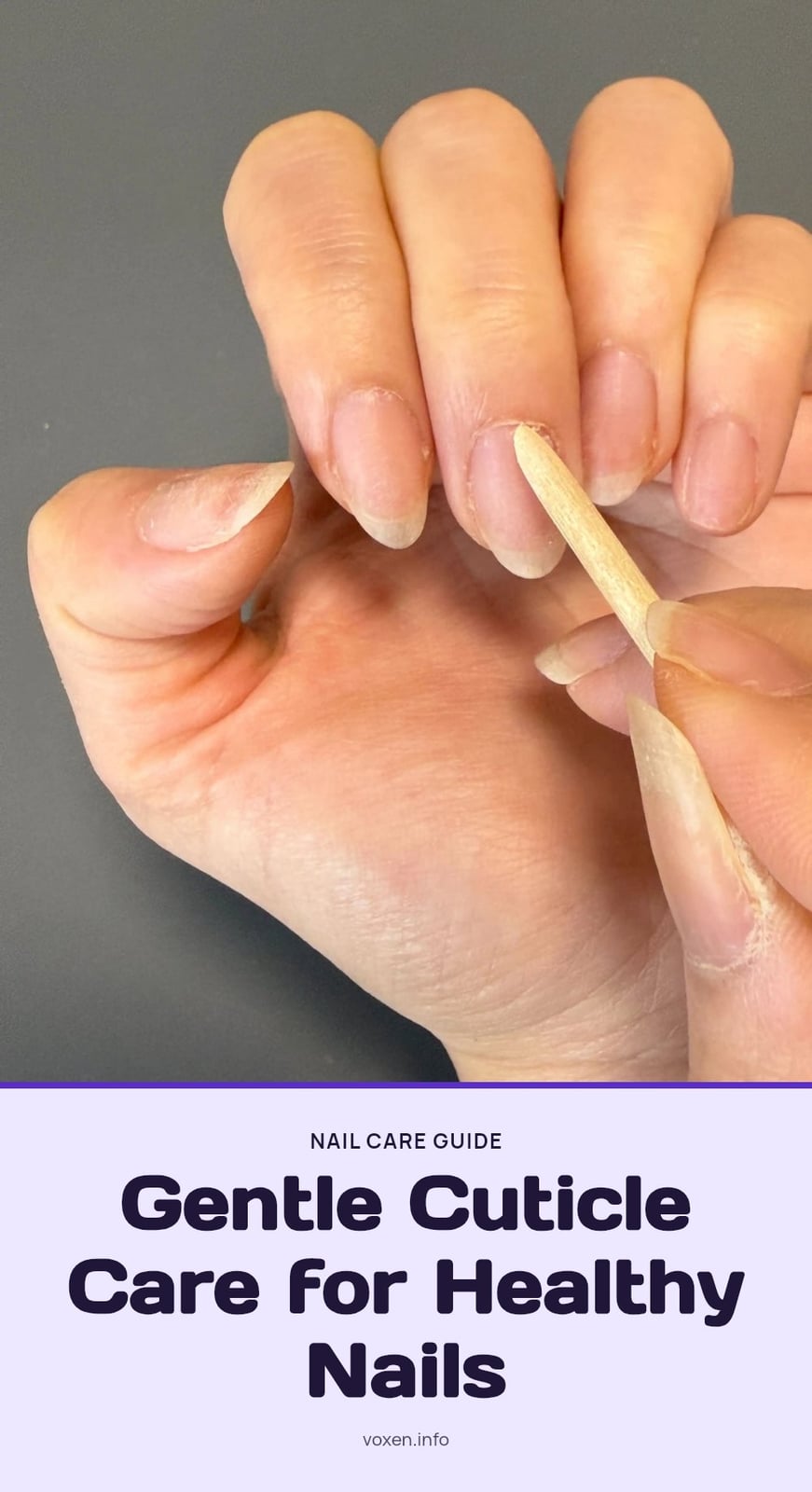
- Use a blunt, soft-tipped tool like an orange wood stick or rubber-tipped pusher.
- Push back cuticles once a week or every two weeks, depending on your growth rate.
Why Proper Cuticle Care is Essential for Nail Health
Your cuticles are a living seal that protects the nail matrix from bacteria and fungi. Cutting them breaks that seal, leaving the nail bed vulnerable to infection. The key to healthy cuticles is simple: keep them hydrated and push them back gently when they are soft. That is all it takes to maintain their protective function and keep your nails looking neat.
Your Essential Cuticle Care Toolkit
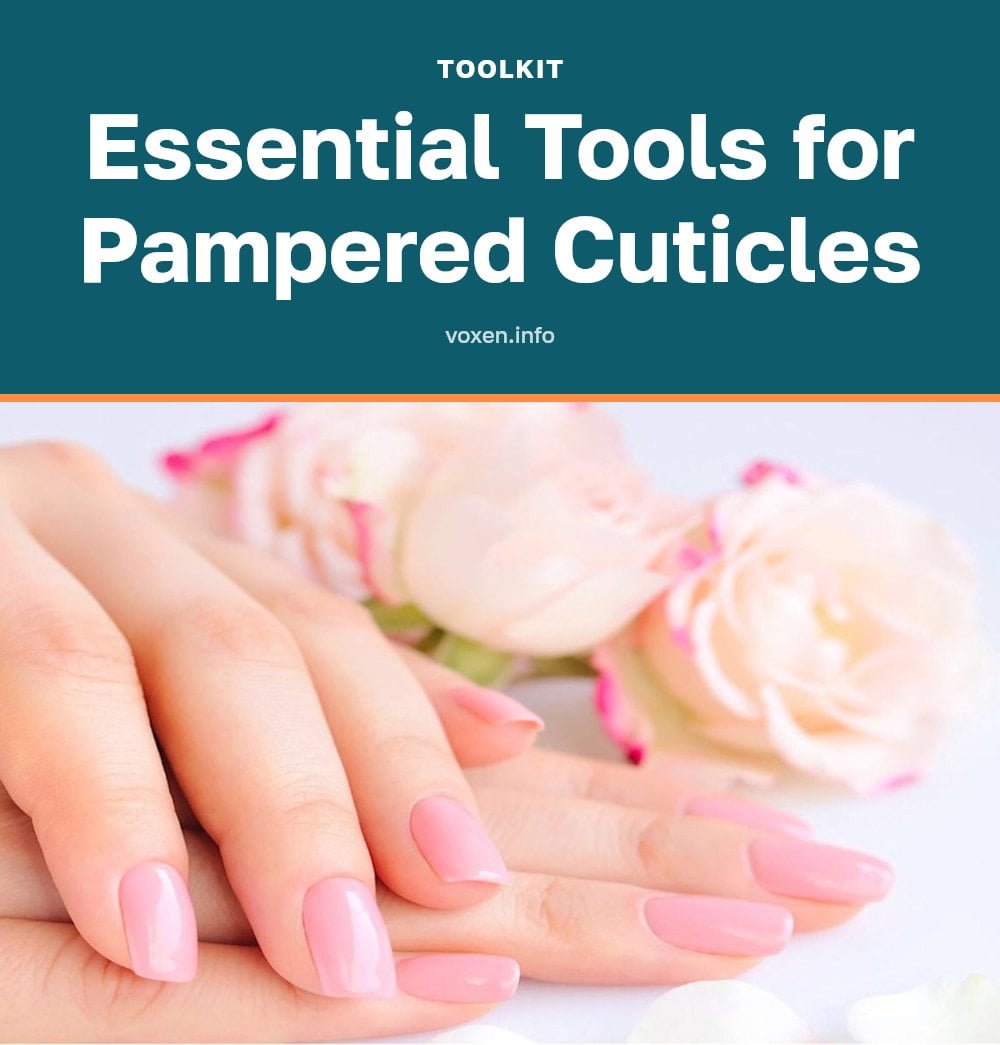
You only need a few items, and none of them are expensive or complicated.
- Cuticle oil: For daily hydration. Massaging it in improves circulation and promotes healthy nail growth.
- Cuticle remover: An alkaline solution that softens dead tissue so you can push it back without force.
- Orange wood stick or rubber pusher: Both are blunt and gentle. Never use a sharp metal tool.
- Soft towel and small bowl: For soaking your hands in warm water before you start.
Step-by-Step: Gently Pushing Back Your Cuticles
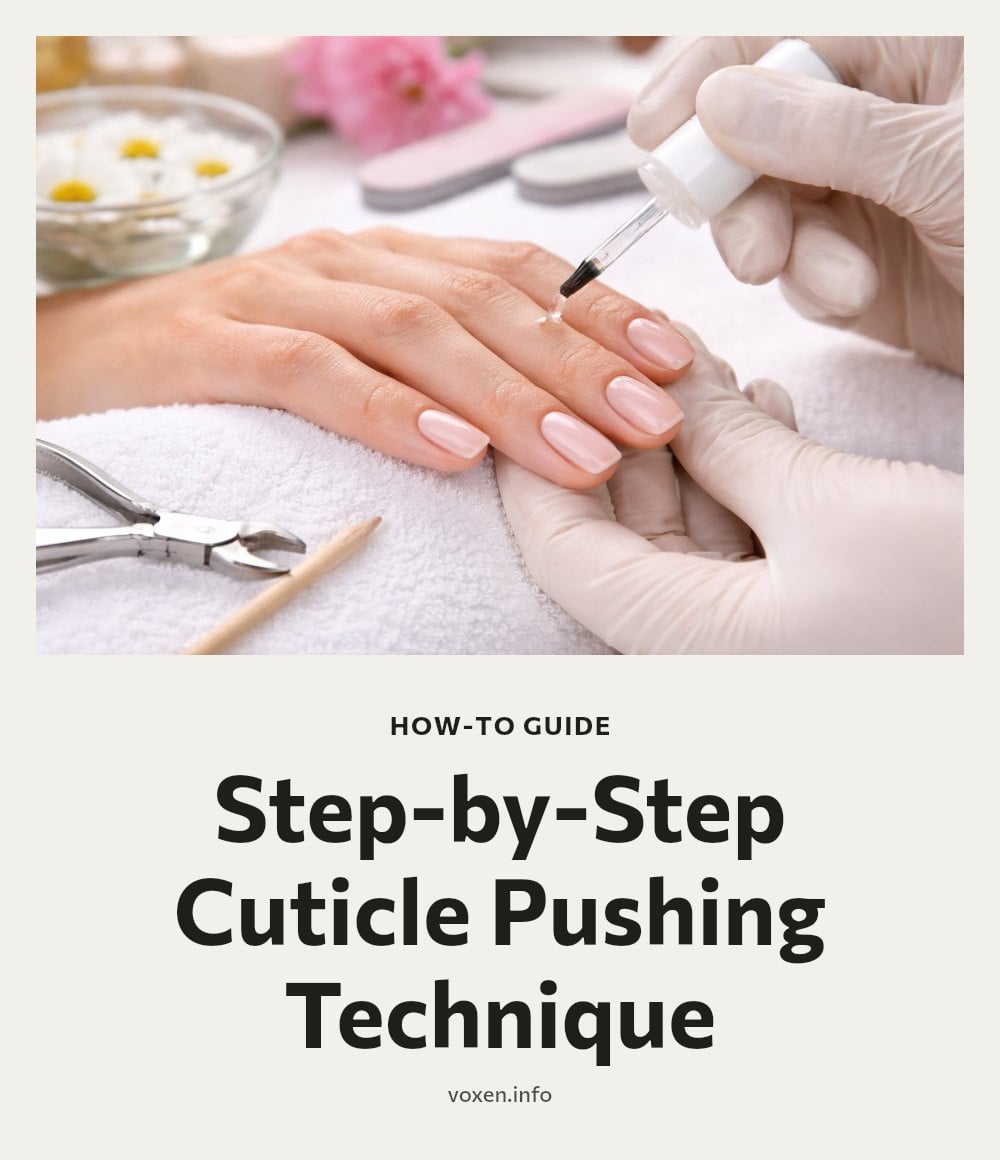
Follow these steps once a week or every two weeks, and your cuticles will stay healthy without any cutting.
- Soak your hands: Submerge your fingertips in warm water for 5 to 10 minutes. My tip: Do this after a shower or bath when your skin is already soft. This step is non-negotiable; pushing dry cuticles causes damage.
- Push back gently: Use the flat end of an orange wood stick or a rubber pusher. Start at the base of the nail and push the cuticle back in a smooth, gentle motion. Never jab or scrape. If you meet resistance, soak more; do not push harder.
- Wipe and moisturize: Use a soft towel to wipe away any loosened tissue and moisture. Then apply cuticle oil or a rich hand cream. Massage it in to keep the area supple and prevent hangnails.
Common Cuticle Care Mistakes to Avoid
Even with good intentions, it is easy to damage your cuticles. Avoid these common mistakes.
- Cutting cuticles: This breaks the protective seal and invites infection. Always push back instead.
- Using excessive force or sharp tools: Aggressive pushing can damage the nail matrix, leading to ridges. Stick to blunt tools and gentle pressure.
- Pushing back dry cuticles: Without softening first, you risk tearing the skin. Always soak or use a remover.
- Ignoring regular moisturizing: Dry cuticles crack and form hangnails. Daily oil or cream keeps them flexible and healthy.
Maintaining Healthy Cuticles Post-Pushback
After pushing back your cuticles, keep them hydrated. Apply cuticle oil or a rich hand cream every day, massaging it into the nail area to boost circulation. Caution: Avoid picking or biting cuticles and hangnails, as this can tear the skin and lead to infection. Wear gloves when cleaning or using harsh chemicals to protect the delicate cuticle seal.
How Often to Care for Your Cuticles
Moisturize your cuticles daily with oil or cream. Gently push them back once a week or every two weeks, depending on how fast they grow. The tools you need, cuticle oil, a remover, and an orange wood stick, are a one-time, low-cost investment that lasts for months.
When to Consult a Professional for Cuticle Concerns
See a doctor if you notice redness, swelling, pain, or pus around your nail, as these are signs of infection. Also consult a professional if persistent dryness or cracking does not improve with regular moisturizing. My tip: If you see unexplained ridges or changes in nail growth, a dermatologist can check for underlying issues.
Frequently Asked Questions
What is the difference between cuticle and eponychium?
The cuticle is the thin layer of dead skin cells that seals the nail plate to the skin. The eponychium is the living tissue at the base of the nail that the cuticle grows from. You should never cut the eponychium, as it can lead to bleeding and infection.
Can I use cuticle remover every day?
No, cuticle remover is an alkaline solution designed to soften dead tissue, and leaving it on too long or using it daily can irritate your skin. Use it only when you plan to push back your cuticles, typically once a week or every two weeks.
How often should I moisturize my cuticles?
Moisturize your cuticles every day with cuticle oil or a rich hand cream. Daily hydration keeps the cuticles flexible, prevents cracks and hangnails, and supports healthy nail growth. Apply it after washing your hands or whenever they feel dry.
Why do my cuticles get so dry and cracked?
Dry and cracked cuticles are often caused by frequent hand washing, cold weather, harsh soaps, or lack of moisture. Picking or biting them can make the problem worse. The solution is to moisturize daily and protect your hands with gloves when cleaning.
Do cuticle removers damage nails?
When used correctly, cuticle removers are safe. They are alkaline solutions that soften dead tissue without damaging the nail plate. However, if left on too long or used too often, they can irritate the surrounding skin. Always follow the product instructions and rinse thoroughly.
Final Thoughts
My recommendation is to stick with the soak-and-push method and skip the cuticle cutting entirely. Keep a bottle of cuticle oil at your desk or by your sink and apply it daily, especially after washing your hands. Realistically, you will see smoother, healthier-looking cuticles within a few weeks of consistent care, and your nails will thank you for it.
This article is for general informational purposes only and does not constitute medical or professional advice. If you have redness, swelling, pain, or pus around your nail, or any persistent skin concerns, please consult a doctor or a licensed dermatologist.

