Do you ever feel like your weekends disappear in a blur of chores and obligations, leaving you more drained than when they started? You are not alone. The pressure to be constantly productive can make true rest feel like a luxury you cannot afford. This article explores what real rest actually looks like, how to identify the kind you need most, and simple, guilt-free ways to weave it into your weekend routine.
Key Takeaways
- Rest includes seven types: physical, mental, emotional, social, sensory, creative, and spiritual.
- Identify your rest needs by noticing which activities or interactions drain your energy.
- Schedule dedicated rest time on your calendar and treat it as non-negotiable.
- Take short micro-breaks throughout the day instead of waiting for one long rest period.
- Spending time in nature can reduce stress and improve mood.
What is Rest, Really?
Rest is more than just sleep. It’s a holistic approach to well-being that addresses seven distinct types of restoration: physical, mental, emotional, social, sensory, creative, and spiritual. Understanding which type you need most helps prevent burnout and improves your overall quality of life. Each type plays a unique role in recharging your energy.
Why Prioritizing Rest Is Crucial for Your Well-being

When you consistently skip rest, your body and mind pay the price. Chronic lack of rest can ramp up stress, anxiety, and irritability while weakening your immune system. You might find yourself snapping at small things or catching every cold that goes around.
Prioritizing rest does the opposite. It helps prevent burnout, sharpens your focus, sparks creativity, and lifts your mood. A short break or a quiet afternoon can leave you more productive than hours of grinding through fatigue.
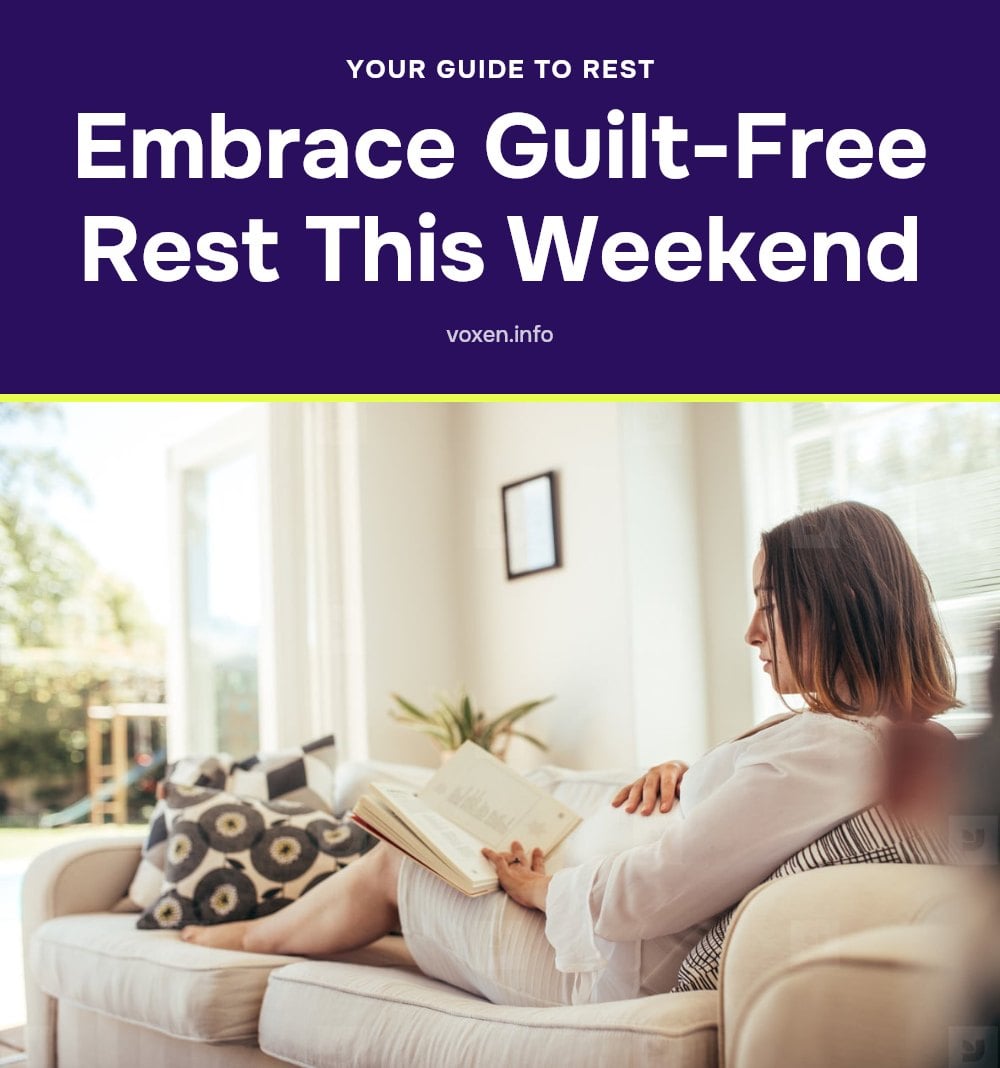
Rest is not a luxury you earn after checking off every task. It is an essential part of staying healthy, just like eating well and moving your body. Giving yourself permission to rest is an act of self-care, not laziness.
How to Identify Your Rest Needs and Integrate Them

To identify your rest needs, start by reflecting on what drains your energy. Notice which activities or interactions leave you feeling depleted. This self-awareness helps you pinpoint the specific type of rest you need most.
- Reflect on your energy: Keep a simple log for a few days. Note moments when you feel drained versus recharged. Look for patterns in your daily life.
- Schedule rest time: Block out dedicated rest periods on your calendar. Treat them as non-negotiable appointments, just like a work meeting or a doctor’s visit.
- Practice saying no: Protect your rest by declining commitments that overextend you. A polite ‘no’ can be a powerful act of self-care.
- Create a sleep sanctuary: Make your bedroom a relaxing environment. Remove screens, reduce clutter, and keep the room cool and dark for better sleep quality.
Seven Types of Rest and How to Get Them
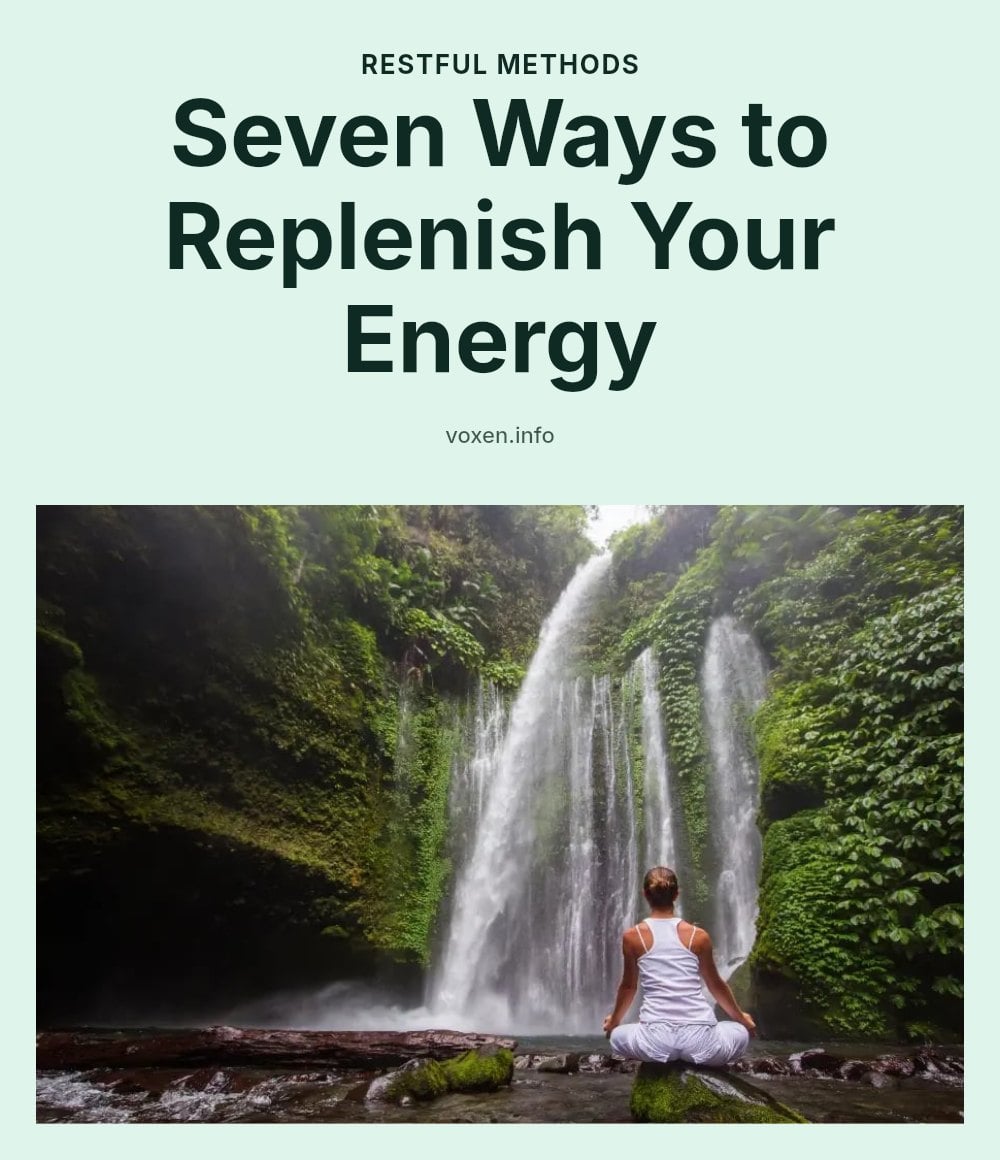
There are seven types of rest, and each requires a different approach. Here’s how to get them.
Physical Rest
Includes both passive forms (sleeping, napping) and active ones (yoga, stretching, massage). My tip: Try a 10-minute stretching session before bed to release physical tension.
Mental Rest
Quiet your mind with meditation, journaling, or short breaks from demanding tasks. Even a five-minute pause can help reset your focus.
Emotional Rest
Give yourself space to express feelings authentically without judgment. Take a break from people-pleasing and allow yourself to be honest about how you feel.
Social Rest
Limit interactions that drain your energy. Seek out connections that are genuinely uplifting and supportive. It’s okay to say no to social events that feel like obligations.
Sensory Rest
Reduce overstimulation from screens, loud noises, and bright lights. Try an hour without your phone or a quiet walk in nature.
Creative Rest
Appreciate beauty without the pressure to produce. Look at art, listen to music, or spend time in nature. Let yourself be inspired without needing to create something.
Spiritual Rest
Connect with something larger than yourself. This can be through prayer, meditation, or simply spending time in nature. It helps you feel a sense of purpose and belonging.
Common Rest Mistakes to Avoid
Mistake: Believing rest is only about sleep. Sleep is one part, but you also need mental, emotional, social, sensory, creative, and spiritual rest to fully recharge.
Mistake: Feeling guilty for resting. Rest is not laziness; it is productive for your well-being. Give yourself permission to pause without apology.
Mistake: Trying to catch up on all rest in one go. True restoration comes from integrating small rest moments regularly, not cramming them into a single weekend.
Mistake: Filling rest time with more obligations. Passive consumption like endless scrolling is not rest. Choose activities that genuinely restore you.
Mistake: Ignoring the different types of rest. Without variety, you address only part of your needs. Reflect on what drains you and match the right type of rest to it.
When to Talk to a Healthcare Professional
If persistent fatigue, sleep disturbances, or feelings of overwhelm significantly impact your daily life, consult a healthcare professional. They can help rule out underlying medical conditions that may be contributing to your lack of rest.
A professional can also offer personalized strategies and support for managing chronic stress or sleep issues. Do not self-diagnose; seek expert guidance for lasting relief.
Frequently Asked Questions
Can I really ‘catch up’ on sleep on the weekends?
While sleeping in on Saturday and Sunday can help reduce a short-term sleep debt, it cannot fully make up for chronic sleep loss during the week. Relying on weekend catch-up can also disrupt your natural sleep-wake cycle. A consistent sleep schedule, even on weekends, is more effective for long-term rest and overall well-being.
How can I stop feeling guilty about resting?
Guilt often comes from the belief that rest is unproductive. Remind yourself that rest is essential for your health, focus, and mood, and that it actually makes you more effective in the long run. Start by scheduling rest as a non-negotiable activity on your calendar, just like any other important commitment. Over time, seeing the positive effects on your energy can help ease the guilt.
What are some quick ways to rest during a busy day?
Even a few minutes can make a difference. Try a short breathing exercise, step outside for a minute of fresh air, or close your eyes and listen to a calming song. A micro-break to stretch or sip tea can reset your focus. The key is to step away from screens and mentally demanding tasks for just a moment.
What is the most important type of rest?
There is no single most important type because everyone’s needs are different. The most important rest for you is the one you are currently lacking. If you feel mentally foggy, you may need mental rest. If you feel drained after social events, social rest might be your priority. Reflect on what leaves you feeling depleted to find your answer.
Final Thoughts
Start small by picking one type of rest you have been neglecting and adding a simple practice this weekend. Maybe that is a ten-minute stretch before bed for physical rest or a walk in the park for creative rest. The benefits of prioritizing rest can be felt immediately with even small changes, and they grow over time with consistent effort. Give yourself permission to slow down, and see how much more you have to give when you do.
This article is for general informational purposes only and does not constitute medical or professional advice. If you experience persistent fatigue, sleep disturbances, or feelings of overwhelm that interfere with your daily life, please consult a healthcare professional for personalized guidance.

