Starting retinol can feel like a high-stakes gamble for your skin. You’ve heard it smooths wrinkles and evens tone, but the first few weeks often bring redness and peeling instead. The good news is that most of those issues come from a few common mistakes, not the ingredient itself. This article covers the biggest missteps beginners make and how to sidestep them so you can actually enjoy retinol’s benefits.
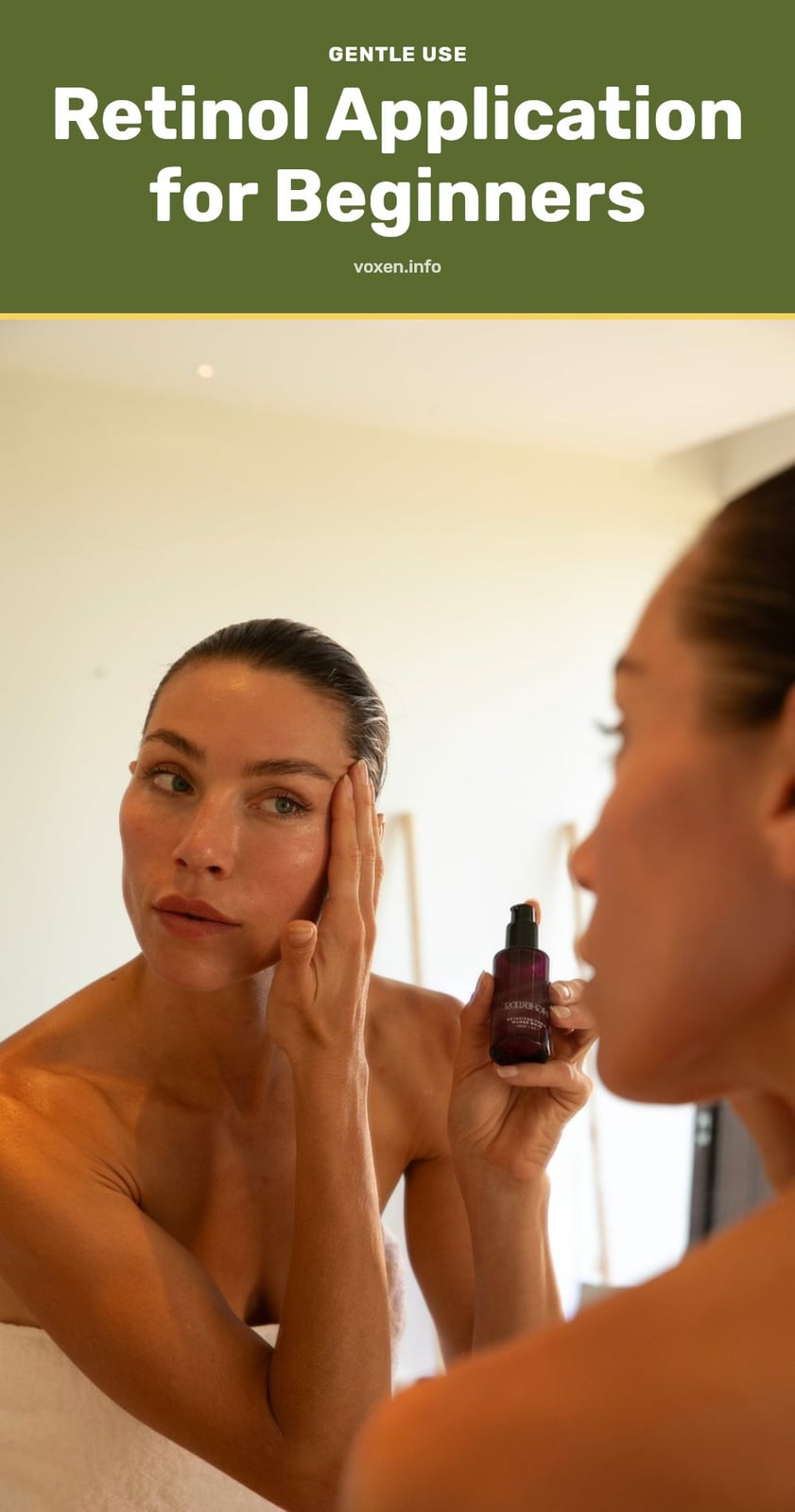
Key Takeaways
- Start with a low concentration (0.25% or 0.3%) and apply only 1-2 times per week.
- Always apply retinol to completely dry skin, waiting 20-30 minutes after cleansing.
- Use the sandwich method: moisturizer, retinol, moisturizer to buffer irritation.
- Wear broad-spectrum sunscreen with SPF 30 or higher every morning without exception.
- Be patient: visible improvements in texture and tone take 2-3 months of consistent use.
Why Retinol Can Be Tricky for Beginners
Retinol is a vitamin A derivative that speeds up cell turnover and boosts collagen production, which is why it’s so effective for reducing fine lines and improving texture. The catch is that this same power can cause temporary side effects like redness, dryness, and peeling, a period known as ‘retinization.’ Many beginners run into trouble by using too much, applying it too often, or picking the wrong formula, which leads to discomfort and often quitting before seeing any benefit.
Your Essential Retinol Skincare Toolkit
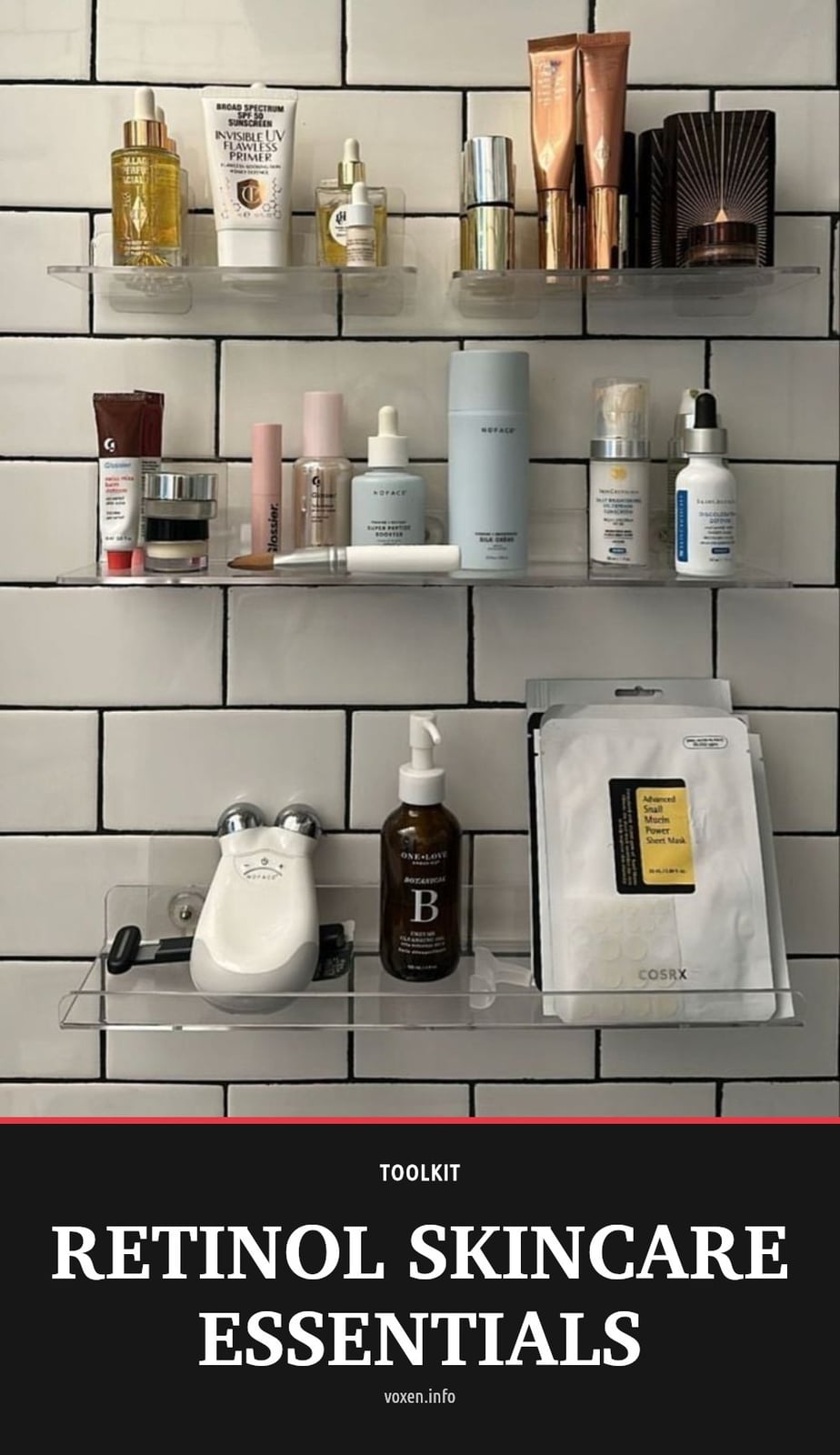
Before you start, gather the right products to support your skin through the adjustment phase.
- Retinol serum or cream: Start with a low concentration (0.25% or 0.3%) and pick a formula that matches your skin type.
- Gentle cleanser: A non-stripping cleanser helps maintain your skin’s barrier.
- Hydrating moisturizer: Look for ingredients like hyaluronic acid, ceramides, or glycerin to soothe and hydrate.
- Broad-spectrum sunscreen (SPF 30+): Non-negotiable for daily use, even indoors or on cloudy days, because retinol increases sun sensitivity.
Step-by-Step: How to Properly Introduce Retinol

Introducing retinol the right way makes all the difference. Follow these steps to minimize irritation and build tolerance.
- Cleanse and dry your skin: Apply retinol only to completely dry skin. Wait 20-30 minutes after washing to let your face fully air dry, damp skin absorbs retinol too quickly and increases irritation.
- Apply a pea-sized amount: That’s enough for your entire face. Dot it on your forehead, cheeks, chin, and neck, then spread evenly. Avoid the eye area, nostrils, and mouth.
- Start with low frequency: Use retinol 1-2 times per week for the first few weeks. If your skin tolerates it well, increase to every other night, then gradually to nightly.
- Use the ‘sandwich method’ if sensitive: Apply a layer of moisturizer, then retinol, then another layer of moisturizer. This buffers the retinol and reduces irritation for beginners.
- Follow with a hydrating moisturizer: Always seal in moisture after retinol application to support your skin barrier.
- Prioritize daily sunscreen: Apply a broad-spectrum SPF 30+ every morning, rain or shine. Retinol makes your skin more vulnerable to UV damage, and skipping sunscreen can undo your progress.
Common Retinol Mistakes and How to Fix Them
Even with good intentions, it’s easy to slip up. Here are the most common missteps and how to correct them.
- Using too much product: A pea-sized amount is enough for the whole face. More doesn’t mean faster results. It just invites irritation.
- Applying too frequently from the start: Build up gradually. Start 1-2 times a week and increase only when your skin feels comfortable.
- Skipping sunscreen: Retinol increases sun sensitivity, so daily SPF 30+ is non-negotiable, even indoors.
- Applying to damp skin: This can over-penetrate and cause redness. Always apply to dry skin.
- Combining with other strong actives: Avoid AHAs, BHAs, or vitamin C in the same routine, especially at first. Use them on alternate nights.
- Giving up too soon: Retinization is temporary. Stick with it for 4-6 weeks, consistency is what delivers results.
Pro Tips for a Smooth Retinol Journey

Be patient and consistent: Visible improvements take time. You may notice better texture and tone after 2-3 months, but anti-aging results like reduced fine lines often require 6-12 months of regular use.
Listen to your skin: If irritation persists or feels severe, reduce frequency or take a break. Pushing through can set you back.
Hydrate, hydrate, hydrate: Support your skin barrier with a rich moisturizer containing ceramides or glycerin. Apply it both before and after retinol if needed.
Store your retinol properly: Keep it in a cool, dark place. Sunlight and heat can degrade the active ingredient, making it less effective.
My tip: If your skin feels dry or tight on retinol nights, add an extra layer of moisturizer before bed. This helps maintain comfort without interrupting your routine.
What to Expect: Retinol Timeline and Results
Adjustment period: Your skin typically takes 4-6 weeks to adapt. During this time, you may experience dryness or mild peeling as part of the retinization process.
Initial improvements: Visible changes in skin texture and tone often appear after 2-3 months of consistent use. You may notice a smoother, more even complexion.
Significant anti-aging results: More profound reductions in fine lines and wrinkles can be seen after 6-12 months of regular application.
Frequency: Start with 1-2 times per week, then gradually increase to every other night, then potentially nightly as tolerated. That progression may take months.
Cost: Retinol products range from affordable drugstore options to high-end formulas. Prices vary widely based on concentration and brand, so you can find something in your budget.
When to Consult a Dermatologist
Severe or persistent irritation: If you experience burning, itching, swelling, or redness that doesn’t subside after reducing frequency, stop use and consult a dermatologist.
Pre-existing skin conditions: If you have eczema, rosacea, or another chronic skin condition, talk to a professional before starting retinol. They can help determine if it’s safe for you.
Pregnancy or breastfeeding: Retinol is contraindicated during these periods. A dermatologist can recommend safe alternatives.
Lack of results: If you’ve used retinol consistently for several months and see no improvement, a dermatologist can assess your routine and suggest adjustments or stronger options.
Frequently Asked Questions
How long does it take for retinol to work?
Your skin usually takes about 4-6 weeks to adjust to retinol. Visible improvements in skin texture and tone often appear after 2-3 months of consistent use. More significant anti-aging results, like reduced fine lines, can take 6-12 months. Consistency matters more than frequency.
Can I use retinol every night?
Not right away. Beginners should start with 1-2 applications per week and gradually increase frequency as their skin builds tolerance. Jumping straight to nightly use often leads to redness, peeling, and irritation. After several weeks of consistent use, some people can work up to every other night or nightly.
What percentage of retinol should a beginner use?
Start with a low concentration, such as 0.25% or 0.3%. Higher percentages are more likely to cause irritation without providing faster results for new users. Once your skin adjusts after several weeks, you can consider moving up to a slightly stronger formula if desired.
Can I use retinol with Vitamin C?
It’s best to avoid combining retinol with other strong active ingredients like vitamin C, AHAs, or BHAs in the same routine, especially when you’re just starting. Using them together can over-exfoliate and irritate your skin. Instead, use vitamin C in the morning and retinol at night on separate days.
What happens if I stop using retinol?
If you stop using retinol, your skin will gradually return to its previous cell turnover rate and collagen production levels. The anti-aging benefits you gained will slowly fade over several months. Consistency is key to maintaining results, so if you take a break, you may need to restart the adjustment process.
Final Thoughts
My tip: stick with a low concentration and the sandwich method for the first month, even if your skin seems fine. It’s tempting to speed things up, but slow and steady really does win here. Expect your skin to adjust over 4-6 weeks, with real results showing around the 2-3 month mark. Give retinol the time and gentle routine it needs, and it will reward you.
This article is for informational purposes only and does not constitute medical advice. Retinol affects everyone differently, and individual results may vary. If you experience severe or persistent irritation, have a pre-existing skin condition, or are pregnant or breastfeeding, consult a dermatologist or healthcare professional before use.

