If you’ve been scrolling through hair care forums and social media, you’ve probably seen rice water pop up as a natural remedy for stronger, shinier hair. It’s a traditional beauty secret with roots in East Asia, and it’s easy to make at home with just rice and water. But you might be wondering whether to boil or ferment it, and how to use it without making your hair worse.
This article breaks down the difference between boiled and fermented rice water, walks you through the preparation steps, and shares the do’s and don’ts so you can get the best results safely.
Key Takeaways
- Fermented rice water has a lower pH, closer to your hair’s natural 4.5-5.5, which helps smooth the cuticle.
- Dilute fermented rice water with plain water before applying to avoid it being too acidic.
- Always do a patch test on a small section of skin or hair before full application.
- Rinse rice water out thoroughly until the water runs clear to prevent residue buildup.
- Use rice water 1-2 times per week and expect results in several weeks to months.
Should You Use Fermented or Boiled Rice Water for Your Hair?
Fermented rice water is generally the preferred choice because its lower pH is closer to that of your hair, which helps smooth the cuticle and boost shine. It also packs a higher concentration of beneficial antioxidants. Boiled rice water is simpler to make and still offers strengthening and shine benefits, making it a great starting point if you are new to this treatment. The right method for you depends on your hair’s specific needs and how it reacts to each version.
How Rice Water Works Its Magic on Your Hair
What Makes Rice Water Work
Rice water has been used for centuries in East Asia, from China’s Huangluo Village to Japan’s Heian period, for its hair benefits. It contains amino acids, B vitamins, vitamin E, minerals, and antioxidants that nourish strands. A key component is inositol, a carbohydrate believed to repair damaged hair and protect it from future damage.
The starch in rice water may strengthen hair and improve elasticity, while the lower pH of fermented rice water helps flatten the hair cuticle. This results in smoother, shinier hair with less frizz. The combination of these elements makes rice water a multi-faceted treatment for overall hair health.
Gather Your Supplies for Making Rice Water
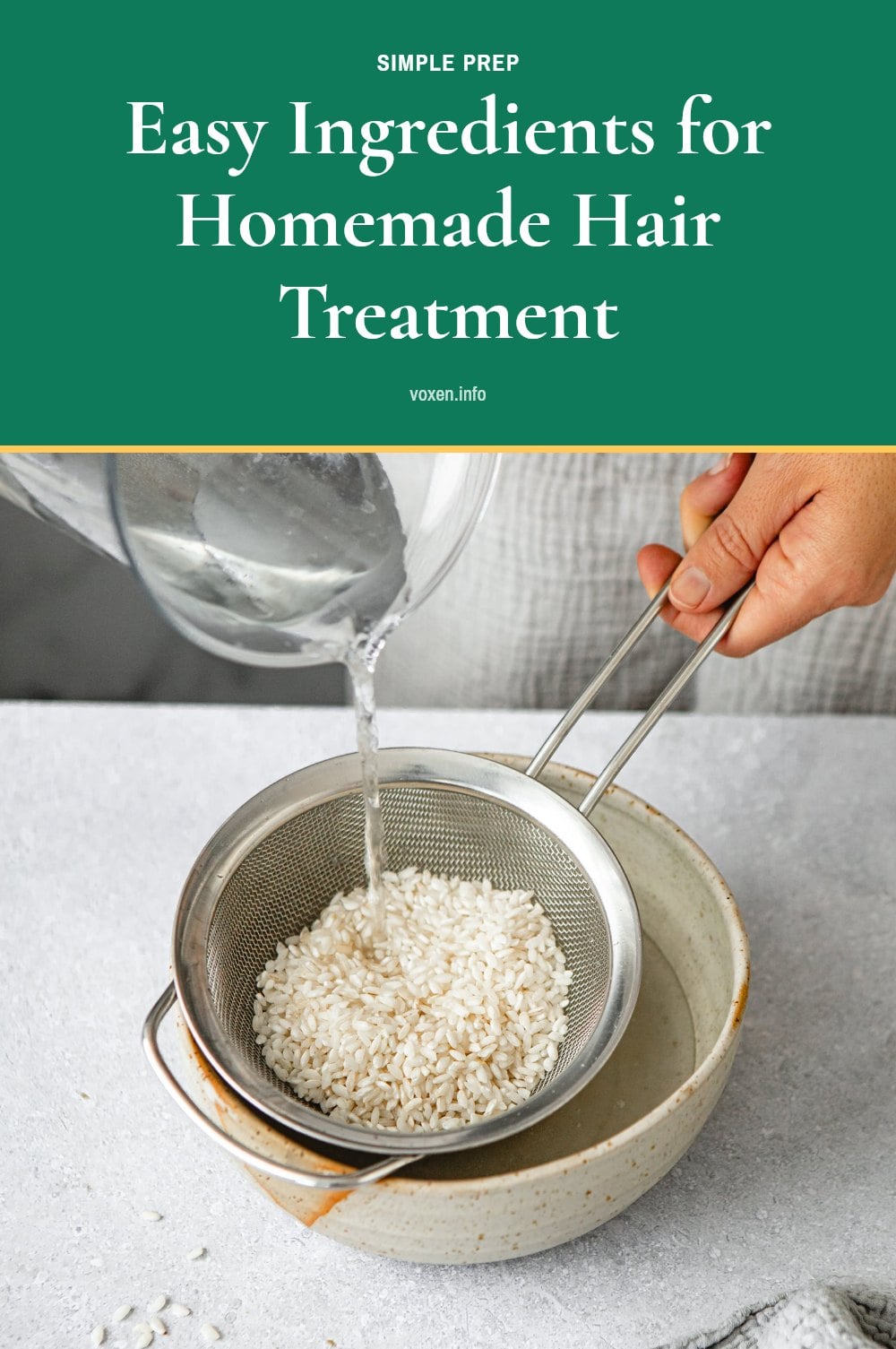
You need just a few simple items to make rice water at home. Gather these before you start:
- Uncooked rice: White or brown rice both work.
- Water: For soaking and boiling.
- Strainer or fine-mesh sieve: To separate the liquid from the rice.
- Mixing bowl: For preparing the rice water.
- Spray bottle or applicator bottle: Makes application to your scalp and strands easy.
- Airtight container: For storing prepared rice water in the refrigerator.
Two Ways to Prepare Rice Water: Boiled and Fermented
Boiled Rice Water
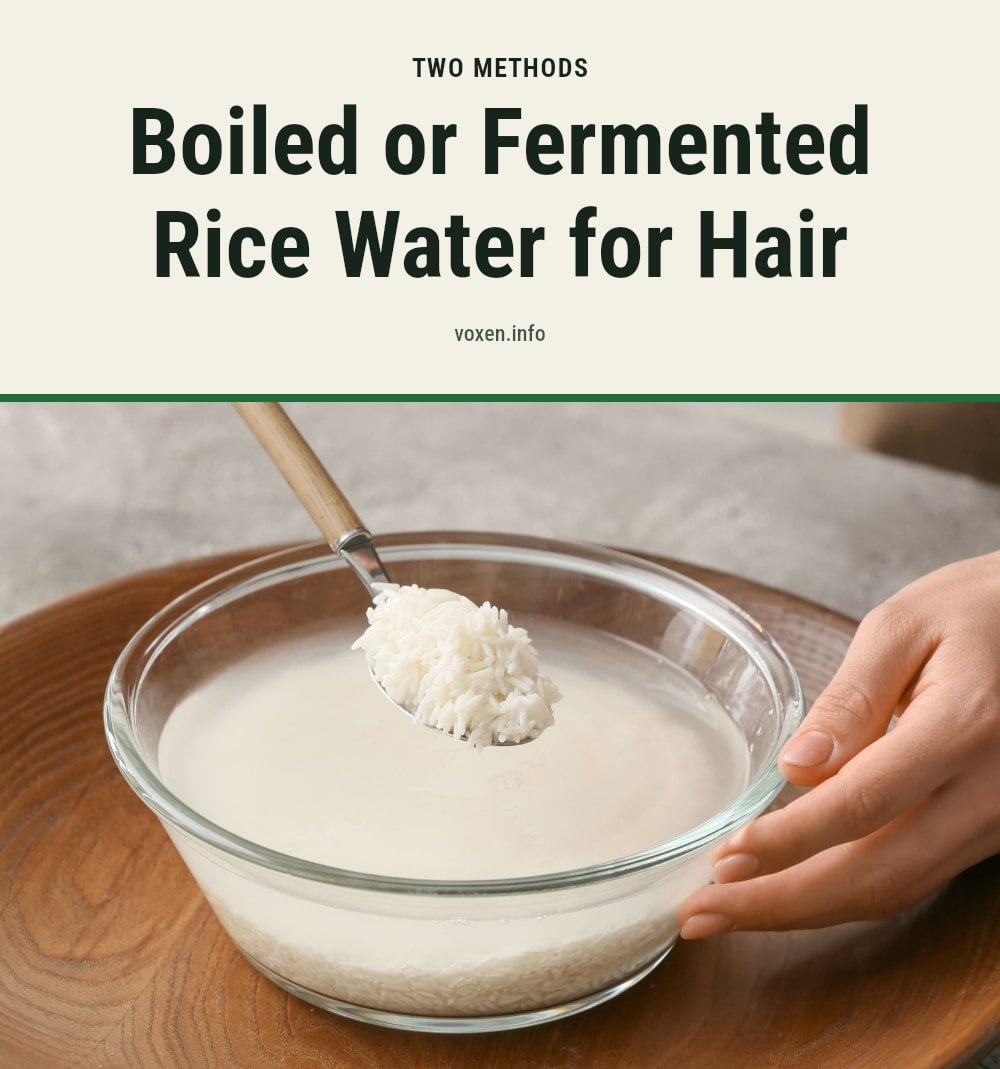
Cook 1 cup of rice with 2 cups of water until tender, then strain the liquid through a fine-mesh sieve. Let it cool completely before using. This method gives you a mild, starch-rich rinse that strengthens hair without much acidity. It is a good starting point if you are new to rice water.
Fermented Rice Water
Soak 1 cup of uncooked rice in 2 cups of water for 12 to 24 hours at room temperature. Stir once or twice during that time. After soaking, strain the liquid into a bowl. The longer it sits, the more it ferments, which lowers the pH and increases antioxidants. The smell will be stronger, but that is normal.
Tip: Dilute fermented rice water with an equal part of plain water before applying. Full-strength can be too acidic for some hair types and may cause stiffness or irritation.
Both methods offer benefits. Boiled is faster and gentler for beginners. Fermented gives a lower pH that smooths the cuticle for extra shine. Start with boiled water to see how your hair reacts, then try fermented if you want more results.
How to Use Rice Water on Your Hair for Best Results

Patch test first: Before applying rice water to your whole head, test it on a small section of skin or a hidden strand of hair. Wait 24 hours to check for irritation or an allergic reaction. If you notice redness, itching, or dryness, skip the treatment entirely.
- Start with clean hair: Shampoo and condition your hair as usual, then towel-dry so it is damp but not dripping. This removes buildup so the rice water can actually reach the hair shaft.
- Apply the rice water: Pour the rice water into a spray bottle or applicator bottle. Section your hair and spray or pour the liquid directly onto your scalp and along each strand. Massage it gently into your scalp with your fingertips for 1-2 minutes to stimulate circulation.
- Let it sit: Leave the rice water on your hair for 5 to 20 minutes. If your hair is fine or protein-sensitive, stick to the shorter end of that range. This timeframe is generally safe for most hair types.
- Rinse thoroughly: Rinse your hair with plain, cool water until the water runs completely clear. Any leftover starch can cause buildup and make hair feel stiff or look dull.
- Store leftovers: Keep any unused rice water in an airtight container in the refrigerator for up to one week. Discard it if it develops a foul or overly strong odor, as that means it has spoiled.
Common Rice Water Mistakes and How to Avoid Them
Even a good routine can go wrong if you overlook these common mistakes.
- Not rinsing thoroughly: Starch residue left in your hair can weigh it down and make it look dull. Rinse until the water runs completely clear.
- Using it too often: Rice water is rich in protein. Applying it more than 1-2 times per week can cause protein overload, leaving hair stiff, brittle, or gummy. If you notice that, cut back to once every two weeks.
- Skipping dilution for fermented rice water: Fermented rice water has a lower pH, but it can be too acidic if used straight. Dilute it with an equal part of plain water before applying.
- Expecting overnight results: Rice water is not a quick fix. Visible changes in strength, shine, or growth take consistent use over several weeks to months.
- Using spoiled rice water: Fermented rice water has a strong, sour smell when fresh. If the odor becomes foul, rancid, or off-putting, throw it out. Spoiled rice water can introduce bacteria to your scalp.
What to Expect: Timeline and Cost of Rice Water Treatment
Rice water is one of the most affordable hair treatments you can make at home. You only need rice and water, both of which cost pennies per use.
Timeline: With consistent use 1-2 times per week, most people start noticing shinier, smoother hair after about 4 weeks. Changes in strength or growth may take a few months.
Storage: Keep prepared rice water in an airtight container in the refrigerator. It stays fresh for up to one week. If it smells off or develops mold, discard it and make a new batch.
Frequently Asked Questions
How often should I use rice water on my hair?
Most people can use rice water 1 to 2 times per week. Using it more often can lead to protein overload, especially if your hair is sensitive to protein. If you notice stiffness or brittleness, reduce the frequency or take a break. Consistency over time matters more than frequency.
Can rice water cause hair loss?
Rice water itself is not known to cause hair loss. However, if you leave it on too long or use it too often, it may cause protein overload, making hair stiff and brittle, which can lead to breakage. If you experience scalp irritation or unusual shedding, stop use and consult a dermatologist.
Does rice water work for all hair types?
Rice water can benefit most hair types, but results vary. People with high-porosity or protein-sensitive hair may need to dilute it more or use it less often to avoid stiffness. Those with oily scalps might prefer the lighter boiled version. Patch testing and adjusting the routine to your hair’s response is key.
How long does it take to see results from rice water?
With consistent use 1-2 times per week, you may notice shinier, smoother hair after about 4 weeks. More significant changes, like improved strength or growth, can take several months. Don’t expect dramatic overnight results; rice water works gradually as part of a regular routine.
Final Thoughts
For most people, fermented rice water is the better pick because its pH is closer to your hair’s natural level, which helps smooth the cuticle and boost shine. But if you’re short on time or want a gentler start, boiled rice water is a solid option that still offers benefits. My tip: try both and see which your hair responds to best.
Remember, consistency matters more than perfection. Use rice water once or twice a week, always rinse thoroughly, and give it a few weeks to a couple of months before judging the results. If your hair feels stiff or your scalp reacts, cut back or stop using it.
This article is for general informational purposes only and is not a substitute for professional medical or dermatological advice. If you have a persistent scalp condition, allergic reaction, or any concern about your hair health, please consult a qualified healthcare provider or dermatologist.

