You might have heard about rice water as a natural toner that can soothe and brighten your skin. It’s a simple, gentle alternative to commercial products, packed with vitamins and minerals. This article covers how to make your own rice water toner at home, how to use it, and what to expect from this traditional beauty practice.
Key Takeaways
- Rice water contains vitamins B, C, E, minerals, and amino acids that may soothe and brighten skin.
- Use a 1:2 ratio of rinsed organic white rice to clean water for the soaking method.
- Store prepared rice water in an airtight container in the refrigerator for up to 5 days.
- Always perform a patch test before applying rice water to your entire face.
- Consistent use over several weeks may show results, but don’t expect dramatic changes overnight.
Why Rice Water is a Great Natural Toner for Your Skin
Rice water is packed with vitamins B, C, E, minerals, and amino acids. It can help soothe and potentially brighten skin, making it a gentle alternative to commercial toners. The inositol in rice water is believed to promote cell growth and slow aging. This traditional beauty staple is a refreshing, natural way to support your skin’s health.
Basic Rice Water Toner Recipe: Soaking Method
Ingredients:
- 1/2 cup organic white rice (to avoid pesticides)
- 1 cup clean water (1:2 water to rice ratio)
Instructions:
- Rinse the rice thoroughly until the water runs clear.
- Place the rinsed rice in a bowl and add the water.
- Let it soak for at least 30 minutes, then strain the water into a clean container.
How to Make and Apply Your Rice Water Toner
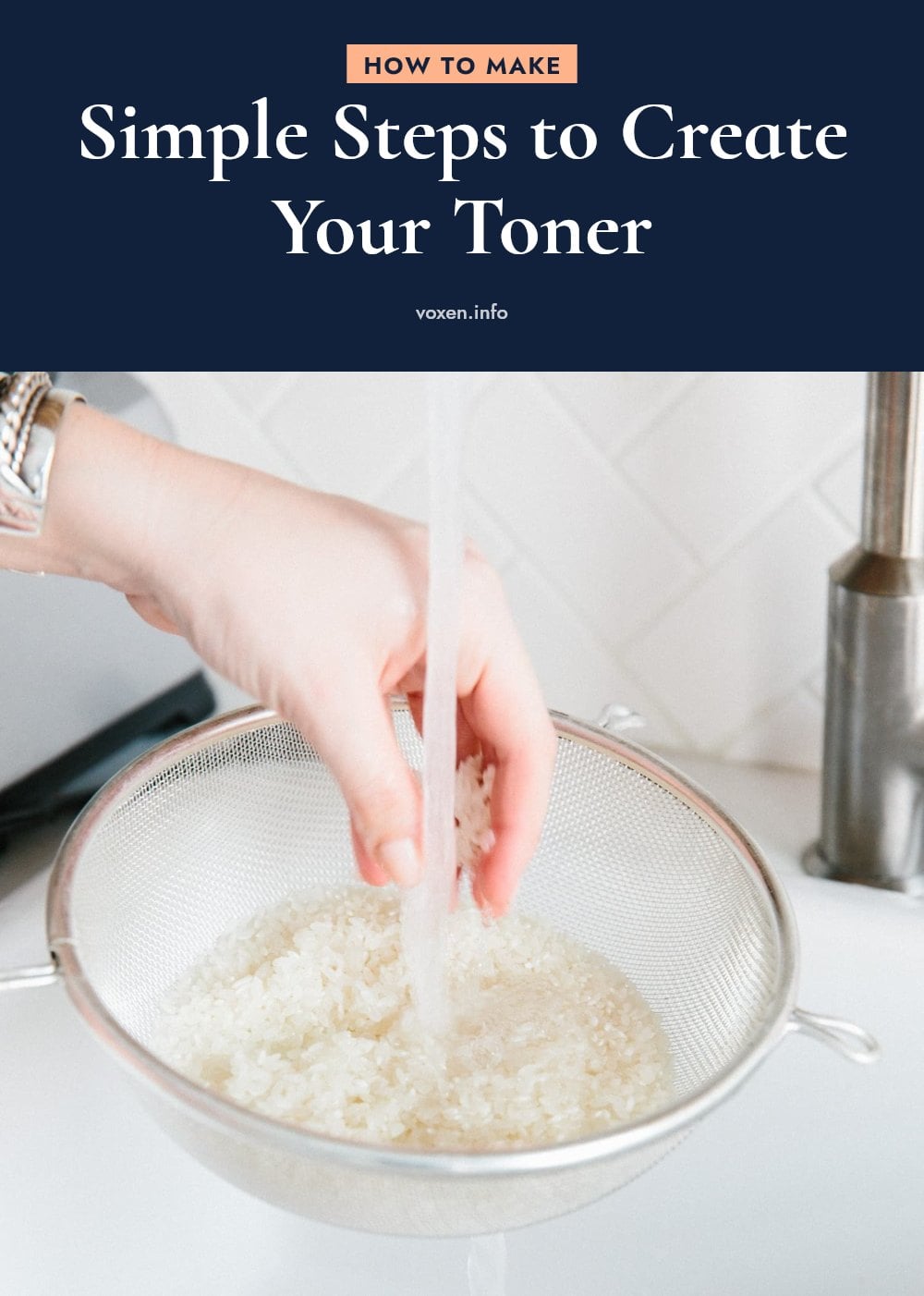
- Rinse your rice: Measure out your rice and rinse it under cool water until the water runs clear. This removes surface impurities and excess starch.
- Soak the rice: Place the rinsed rice in a bowl and cover it with clean water. Use a 1:4 ratio of rice to water (for example, 1/4 cup rice to 1 cup water). Let it sit for at least 30 minutes.
- Strain the water: Pour the rice water through a fine-mesh strainer into a clean bowl or jar. Discard the rice (or cook it as usual).
- Patch test first: Before applying to your whole face, dab a small amount of rice water on your inner arm or behind your ear. Wait 24 hours to check for any reaction.
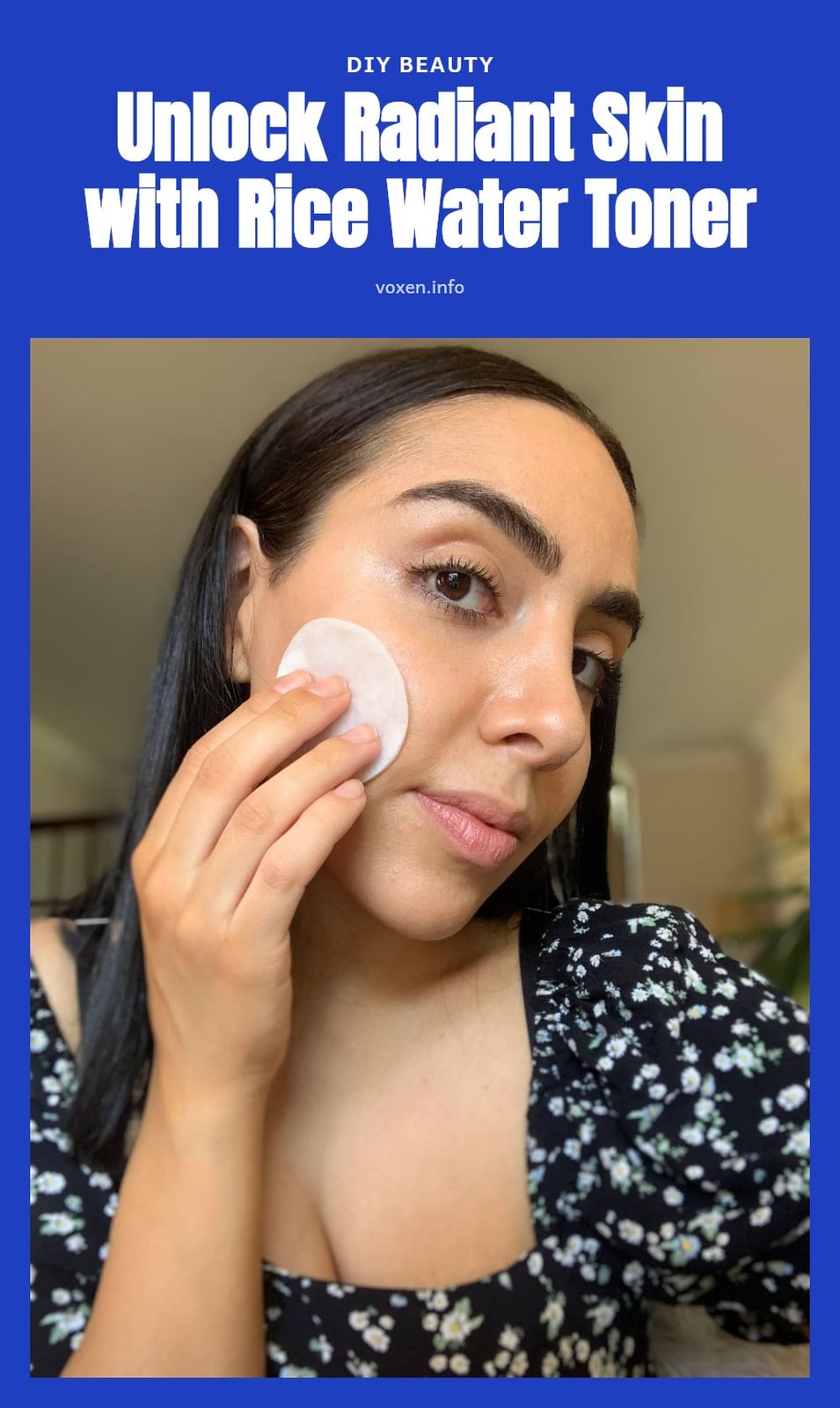
- Apply to clean skin: After cleansing, soak a cotton pad in the rice water and gently swipe it over your face, or pour it into a clean spray bottle and mist your skin. Follow with your usual serum and moisturizer.
Best Tips for Using Rice Water on Your Face
Store in the fridge: Always keep your rice water in an airtight container in the refrigerator to prevent bacterial growth.
Check for spoilage: Discard the rice water if it develops an unpleasant odor, looks cloudy, or shows any mold. It typically lasts 3-5 days.
Stay consistent: Natural remedies take time. Use rice water daily or a few times a week for several weeks to see potential results.
Keep it clean: Use a clean spray bottle or fresh cotton pad each time to avoid introducing bacteria to your toner.
Trying Different Rice Water Methods: Boiled vs. Fermented

Trying Different Rice Water Methods: Boiled vs. Fermented
The boiling method gives you a more concentrated, starchy rice water. To make it, cook 1/2 cup of rinsed rice in 1 cup of water, then strain the excess liquid once the rice is tender. This version is thicker and works well for a quick toner or mask base.
Fermented rice water has a lower pH, closer to your skin’s natural level, and potentially higher antioxidant levels. To ferment, soak rinsed rice in water for 30 minutes, then strain the water into a jar. Let it sit at room temperature for 12-24 hours until it smells slightly sour. Caution: If you have sensitive skin, always dilute fermented rice water with equal parts plain water before applying to avoid irritation.
Storing Your Rice Water and How Long It Lasts

Storing Your Rice Water and How Long It Lasts
Pour all prepared rice water into an airtight container and refrigerate it immediately after making. Do not leave it at room temperature for more than a few hours, as bacteria can grow quickly. Rice water stays fresh in the fridge for 3-5 days. Discard it sooner if you notice an unpleasant odor, cloudiness, or any mold on the surface. Tip: Label the container with the date so you know when to toss it.
Common Rice Water Mistakes to Avoid
Common Rice Water Mistakes to Avoid
- Not rinsing rice thoroughly: Skipping this step can introduce dirt and pesticides to your skin. Rinse until the water runs clear.
- Storing rice water for too long: Using it past 5 days risks bacterial growth and spoilage. Stick to the fridge timeline.
- Using fermented rice water undiluted: The lower pH can irritate sensitive skin. Always dilute it with water first.
- Expecting instant results: Natural remedies need consistent use over several weeks to show any effect. Patience is key.
- Skipping the patch test: Apply a small amount to your inner arm before using it on your face, especially if you have sensitive skin.
When to Consult a Dermatologist About Your Skin Concerns
When to Consult a Dermatologist About Your Skin Concerns
If you notice persistent redness, itching, or irritation after using rice water, stop using it and see a dermatologist. If your skin condition worsens, for example, acne, eczema, or rosacea flares up, rice water is not a substitute for medical treatment. Always seek professional advice for underlying skin issues that don’t improve with gentle care.
Frequently Asked Questions
Can I use rice water every day?
Yes, you can use rice water daily or a few times a week as a toner. If you have sensitive skin, start with every other day to see how your skin reacts. Fermented rice water should be diluted and used less frequently to avoid irritation.
How long does it take for rice water to work on skin?
If you see any results, they typically appear after consistent use over several weeks. Rice water is not a quick fix, so stick with it as part of your regular routine. Individual results vary based on your skin type and concerns.
Is fermented rice water better for skin?
Fermented rice water is thought to have higher antioxidant levels and a lower pH, which is closer to your skin’s natural pH. However, it can be more potent and may cause irritation if not diluted. Start with the basic soaking method before trying fermentation.
Does rice water help with acne?
Some users report that rice water helps soothe irritated skin, but it is not a treatment for acne. If you have persistent acne or your condition worsens, consult a dermatologist. Rice water should not replace prescribed treatments.
What type of rice is best for rice water?
Organic white rice, such as jasmine, basmati, or short-grain, is recommended to minimize pesticide exposure. Rinse the rice thoroughly until the water runs clear before soaking. Brown rice can also be used, but it may produce a different consistency.
Final Thoughts
For a simple start, try the soaking method with organic white rice and use it as a toner after cleansing. Results, if any, typically appear after consistent use over several weeks, so patience is key. Rice water is a gentle, refreshing addition to your skincare routine, not a miracle cure.
This article is for general informational purposes only and does not constitute medical or professional advice. Results from using rice water on your skin may vary. If you have a persistent skin condition or experience irritation, consult a dermatologist or healthcare professional.

