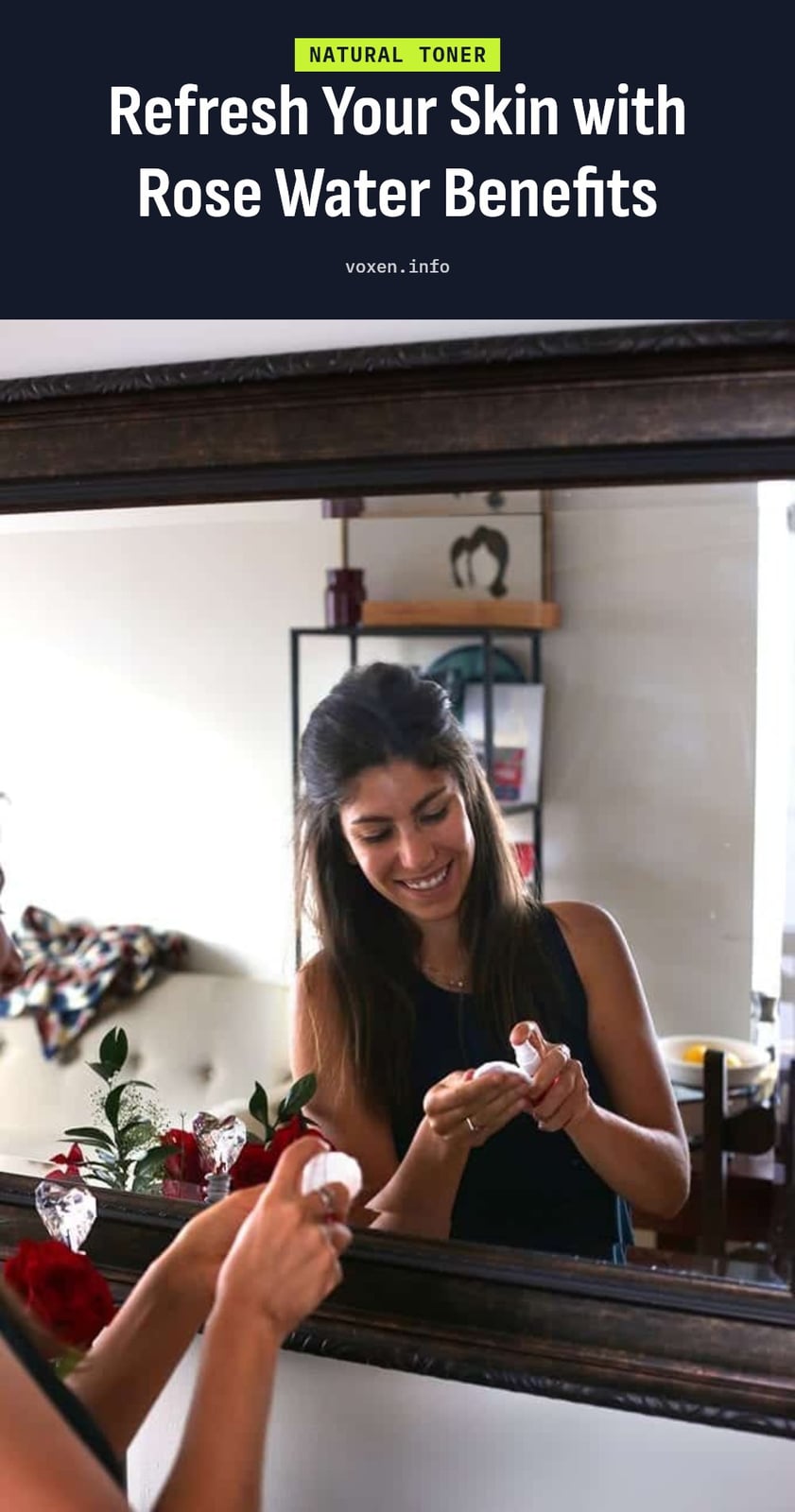
Rose water is a simple, fragrant liquid made by steaming rose petals, and it has been a beauty secret for centuries. If you are curious about how to use it for your face, hair, or just to relax, this article covers the basics, benefits, and common mistakes to avoid. You will learn what pure rose water can do and how to add it to your daily routine safely.
Key Takeaways
- Use pure rose water with only rose distillate and water for best results.
- Apply it as a toner after cleansing, then follow with serums or moisturizers.
- Mist rose water over your face during the day for a refreshing boost.
- Store rose water in the refrigerator for a cooling, soothing effect.
- Perform a patch test before using rose water widely, especially if you have sensitive skin.
What Exactly Is Rose Water?
Rose water is a fragrant liquid created by steam-distilling rose petals, primarily from Damask or Cabbage roses. It’s been a beauty staple for centuries, valued for its soothing properties and distinctive floral scent. Pure rose water contains only rose distillate and water, making it a natural choice for skin and hair.
The Ancient Roots and Modern Appeal of Rose Water

Rose water has roots that go back thousands of years, originating in the Middle East. It was prized for its use in cosmetics, medicine, and even culinary dishes, adding a floral note to desserts and drinks. Its enduring popularity comes from being a natural product with a pleasant scent and a reputation for gentle benefits.
Traditionally, rose water was valued as a mild astringent and a hydrating toner. People used it to refresh skin and hair, and its aroma was incorporated into relaxation practices. Today, that same simple appeal keeps it a staple in many beauty routines, offering a touch of ancient tradition with modern convenience.
Essential Items for Incorporating Rose Water

To get the most out of rose water, start with the right product. Always choose pure, unadulterated rose water that lists only rose distillate and water as ingredients. Skip anything with added fragrances, alcohol, or artificial chemicals, since those can dry out your skin instead of soothing it.
You will also want a few simple tools:
- Spray bottle: Ideal for misting your face and hair throughout the day for a quick refresh.
- Cotton pads: Useful for applying rose water as a targeted toner on clean skin.
That is all you need. With pure rose water and these two basics, you can easily work it into your daily routine.
How to Use Rose Water in Your Daily Routine
How to Use Rose Water in Your Daily Routine
- Perform a patch test: Apply a small amount to your inner arm and wait 24 hours to check for any reaction before using on your face.
- Apply as a toner: After cleansing, saturate a cotton pad with rose water and gently sweep it over your face and neck. Follow with your usual serums and moisturizer.
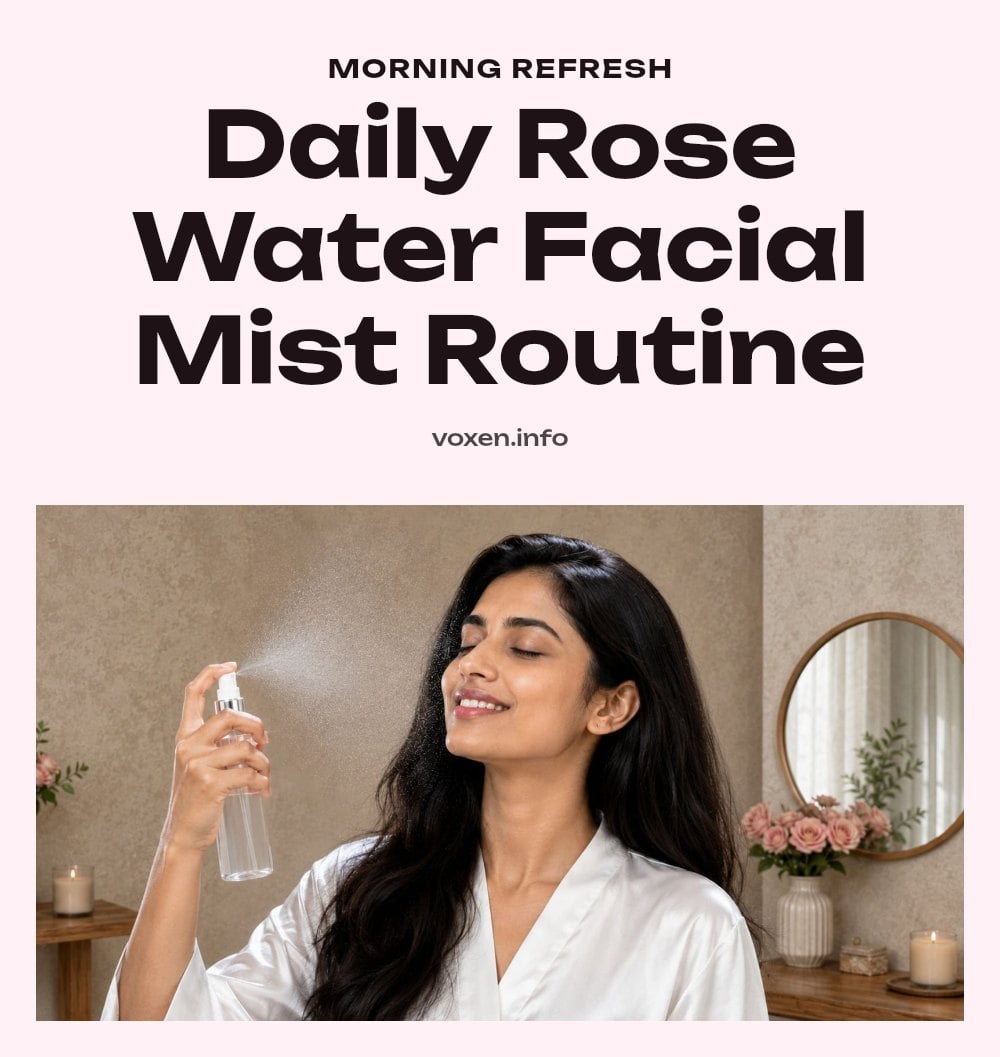
- Mist throughout the day: Pour pure rose water into a spray bottle and spritz your face whenever you need a refreshing boost. This works well over makeup too.
- Use as a hair rinse: After shampooing, pour rose water over your hair, leave it for a minute, then rinse with cool water. This can help add shine and reduce frizz.
The Benefits of Rose Water for Skin and Hair
The Benefits of Rose Water for Skin and Hair
Rose water is believed to hydrate and soothe the skin, making it a gentle option for calming temporary redness or irritation. Its mild astringent properties can help tighten pores without stripping moisture, which is why I often reach for it after cleansing. For hair, a quick rinse with rose water after shampooing can add shine and reduce frizz by smoothing the cuticle. The scalp also benefits from its refreshing effect, which can help balance oiliness. Beyond skin and hair, the natural floral scent is known to support aromatherapy and relaxation. A quick mist before bed or during a stressful afternoon can create a calming moment without any effort.
Common Rose Water Mistakes to Avoid
A frequent mistake is expecting rose water to cure acne, eczema, or other serious skin conditions. It is a complementary product, not a standalone treatment. Another error is using rose water that contains added alcohol or artificial fragrances. These ingredients can dry out the skin and cause irritation, so always choose pure rose water with only rose distillate and water. Improper storage is also common. Commercial pure rose water should be kept in a cool, dark place. Homemade rose water spoils faster and should be stored in the refrigerator to extend its shelf life. Finally, do not believe that rose water can replace sunscreen or other essential skincare. It offers hydration and soothing, but it does not provide sun protection.
Top Tips for Maximizing Rose Water Benefits
My tip: Keep your rose water in the refrigerator for an extra cooling and soothing effect, especially on warm days. The chilled mist feels great on sun-exposed skin or after a workout. My tip: Incorporate rose water into a DIY face mask by mixing it with ingredients like honey or oatmeal for an added calming boost. Tip: For commercial rose water, always check the ingredient list to ensure you’re getting pure rose water, free from unnecessary additives. Look for only rose distillate and water on the label. If you make your own at home, you know exactly what goes into it, so you can skip the label check.
Timeline and Usage Frequency for Rose Water
Timeline and Usage Frequency for Rose Water
Rose water can be used daily, even multiple times a day, for refreshing and toning. You may notice hydration and soothing effects immediately or within a few days of consistent use. The cost of pure rose water varies, but it is generally an affordable natural beauty product that fits most budgets.
Frequently Asked Questions
Is rose water good for all skin types?
Rose water is generally considered safe for most skin types, including sensitive skin. Its mild, soothing properties make it a gentle option, but it is always wise to do a patch test first. If you have a known rose allergy, avoid using it.
Can rose water help with acne?
Rose water is not a standalone treatment for acne. While its mild astringent properties may help tighten pores and calm temporary redness, it should not be expected to cure acne or other serious skin conditions. Use it as a complementary product in your routine.
How often should I use rose water?
You can use rose water daily, even multiple times a day. Apply it as a toner after cleansing, or mist it over your face for a refreshing boost. Consistent daily use is safe and can help maintain hydration and soothing effects.
Can I make rose water at home?
Yes, you can make rose water at home by simmering rose petals in distilled water and straining the liquid. However, store-bought pure rose water from steam distillation is more consistent and has a longer shelf life. If you make it at home, keep it refrigerated and use it within a week.
Does rose water expire?
Yes, rose water can spoil over time. Store it in a cool, dark place or refrigerate it to extend its shelf life. If you notice any change in smell, color, or texture, it is best to discard it. Homemade rose water spoils faster than commercial pure rose water.
Final Thoughts
For a simple way to hydrate and refresh your skin, make rose water a daily step in your routine. You can expect to notice soothing effects right away or within a few days of consistent use. Keep a bottle in the fridge for an extra cooling mist that feels great on warm days or after a workout.

