If you’re curious about using rosemary oil for your hair but want to avoid harsh chemicals or store-bought blends, making your own infused version at home is a gentle, beginner-friendly option. The slow infusion method lets you control exactly what goes into your oil, and it’s surprisingly simple to do. In this article, I’ll walk you through the process from start to finish, including what you need, common pitfalls to avoid, and how to use it safely.
Key Takeaways
- Use completely dried fresh rosemary to prevent mold in your infusion.
- Steep rosemary in a carrier oil for 2 to 6 weeks for best extraction.
- Shake the jar gently every few days to help the infusion process.
- Store finished oil in a cool, dark place to maintain its potency.
- Apply the infused oil 1-2 times per week and expect subtle results after a few months.
Make Your Own Rosemary Oil for Hair Growth
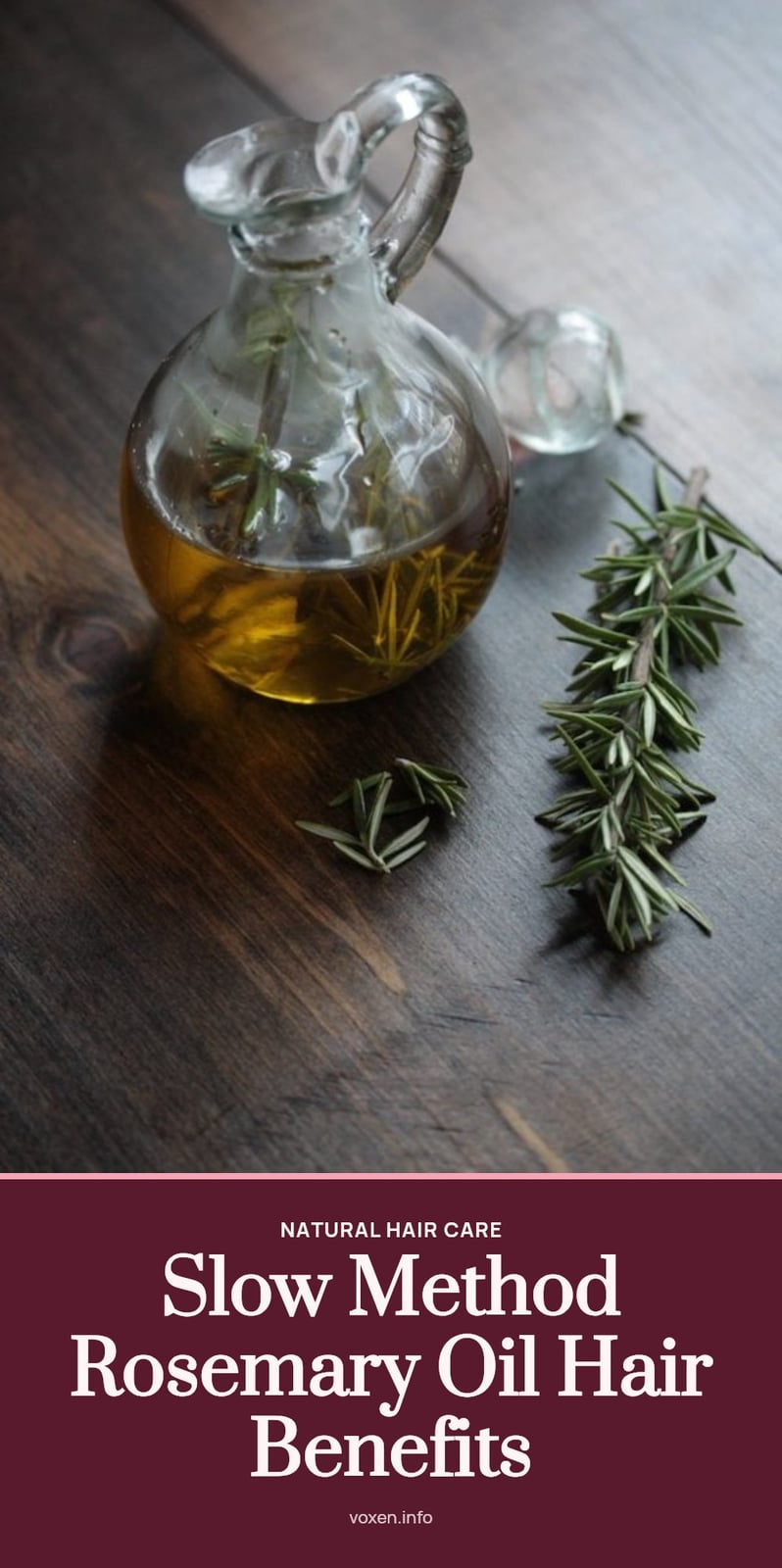
Making rosemary oil at home is simpler than you think, and the slow infusion method is my go-to. You gently steep fresh or dried rosemary in a carrier oil like olive or jojoba for several weeks, letting the beneficial compounds extract without heat or harsh chemicals. This DIY approach means you control every ingredient, which makes it ideal if you have a sensitive scalp. It’s a natural, gentle way to support hair health and growth.
What You Need to Make Rosemary Infused Oil

Here’s what you need to gather before you start. The ingredients are simple, but quality matters.
- Rosemary sprigs: Fresh or dried work well. If using fresh, organic is best, and they must be thoroughly dried to prevent mold.
- Carrier oil: Olive, jojoba, or almond oil are excellent choices. Pick one that suits your hair type.
- Glass jar: A clean, airtight jar for the infusion process.
- Dark storage bottle: A dark glass bottle protects the finished oil from light and keeps it potent.
- Cheesecloth or fine-mesh sieve: For straining out the rosemary leaves completely.
Step-by-Step: Crafting Your Rosemary Infused Oil
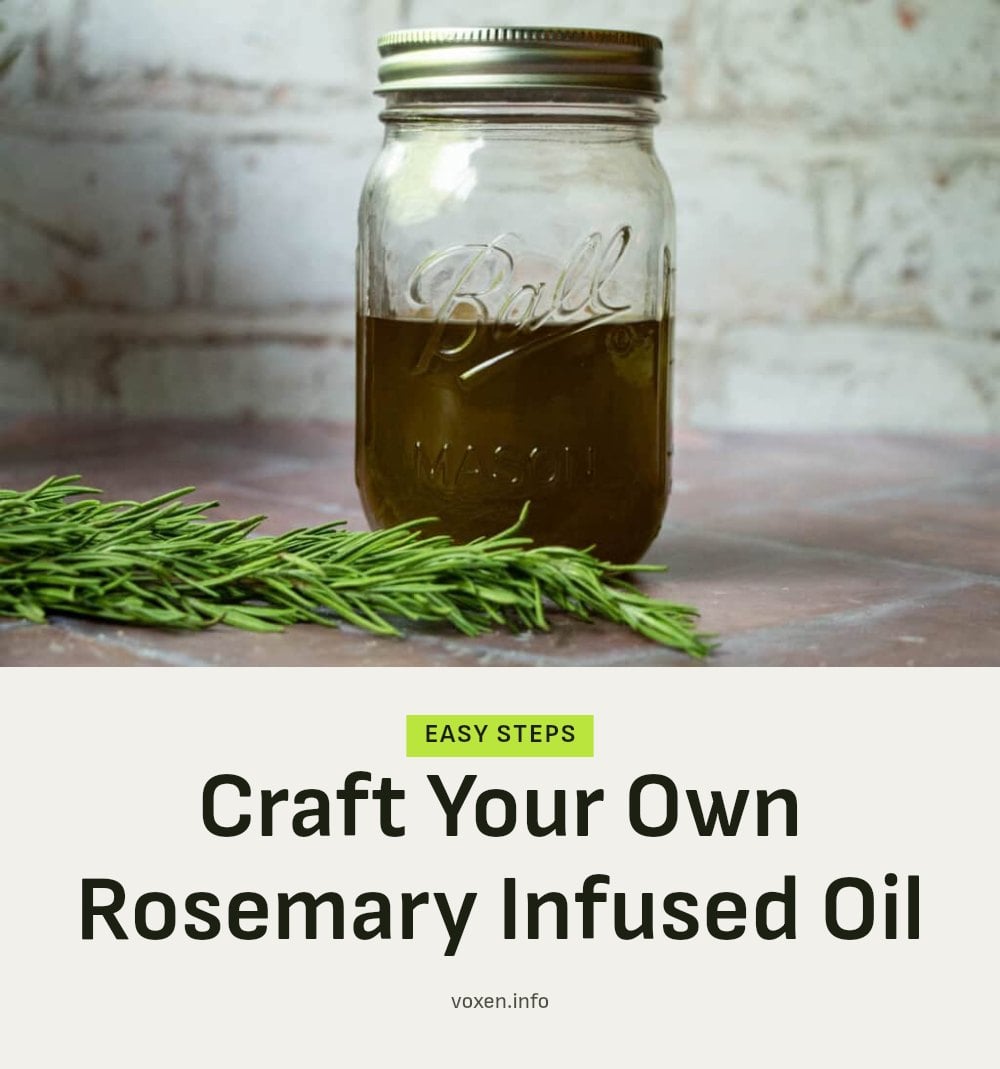
- Clean and dry the rosemary: If using fresh rosemary, rinse it gently and pat it dry. Then let it air-dry completely on a towel for 24 hours. Any moisture can cause mold in your oil.
- Combine rosemary and oil: Place the dried rosemary sprigs into your clean glass jar. Pour your chosen carrier oil over them until the rosemary is fully submerged.
- Seal and store: Close the jar tightly. Place it in a cool, dark spot, like a kitchen cabinet, away from direct sunlight.
- Shake gently every few days: Give the jar a gentle shake every 2 to 3 days. This helps the rosemary’s compounds infuse into the oil more evenly.
- Wait 2 to 6 weeks: The slow infusion takes time. The longer you let it sit, the stronger the scent and color will become. I usually aim for 4 weeks.
- Strain the oil: After the infusion period, place your cheesecloth or fine-mesh sieve over a clean bowl. Pour the oil through to remove all rosemary leaves.
- Transfer to a dark bottle: Pour the strained oil into your dark glass storage bottle. Seal it and store it in a cool, dark place to keep it fresh.
Why Rosemary Oil Works Wonders for Your Hair

Rosemary oil’s reputation in hair care comes from how it interacts with your scalp. Here’s what’s going on under the surface.
How It Works
- Boosts circulation: Rosemary oil is believed to stimulate blood flow in the scalp. Better circulation can help deliver oxygen and nutrients to hair follicles, which may support growth.
- Fights inflammation and damage: Active compounds like rosmarinic acid and carnosic acid are natural antioxidants and anti-inflammatories. They help protect the scalp from oxidative stress and calm irritation.
- Soothes the scalp: Its antimicrobial properties can help reduce dandruff and relieve an itchy scalp, creating a healthier environment for hair to grow.
These benefits work together, making rosemary oil a well-rounded choice for scalp and hair health.
Common Mistakes to Avoid When Making Rosemary Oil
Using undried fresh rosemary: This is the fastest way to ruin your batch. Any moisture trapped in the jar can cause mold and spoilage. Always dry fresh rosemary completely before infusing.
Skipping the shake: Gently shaking the jar every few days helps the oil circulate around the rosemary, speeding up extraction. A still jar means a weaker infusion.
Poor storage: Heat and light degrade the oil and its beneficial compounds. Store your jar in a cool, dark place, and once strained, transfer the oil to a dark glass bottle.
Expecting instant results: Natural remedies take time. You likely won’t see changes after a few applications; consistent use over months is what matters.
Incomplete straining: Leftover rosemary bits in the oil can introduce bacteria and shorten its shelf life. Use cheesecloth or a fine-mesh sieve to get every last piece out.
How Long Does It Take and How Often to Use It?
The slow infusion process itself takes 2 to 6 weeks. The longer you let it steep, the more concentrated the oil becomes. After that, you need patience with use. Most people apply the oil 1-2 times per week and see subtle improvements after a few months of consistent application. The good news is that DIY rosemary oil is very cost-effective. You likely already have a carrier oil at home, and a few rosemary sprigs go a long way.
When to Consult a Professional About Hair Concerns
If you notice persistent hair loss, sudden thinning, or ongoing scalp irritation, see a dermatologist. These can be signs of an underlying condition that needs professional diagnosis. Before starting any new hair remedy, talk to your doctor if you are pregnant, breastfeeding, or managing a health condition. Also, stop using the oil immediately if you experience redness, itching, or swelling. A patch test before full use can help you catch a reaction early, but if symptoms continue, consult a healthcare professional.
Frequently Asked Questions
How long does homemade rosemary oil last?
Properly stored in a cool, dark place in an airtight glass jar, homemade rosemary oil can last up to six months. If you notice any off smell, cloudiness, or mold, it’s best to discard it and make a fresh batch.
Can I use dried rosemary for the infusion?
Yes, dried rosemary works well and actually eliminates the risk of mold from moisture. Make sure the dried rosemary is free from any signs of mold or rot before using it in your infusion.
What are the best carrier oils for hair?
Olive, jojoba, almond, and grapeseed oils are all popular choices because they have their own nourishing properties. Pick one that suits your hair type, jojoba is great for oily scalps, while almond oil is lightweight and good for fine hair.
Will rosemary oil make my hair greasy?
It can if you use too much. Start with a small amount, a few drops massaged into your scalp, and adjust based on your hair type. For fine or oily hair, focus on the scalp rather than the lengths.
How do I make rosemary oil at home?
Dry fresh rosemary completely, place it in a clean glass jar, cover with a carrier oil, and seal tightly. Store in a cool, dark spot for 2 to 6 weeks, shaking gently every few days. Strain through cheesecloth and transfer to a dark glass bottle.
Final Thoughts
My tip: Start with a small batch using jojoba or almond oil if you have sensitive skin, and always do a patch test first. Realistically, you won’t see dramatic changes overnight, but with consistent use over several months, many people notice healthier-looking hair and a calmer scalp. Stick with the routine, and let the gentle infusion do its work.
This article is for informational purposes only and does not constitute medical or professional advice. Rosemary oil may not be suitable for everyone, and results can vary. If you have a persistent scalp condition, hair loss, or any underlying health concerns, consult a dermatologist or healthcare provider before use.

