If you find yourself scrolling through your phone in bed and then lying awake, you’re not alone. The blue light from screens can disrupt your body’s natural sleep cycle, making it harder to fall asleep and wake up refreshed. In this article, I’ll cover practical habits you can start tonight to reduce screen time’s impact on your sleep and create a calmer evening routine.
From setting a screen-free zone to choosing the right content, these tips are designed to help you wind down and prioritize rest.

Key Takeaways
- Aim for at least 30-60 minutes of screen-free time before bed.
- Keep all electronic devices out of the bedroom, or out of reach from your bed.
- Use ‘night mode’ or blue light filters if you must use screens close to bedtime.
- Dim your home lights in the evening to signal your body it’s time to wind down.
- If sleep problems persist, consult a healthcare professional.
Why Screen Time Before Bed Harms Your Sleep
Screen time before bed can significantly disrupt your sleep by suppressing melatonin production due to blue light exposure. The blue light from phones, tablets, and laptops tricks your brain into thinking it’s still daytime, delaying the release of this sleep-regulating hormone. It also keeps your mind stimulated, making it harder to wind down and fall asleep naturally. Establishing a screen-free wind-down routine is crucial for improving sleep quality and overall well-being.
1. Establish a Screen-Free Zone

Make your bedroom a sanctuary for sleep and intimacy, free from all electronic devices. This means no phones, tablets, or laptops in the bed or even within easy reach. The physical separation reduces the urge to check notifications and helps your brain associate the room with rest.
My tip: If you use your phone as an alarm, invest in a separate, non-phone alarm clock. This removes the temptation to scroll or check notifications before sleep or upon waking.
2. Set a Consistent Cut-Off Time
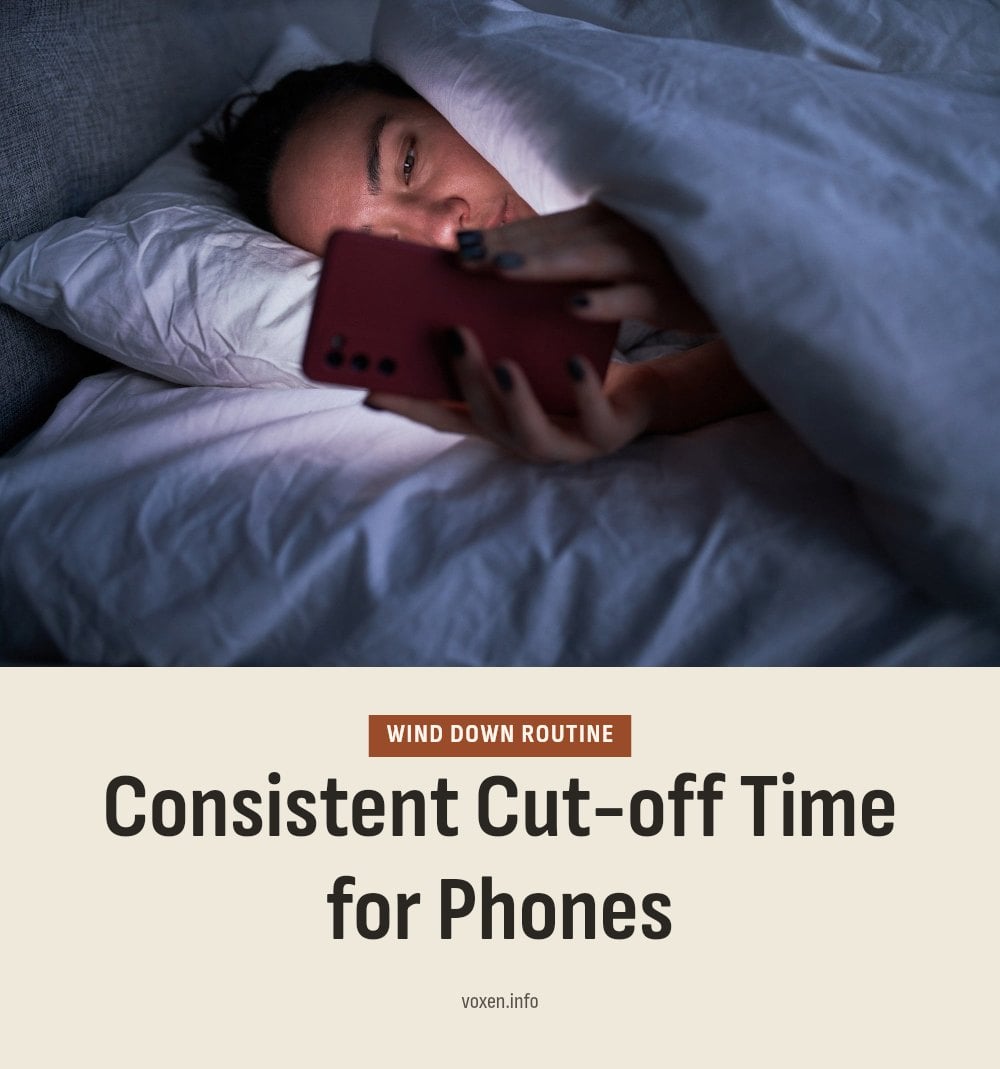
Aim for at least 30-60 minutes of screen-free time before you plan to go to sleep. This allows your body and mind to naturally transition into a state conducive to rest. The impact of blue light on melatonin production is most significant in the evening hours, so this window is crucial for protecting your natural sleep cycle.
3. Dim the Lights in Your Home
As evening approaches, gradually dim the lights in your living space. This subtle change signals to your body that it’s time to prepare for sleep, supporting your natural circadian rhythm. It’s a simple yet powerful way to reinforce your wind-down routine and cue your brain to start producing melatonin.
4. Engage in Relaxing Activities
Replace screen time with a calming activity that helps you unwind. Reading a physical book, journaling, listening to soothing music, or taking a warm bath can all promote relaxation. These activities help your mind detach from daily stressors and shift focus inward, preparing your body for rest. My tip: choose one that feels like a treat, not a chore, so you look forward to it each evening.
5. Mind Your Content Choices
Even with blue light filters turned on, the content on your screen can keep your brain alert. Avoid work emails, stressful news, intense video games, or emotionally charged social media scrolling before bed. Tip: If you absolutely must use a screen, opt for very light, non-engaging content like a calm nature documentary or a simple puzzle app. But ideally, avoid it altogether.
6. Utilize Blue Light Filters
If you absolutely must use a device close to bedtime, enable ‘night mode’ or blue light filters on your screens. These settings reduce the amount of blue light emitted, which helps lessen its impact on melatonin production. However, remember that these filters don’t fully mitigate the stimulating effects of engaging content itself. They are a partial solution, not a complete fix.
7. Create a Consistent Bedtime Routine
A consistent routine signals to your body that it’s time to wind down and prepare for sleep. This routine could include your screen-free period, dimming the lights, and engaging in relaxing activities. Regular bedtime and wake-up times, even on weekends, are important for maintaining a healthy circadian rhythm. Your body thrives on predictability, so keep the sequence the same each night.
8. Consider Blue Light Blocking Glasses
If you find it hard to skip screens entirely in the evening, blue light blocking glasses can help. They filter out blue light before it reaches your eyes, which may reduce melatonin suppression. Think of them as a bridge while you work toward a fully screen-free wind-down.
9. Avoid Other Sleep Disruptors
Screen time isn’t the only thing that can sabotage your sleep. Heavy meals, caffeine, and alcohol close to bedtime all interfere with your ability to fall and stay asleep.
Good to know: Finish eating at least a few hours before bed. Cut off caffeine and alcohol in the late afternoon and evening to give your body a clean slate for rest.
10. Make Your Bed for Sleep Only
Reserve your bed for sleep and intimacy only. Working, watching TV, or scrolling on devices in bed weakens the mental link between your bed and rest. Your brain needs a clear signal: this is a place to wind down, not a place to be alert.
Tip: If you often work or watch shows in bed, try moving those activities to a chair or couch. After a week, you may notice it feels easier to relax once you lie down.
11. Prioritize Enough Sleep
The American Academy of Sleep Medicine recommends adults get 7 or more hours of sleep per night. Making conscious efforts to reduce screen time at night is a key step towards achieving this goal. Prioritizing sufficient, quality sleep is foundational for your overall health and well-being.
When to Consult a Professional
If you consistently have trouble falling or staying asleep even after cutting back on evening screens, it’s worth talking to a healthcare professional. Persistent sleep problems can signal an underlying health condition that needs proper evaluation. Caution: Avoid turning to over-the-counter sleep aids without a doctor’s guidance, especially if you have other health concerns. A professional can help identify the root cause and suggest safe, effective options tailored to your situation.
Frequently Asked Questions
How long before bed should I stop using screens?
Aim for at least 30 to 60 minutes of screen-free time before you plan to sleep. This gives your body and mind a chance to transition into a restful state, allowing your melatonin production to ramp up naturally. If you can extend that window to an hour, even better.
Does ‘night mode’ really help with sleep?
‘Night mode’ or blue light filters can reduce the amount of blue light emitted from your screen, which helps lessen its impact on melatonin production. However, it doesn’t fully eliminate the stimulating effects of the content you’re viewing. Stressful or engaging content can still keep your brain alert, so use filters as a backup, not a free pass.
Can screen time affect my mood?
Yes, screen time can influence your mood, especially if you’re consuming stressful or emotionally charged content like news or social media. The stimulating nature of such content can increase arousal and make it harder to relax, which can indirectly affect your mood and sleep quality. Choosing calming content or taking a break can help.
What if I need my phone for an alarm?
Consider using a dedicated alarm clock that isn’t your phone. This allows you to keep your phone out of the bedroom entirely, reducing the temptation to check it. If you must use your phone, place it across the room and enable ‘do not disturb’ or ‘night mode’ to minimize disruptions.
Is reading on an e-reader before bed okay?
Reading on an e-reader can be acceptable if the device has a backlit screen with adjustable settings and you use night mode or a warm light. However, physical books are still the best option because they emit no blue light. If you use an e-reader, keep the brightness low and avoid bright, stimulating content.
Final Thoughts
Start by picking one or two habits from this list and build from there. For example, commit to a 30-minute screen-free period before bed and keep your phone charging outside the bedroom. You can expect to see improvements in your sleep quality within a few days to a few weeks if you stick with it.
Remember, the goal is progress, not perfection. Be patient with yourself as you adjust your routine.
This article is for general informational purposes only and does not constitute medical advice. If you have persistent sleep difficulties or other health concerns, please consult a qualified healthcare professional. Do not self-medicate with sleep aids without professional guidance.

