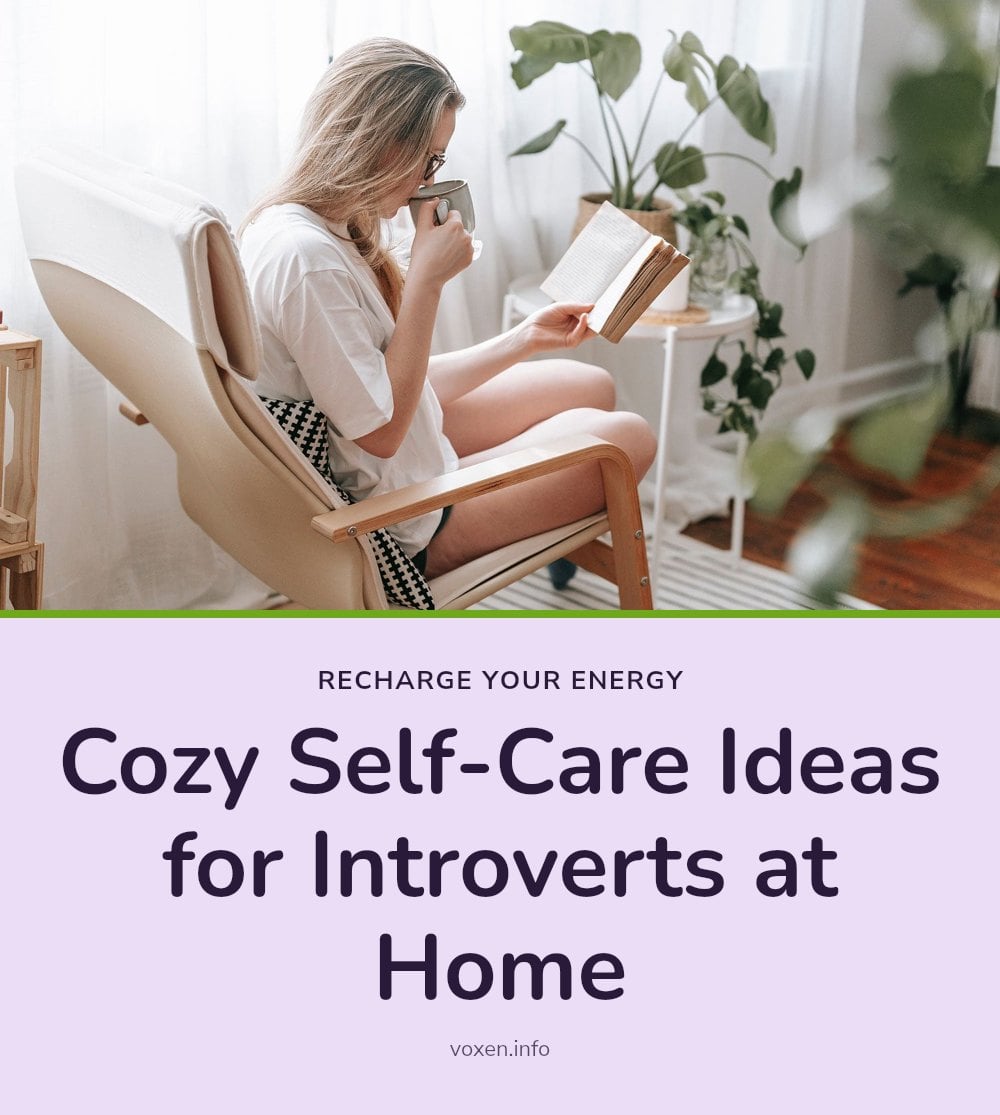
If you are an introvert who feels drained after too much social time, you probably already know that the best way to recharge is in your own quiet space. This article walks you through simple, home-based self-care ideas that fit your natural need for solitude and calm. From creating a personal sanctuary to choosing activities that truly restore you, these strategies help you refill your energy without leaving the house.
Key Takeaways
- Schedule self-care as a non-negotiable appointment, even if it’s just 15 minutes.
- Create a dedicated quiet zone at home with minimal distractions for recharging.
- Practice mindfulness or meditation for 5-10 minutes daily to calm your mind.
- Engage in creative hobbies like drawing or knitting for stress relief.
- Limit screen time before bed to improve sleep quality and true rest.
Quiet Self-Care Ideas for Introverts
Self-care for introverts centers on quiet, solitary activities that restore energy, not social interaction. It means creating a personal sanctuary at home where you can soothe your mind and body without external demands. Think introspection, comfort, and gentle engagement with hobbies or relaxation techniques that let you recharge on your own terms.
Why Introverts Need Specific Self-Care Strategies
Why Introverts Need Specific Self-Care Strategies
Introverts naturally gain energy from solitude and expend it in social situations. Without intentional downtime, your energy reserves drain, leading to burnout. Specific self-care helps you manage that energy flow, preventing exhaustion before it hits. It is not a luxury; it is a necessity for thriving, not just surviving. Creating a personal sanctuary at home allows you to step away from stimulation and return to your baseline. My tip: Treat your alone time as essential as sleep or meals, your nervous system depends on it.
Essential Tools for Your Self-Care Sanctuary
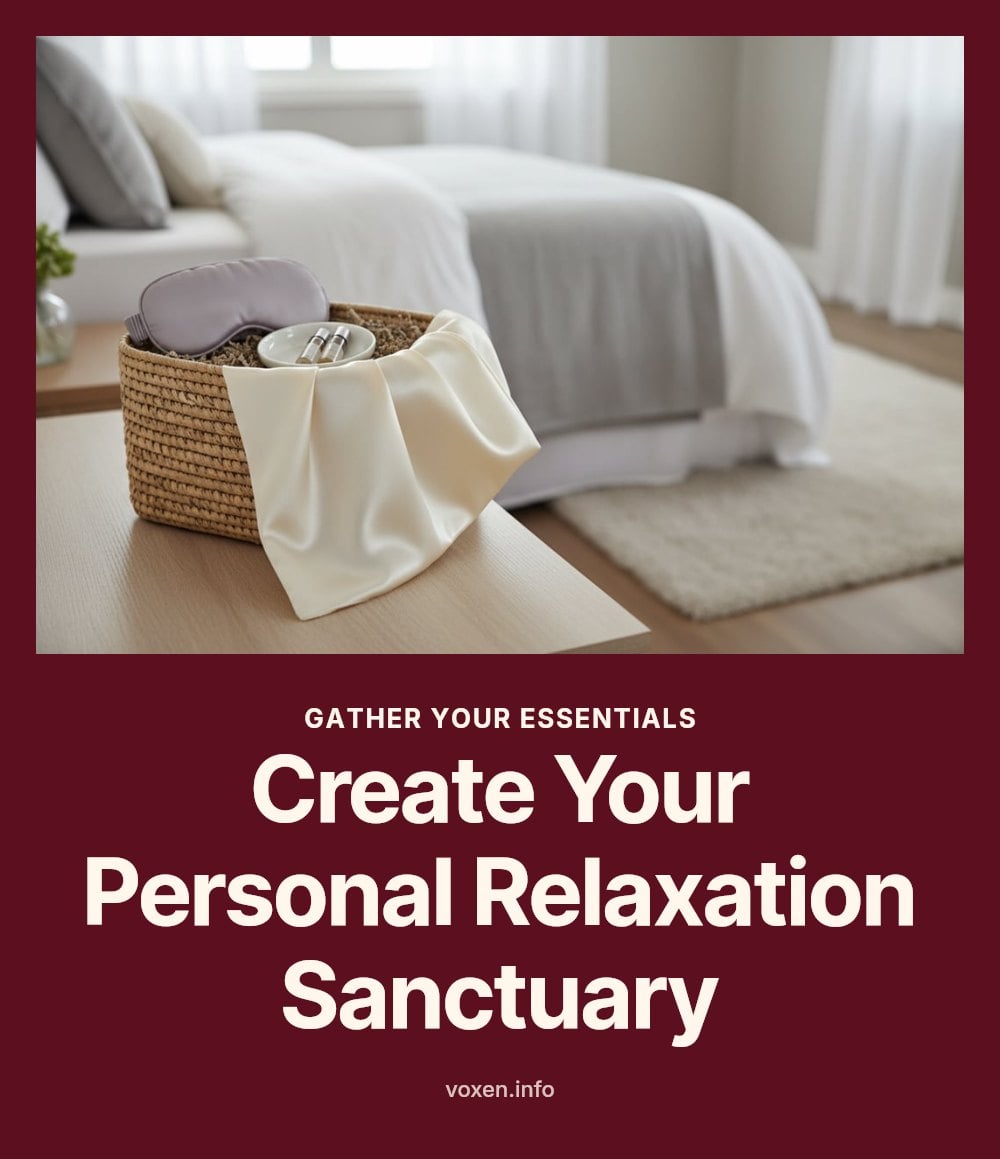
Stock your sanctuary with items that support quiet, restorative moments.
- Books: for escape and mental stimulation.
- Journal and pen: for processing thoughts and emotions.
- Comfortable blankets or pillows: for creating a cozy space.
- Bath salts or essential oils: for relaxing rituals.
- Art supplies: for creative expression and stress relief.
- Headphones: for listening to calming music or podcasts.
- Herbal tea: for a soothing drink ritual.
Simple Self-Care Activities to Recharge at Home
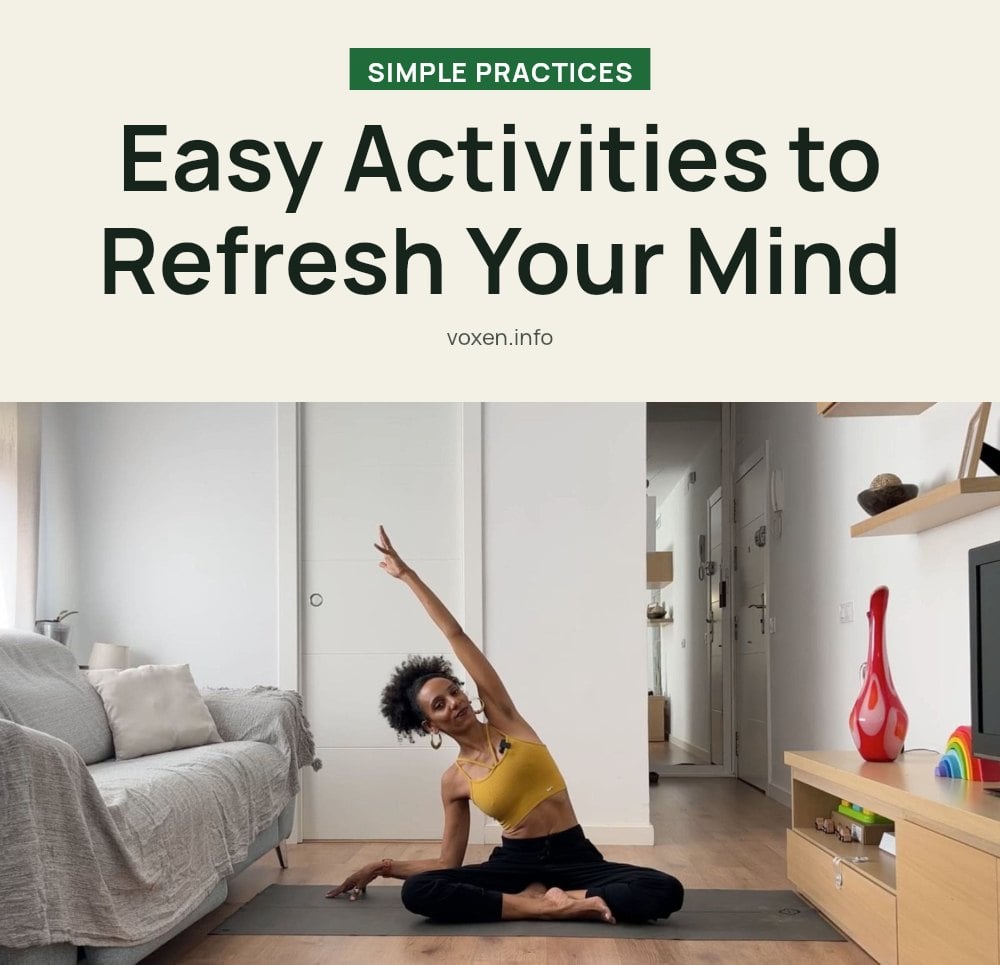
- Create a recharge zone: Designate a corner or room as your quiet space with minimal distractions.
- Practice mindfulness or meditation: Spend 5-10 minutes focusing on your breath to calm your mind.
- Engage in a creative hobby: Draw, paint, knit, or do something that lets you focus without pressure.
- Read a book or listen to an audiobook: Let a story carry you away from daily stress.
- Journal your thoughts and feelings: Write freely to process emotions and clear mental clutter.
- Take a warm bath or shower: Add soothing scents like lavender to relax your muscles.
- Listen to calming music or a gentle podcast: Choose something that lowers your heart rate.
- Look out a window at greenery: Even a few minutes of viewing plants can feel restorative without leaving home.
- Limit screen time before bed: Put devices away 30 minutes earlier to improve sleep quality.
If you learn better by watching, this 13-minute video from Kim Foster, M.D. shows every step. The how-to part starts at 0:32.
Top Tips for Sustainable Self-Care
Making self-care stick comes down to a few habits. My tip: treat it like any other appointment. Block it in your calendar and protect that time, even if it is just 15 minutes of quiet.
- Schedule It In: Give your recharge time a fixed slot each day or week. When it is on the calendar, you are less likely to skip it.
- Listen to Yourself: Say no to social invitations without guilt when you feel drained. Your need for solitude is valid.
- Start Small: You do not need grand gestures. A short walk, a chapter of a book, or a few minutes of stretching all count.
- Digital Sunset: Put screens away at least 30 minutes before bed. Less blue light means better sleep and a calmer mind.
- Focus on One Thing: Skip multitasking during your self-care. Fully immerse yourself in the activity, whether it is journaling or sipping tea.
Common Self-Care Pitfalls to Avoid
A few common missteps can turn self-care into another source of stress. Recognize them so you can keep your routine simple and restorative.
- Thinking it is selfish: Recharging is a necessity, not a luxury. You cannot pour from an empty cup.
- Making it expensive: Fancy products and elaborate setups are optional. A quiet corner and a cup of herbal tea work just as well.
- Comparing to others: Your routine should fit your introverted needs, not copy an extrovert’s social calendar. What works for a friend may drain you.
- Only doing it when burnt out: Preventative self-care is far more effective than crisis mode. A little every day beats a big reset once a month.
- Filling alone time with distractions: Mentally demanding tasks and endless scrolling do not count as rest. Choose true downtime that lets your mind settle.
When to Seek Professional Support
Self-care supports well-being, but it is not a substitute for professional help. Reach out to a mental health provider if stress, anxiety, or sadness persist or worsen despite your efforts. Also seek support if your ability to function at work or in relationships is significantly impaired, or if you experience thoughts of self-harm or hopelessness. A professional can offer personalized strategies and a safe space to work through what you are facing.
Frequently Asked Questions
How often should introverts practice self-care?
Ideally, practice self-care daily or several times a week. Even a few minutes of quiet time can help you maintain energy balance. The key is consistency, so aim for a frequency that feels manageable and restorative for you.
Can self-care for introverts include screen time?
Yes, but be mindful. Listening to calming music or a podcast can create a peaceful atmosphere. However, avoid excessive screen time before bed, as it can interfere with sleep quality and prevent true recharging.
What if I don’t have a dedicated quiet space?
You can still create a recharge zone using a cozy chair, a corner of your bedroom, or even a window seat. Use blankets, pillows, or headphones to block out distractions and signal to your brain that this is your calm spot.
Is it okay to say no to social plans for self-care?
Absolutely. Saying no is a valid form of self-care when you need alone time. You do not have to feel guilty; protecting your energy allows you to show up better for others later.
What’s the difference between self-care and avoiding responsibilities?
Self-care is intentional and restorative, like taking a bath or journaling to process emotions. Avoiding responsibilities is procrastination, such as scrolling through social media to escape a task. The difference lies in whether the activity genuinely recharges you or just delays what needs to be done.
Final Thoughts
Start with one activity that feels genuinely restful, like reading or a warm bath, and block out 15 minutes for it tomorrow. Expect that consistency matters more than length; even short daily sessions build resilience over time. The goal is not perfection but a sustainable habit that keeps your energy balanced.
This article provides general information and is not a substitute for professional medical or mental health advice. If you experience persistent stress, anxiety, or sadness, consult a qualified healthcare provider or mental health professional.

