You know that feeling when your to-do list is a mile long and taking time for yourself feels like a luxury you can’t afford? I’ve been there, and the truth is, a self-care lifestyle isn’t about grand spa days or hours of free time. It’s about weaving small, intentional practices into your daily and weekly routine to support your mental, emotional, physical, and spiritual health. This article offers a practical weekly plan to help you prevent burnout and build resilience, even on your busiest days.

Key Takeaways
- Consistency matters more than intensity; small daily acts build lasting well-being.
- Prioritize 7-9 hours of sleep and daily hydration as foundational self-care.
- Schedule self-care into your calendar as a non-negotiable appointment.
- Mix physical, emotional, mental, social, and spiritual practices each week.
- Start with 5-10 minutes a day and gradually increase as it feels manageable.
What is a Self-Care Lifestyle?
A self-care lifestyle means weaving small, intentional practices into your daily and weekly routine. It supports your mental, emotional, physical, and spiritual health all at once. The goal is to prevent burnout and build resilience, so you feel more balanced and fulfilled. Consistency matters more than intensity, even five minutes of deep breathing counts.
Essential Tools for Your Self-Care Journey
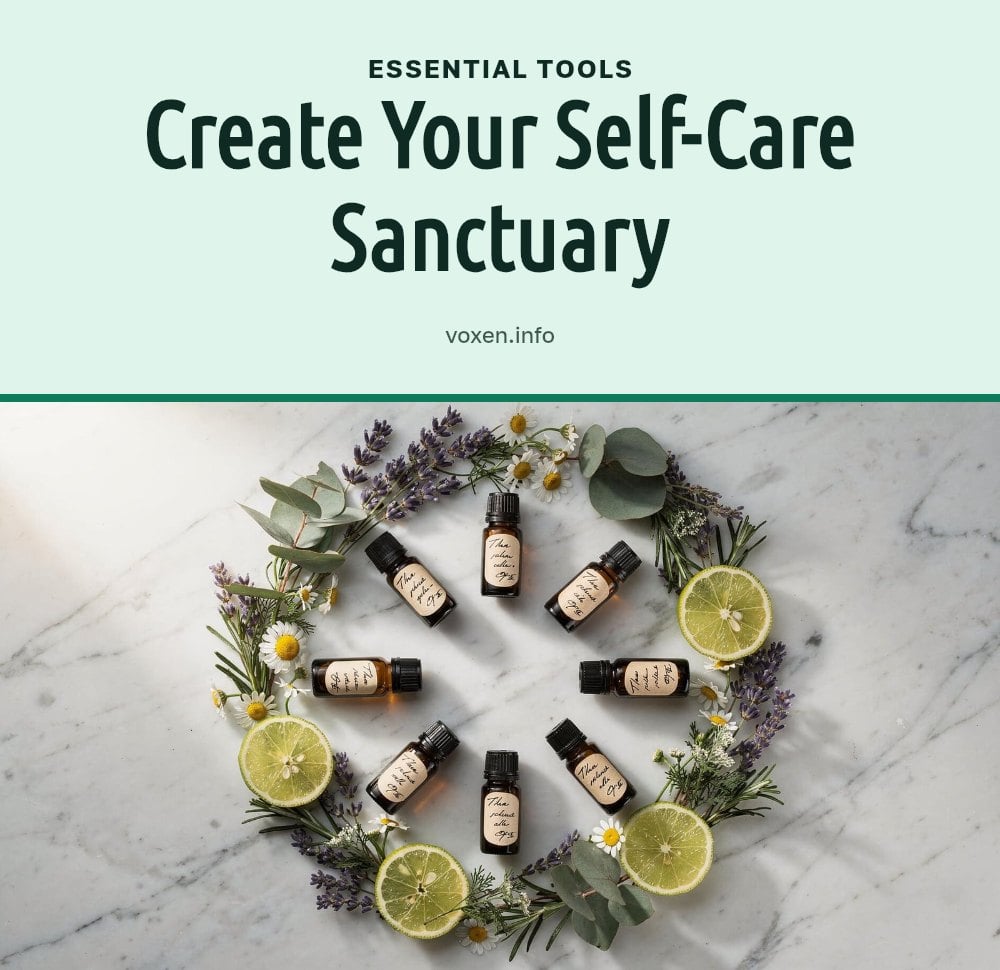
You don’t need much to start, but a few basics help. Keep a journal or notebook for reflecting on feelings and tracking patterns. Wear comfortable clothing that lets you move freely or just relax. A meditation app or guided audio makes mindfulness easy to fit into a busy day. Headphones are also key. They let you create a personal space with music or a podcast, even in a crowded house.
Your Weekly Self-Care Plan for Busy Days
This weekly plan is a template, adjust it to your life. The key is to mix physical, emotional, mental, and social self-care every week. Prioritize sleep and hydration every day.
| Day | Morning Boost | Midday Reset | Evening Wind-Down |
|---|---|---|---|
| Monday | 5-minute stretch | Walk outside for 10 minutes | Write three things you’re grateful for |
| Tuesday | Drink a full glass of water | Listen to a podcast during lunch | Take a warm bath or shower |
| Wednesday | Deep breathing for 3 minutes | Call a friend for a quick check-in | Read a chapter of a book |
| Thursday | Do a short guided meditation | Eat lunch away from your desk | Light a candle and journal |
| Friday | Write down your top priority | Do a few desk stretches | Watch a show you enjoy |
| Saturday | Sleep in if you need to | Try a hobby or creative activity | Have a relaxing evening with no screens |
| Sunday | Plan your week ahead | Take a longer walk or hike | Prepare for a good night’s sleep |
Schedule these activities into your calendar like any other appointment. Over time, these small acts add up to real resilience.
Common Self-Care Missteps and How to Avoid Them
It’s easy to stumble when starting a self-care lifestyle. Here are common missteps and how to avoid them.
- Mistake: Believing self-care needs time or money. Start small with what you already have, a walk, a few deep breaths, or a quiet cup of tea.
- Mistake: Confusing self-care with self-indulgence. True self-care supports your well-being long-term, not just a temporary pleasure like a sugary treat.
- Mistake: Feeling guilty for taking time for yourself. Self-care is essential, not selfish. You can’t pour from an empty cup.
- Mistake: Trying too many new habits at once. Introduce one or two practices at a time so they stick.
- Mistake: Ignoring sleep or nutrition. These are the foundation. Without them, no trendy practice will help.
Smart Tips for Sustaining Your Self-Care Lifestyle
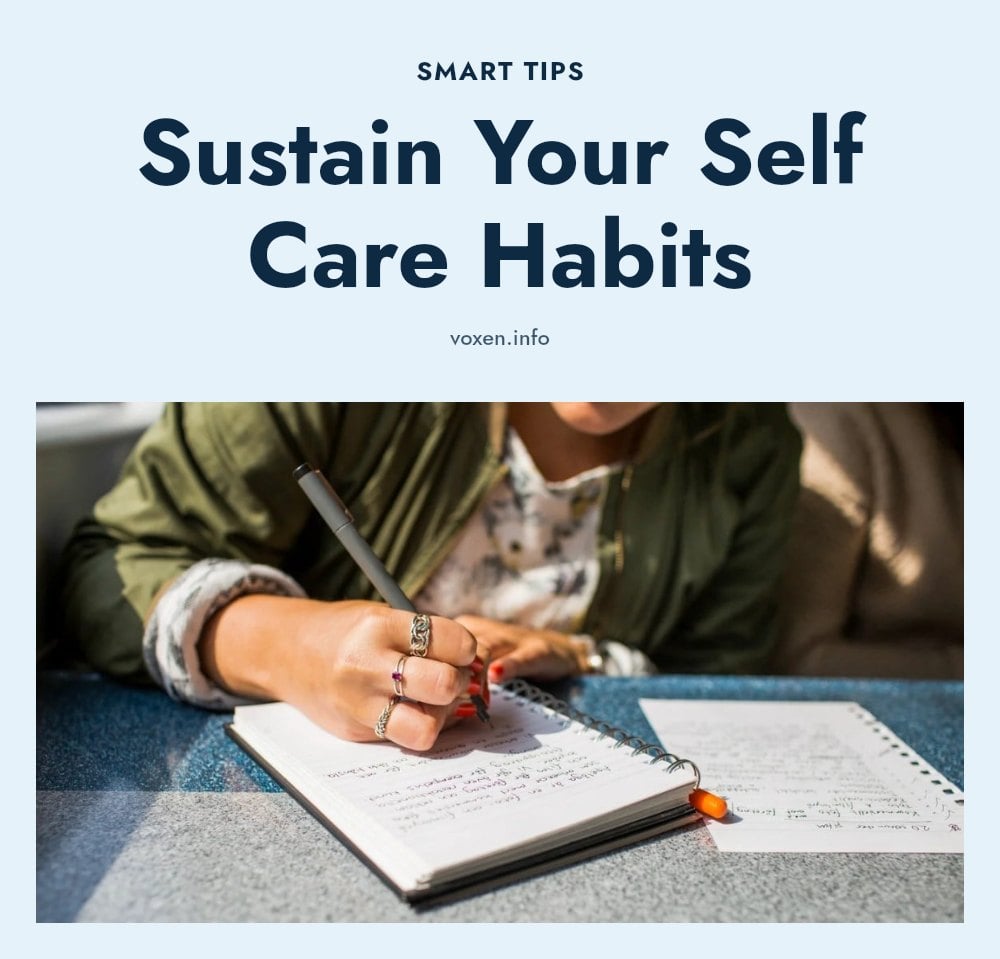
Schedule self-care: Block time in your calendar for self-care and treat it like any other non-negotiable appointment. Consistency matters more than duration.
Identify your needs: Reflect on what truly recharges you across physical, emotional, mental, social, and spiritual dimensions. A walk might energize you, while journaling helps you process feelings.
Practice saying no: Protect your time and energy by turning down commitments that overextend you. It’s okay to decline politely.
Reflect regularly: Every few weeks, check in with yourself. Adjust your practices based on what’s working and what isn’t.
Incorporate movement: Even a five-minute stretch or a short walk counts. Movement supports both physical and mental well-being.
Delegate tasks: Asking for help with errands, chores, or work projects is a valid form of self-care. You don’t have to do it all alone.
Understanding the Timeline and Investment of Self-Care
Self-care benefits arrive on two timelines. Some practices, like deep breathing or a short walk, offer immediate relief. Most benefits build over weeks and months of consistent practice.
Time investment: Start with 5-10 minutes a day. Gradually increase as it feels manageable.
Cost tiers: Self-care can be free, like a nature walk or journaling with a pen and paper you already own. Low-cost items include a notebook or herbal tea. Higher-cost experiences, such as a spa day or retreat, are optional and not required for effective self-care.
When to Seek Professional Support for Your Well-being
Self-care supports well-being, but it is not a substitute for professional help. Consult a healthcare provider if persistent feelings of overwhelm, anxiety, or depression interfere with your daily life. Also seek support if your self-care practices lead to increased stress or negative feelings, or if you are concerned about over-exercising or restrictive eating habits. If you suspect an underlying health condition is affecting your well-being, a medical evaluation is the right next step.
Frequently Asked Questions
How can I start a self-care routine when I have no time?
Start with just 5-10 minutes a day. Choose one small practice, like a short walk outside, a few deep breaths, or a quiet cup of tea. Schedule it into your calendar as a non-negotiable appointment. You can gradually add more as it feels manageable.
Is self-care just about pampering myself?
No. Pampering can be part of it, but true self-care is about addressing your fundamental needs across physical, emotional, mental, social, and spiritual dimensions. It includes setting boundaries, getting enough sleep, and processing feelings, not just treating yourself.
How do I know what self-care practices are right for me?
Reflect on what truly recharges you across different areas of your life. A walk might energize you physically, while journaling helps emotionally. Experiment with small practices and notice how they make you feel. Your routine should be highly personal and adapted to your needs.
Can I practice self-care even on a tight budget?
Absolutely. Many effective self-care practices cost nothing. A walk in nature, deep breathing, journaling, setting boundaries, or simply sitting quietly with a cup of tea are all free. You don’t need expensive tools or treatments to support your well-being.
How long does it take to see results from a self-care lifestyle?
Some practices, like deep breathing or a short walk, can offer immediate relief. Most benefits, like improved resilience and balance, build over weeks and months of consistent practice. Be patient and focus on small, regular acts rather than expecting overnight change.
Final Thoughts
My tip: Pick just one or two small practices from the weekly plan and commit to them for a week. Realistically, you’ll feel immediate relief from something like a short walk or deep breathing, but the bigger benefits build over weeks and months of consistent effort. The key is to treat self-care as an ongoing practice, not a one-time fix. You deserve that balance.
This article is for general informational purposes only and does not constitute medical or professional advice. Self-care practices can support well-being but are not a substitute for professional help. If you experience persistent feelings of overwhelm, anxiety, or depression that interfere with daily life, consult a healthcare provider.

