If your skin often feels red, itchy, or stinging after using certain products or in certain conditions, you might be dealing with sensitive skin. It’s not a disease, but a sign that your skin’s protective barrier is compromised, making it easier for irritants to penetrate and moisture to escape. This article covers the most common mistakes that trigger irritation, how to build a gentle routine, and when to see a dermatologist.
Key Takeaways
- Use lukewarm water and a gentle, cream-based cleanser to avoid stripping oils.
- Always patch test new products for 24-48 hours before full application.
- Simplify your routine and avoid mixing too many active ingredients at once.
- Choose fragrance-free, dye-free products and check for denatured alcohol.
- Wear broad-spectrum mineral sunscreen daily to protect sensitive skin.
What Exactly Is Sensitive Skin?
Sensitive skin is a common characteristic, not a medical disease. It describes skin that reacts with unpleasant sensations like stinging, burning, itching, or dryness to stimuli that wouldn’t bother normal skin. The core issue is a compromised skin barrier, which allows irritants to penetrate easily while letting moisture escape. Managing sensitive skin means identifying and avoiding your personal triggers and using gentle products that help restore and strengthen that barrier.
Why Your Skin Reacts: Understanding the Triggers
Why Your Skin Reacts: Understanding the Triggers
A weakened skin barrier is the root cause of sensitivity. When the barrier is damaged, it becomes more permeable, letting irritants in and allowing moisture to escape. This leads to the redness, itching, and stinging you experience.
Common culprits include:
- Harsh chemicals, fragrances, and dyes: Fragrances are among the most frequent triggers for allergic reactions and irritation.
- Environmental factors: Extreme temperatures, UV radiation, and wind can provoke reactions.
- Stress: It can worsen sensitivity by affecting your immune system and inflammatory responses.
Identifying your specific triggers is a key step toward calmer skin.
Gentle Skincare: Building Your Sensitive Skin Routine
Gentle Skincare: Building Your Sensitive Skin Routine
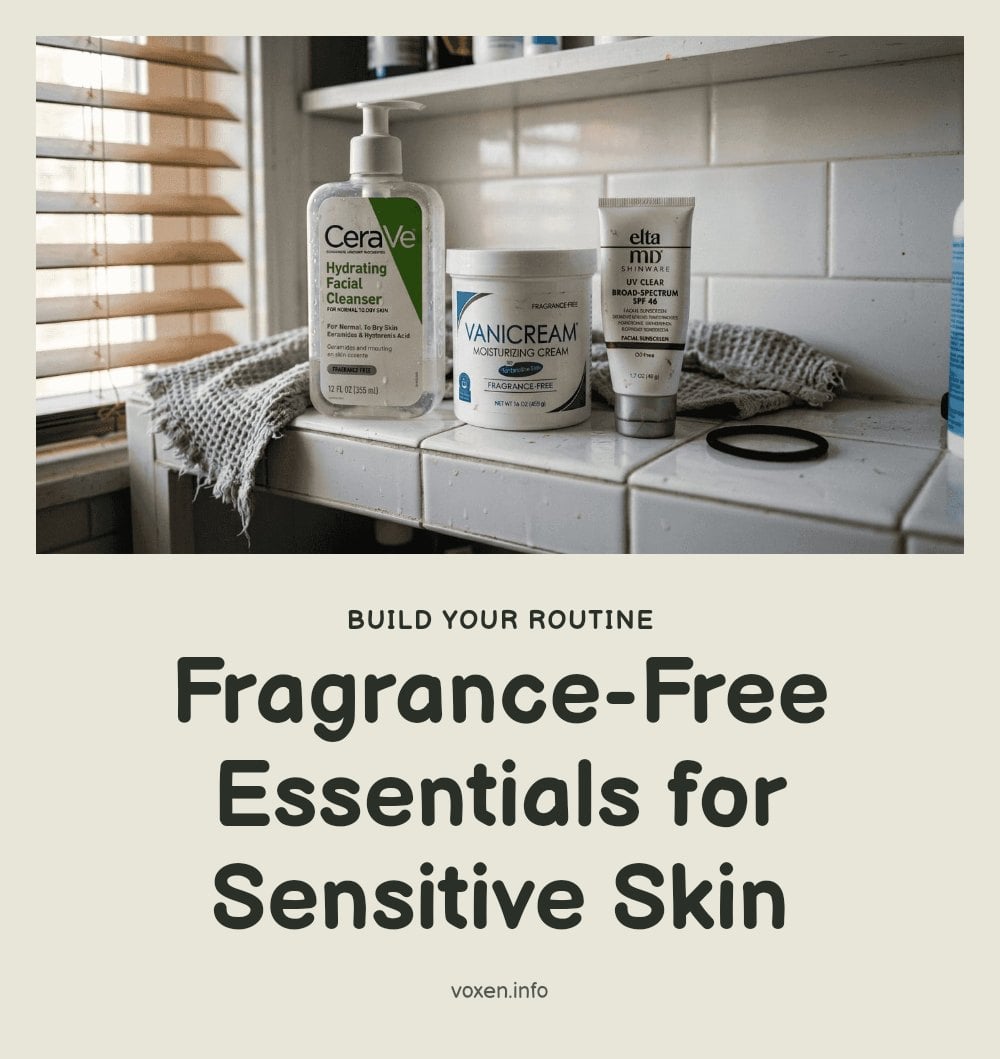
Start with lukewarm water for cleansing. Hot water strips natural oils, while cold water doesn’t clean effectively. Use a gentle, cream-based cleanser that won’t disrupt your barrier.
Choose products labeled “fragrance-free” (not just “unscented,” which may contain masking fragrances) and dye-free. Tip: Always perform a patch test on a small area like behind your ear or inner forearm for 24-48 hours before using a new product on your face.
Simplify your routine to just a few steps. Using fewer products makes it easier to identify what might be causing irritation. After washing, pat your skin dry with a soft towel instead of rubbing. Apply moisturizer immediately while your skin is still damp to lock in hydration.
Daily sun protection is non-negotiable. Wear a broad-spectrum mineral sunscreen with zinc oxide or titanium dioxide, which are less likely to irritate than chemical filters. Even on cloudy days, UV radiation can trigger redness and sensitivity.
Common Sensitive Skin Mistakes to Avoid
Many people unknowingly make mistakes that worsen their sensitive skin. Here are the most common ones to avoid:
- Using too many active ingredients at once: This can overwhelm sensitive skin and trigger reactions.
- Not checking ingredient lists: Watch for common irritants like fragrance, denatured alcohol, and witch hazel.
- Over-exfoliating: Harsh physical scrubs or strong chemical exfoliants damage the skin barrier and increase sensitivity.
- Washing with very hot water: It strips natural protective oils, leading to dryness and irritation.
- Assuming “natural” or “organic” means safe: Many natural ingredients, like essential oils, can be highly irritating to sensitive skin.
- Rubbing skin aggressively: Whether with a towel or applicator, friction causes irritation.
Top Tips for Soothing Reactive Skin
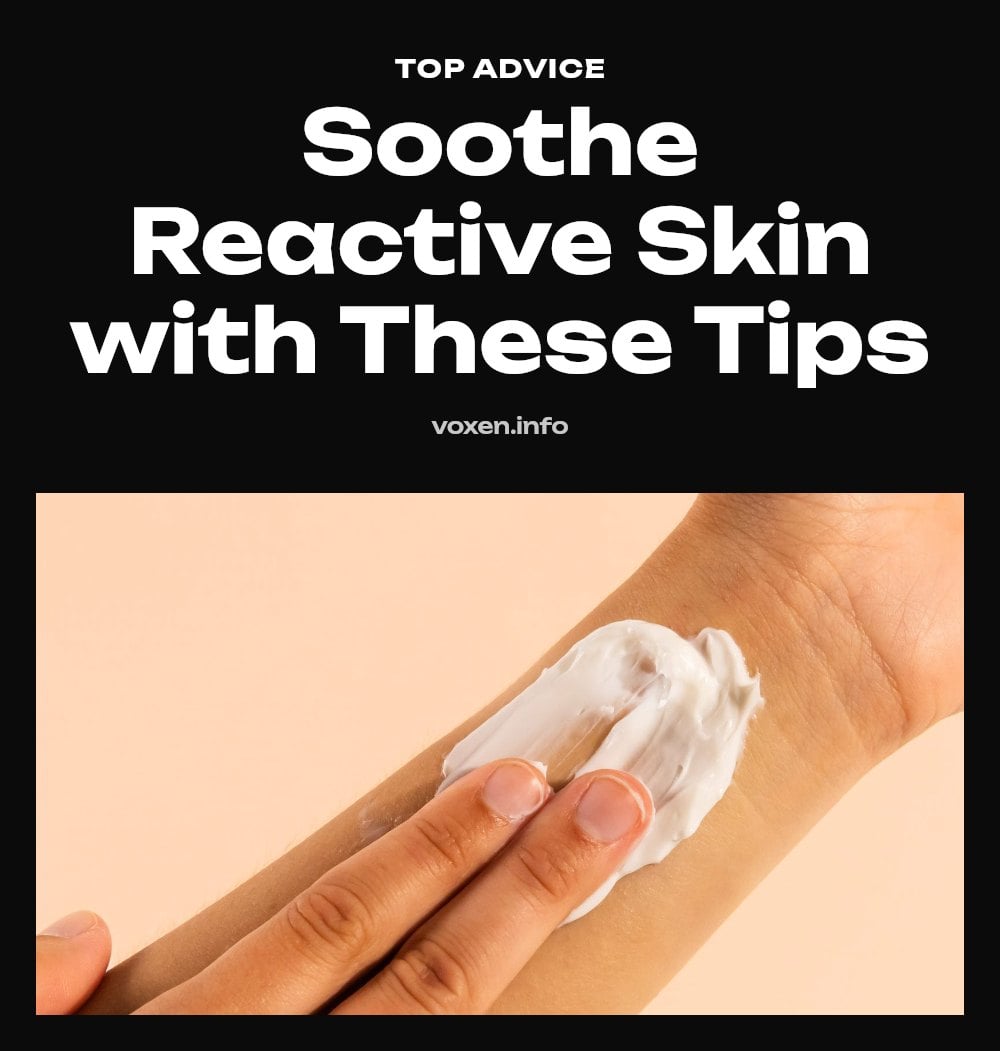
My tip: always patch test a new product on a small area like behind your ear or inner forearm for 24-48 hours before applying it to your whole face. This step can save you from a full-face reaction. Simplify your routine too, using fewer products makes it much easier to pinpoint what might be causing irritation.
When shopping, look for products labeled ‘fragrance-free’ rather than just ‘unscented.’ Unscented products can still contain masking fragrances that trigger reactions. Also consider your laundry detergent and fabric softener. These can be hidden triggers for body sensitivity. Finally, manage stress. It can significantly impact your skin’s reactivity, so finding ways to unwind helps keep your complexion calm.
Long-Term Prevention for a Calm Complexion
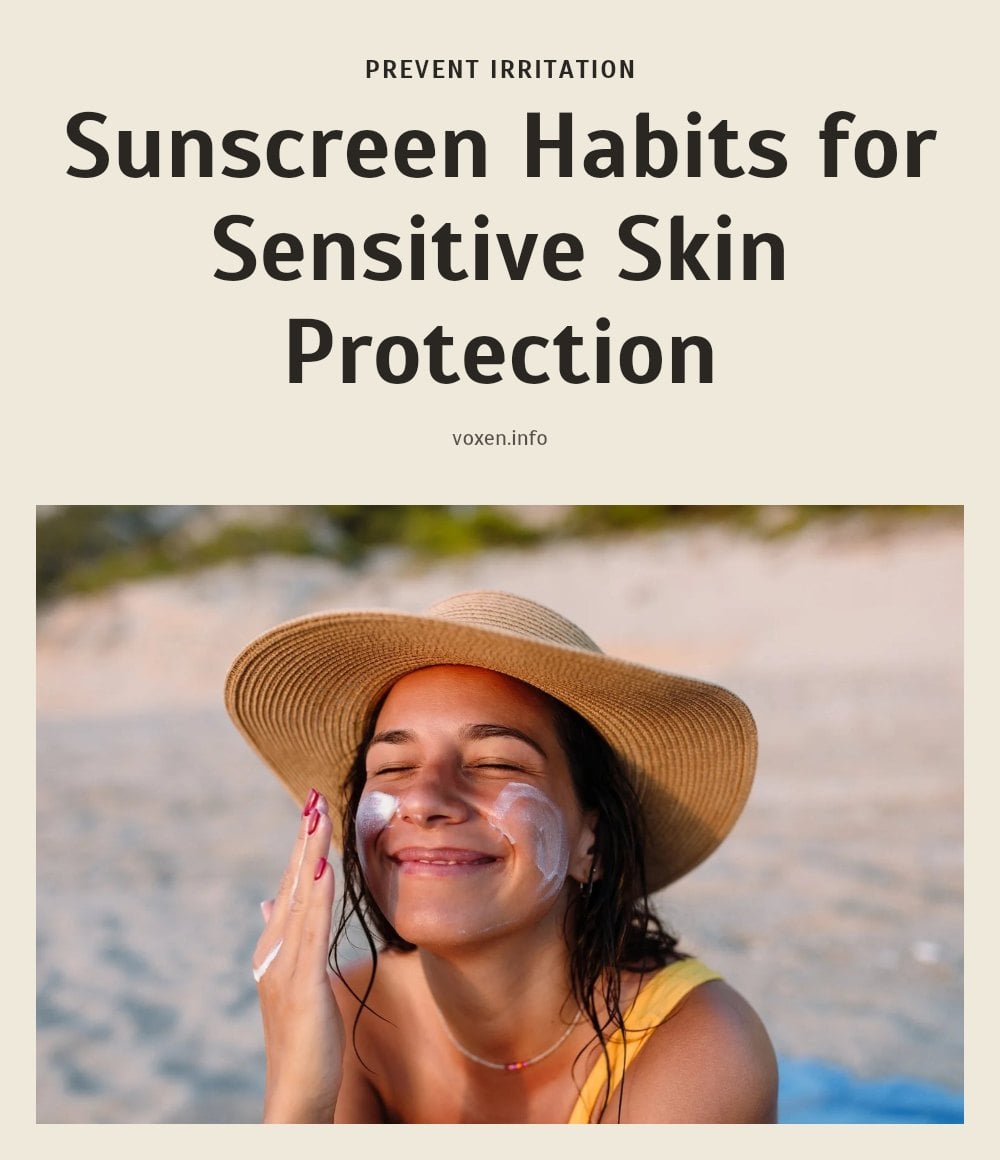
Consistency is key for long-term prevention. Use a gentle, fragrance-free moisturizer daily to strengthen your skin barrier. Stick to a simplified routine to minimize exposure to potential irritants. Wear broad-spectrum mineral sunscreen every day, even on cloudy days, to protect against UV damage.
Be mindful of environmental factors like extreme temperatures and low humidity, which can trigger reactions. Switch to hypoallergenic laundry detergents and avoid harsh fabric softeners. Prioritize stress management techniques such as meditation or exercise to keep your skin calm over time.
When to Consult a Dermatologist
If skin irritation, redness, burning, or itching persists or worsens even after you stop using problematic products, consult a dermatologist. Seek immediate medical help if you suspect a severe allergic reaction. Conditions like eczema, rosacea, or contact dermatitis require professional diagnosis and treatment. A dermatologist can also help if you are unsure about identifying triggers or managing your sensitive skin effectively.
Frequently Asked Questions
What are the main signs of sensitive skin?
Sensitive skin often shows up as stinging, burning, itching, tightness, or dryness in response to things like certain products, temperature changes, or stress. These sensations happen with stimuli that wouldn’t normally bother other people’s skin. Redness may also appear, but not everyone experiences the same symptoms.
Can sensitive skin be oily?
Yes, sensitive skin can affect any skin type, including oily, dry, or combination. You can have an oily T-zone and still experience sensitivity, redness, or stinging. The key is to choose products labeled for sensitive skin that are gentle and non-comedogenic, so they won’t clog pores or irritate.
How quickly can I see results from changing my sensitive skincare routine?
With consistent use of gentler products and avoiding triggers, many people notice improvements within a few days to a few weeks. The skin barrier needs time to repair, so be patient and stick to a simplified routine. If you don’t see improvement or symptoms worsen, it’s wise to see a dermatologist.
Is ‘hypoallergenic’ a guarantee for sensitive skin?
No, ‘hypoallergenic’ is not a regulated term, so it doesn’t guarantee a product won’t cause a reaction. It may indicate a lower risk, but you still need to check the ingredient list for known irritants like fragrance or alcohol. Patch testing is your best way to know if a product works for you.
Can stress make sensitive skin worse?
Yes, stress can trigger or worsen sensitive skin reactions for some people. Stress affects the immune system and can increase inflammation, making your skin more reactive. Managing stress through relaxation techniques, adequate sleep, and regular exercise may help reduce flare-ups, though it’s not a substitute for a good skincare routine.
Final Thoughts
For calmer skin, the most reliable step is to simplify your routine and stick to gentle, fragrance-free products. Patch test everything new, and give your barrier time to recover, which can take a few days to a few weeks with consistent care. If redness or burning persists or worsens, stop using the product and consult a dermatologist, as conditions like eczema or rosacea need professional diagnosis.
This article is for general information only and is not a substitute for professional medical advice. If you have persistent skin irritation, redness, or burning, or suspect a condition like eczema or rosacea, please consult a dermatologist or healthcare provider.

