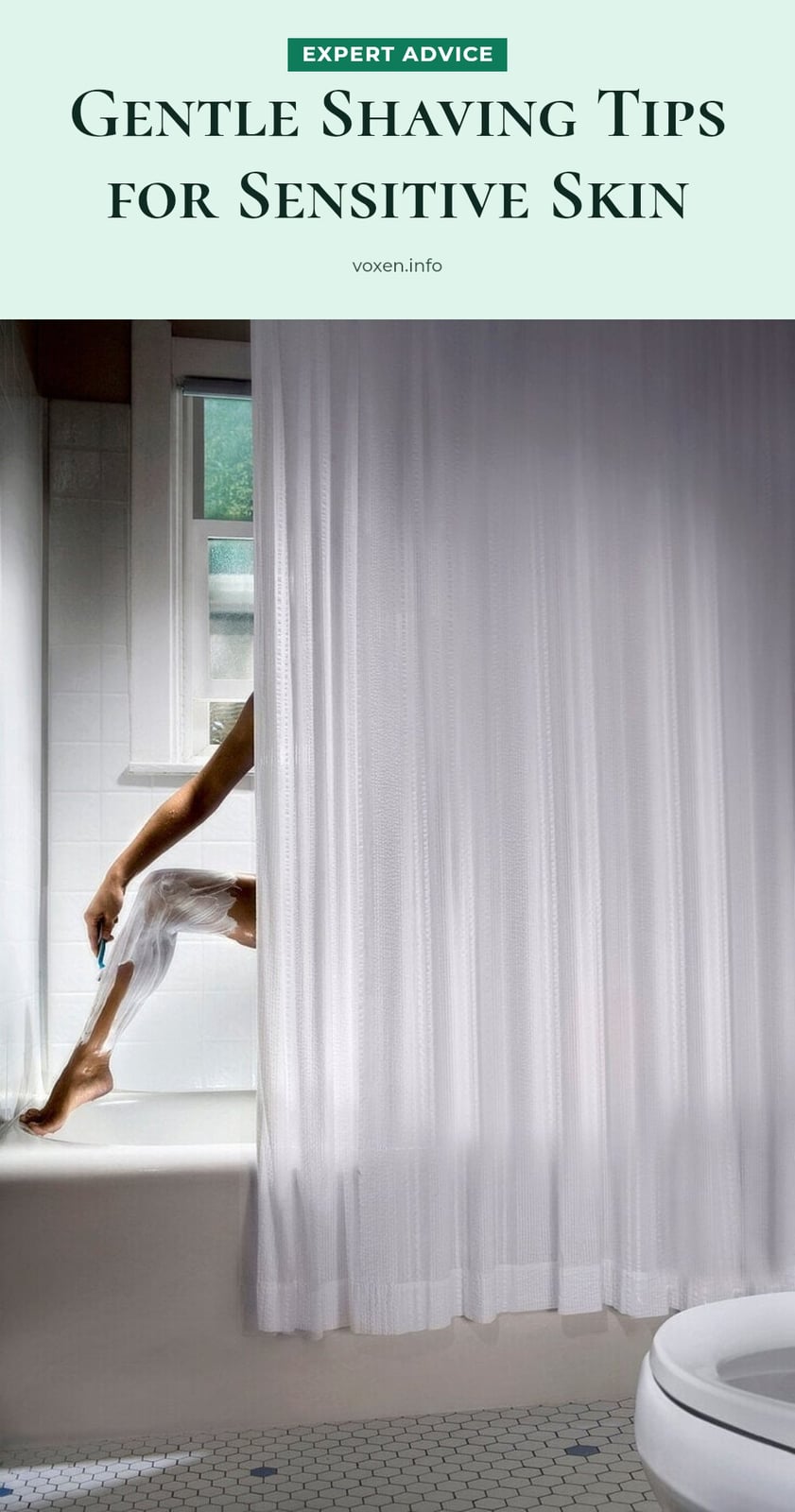
If you have sensitive skin, shaving can feel like a gamble between smooth legs and angry red bumps. The secret to a comfortable shave isn’t just about the blade. It’s about how you prepare, shave, and care for your skin afterward. This article covers the essential steps and tools to help you get a close, irritation-free shave every time.
Key Takeaways
- Always shave at the end of a warm shower to soften hair and open pores.
- Use a sharp razor and replace the blade every 5-7 shaves.
- Shave with the grain to reduce irritation and ingrown hairs.
- Rinse with cool water and apply a fragrance-free moisturizer immediately after.
- Store your razor in a dry place to prevent bacteria and dulling.
Achieving a Smooth, Irritation-Free Shave
A smooth, irritation-free shave, especially for sensitive skin, comes down to three steps: careful preparation, proper technique, and thoughtful aftercare. Soften your skin and hair before you start, use a sharp razor with gentle strokes, and soothe the skin once you finish. The right products and tools can significantly reduce common problems like razor burn and ingrown hairs, making the whole process more comfortable.
1. Prep Your Skin with Warmth
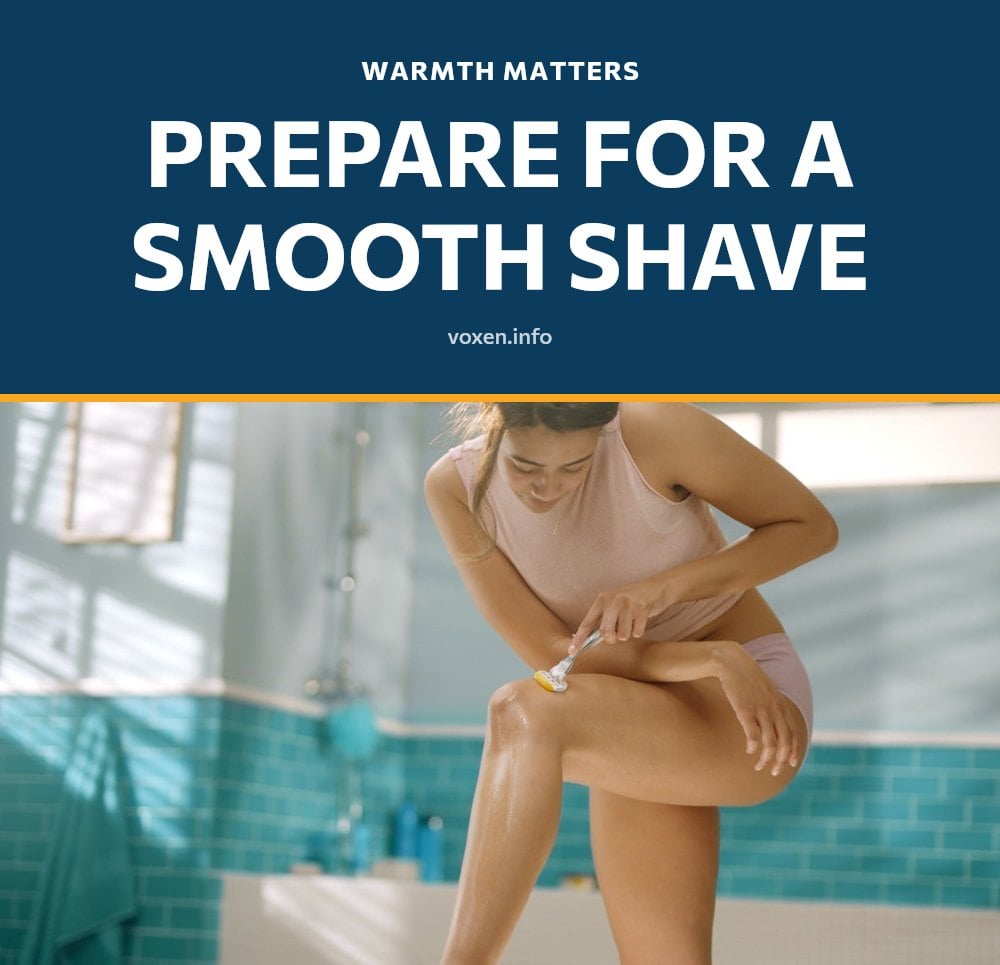
Shave at the end of a warm shower or bath so your skin and hair are thoroughly softened. Warm water opens pores and softens hair, making shaving much easier and reducing friction on your skin.
My tip: Don’t rush this step. Give your skin a good 5-10 minutes to soak in the warmth.
2. Exfoliate Gently Beforehand
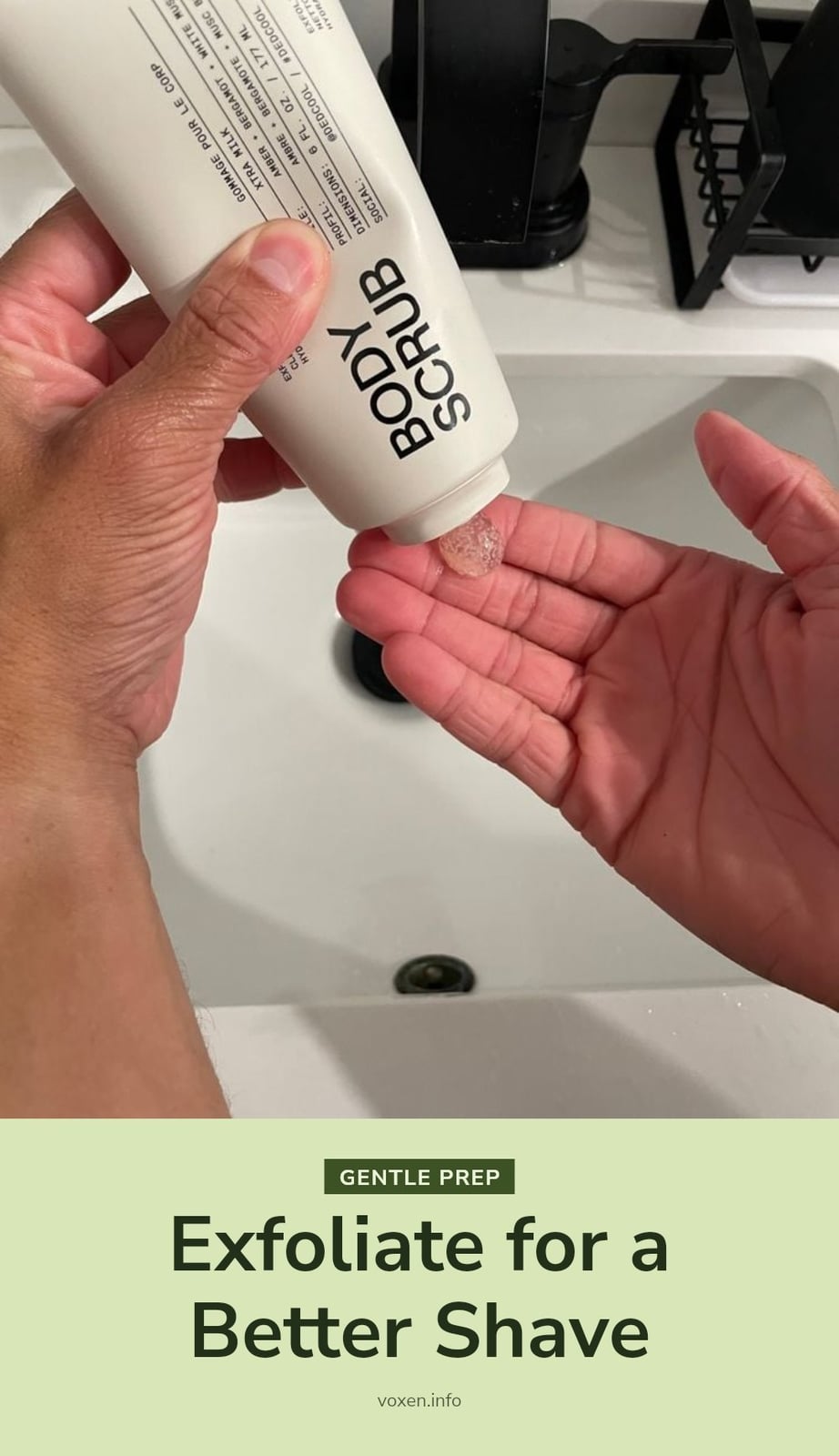
Exfoliate 12-24 hours before you shave, not right before. This timing gives dead skin cells time to loosen without irritating freshly shaved skin. Clogged follicles are a top cause of ingrown hairs, and gentle exfoliation helps keep them clear.
My tip: Choose a mild physical scrub or a chemical exfoliant with lactic or salicylic acid. Harsh scrubs right before shaving can cause micro-tears and make irritation worse, especially on sensitive skin.
3. Choose a Sharp Razor

Always use a fresh, sharp razor blade to prevent irritation, nicks, and razor burn. Dull blades pull at the hair instead of cleanly cutting it, which is a primary cause of irritation.
Tip: Change your blade every 5-7 shaves, or sooner if you feel any tugging.
4. Use Ample Shaving Cream
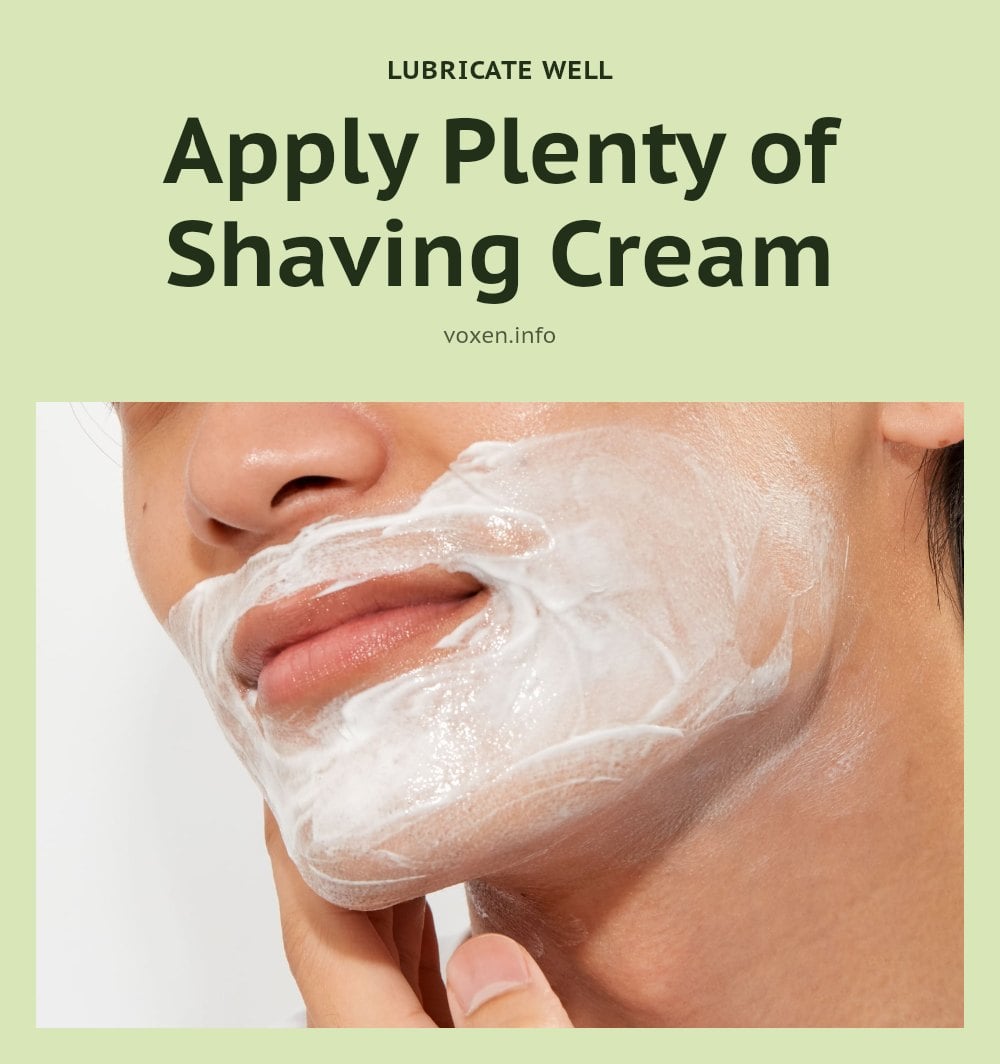
Apply a generous layer of shaving cream, gel, or oil designed for sensitive skin. This creates a protective barrier that allows the blade to glide smoothly and reduces friction against your skin.
Tip: Look for fragrance-free and alcohol-free options to avoid further irritation. Products with soothing ingredients like aloe or oatmeal are a good choice for reactive skin.
5. Shave With the Grain
Shave with the grain, meaning in the direction your hair grows, to minimize irritation. This is especially important if you have sensitive skin or are prone to ingrown hairs. Shaving against the grain can give a closer shave but significantly increases the risk of irritation and ingrown hairs.
Tip: For a closer shave without irritation, you can do a second pass across the grain on less sensitive areas, but never against it on sensitive spots.
6. Rinse Your Razor Often
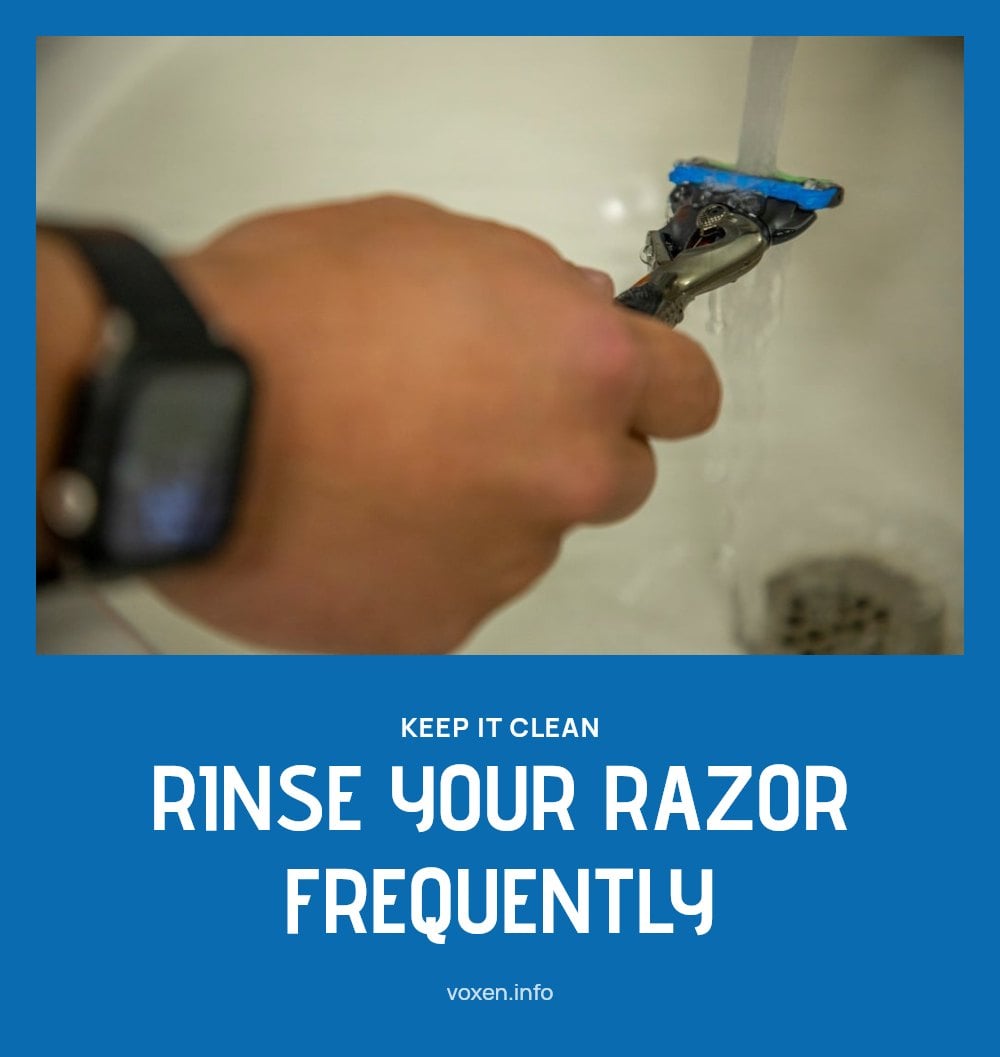
Rinse your razor frequently under cool water during shaving to prevent hair and product buildup. A clogged blade drags across the skin instead of cutting cleanly, which can cause nicks and irritation. Cool water also aligns with the post-shave rinse, keeping your routine consistent.
Tip: A clean blade cuts more efficiently and reduces skin stress. Swish the razor after every few strokes to keep it clear.
7. Use Light, Short Strokes
Use light, short, controlled strokes without applying excessive pressure. Pressing down hard on the razor is a common mistake that leads to nicks, cuts, and irritation. Let the sharp blade do the work.
Tip: You are just guiding the razor. If you feel resistance, stop and check the blade rather than pushing harder.
8. Cool Rinse After Shaving
After you finish shaving, rinse your skin with cool water for about 30 seconds. This helps close pores and soothes any minor irritation the blade may have caused. The cool temperature also tightens the skin, which can reduce redness right away.
Good to know: A quick cool rinse feels refreshing and helps lock in moisture before you apply any products.
9. Moisturize Immediately
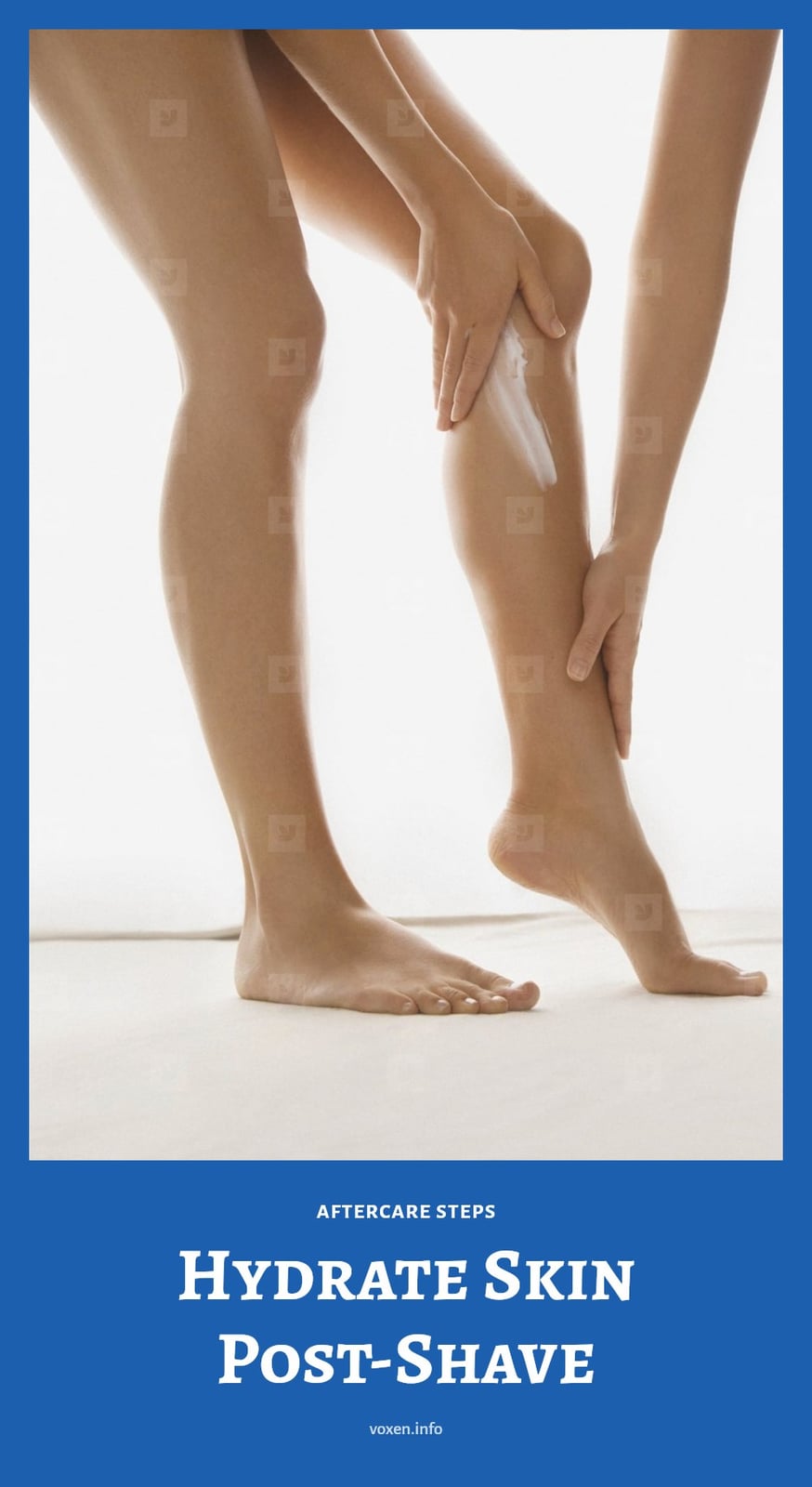
Apply a fragrance-free, alcohol-free moisturizer or aftershave balm immediately after patting your skin dry. This step replenishes the moisture lost during shaving and creates a protective barrier against dryness and irritation. The sooner you apply it, the better your skin will recover.
Pro move: Look for ingredients like aloe vera or shea butter for extra soothing power. They calm the skin without clogging pores.
10. Store Your Razor Properly
Store your razor in a dry place, not inside the shower or on a wet ledge. A damp environment encourages bacterial growth and can dull the blades faster, making them less effective. A dry razor stays sharper and cleaner for longer.
Quick tip: Use a small razor holder or hook that keeps it outside the direct spray of water. Your blades will last longer and your skin will thank you.
11. Avoid Shaving Dry Skin
Never shave dry skin or without adequate lubrication. Shaving without moisture or cream increases friction, which leads to nicks, cuts, and razor burn. Your skin needs a protective layer between the blade and its surface.
A proper shaving cream or gel provides that glide and cushion. Tip: If you are in a rush, skip shaving rather than dry-shaving. Your skin will recover much faster from skipping a day than from the damage of a dry pass.
Common Shaving Mistakes to Avoid
Even with good prep, a few common habits can undo your progress. Here are the mistakes to drop and what to do instead.
- Using a dull razor blade: This is a primary cause of razor burn and irritation. Always use a sharp blade and replace it every 5-7 shaves.
- Shaving too quickly or with excessive pressure: This leads to nicks, cuts, and skin stress. Slow down and use light, short strokes.
- Not preparing the skin adequately: Shaving dry skin or without enough lubrication causes friction and irritation. Always prep with warm water and shaving cream.
- Skipping post-shave moisturizing: This can lead to dryness and discomfort. Always apply a gentle, fragrance-free moisturizer afterward.
- Shaving against the grain on sensitive areas: This increases the risk of ingrown hairs and severe irritation. Always shave with the grain on sensitive spots; shaving across the grain is also not recommended for these areas.
- Using harsh, fragranced shaving products: These can irritate sensitive skin. Opt for fragrance-free, alcohol-free options to keep skin calm.
Frequently Asked Questions
Can I use conditioner instead of shaving cream?
Conditioner can work in a pinch because it provides some slip and moisture, but it’s not formulated to create the protective barrier that shaving cream or gel does. For sensitive skin, a fragrance-free shaving product designed for that purpose is a better choice to reduce friction and irritation.
Is it better to shave in the morning or at night?
There’s no strict rule, but shaving at night can give your skin time to recover while you sleep, especially if you tend to get redness. If you shave in the morning, make sure you’re not rushing and that your skin is fully softened from a warm shower first.
What’s the best way to prevent ingrown hairs?
To prevent ingrown hairs, exfoliate gently 12-24 hours before shaving, always shave with the grain, and use a sharp razor. After shaving, apply a fragrance-free moisturizer. If you’re prone to ingrown hairs, consider a single-blade or safety razor, which can be gentler on the skin.
What’s the best razor for sensitive skin?
For sensitive skin, a single-blade or safety razor is often a good choice because it cuts hair cleanly without the multiple passes that can cause irritation. If you prefer a cartridge razor, look for one with a moisturizing strip and replace the blade often. The key is a sharp, clean blade regardless of the type.
Final Thoughts
For the best results, make the full routine a habit: prep with warmth and gentle exfoliation, use a sharp razor with plenty of cream, and finish with a cool rinse and moisturizer. You can expect to see less redness and fewer bumps from your very first shave if you follow these steps. A little extra care goes a long way for happy, healthy skin.
This article is for general informational purposes only and does not constitute medical or professional advice. If you have persistent skin irritation, severe razor burn, or signs of infection, please consult a dermatologist or healthcare provider for personalized guidance.

