If you’re dealing with dry, flaky skin, you’ve probably heard that shea butter is a go-to natural moisturizer. But when you look at the options, it’s easy to get confused by labels like raw, unrefined, and refined. This article breaks down the key differences between raw and refined shea butter so you can choose the best one for your skin’s needs.
Key Takeaways
- Raw, unrefined shea butter retains more vitamins A, E, and F and antioxidants than refined versions.
- Refined shea butter has a neutral scent and white color, making it better for cosmetic blends.
- Warm a small amount between your palms before applying to damp skin for best absorption.
- Store shea butter in a cool, dark place to extend its shelf life up to 12-24 months.
- A little goes a long way; start with a pea-sized amount, especially on the face.
What is Shea Butter and Why is it Great for Dry Skin?
Shea butter is a fat extracted from the nuts of the African shea tree, specifically the Vitellaria paradoxa tree. It’s prized in skin care for its powerful moisturizing properties. Rich in fatty acids like oleic and stearic acid, plus vitamins A, E, and F, it softens and smooths dry skin effectively. When you apply it, shea butter helps form a protective barrier on your skin that prevents moisture loss. Good news for acne-prone skin: it’s generally non-comedogenic, meaning it’s unlikely to clog pores.
Raw vs. Refined Shea Butter: What’s the Difference?
Not all shea butter is the same. The main difference comes down to how it’s processed.
| Feature | Raw (Unrefined) | Refined |
|---|---|---|
| Extraction method | Water extraction | Bleaching, deodorizing, chemical |
| Color | Yellowish or grayish | White |
| Scent | Nutty, smoky aroma | Neutral, no scent |
| Nutrient content | High in vitamins A, E, F, antioxidants | Reduced vitamins and antioxidants |
| Shelf life | 12-24 months | Longer due to processing |
The refining process removes impurities, color, and odor, but it also reduces the concentration of beneficial compounds like vitamins and antioxidants. Raw shea butter keeps those nutrients intact.
Why Choose Raw, Unrefined Shea Butter?
Why Choose Raw, Unrefined Shea Butter
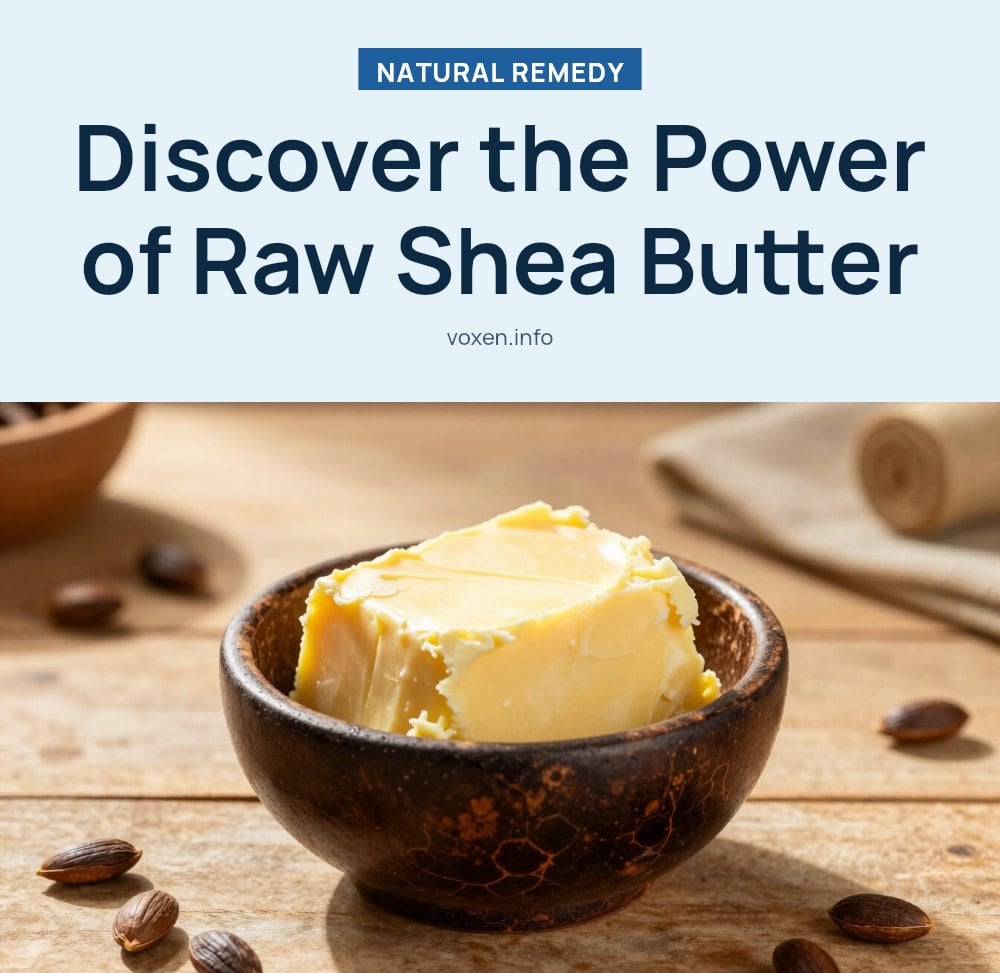
Raw shea butter is extracted using water, which preserves its natural yellowish or grayish color and its characteristic nutty, smoky aroma. This minimal processing means it retains higher concentrations of vitamins A, E, and F, along with antioxidants like catechins. If you want the maximum nutrient benefits from your shea butter, raw is the way to go. My tip: look for shea butter labeled unrefined or raw to ensure you’re getting the full spectrum of natural skin-nourishing compounds. It offers a more natural experience and delivers the most potent moisturizing and softening effects for dry skin.
When to Opt for Refined Shea Butter
When to Opt for Refined Shea Butter
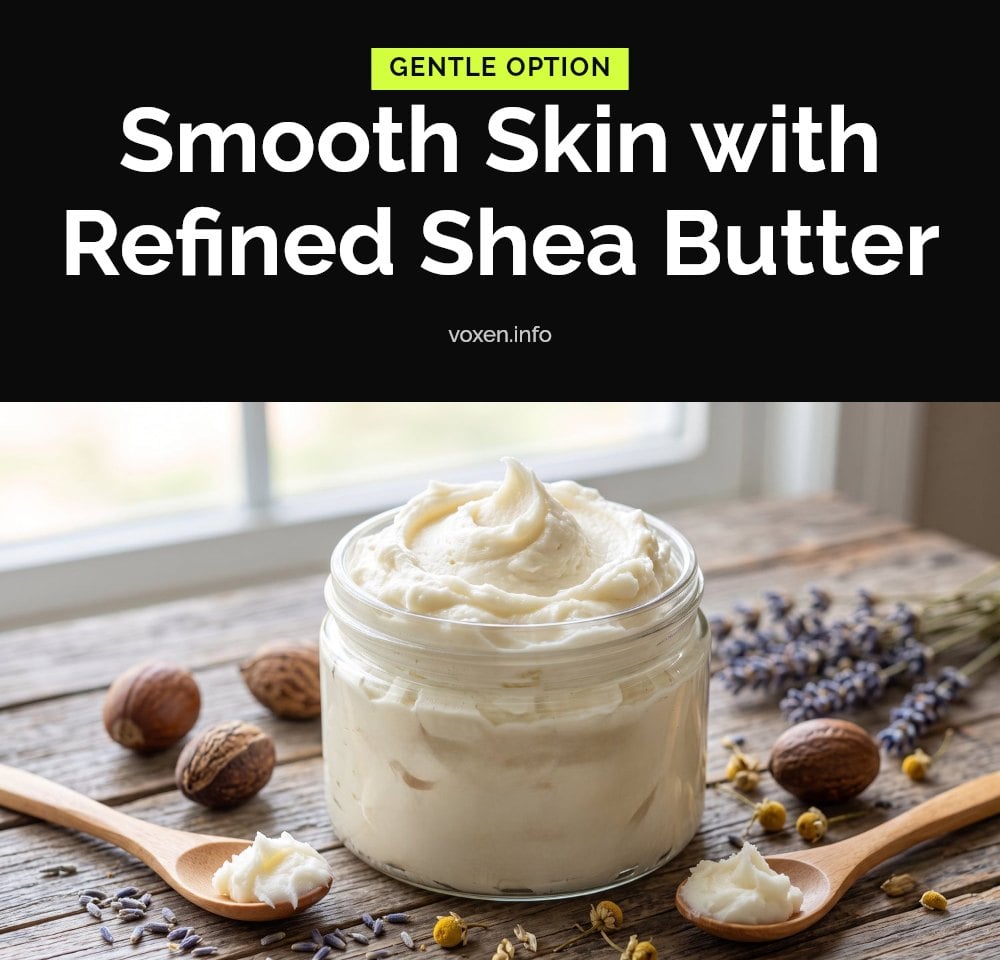
Refined shea butter undergoes bleaching, deodorizing, and sometimes chemical extraction to achieve a white color and neutral scent. This makes it a preferred choice for certain cosmetic formulations where color or fragrance might interfere with other ingredients. While the refining process reduces the concentration of some beneficial compounds like vitamins and antioxidants, refined shea butter still offers excellent emollient properties to soften and smooth skin. It also tends to have a longer shelf life because impurities that can cause rancidity are removed. If you need a neutral base for a DIY recipe or prefer no scent, refined shea butter is a practical option.
Best Tips for Using Shea Butter Effectively

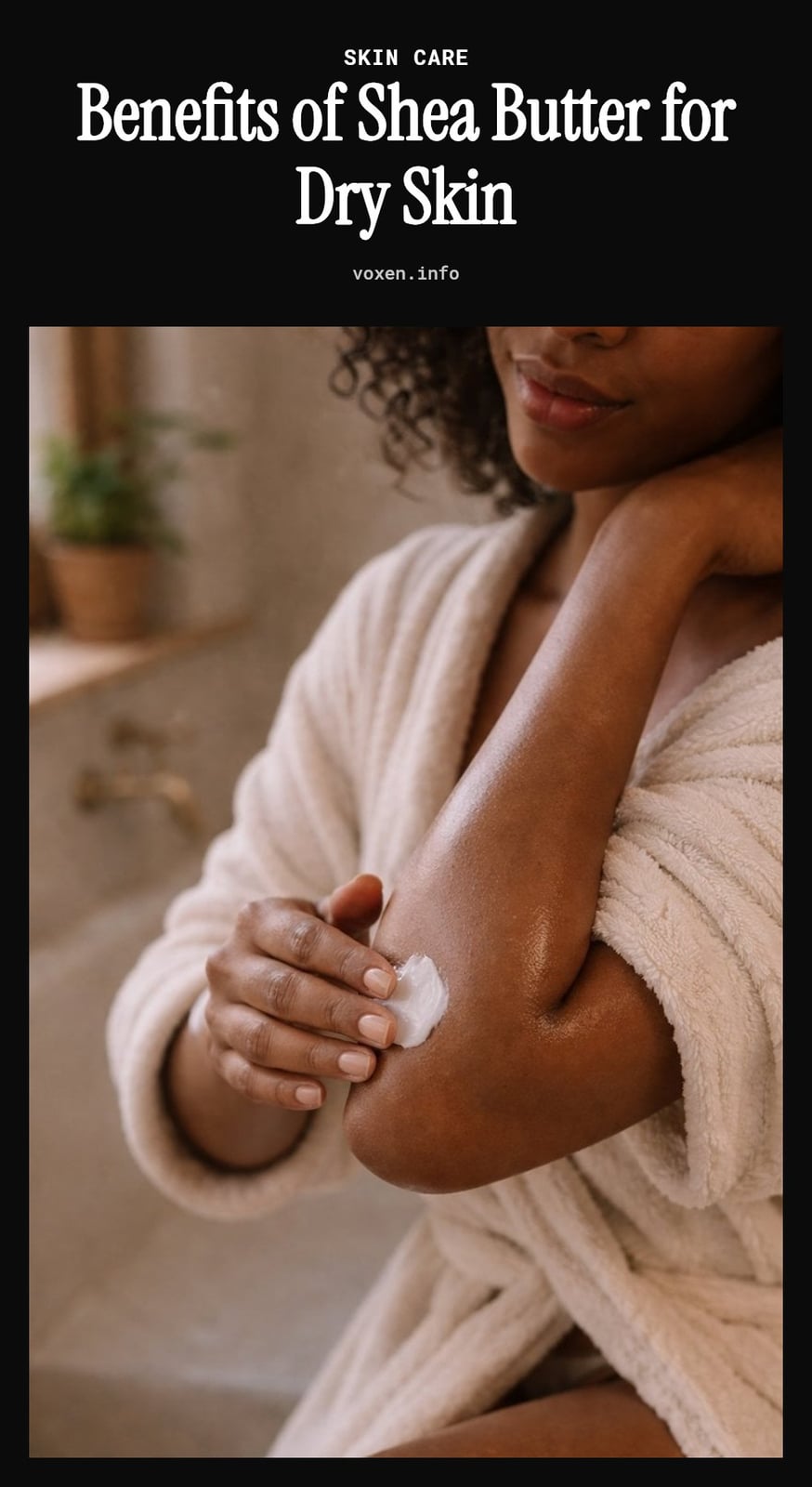
Warm it up: Shea butter is solid at room temperature, so rub a pea-sized amount between your palms for a few seconds. The heat melts it into an oil, making it much easier to spread evenly over your skin.
Apply to damp skin: After showering or washing your face, pat dry lightly but leave skin slightly damp. Shea butter seals in that residual moisture, which boosts hydration compared to applying it to bone-dry skin.
Overnight treatment: For extra-dry spots like elbows, knees, and feet, slather on a generous layer right before bed. Cover with cotton socks or gloves to lock it in and wake up to noticeably softer skin.
Patch test first: Dab a small amount on your inner arm or behind your ear and wait 24 hours. This is especially important if you have sensitive skin or a known nut allergy, even though shea butter is generally well-tolerated.
Common Mistakes When Using Shea Butter
Assuming all shea butter is the same: Raw and refined versions serve different purposes. Check the label before buying: raw retains more nutrients and its natural scent, while refined is odorless and white. Pick based on your need for potency or neutrality.
Expecting refined to smell natural: Refined shea butter goes through bleaching and deodorizing, so it has no nutty or smoky aroma. If you want that earthy scent, stick with unrefined.
Applying to completely dry skin: Shea butter works best as a sealant, not a hydrator. Putting it on dry skin locks in nothing. Always apply after cleansing or showering when your skin is still a bit damp.
Improper storage: Heat and light degrade shea butter over time. Keep it in a cool, dark cabinet or drawer in an airtight container to preserve its quality and extend its shelf life.
Using rancid butter: Fresh shea butter has a mild, nutty scent. If yours develops a strong, unpleasant odor, it has gone bad. Discard it immediately instead of applying it to your skin.
How Quickly Does Shea Butter Improve Skin?
Results timeline: With daily application, you can notice improved hydration and softness within a few days. Consistency matters more than quantity.
Frequency of use: Apply shea butter once or twice daily, focusing on dry areas like hands, elbows, and knees. You can use it more often in colder months when skin needs extra moisture.
Cost tiers: Raw, unrefined shea butter usually costs a bit more than refined because it undergoes less processing. Both remain affordable options compared to many commercial moisturizers.
When to Consult a Dermatologist About Skin Reactions
Persistent redness or irritation: If you develop itching, swelling, a rash, or redness after using shea butter, stop using it immediately. If symptoms don’t fade within a day or two, see a dermatologist to rule out an allergic reaction.
Known tree nut allergy: Although shea is botanically a fruit, people with tree nut allergies should monitor closely. If any reaction occurs, seek medical advice promptly.
Worsening dry skin: If your dry skin does not improve or gets worse after consistent shea butter use, a dermatologist can check for underlying conditions like eczema or psoriasis that may need different treatment.
Frequently Asked Questions
Is shea butter good for acne-prone skin?
Shea butter is generally considered non-comedogenic, meaning it is unlikely to clog pores. However, if you have extremely acne-prone skin, it’s wise to monitor how your skin reacts. Start with a small patch test before applying it to larger areas.
Can I use shea butter on my face daily?
Yes, you can use shea butter on your face daily, but a little goes a long way. Apply a pea-sized amount to damp skin after cleansing to lock in moisture. If you have sensitive or acne-prone skin, watch for any signs of irritation or breakouts.
How long does shea butter last?
Unrefined shea butter typically lasts 12 to 24 months when stored properly in a cool, dark place. Refined shea butter often has a longer shelf life because the refining process removes impurities that can cause rancidity. Always check for a strong, unpleasant odor as a sign of spoilage.
What is the best way to store shea butter?
Store shea butter in an airtight container in a cool, dark place away from direct sunlight and high heat. Proper storage helps preserve its quality and extends its shelf life. Avoid leaving it in a hot car or near a stove.
Can shea butter cause allergic reactions?
Allergic reactions to shea butter are rare but possible, especially for those with tree nut allergies. Although shea is botanically a fruit, cross-reactivity can occur. Discontinue use if you develop itching, swelling, or a rash, and consult a dermatologist if symptoms persist.
Final Thoughts
For the most nutrient-rich option, go with raw, unrefined shea butter. If you prefer a scentless, white butter that won’t alter the fragrance of your other products, refined is the way to go. With consistent daily use, you can expect to see improvements in skin hydration and softness within just a few days. Pick the type that fits your routine and enjoy the moisture boost.
This article is for informational purposes only and does not constitute medical advice. Always perform a patch test before using a new product on your skin. If you have a known allergy or a persistent skin condition, consult a dermatologist or healthcare professional before use.

