You probably don’t think twice about your shower routine, but the way you wash can make a real difference for your skin and hair. Small changes like dialing down the water temperature and cutting your shower time can help you avoid dryness and irritation. This article walks through the best showering habits, from choosing the right cleanser to knowing when to moisturize.

Key Takeaways
- Use lukewarm water between 98-105°F (37-40°C) to avoid stripping natural oils.
- Keep showers to 5-10 minutes to protect your skin’s moisture barrier.
- Pat skin dry with a soft towel instead of rubbing vigorously.
- Apply moisturizer within a few minutes of stepping out while skin is still damp.
- Exfoliate no more than once or twice a week to prevent skin barrier damage.
The Secret to a Better Shower
The best showering habits come down to three simple choices: use lukewarm water, keep it short at 5-10 minutes, and pick gentle, pH-balanced cleansers. Hot water and harsh soaps strip your skin’s natural oils, which leads to dryness and irritation. The real trick is what happens after you turn off the water. Pat your skin dry with a soft towel instead of rubbing, then apply moisturizer while your skin is still slightly damp. This locks in hydration and helps maintain your skin’s natural barrier.
1. Choose Lukewarm Water
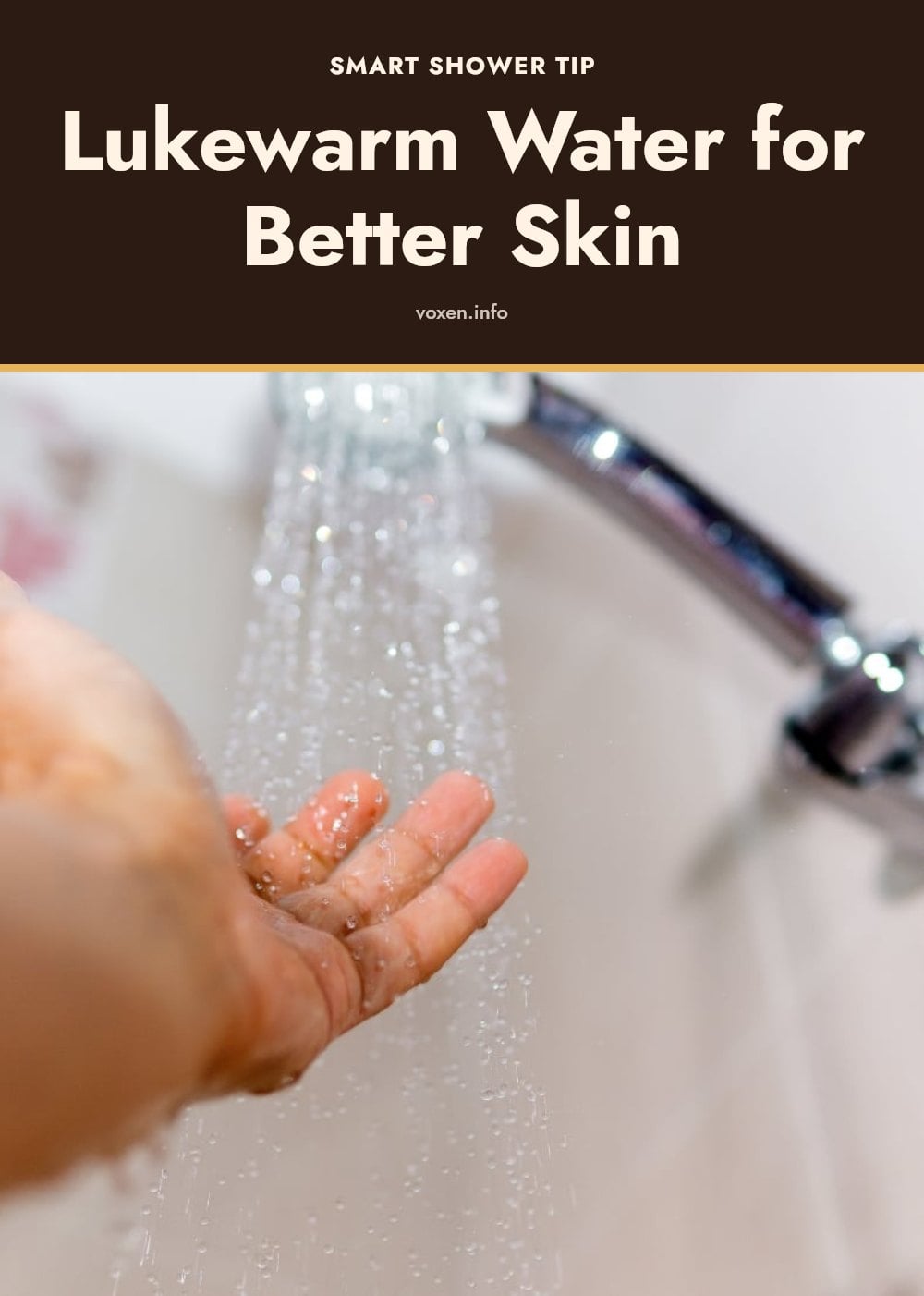
Hot water feels relaxing, but it strips your skin and hair of the natural oils that keep them healthy. Over time, that leads to dryness, flaking, and irritation. Aim for water between 98-105°F (37-40°C).
- Why it works: Lukewarm water cleanses effectively without breaking down your skin’s moisture barrier or drying out your hair.
- How to check: The water should feel warm to the touch but not hot. If your skin turns pink quickly, it’s too hot.
2. Keep Showers Short
Limit your showers to 5-10 minutes. It sounds short, but that’s plenty of time to get clean. Longer showers, especially with hot water, can disrupt your skin’s microbiome and strip its natural moisture barrier.
- Why it matters: Your skin needs its protective oils. A quick shower removes dirt and sweat without over-drying.
- My tip: Set a timer on your phone or use a waterproof clock in the shower. You’ll be surprised how fast 5 minutes goes.
3. Use Gentle Cleansers
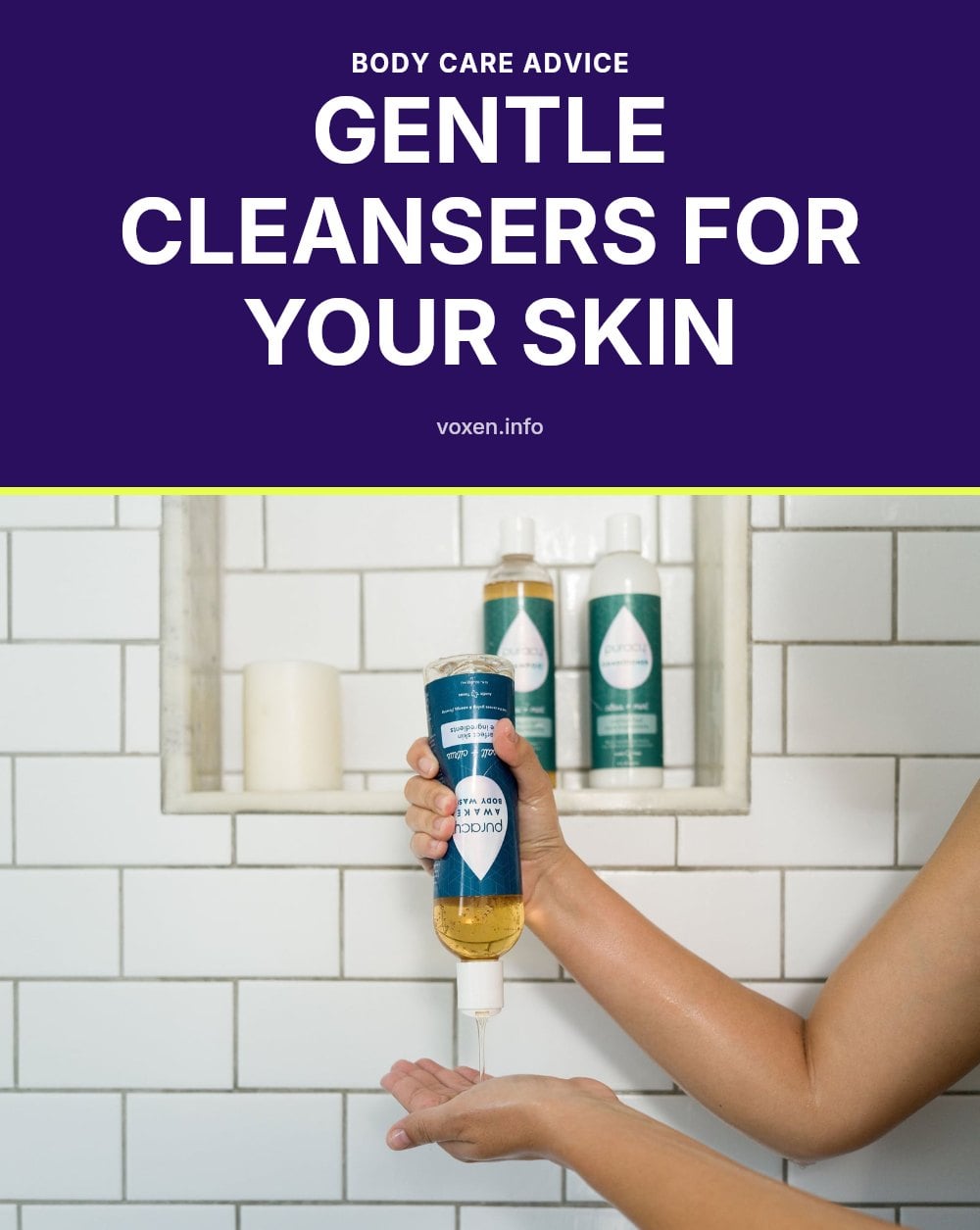
Your skin’s natural acidity sits around 5.5 on the pH scale. Harsh cleansers can throw that off, leaving your skin dry, tight, and irritated. Choose gentle, pH-balanced body washes and soaps instead.
- What to look for: Labels that say ‘hydrating,’ ‘gentle,’ or ‘for sensitive skin’ are a safe bet.
- What to skip: Avoid anything with sulfates (SLS) or high-foaming ingredients. They strip more than they clean.
4. Pat Skin Dry Gently
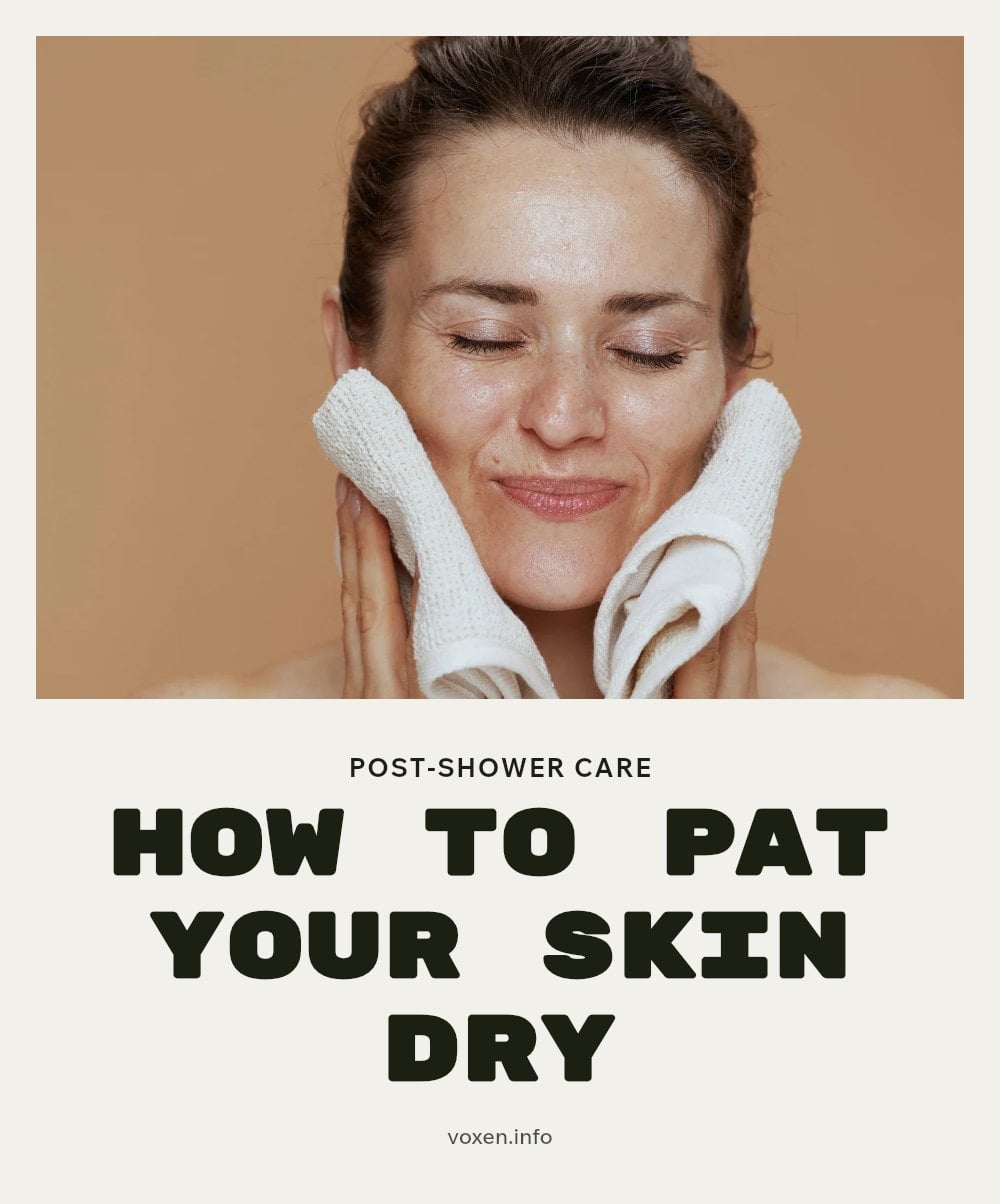
After you turn off the water, resist the urge to rub your skin with the towel. Vigorous rubbing can cause irritation and strip away the moisture your skin just absorbed. Instead, gently pat your skin dry with a soft towel.
Tip: Leave your skin slightly damp. That remaining moisture is exactly what your moisturizer needs to lock in hydration effectively.
5. Moisturize Immediately

The best time to moisturize is within a few minutes of stepping out, while your skin is still damp. This is when your skin absorbs and holds onto hydration most effectively, sealing in the water from the shower.
My tip: Keep your moisturizer right by the shower so you don’t forget this crucial step. A lotion or cream works well for most skin types.
6. Wash Hair Appropriately
There is no one-size-fits-all rule for how often to wash your hair. Oily hair may need washing every day or every other day, while dry, curly, or coily hair often does best with once a week or even less.
Good to know: Pay attention to your scalp and ends. If your scalp feels greasy, wash more often. If your ends feel dry or brittle, stretch the time between washes.
7. Condition Hair Correctly
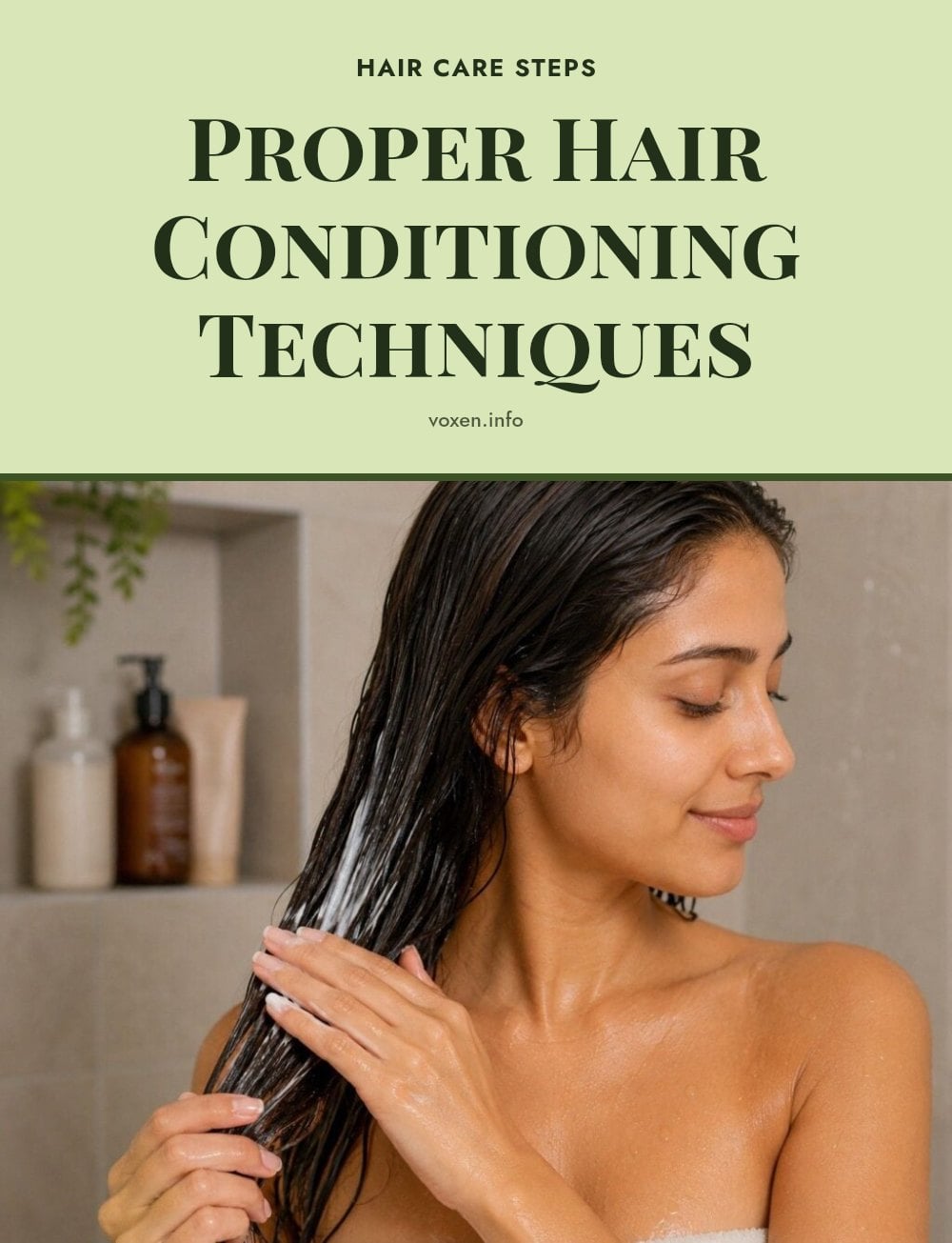
Conditioner should go on the mid-lengths and ends of your hair, not directly on the scalp. Applying it to the roots can weigh down your hair and make your scalp look greasy by the next day.
Pro move: Focus the conditioner on the driest parts, usually the ends, and let it sit for a minute or two before rinsing. This gives your hair the moisture it needs without overloading the roots.
8. Detangle Hair Gently

Use a wide-tooth comb to detangle your hair while the conditioner is still in. The slip from the conditioner reduces friction, which minimizes breakage and makes the process much smoother.
Tip: Start detangling from the ends and work your way up to the roots. This prevents snags and avoids pulling on tangles near your scalp.
9. Exfoliate Mindfully
Exfoliate your skin once or twice a week to slough off dead skin cells and encourage cell turnover. Overdoing it, however, can damage your skin barrier and cause redness or sensitivity.
Choose a gentle physical scrub or a chemical exfoliant (like a mild lactic or glycolic acid) that matches your skin type. If your skin feels irritated after exfoliating, cut back to once a week.
10. Clean Shower Tools
Clean your shower tools regularly. Loofahs, washcloths, and brushes sit in a warm, damp environment that can breed bacteria if left unchecked.
Replace loofahs every 3-4 weeks. Washcloths should go in the laundry after every few uses. For brushes, remove any trapped hair and wash the bristles with mild soap weekly.
11. Consider Hard Water Effects
If you live in an area with hard water, mineral deposits can leave your skin feeling dry and your hair looking dull. This is something I have definitely noticed when traveling.
A shower filter can help reduce those minerals, which may improve the condition of your skin and hair over time. It is a relatively simple fix that many people find makes a real difference.
When to Consult a Professional
If you notice persistent skin irritation, excessive dryness, redness, or rashes that don’t improve after adjusting your showering habits, it is time to see a dermatologist. A professional can help identify underlying conditions, such as eczema or contact dermatitis, and recommend appropriate treatments or product changes. Caution: Do not self-diagnose or rely on home remedies for ongoing symptoms. Your skin’s health is worth a proper evaluation.
Frequently Asked Questions
How often should I shower?
There is no single rule for everyone, but daily showers are fine if they are short and use lukewarm water. For some people, showering every other day works better, especially if they have dry or sensitive skin. Pay attention to how your skin feels and adjust from there.
What is the best way to exfoliate in the shower?
Exfoliate once or twice a week using a gentle physical scrub or a mild chemical exfoliant. Avoid scrubbing hard, as over-exfoliation can damage your skin barrier and cause redness. Focus on rough areas like elbows and knees, and skip any irritated spots.
Should I use a loofah or a washcloth?
Both can work, but cleanliness matters more than the tool. Loofahs should be replaced every 3-4 weeks, and washcloths should go in the laundry after a few uses. A dirty tool can harbor bacteria, so regular cleaning is key regardless of what you choose.
How do I know if my cleanser is too harsh?
If your skin feels tight, dry, or irritated right after washing, your cleanser may be too harsh. Look for labels that say ‘hydrating,’ ‘gentle,’ or ‘for sensitive skin,’ and aim for a pH-balanced formula around 5.5. Your skin should feel clean but not stripped.
What is the best water temperature for showering?
Lukewarm water, generally between 98-105°F (37-40°C), is ideal. Hot water feels nice but strips your skin and hair of natural oils, leading to dryness over time. Stick with a temperature that feels warm but not steaming.
Final Thoughts
Start with one change, like switching to lukewarm water or cutting your shower to 10 minutes. It may feel small, but your skin will thank you over time. Remember that moisturizing right after you pat dry is the step that locks in all the hydration you just gained. A better shower routine doesn’t have to be complicated, just consistent.
This article is for general informational purposes only and does not constitute medical or professional advice. If you have persistent skin irritation, rashes, or other concerns, consult a dermatologist or healthcare professional for personalized guidance.

