Starting a skincare routine can feel overwhelming with so many products and steps out there. But the truth is, you only need three core steps to build a healthy foundation: cleansing, moisturizing, and sun protection. This article breaks down the simple morning and night routine, explains the right order to apply products, and shares tips to help you avoid common beginner mistakes.
Whether you have oily, dry, or combination skin, these basics work for everyone. My tip: keep it simple and consistent, and your skin will thank you.

Key Takeaways
- Stick to three daily steps: cleanse, moisturize, and protect with sunscreen.
- Apply products from thinnest to thickest consistency for best results.
- Use sunscreen with SPF 30 or higher every morning, even on cloudy days.
- Introduce new products one at a time and patch test first.
- Expect visible improvements after 4-6 weeks of consistent use.
Your Basic Skincare Routine: Cleanse, Moisturize, Protect
I keep my skincare routine simple: cleanse, moisturize, and protect. These three steps work for everyone, and I do them every morning and night. Sunscreen goes on only in the morning as the final step. The trick is applying products from thinnest to thickest consistency so each layer can absorb properly. Stick with it daily, and your skin will thank you.
Essential Products for Your Skincare Journey
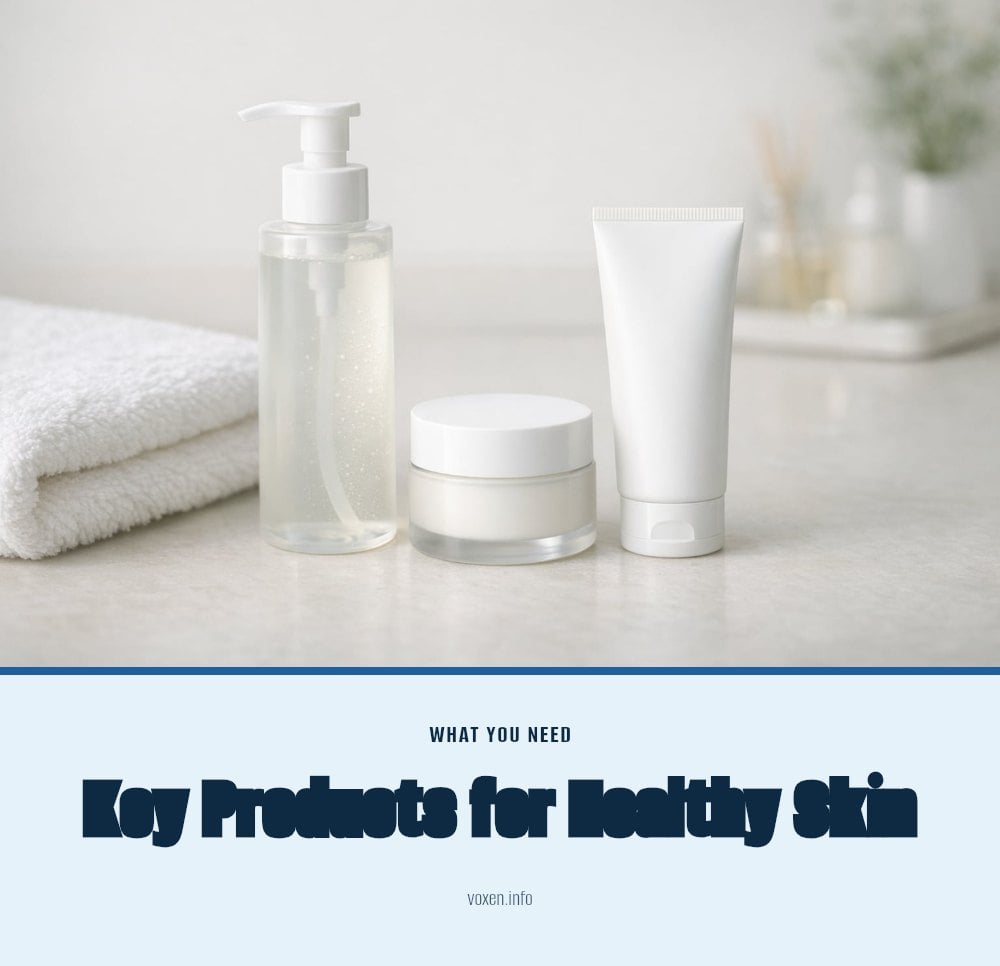
You only need four basics to start. Here is what each one does and why it matters.
- Gentle cleanser: Removes dirt, oil, and makeup without stripping your skin’s natural moisture barrier.
- Moisturizer: Locks in hydration and supports a healthy skin barrier, keeping your skin soft and balanced.
- Sunscreen (SPF 30+): Shields against UV rays that cause premature aging and skin damage. Apply it every morning.
- Clean towel: Use a fresh one each time and pat your skin dry instead of rubbing.
Your Daily Skincare Routine: Morning and Night

I split my routine into morning and night, and the steps are almost the same except for sunscreen.
- Cleanse in the morning: Splash your face with lukewarm water and use a gentle cleanser to remove overnight oil and sweat. Lukewarm water is key, hot water strips your skin, and cold water doesn’t clean as well. Pat dry with a clean towel; rubbing can irritate.
- Cleanse at night: This step removes makeup, sunscreen, and the day’s dirt. If you wore makeup, consider a double cleanse: first with an oil-based cleanser or micellar water, then your regular gentle cleanser. Always use lukewarm water.
- Apply moisturizer immediately: Right after cleansing, while your skin is still slightly damp, apply your moisturizer. This locks in hydration and supports your skin barrier. For morning, choose a lighter lotion; at night, a richer cream can work well.
- Apply sunscreen in the morning: Sunscreen is the last step of your morning routine. Use one with SPF 30 or higher and apply it over your moisturizer. Don’t skip it even on cloudy days or if you’re indoors near windows.
- Follow the thinnest-to-thickest rule: If you use a serum or treatment, apply it before your moisturizer. Serums are thinner, moisturizers are thicker, and sunscreen is often the thickest. This order helps each product absorb properly.
My tip: Keep your routine consistent for at least 4-6 weeks before expecting changes. Your skin needs time to adjust, and switching products too often can confuse it.
Understanding Your Skin Type for Better Results
Understanding Your Skin Type for Better Results
Knowing your skin type helps you pick products that actually work for you. Oily skin tends to look shiny and feel greasy, so gel or foaming cleansers and non-comedogenic moisturizers are good choices. Dry skin often feels tight or flaky and benefits from creamy cleansers and richer, emollient moisturizers that add hydration.
Combination skin is oily in the T-zone (forehead, nose, chin) and dry or normal elsewhere. You might use a gel cleanser on the oily areas and a richer moisturizer on the dry spots. Sensitive skin reacts easily with redness or stinging, so stick with fragrance-free, hypoallergenic products. My tip: If you are unsure of your type, wash your face with a gentle cleanser and wait an hour without applying anything. Oily skin will look shiny, dry skin will feel tight, and combination skin will show oil only in the T-zone.
Common Skincare Mistakes and How to Avoid Them
Not cleansing thoroughly or cleansing too aggressively: Rubbing hard or using hot water can irritate skin and strip its natural oils. Stick to lukewarm water and gentle pressure. If you wear makeup, double cleanse in the evening to remove everything.
Skipping moisturizer because you have oily skin: Oily skin can still get dehydrated, which may trigger even more oil production. A lightweight, non-comedogenic moisturizer keeps your barrier balanced.
Forgetting sunscreen daily: UV damage accumulates even on cloudy days or near windows. Apply SPF 30 or higher every morning as your last step.
Applying products in the wrong order: Layering from thinnest to thickest consistency helps each product absorb properly. A thick cream over a serum, for example, can block the serum from working.
Expecting instant results: Skin needs time to turn over. Most improvements appear after 4-6 weeks of consistent use. Giving up too soon means missing the benefits.
Top Tips for a Successful Skincare Routine
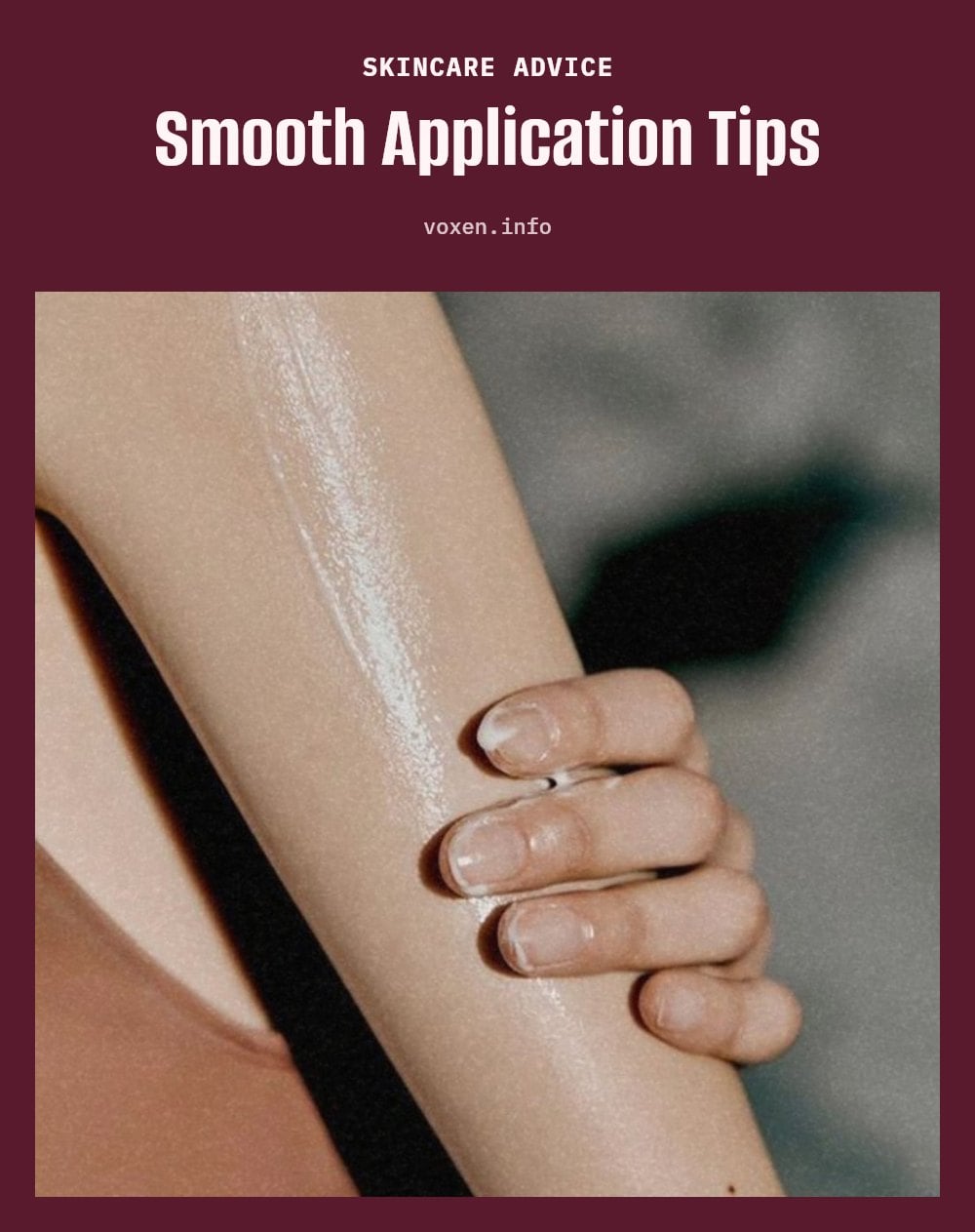
Patch test new products: Apply a small amount on your inner arm or behind your ear for a few days before using it on your face. This helps catch reactions early.
Be gentle with application: Use your ring finger for eye area and pat products in rather than rubbing. Avoid harsh scrubbing or pulling, which can cause irritation over time.
Listen to your skin: Your needs can change with weather, stress, or hormones. It is okay to switch products or adjust how often you exfoliate. My tip: keep a simple journal of how your skin feels each week so you spot patterns.
Stick with your routine for at least 4-6 weeks: Consistency is what drives results. Jumping between products too fast makes it hard to tell what works.
Never sleep in makeup: Always cleanse thoroughly before bed. Makeup left on overnight can clog pores and slow skin repair.
Skincare Timeline and What to Expect
A basic routine done twice daily (morning and night) is the foundation. Visible improvements like smoother texture or fewer breakouts typically appear after 4-6 weeks of consistent use.
The initial cost for basic products can range from budget-friendly to mid-range depending on the brands you choose. Skincare is an ongoing journey, not a quick fix, so plan to invest in products you will actually use every day.
When to Consult a Dermatologist
If you experience persistent redness, itching, burning, or breakouts after using a new product, stop using it and consult a dermatologist. For chronic conditions like acne, rosacea, or eczema that do not improve with basic care, professional guidance is important.
Also see a dermatologist if you notice moles or unusual skin changes, signs of sun damage, or want to discuss advanced treatments or prescription-strength products. They can help create a plan tailored to your needs.
Frequently Asked Questions
What is the best age to start a skincare routine?
There is no single best age, but many people start in their teens or early twenties when they first notice breakouts or other skin concerns. A basic routine of cleansing, moisturizing, and sun protection is safe for most ages. If you have specific concerns, a dermatologist can help you decide what is right for you.
What is the difference between serums and moisturizers?
Serums are lightweight, fast-absorbing liquids that deliver concentrated active ingredients like vitamin C or hyaluronic acid. Moisturizers are thicker and designed to hydrate and seal in moisture. In a routine, serums go on after cleansing but before moisturizer, following the thinnest-to-thickest rule.
Should I use the same products morning and night?
You can use the same cleanser and moisturizer both times, but your daytime routine should always include sunscreen as the last step. At night, you may want a richer moisturizer or a gentle cleanser that removes makeup and buildup. The key is to keep it simple and adjust based on how your skin feels.
What is the best basic skincare routine for beginners?
The best routine starts with three steps: a gentle cleanser, a moisturizer suited to your skin type, and a sunscreen with SPF 30 or higher for the morning. Apply them in that order, and stick to it twice a day. Avoid adding extra products until you are comfortable and see how your skin responds.
Can I skip moisturizer if I have oily skin?
Skipping moisturizer can actually make oily skin worse. When your skin feels dry, it may produce even more oil to compensate. Use a lightweight, oil-free, or non-comedogenic moisturizer to keep your barrier healthy without clogging pores. Gel or water-based formulas work well for oily skin.
Final Thoughts
For a successful routine, stick with the basics and be patient. Cleanse twice a day, moisturize right after washing, and never skip sunscreen in the morning. You don’t need a dozen products to see results, just consistency. Realistic improvements like smoother texture or fewer breakouts usually show up after 4-6 weeks of daily use. Start simple, listen to your skin, and adjust as you go.
This article is for general informational purposes only and does not constitute medical or dermatological advice. Skincare needs vary by individual, and what works for one person may not work for another. If you have persistent skin concerns, irritation, or a medical condition, please consult a qualified dermatologist or healthcare professional.

